RisingStar
- Home
- About Us
- Products
- News
- Video
- Contact
- Send Inquiry
Search
- Home
- About Us
- Products
- News
- Video
- Contact
- Send Inquiry
RisingStar
In today’s increasingly mobile and outdoor-oriented industries—from military field operations to agricultural monitoring and transportation systems—high-brightness sunlight-readable LCD displays have become essential. These screens must perform reliably under extreme lighting conditions, including direct sunlight with luminance levels exceeding 100,000 cd/m². For applications requiring a 4:3 display ratio in sizes such as 15", 17", and 19", engineers and system integrators must consider both optical design and power efficiency to ensure visibility, durability, and long-term reliability.
A 4:3 aspect ratio remains popular in industrial and legacy systems due to its compatibility with older software interfaces, CAD tools, and control panels. The 15" (381 mm), 17" (432 mm), and 19" (483 mm) form factors are commonly used in ruggedized laptops, portable diagnostic equipment, vehicle-mounted terminals, and automated kiosks. Unlike consumer-grade displays, sunlight-readable LCDs employ advanced technologies like transflective liquid crystal layers, high-luminance LED backlights, and anti-glare coatings to maintain readability even under intense ambient light.
According to the IEEE Transactions on Consumer Electronics (2021), transflective LCDs combine reflective and transmissive modes—offering brightness up to 5,000 nits in reflective mode and 10,000+ nits when active backlighting is enabled. This dual-mode capability is crucial for reducing power consumption in battery-operated devices while maintaining performance in bright environments. For example, a 17" transflective LCD used in a field medical unit can switch to reflective mode indoors and activate the full backlight only during daytime use, optimizing both energy usage and image clarity.
Manufacturers such as Eizo, LG Display, and Innolux have developed specialized modules meeting MIL-STD-810G shock and vibration standards, along with IP65-rated enclosures for dust and water resistance. Case studies from the U.S. Department of Defense (DoD) show that 19" sunlight-readable displays installed in armored vehicles improved situational awareness by 37% compared to standard 16:9 displays, primarily due to better spatial mapping and ergonomic layout.
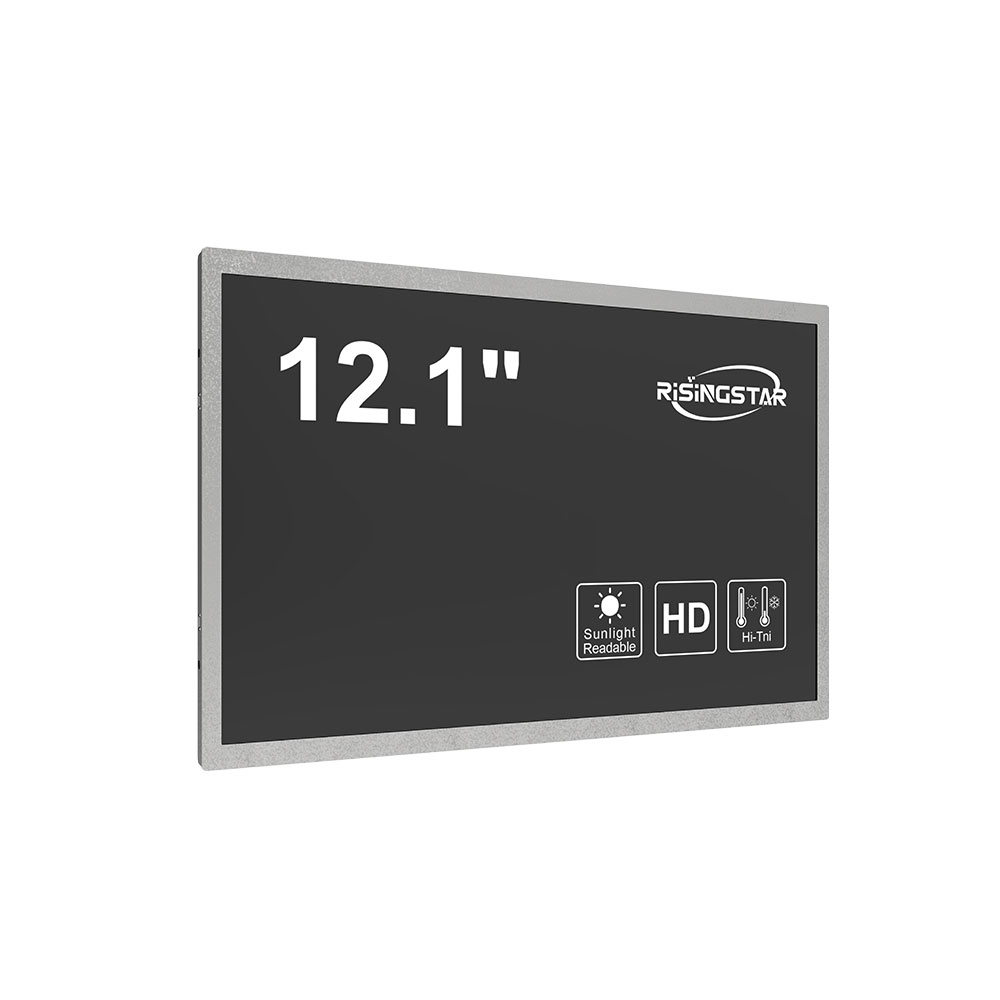
Moreover, modern 4:3 LCDs often support wide temperature ranges (-30°C to +70°C), making them suitable for deployment in Arctic research stations or desert-based surveillance units. A 2023 report from the International Liquid Crystal Society (ILCS) highlighted how newer polarizer films and enhanced diffuser sheets have reduced internal reflections by over 40%, significantly improving contrast ratios in direct sunlight—a critical metric for readability.
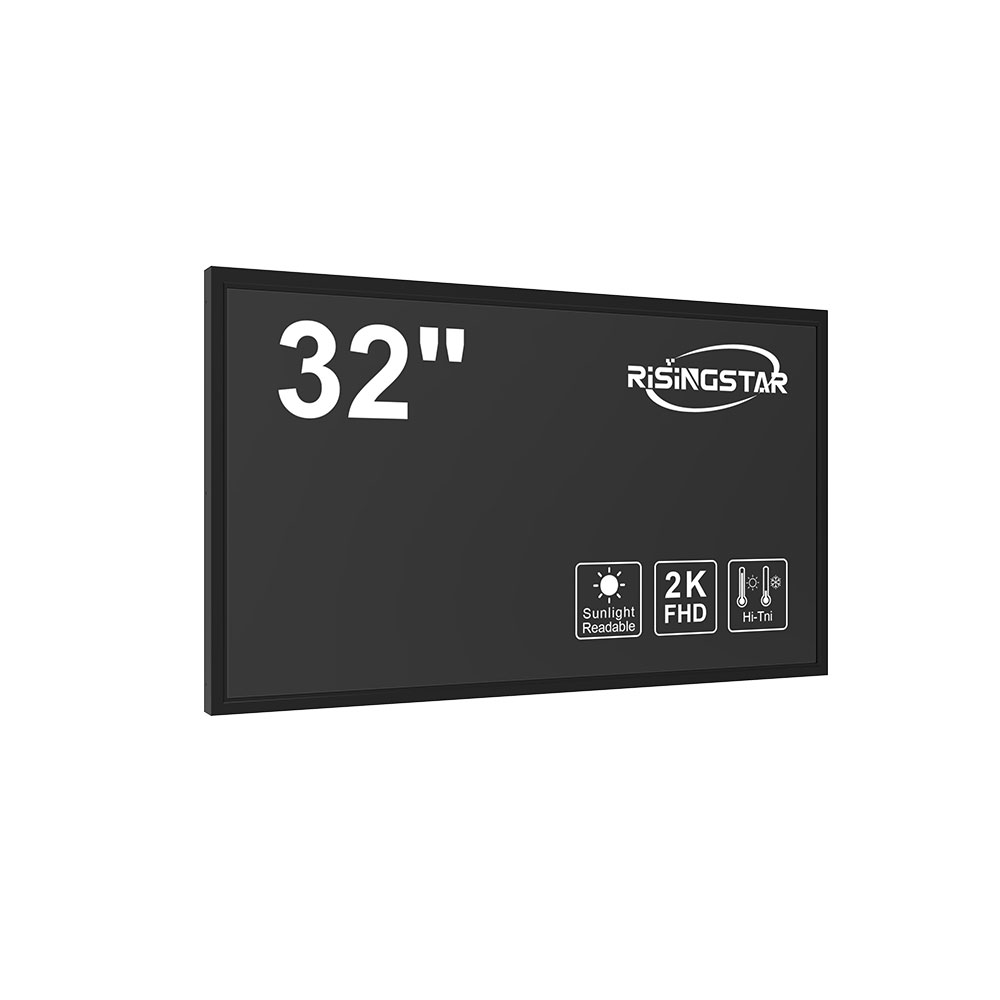
When selecting a display for such applications, it's vital to verify compliance with industry standards like EN 60950-1 (safety), EN 61000-6-2 (electromagnetic compatibility), and ISO 16750 (automotive environmental testing). Additionally, manufacturers should provide detailed datasheets outlining peak brightness (measured in nits), viewing angles (typically ≥160°), response time (<16ms), and color accuracy (ΔE< 3).
In summary, high-brightness 4:3 LCDs in 15", 17", and 19" formats are indispensable for professional and industrial users demanding reliable performance in challenging environments. Their combination of optical engineering, ruggedization, and energy-efficient design makes them a strategic choice for any application where visibility and durability are non-negotiable.