RisingStar
- Home
- About Us
- Products
- News
- Video
- Contact
- Send Inquiry
Search
- Home
- About Us
- Products
- News
- Video
- Contact
- Send Inquiry
RisingStar
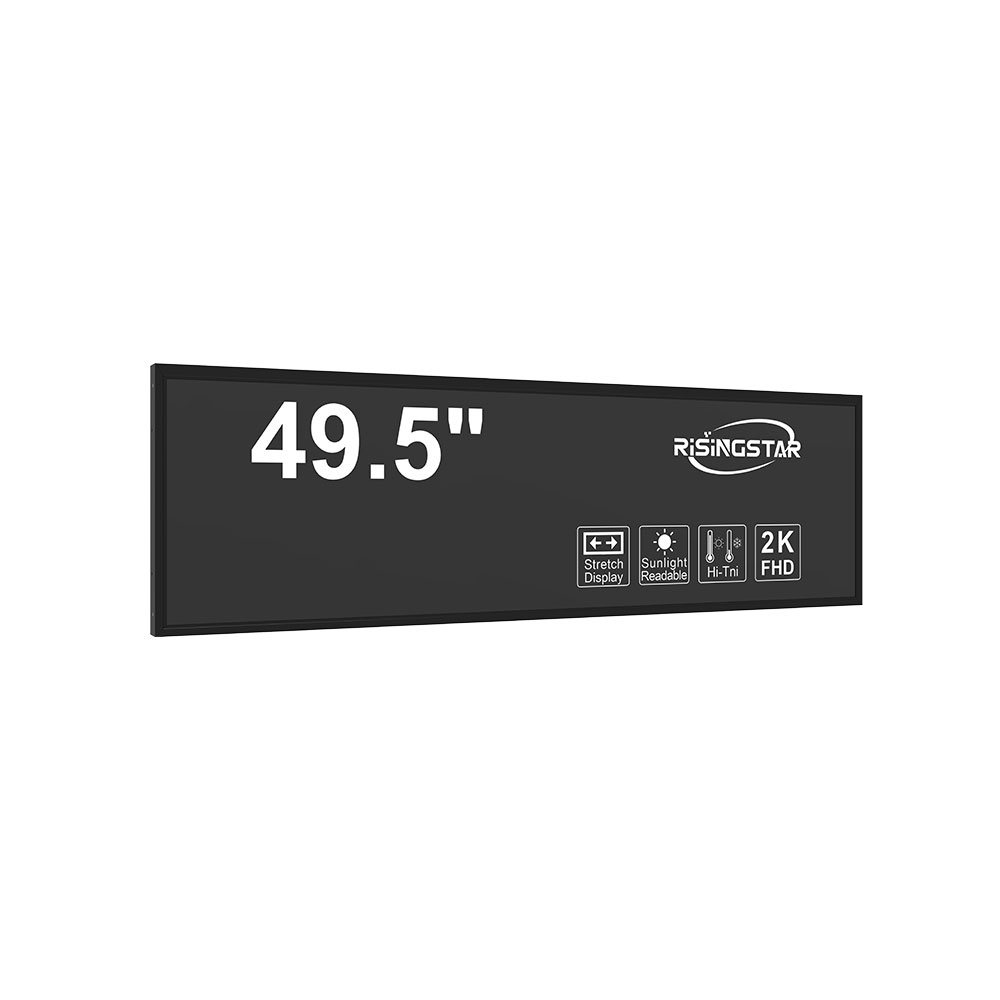
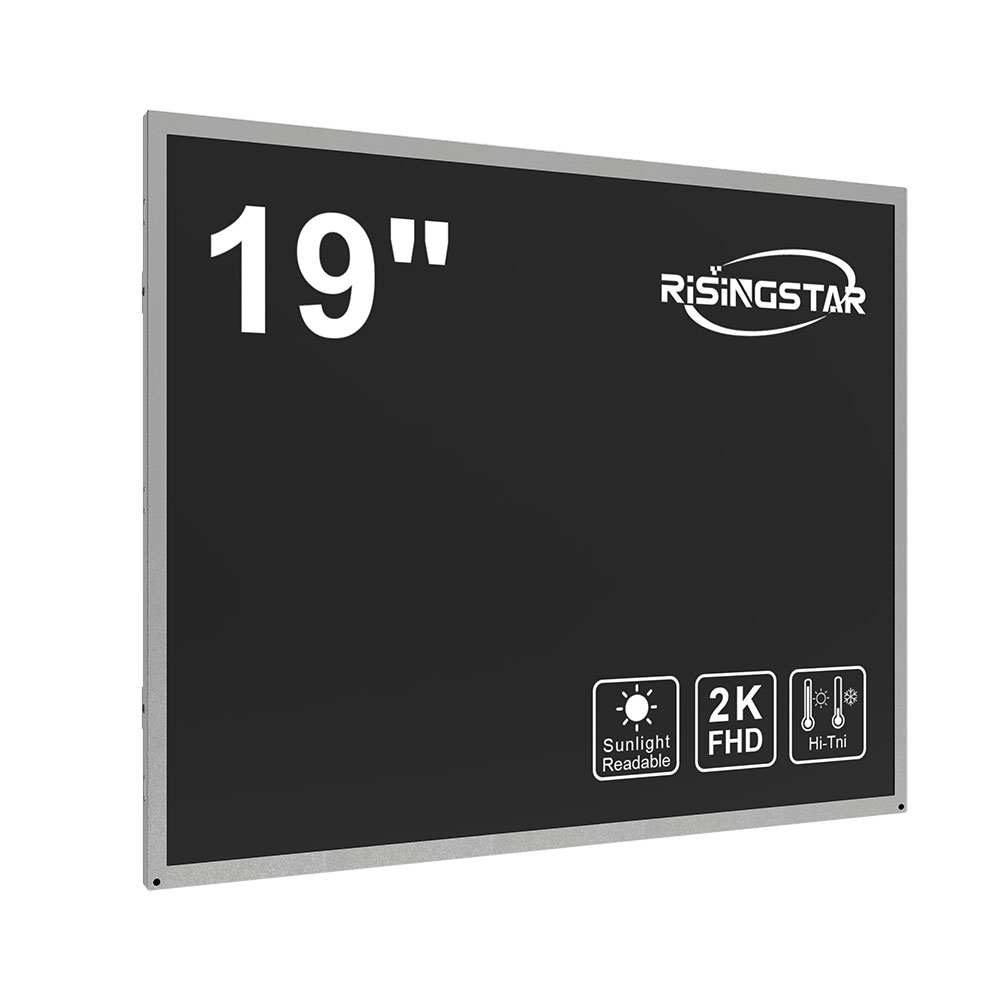
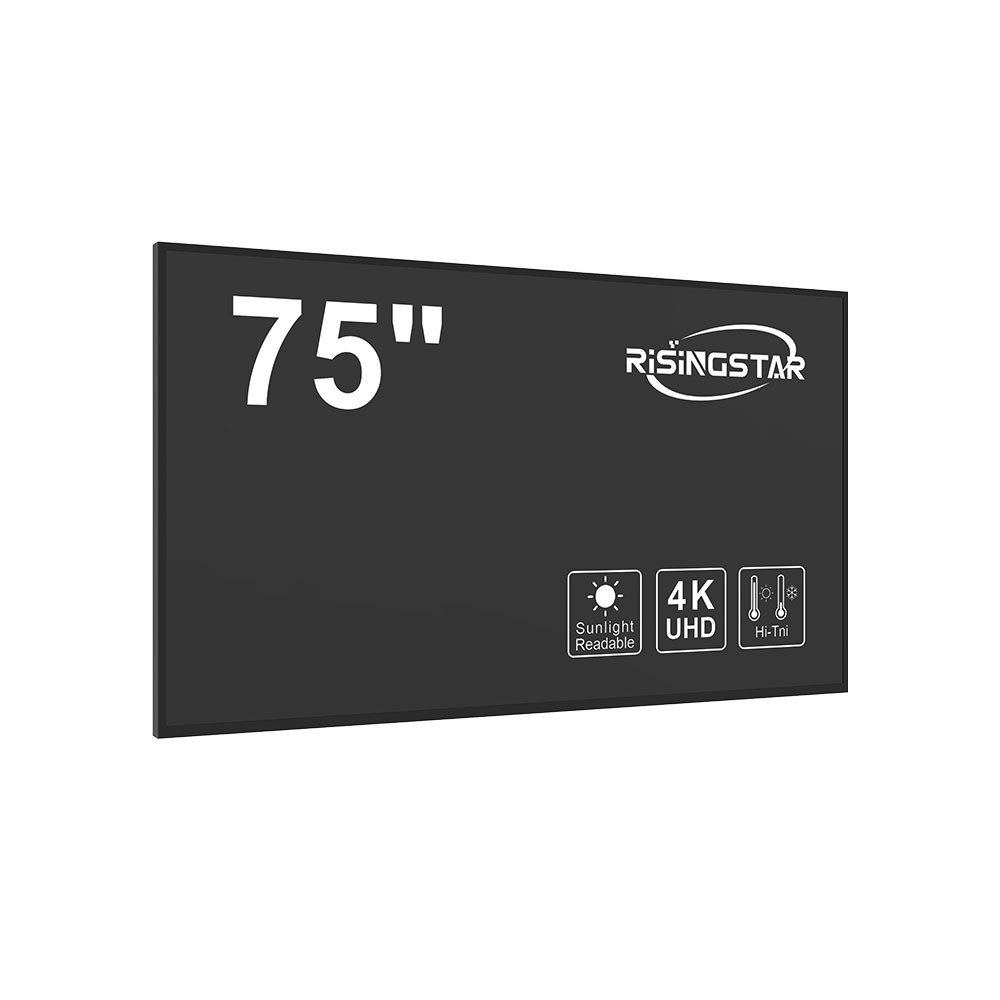
High-brightness, sunlight-readable LCD displays are essential components in modern outdoor and transit environments where visibility under direct sunlight is critical. These displays are engineered with advanced technologies such as high-luminance backlighting (typically 5,000 to 10,000 cd/m²), anti-glare coatings, wide viewing angles, and adaptive brightness control to ensure legibility even in harsh lighting conditions. According to the International Electrotechnical Commission (IEC) standard IEC 62389, sunlight-readable displays must maintain readability at ambient light levels up to 100,000 lux—commonly found in midday sun or reflective urban settings.
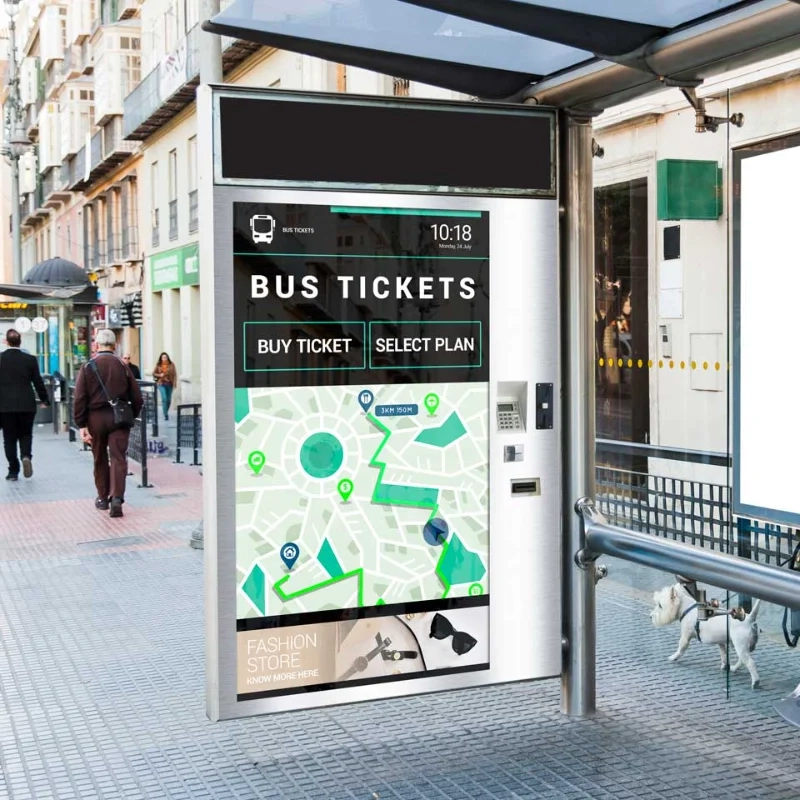
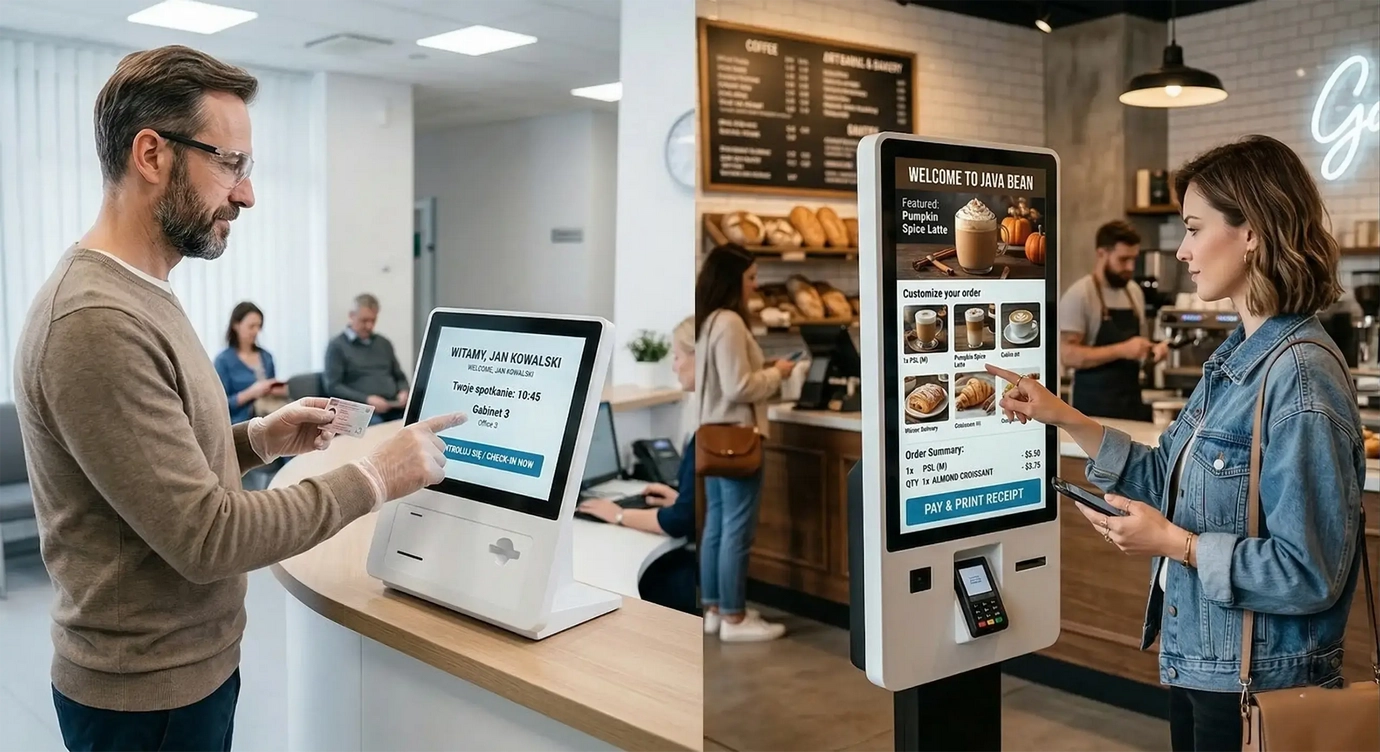
In railway and public transport applications—including trains, buses, subways, and intercity rail systems—these displays provide real-time passenger information such as schedules, delays, route maps, and safety announcements. For example, Siemens Mobility and Alstom have adopted 7,000 cd/m²+ displays in their train control panels and onboard digital signage to improve passenger experience and operational efficiency. In EV charging kiosks and gas pumps, high-brightness LCDs enhance usability by allowing drivers to navigate menus and payment options without squinting or moving to shaded areas—a key design consideration highlighted in a 2023 study published in IEEE Transactions on Human-Machine Systems.
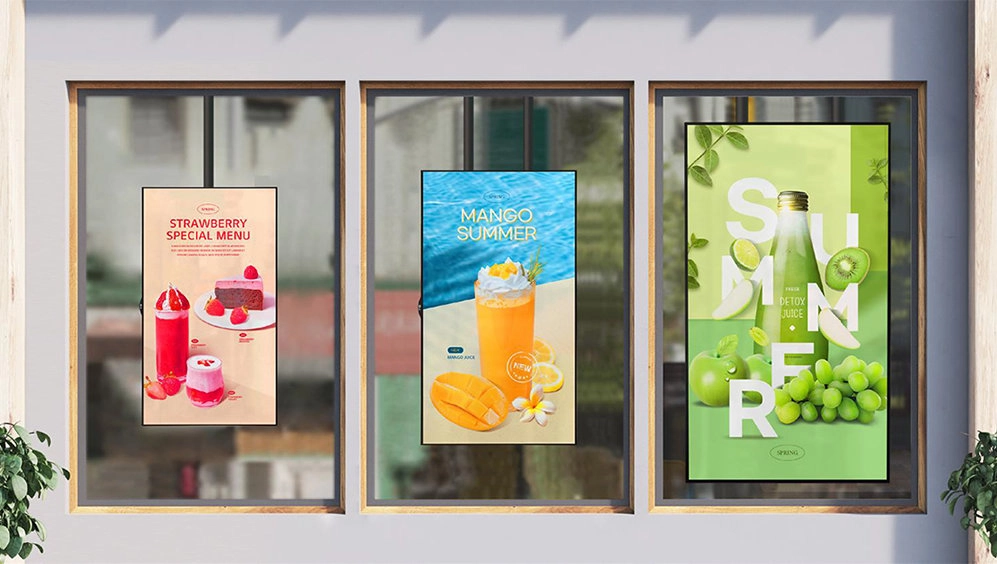
Outdoor digital signage in retail, real estate, and municipal environments also relies heavily on these displays. Companies like LG and Sharp produce industrial-grade LCD panels rated IP65 or higher for dust and water resistance, enabling reliable operation in rain, snow, or extreme heat. In retail settings, digital signage powered by high-brightness displays increases engagement—data from Retail TouchPoints shows that well-lit digital screens can boost foot traffic by up to 30% in sunny locations. Real estate firms now use them for dynamic property listings on-site, improving conversion rates through clear, attention-grabbing visuals even during peak daylight hours.
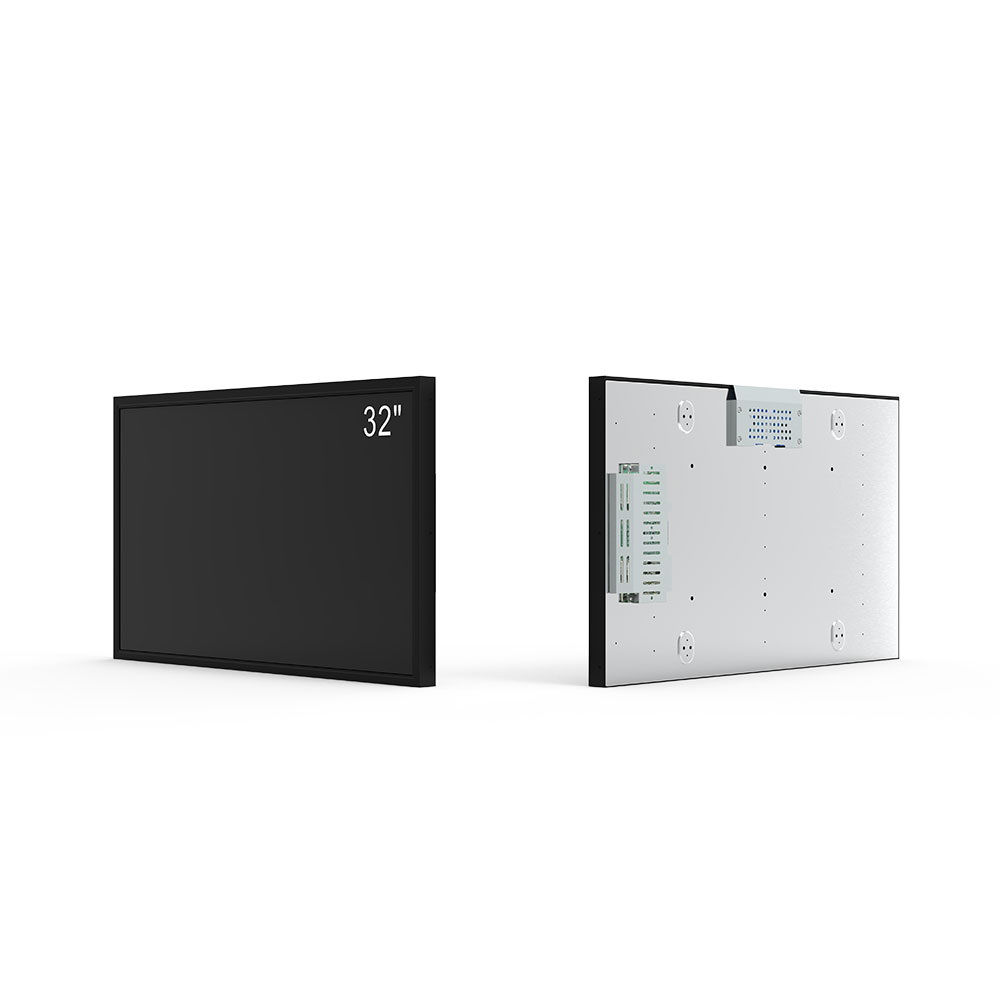
The technology behind these displays includes transflective liquid crystal layers, which combine transmission and reflection modes for optimal performance in both bright and low-light environments. Additionally, embedded ambient light sensors adjust screen brightness dynamically, reducing power consumption while maintaining visibility—a feature increasingly required by energy standards such as ENERGY STAR and EU Ecodesign Directive. Case studies from New York City Transit and Tokyo Metro confirm that replacing legacy displays with high-brightness alternatives reduced maintenance costs by 40% over five years due to improved durability and fewer user complaints about unreadability.
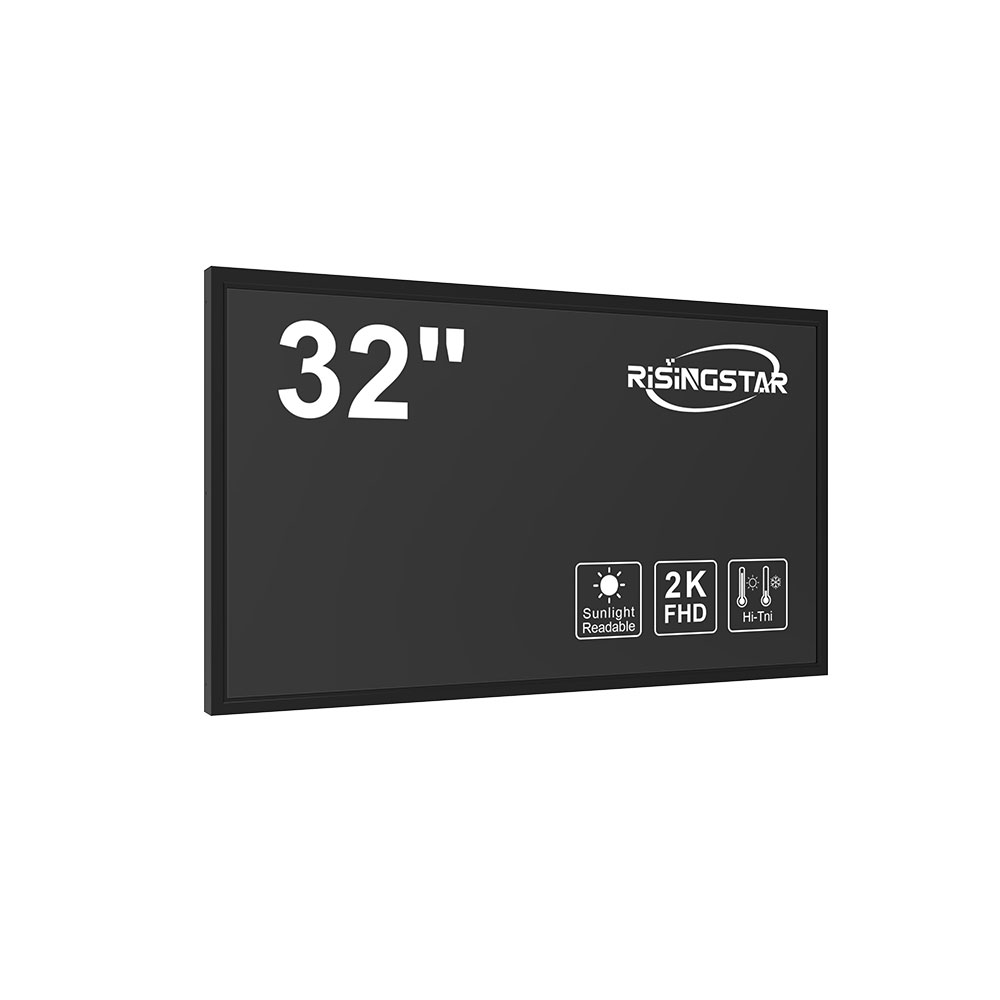
As global demand grows for smart infrastructure and real-time communication systems, high-brightness sunlight-readable LCDs remain indispensable. Their role extends beyond convenience—they support accessibility, safety, and operational efficiency across industries. With continued innovation in materials science and display engineering, future models will likely achieve even higher luminance, lower power draw, and better color accuracy in extreme conditions.