RisingStar
- Home
- About Us
- Products
- News
- Video
- Contact
- Send Inquiry
Search
- Home
- About Us
- Products
- News
- Video
- Contact
- Send Inquiry
RisingStar
High-brightness sunlight-readable LCD screens are critical components in modern outdoor display systems, especially in environments where visibility under direct sunlight is essential. These displays are engineered to maintain clarity, contrast, and color accuracy even under extreme lighting conditions—such as full sun exposure at 10,000 lux or higher. Unlike standard LCDs that become washed out in daylight, high-brightness sunlight-readable LCDs use advanced backlighting technologies, anti-glare coatings, and optimized panel designs to ensure optimal performance in bright ambient light.
The core technology behind these screens lies in achieving a brightness level of at least 3,000 nits (cd/m²), with premium models reaching up to 15,000 nits. This is achieved through high-efficiency LED backlights, often using RGB or white LEDs arranged in a matrix configuration for uniform illumination. Manufacturers like LG Display, Sharp, and Samsung have pioneered the development of such panels by integrating local dimming zones, which dynamically adjust brightness per section of the screen to reduce power consumption while enhancing contrast.
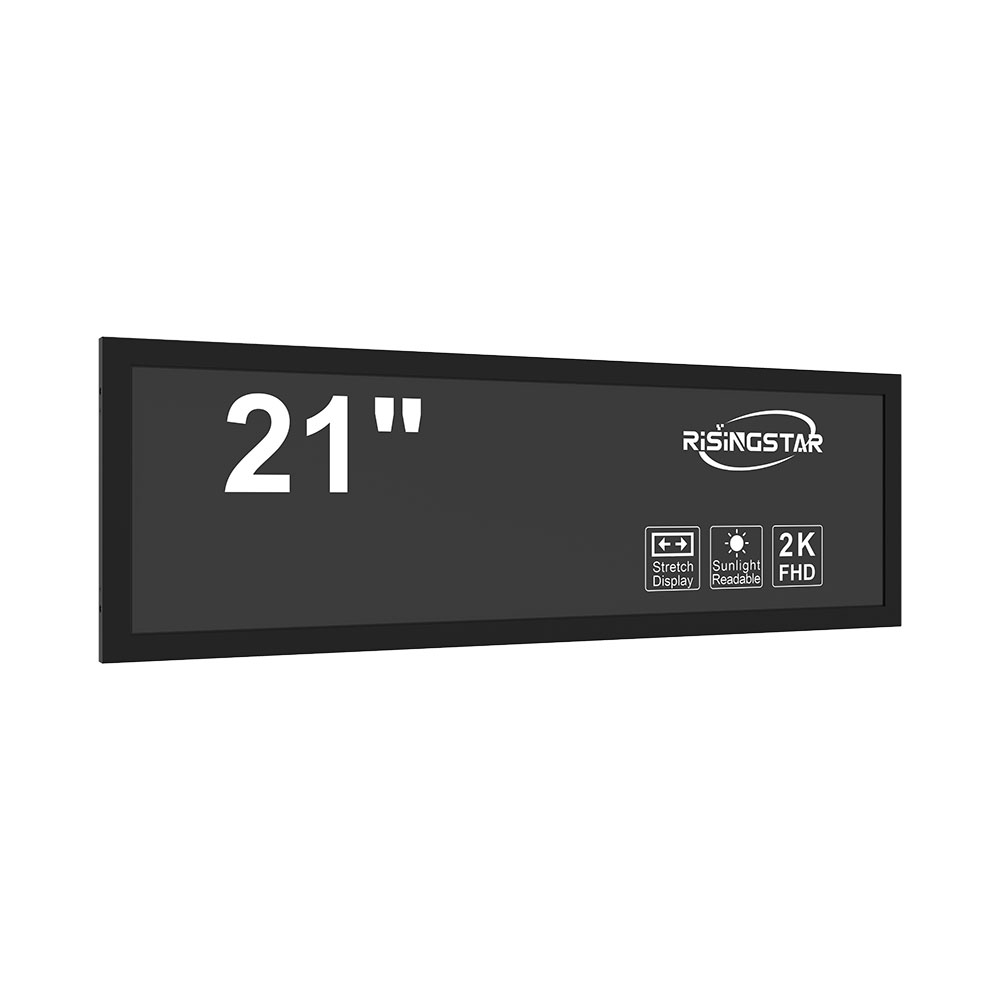
In addition to brightness, sunlight readability depends on optical enhancements. Anti-reflection (AR) coatings, micro-louver filters, and polarized films reduce surface reflections and improve contrast ratios—often exceeding 1000:1 even in direct sunlight. Some manufacturers also incorporate transmissive liquid crystal cells with high light utilization efficiency (LUE), ensuring that more light reaches the viewer rather than being absorbed by the panel structure.
Applications span military, transportation, industrial, and commercial sectors. For instance, military vehicles utilize ruggedized sunlight-readable LCDs for command-and-control interfaces, where reliability and readability under combat conditions are paramount. In aviation, cockpit displays must remain legible during takeoff and landing when sunlight intensity fluctuates rapidly. Similarly, public transit systems—including buses, trains, and subways—use these displays for real-time information updates, enabling passengers to read schedules clearly regardless of weather or time of day.
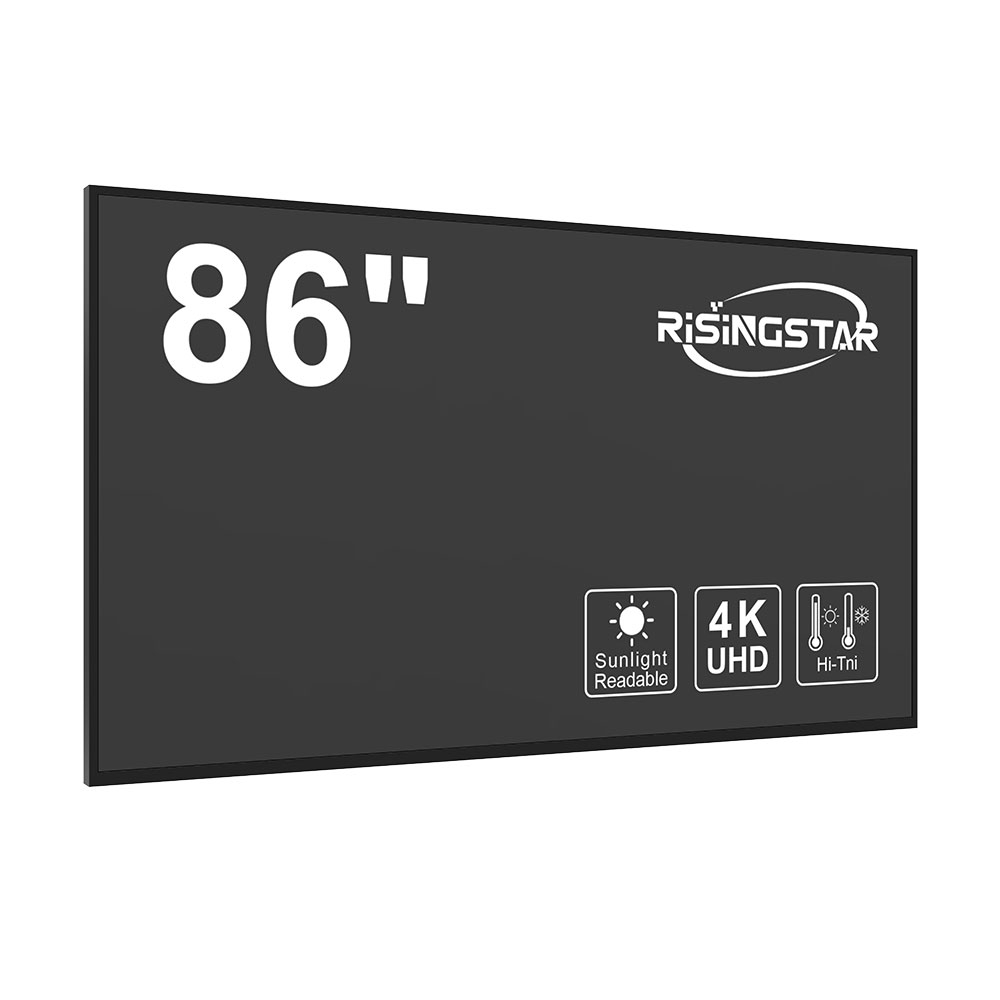
Case studies from companies like Calex Technologies and ELO Touch Solutions demonstrate that implementing high-brightness LCDs in outdoor kiosks can increase user engagement by up to 40% compared to standard displays. Additionally, the integration of IP65-rated enclosures and wide operating temperature ranges (-30°C to +70°C) ensures long-term durability in harsh environments.
Standards such as MIL-STD-810G for environmental resistance and IEC 60950-1 for electrical safety guide product development. Furthermore, compliance with RoHS and REACH regulations ensures sustainable manufacturing practices.
For engineers and system integrators, selecting the right high-brightness LCD requires evaluating not only peak brightness but also viewing angle, response time, power efficiency, and mechanical robustness. Future trends include the adoption of OLED-based sunlight-readable displays for better contrast and thinner form factors, though current cost and lifetime limitations make LCD the dominant choice for most outdoor applications.