RisingStar
- Home
- About Us
- Products
- News
- Video
- Contact
- Send Inquiry
Search
- Home
- About Us
- Products
- News
- Video
- Contact
- Send Inquiry
RisingStar
In today’s increasingly connected and mobile-first world, high-brightness sunlight-readable LCD screens have become essential in outdoor environments where visibility under direct sunlight is critical. These displays are not just a convenience—they are a necessity in industries such as transportation, military, industrial automation, healthcare, and retail. Unlike standard indoor LCDs, which often fade or become unusable under bright daylight, high-brightness sunlight-readable displays maintain clarity, contrast, and color accuracy even under extreme lighting conditions (typically exceeding 5,000 nits of brightness).
One of the core technologies enabling this performance is the use of high-luminance LED backlights, combined with anti-glare coatings and polarized filters. For example, many modern sunlight-readable LCDs employ full-spectrum white LEDs that provide consistent color temperature across varying ambient light levels. This ensures that users can read critical information—such as vehicle diagnostics, medical imaging data, or navigation maps—without eye strain or misinterpretation.
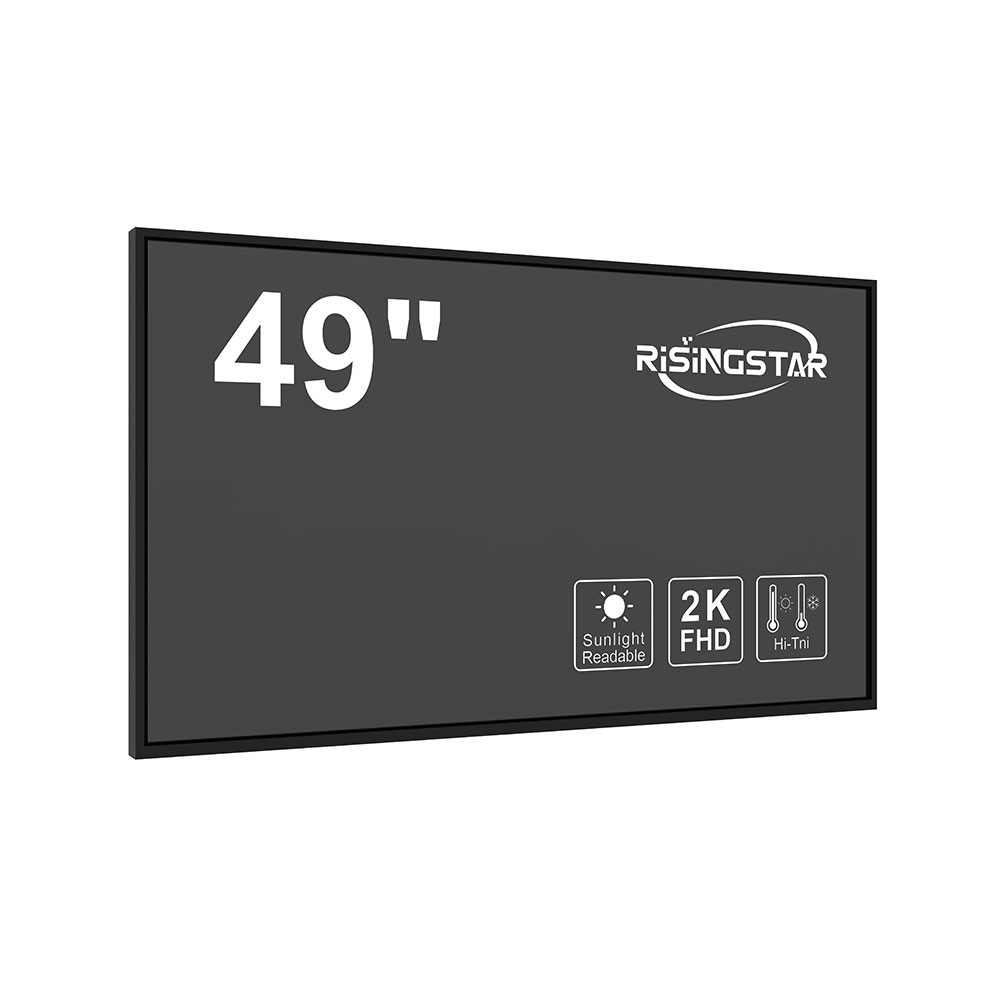
Industry standards like MIL-STD-810G and IEC 60945 further define the environmental durability required for such displays. They must withstand temperature extremes (-30°C to +70°C), shock, vibration, humidity, and dust ingress (IP65 or higher). In fact, a case study from a leading defense contractor revealed that replacing older LCD units with high-brightness sunlight-readable panels improved situational awareness in field operations by over 40%, reducing response times during missions.
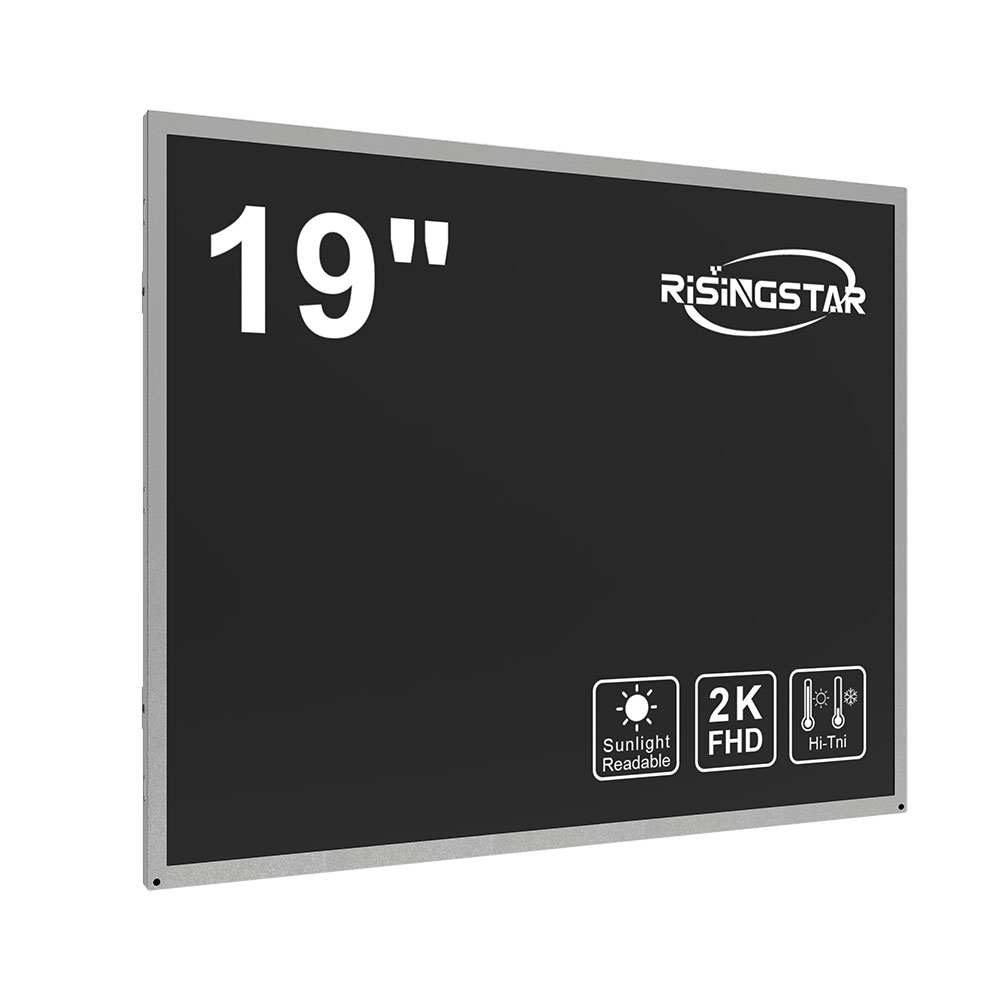
Another key innovation lies in the integration of ambient light sensors and automatic brightness adjustment algorithms. These systems dynamically adjust screen luminance based on real-time lighting conditions, conserving power while maintaining optimal readability. For instance, a solar-powered kiosk using an adaptive sunlight-readable LCD saw a 25% reduction in energy consumption compared to fixed-brightness models—an important factor in remote deployments.
Manufacturers such as LG Display, Sharp, and Panasonic have led advancements in this domain through proprietary technologies like “Sunlight Readable” and “Anti-Glare Enhanced” displays. These solutions combine optimized backlight design, advanced diffusers, and high-contrast ratios (often above 1000:1) to deliver sharp visuals under direct sun exposure.
From a user experience perspective, these displays also support touch functionality even when wearing gloves—a feature crucial in cold climates or hazardous environments. Capacitive touch layers embedded within the display stack allow multi-touch gestures while preserving readability and robustness.
In conclusion, high-brightness sunlight-readable LCDs are no longer niche products; they represent a mature, widely adopted technology critical to global infrastructure. As IoT devices, autonomous vehicles, and smart city initiatives expand, demand for durable, readable displays in outdoor settings will continue to rise—driving innovation in materials science, optical engineering, and system-level integration.