RisingStar
- Home
- About Us
- Products
- News
- Video
- Contact
- Send Inquiry
Search
- Home
- About Us
- Products
- News
- Video
- Contact
- Send Inquiry
RisingStar
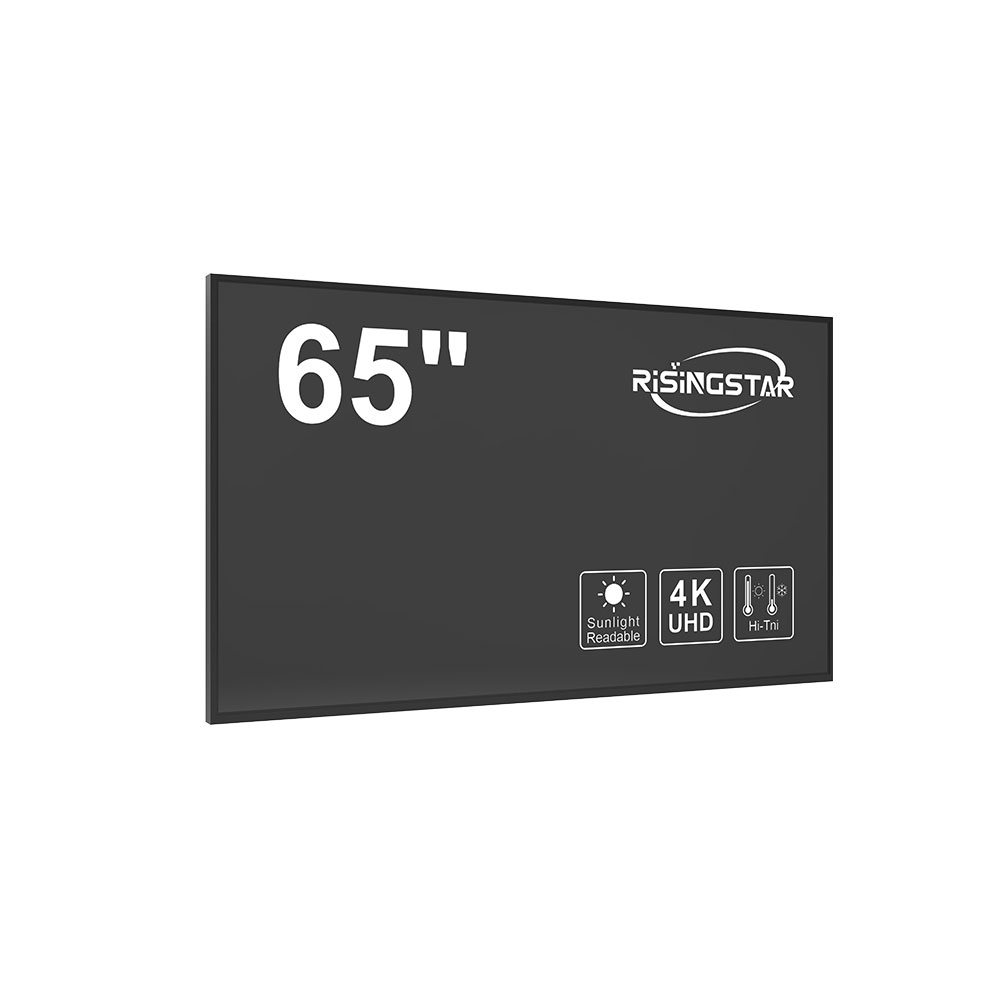
High-brightness sunlight-readable LCD displays are essential in environments where visibility under direct sunlight is critical, such as military vehicles, industrial control panels, outdoor kiosks, and public transportation systems. These displays typically operate at brightness levels of 5,000 to 10,000 nits—far exceeding standard indoor LCDs that average 300–500 nits. The high luminance ensures clarity even in extreme lighting conditions, making them indispensable in applications like solar-powered monitoring stations, construction site dashboards, and aviation cockpit instruments.
A key advantage of these displays is their superior contrast ratio and anti-glare coatings, which reduce reflections and enhance readability without increasing power consumption significantly. Many models use transflective technology—a hybrid between transmissive and reflective modes—that allows them to function efficiently in both bright daylight (using ambient light) and low-light conditions (with backlighting). This dual-mode functionality reduces energy usage by up to 40%, a major benefit for battery-operated devices in remote locations.
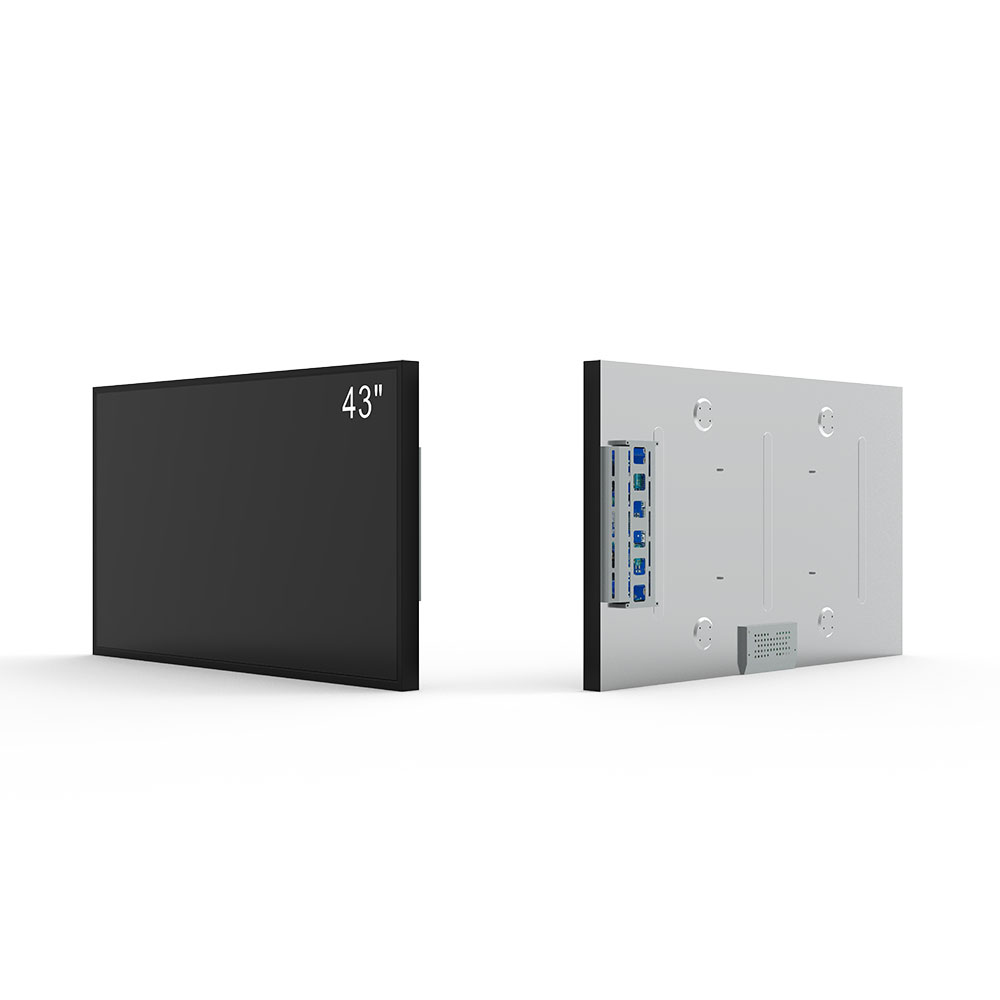
Practical applications span across sectors. In the defense industry, MIL-STD-810 compliance ensures ruggedness against shock, vibration, and temperature extremes. For example, the U.S. Army’s AN/PSQ-20 Enhanced Night Vision Device incorporates high-brightness LCDs for mission-critical operations in variable lighting. In the transportation sector, companies like Siemens and Hitachi use these screens in train control interfaces and airport information boards, where reliability and legibility are non-negotiable.
Common problems include reduced lifespan due to prolonged exposure to UV radiation and thermal stress. To mitigate this, manufacturers now incorporate UV-stabilized polymers and advanced heat dissipation designs. Another challenge is the cost—these displays can be 2–5 times more expensive than standard units—but ROI is often justified through increased operational uptime and reduced maintenance in harsh environments.
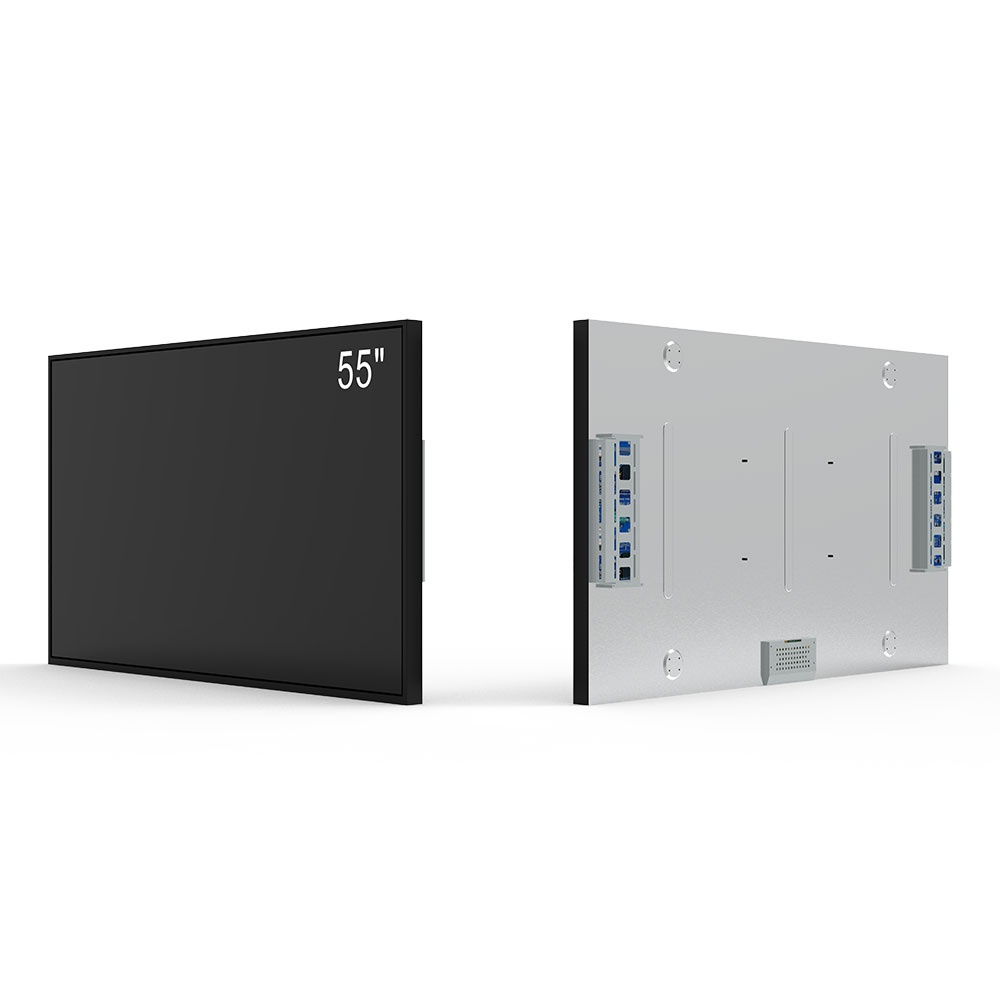
Latest trends show a shift toward mini-LED backlights and OLED-based sunlight-readable panels. Mini-LED offers better local dimming and higher peak brightness (up to 15,000 nits), while emerging micro-LED and flexible OLED solutions promise lighter weight and improved durability. Additionally, AI-driven adaptive brightness control is being integrated into new designs, allowing real-time luminance adjustment based on ambient light sensors and user behavior patterns.
These innovations align with global standards like ISO 16750 (for automotive electronics) and IEC 60945 (marine equipment), ensuring interoperability and safety. As industries move toward automation and IoT integration, high-brightness sunlight-readable LCDs remain a cornerstone of human-machine interface (HMI) design in demanding outdoor and industrial settings.