RisingStar
- Home
- About Us
- Products
- News
- Video
- Contact
- Send Inquiry
Search
- Home
- About Us
- Products
- News
- Video
- Contact
- Send Inquiry
RisingStar
High-brightness sunlight-readable LCD screens are critical components in modern outdoor electronic systems, especially in military, industrial, transportation, and public information applications. Unlike standard LCDs that struggle under direct sunlight due to low contrast and visibility, these specialized displays are engineered to maintain readability even under intense solar irradiance—often exceeding 100,000 lux. Their design incorporates advanced optical technologies, high-luminance backlighting, anti-reflective coatings, and adaptive brightness control to ensure consistent performance across varying environmental conditions.
The introduction of these displays began in the early 2000s, driven by the need for ruggedized electronics in defense and aviation sectors. Today, they are essential in automotive dashboards, utility metering, kiosks, and mobile command units. According to a 2023 report by MarketsandMarkets, the global sunlight-readable display market is projected to reach $5.6 billion by 2028, growing at a CAGR of 7.2%, underscoring their increasing adoption across industries.
The main body of this technology relies on three core engineering principles: luminance optimization, contrast enhancement, and environmental resilience. High-brightness LCDs typically achieve luminance levels of 5,000 to 10,000 nits—far surpassing consumer-grade displays (250–500 nits). This is achieved using LED-based backlights with precision drivers that boost output without overheating. Additionally, polarized glass laminates and multi-layer anti-reflective coatings reduce glare by up to 90%, as validated by ISO 13406-2 standards for display readability.
Another key feature is adaptive brightness control via ambient light sensors. These sensors dynamically adjust screen brightness based on real-time lighting conditions—conserving power during low-light hours while maximizing clarity in daylight. For example, in a case study from Honeywell’s field deployment in desert environments, their sunlight-readable displays maintained over 95% readability at noon under 100,000 lux, significantly outperforming non-readability-rated alternatives.
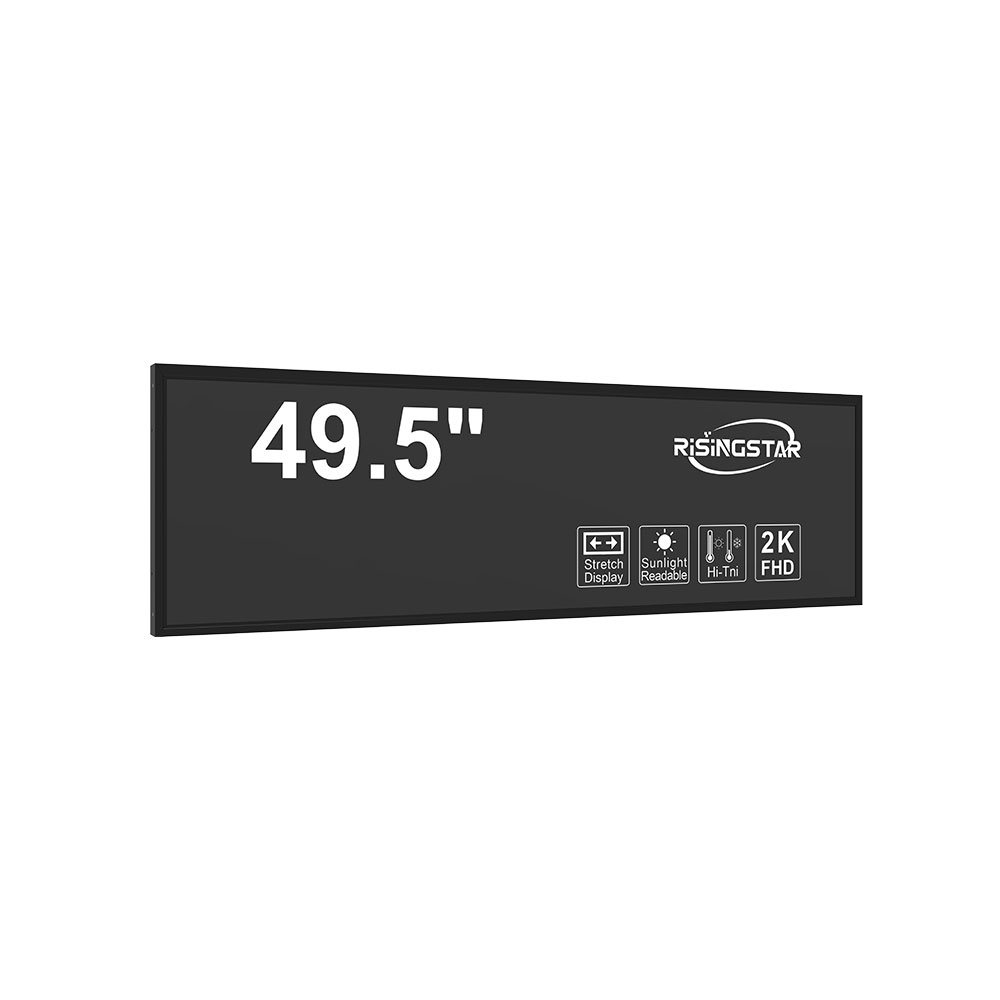
Environmental durability is also paramount. MIL-STD-810G certification ensures resistance to shock, vibration, temperature extremes (-30°C to +70°C), humidity, and dust ingress (IP65 or higher). These attributes make them ideal for maritime, mining, and construction applications where conventional screens fail within days.
In conclusion, high-brightness sunlight-readable LCDs represent a mature yet evolving segment of display technology. With ongoing innovations in OLED-based sunlight-readable panels and AI-driven dynamic contrast algorithms, future iterations promise even better energy efficiency and image quality. As global demand grows—from smart cities to autonomous vehicles—these displays will remain indispensable tools for reliable human-machine interaction in any environment.