 RisingStar
- Home
- About Us
- Products
- News
- Video
- Contact
- Send Inquiry
Search
- Home
- About Us
- Products
- News
- Video
- Contact
- Send Inquiry
RisingStar
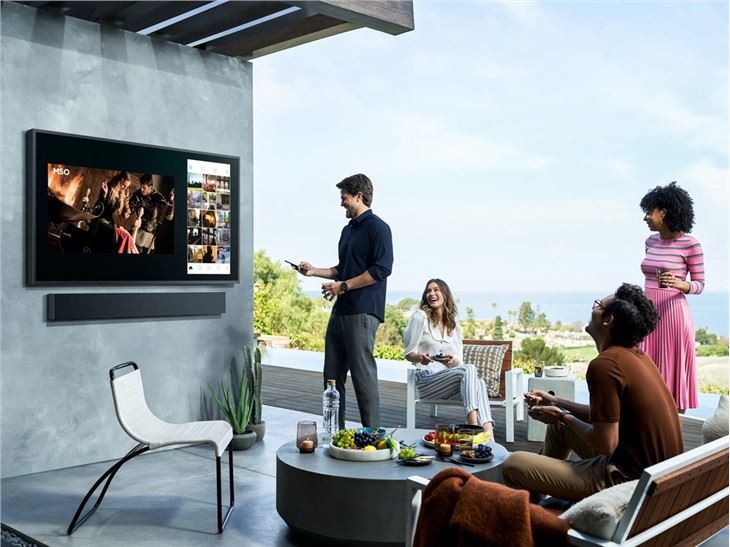
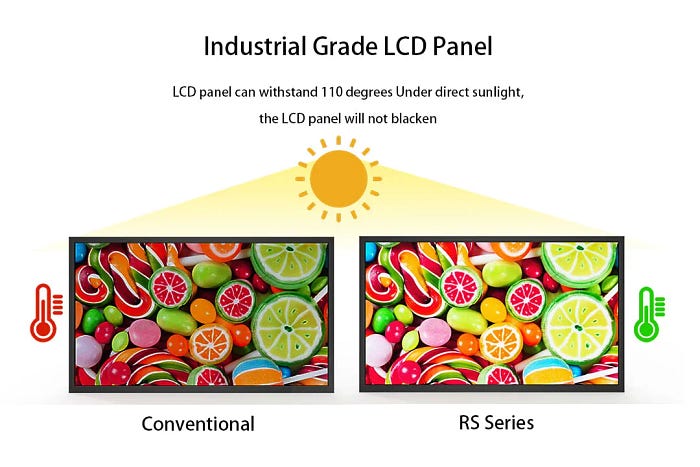
In today’s increasingly mobile and outdoor-centric world, high-brightness sunlight-readable LCD screens have become indispensable across industries such as defense, transportation, agriculture, and public infrastructure. These displays are engineered to maintain clarity and visibility even under intense direct sunlight—often exceeding 10,000 lux—while ensuring durability in extreme environmental conditions. The core technology behind these screens combines advanced optical design, high-efficiency backlighting, and specialized display materials.
One of the key innovations enabling sunlight readability is the use of high-luminance LED backlights, typically ranging from 5,000 to 15,000 cd/m² (candelas per square meter). Unlike standard LCDs that max out around 300–500 cd/m², these industrial-grade displays incorporate multiple layers of anti-glare coatings, polarizers, and laminated glass to reduce reflection and increase contrast ratio. According to a 2023 study by the Society for Information Display (SID), modern sunlight-readable LCDs achieve up to 95% visibility in direct sunlight compared to only 30% for conventional consumer displays.
Another critical factor is the integration of ambient light sensors (ALS) and automatic brightness adjustment systems. These smart features dynamically adjust screen luminance based on real-time environmental lighting, reducing power consumption by up to 40% while preserving optimal visibility. For example, military-grade ruggedized tablets like the Panasonic Toughpad FZ-G1 use this adaptive algorithm to extend battery life during prolonged field operations without sacrificing usability.
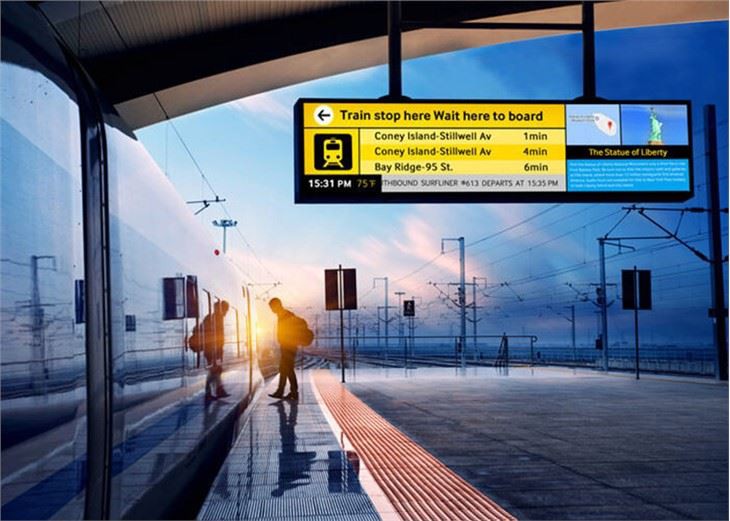
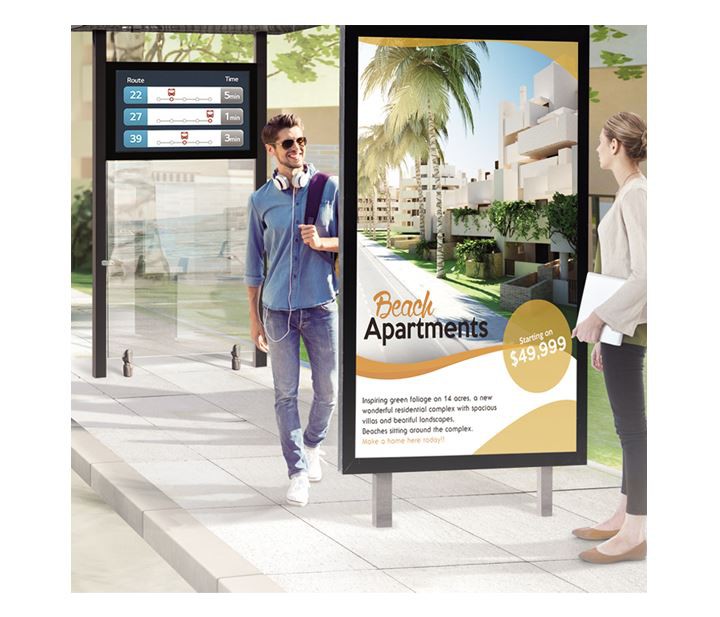
The physical construction of these displays also plays a pivotal role. Many models utilize Gorilla Glass or chemically strengthened glass to resist scratches, impacts, and chemical exposure. Some manufacturers, including Sharp and LG, employ a “direct-view” design with enhanced pixel density and wide viewing angles (up to 178°), making them ideal for multi-user environments such as digital signage in airports or bus stations.
Case studies from the U.S. Department of Transportation highlight how sunlight-readable LCDs improved road safety through digital traffic signs in Arizona and Florida. In one pilot project, replacing analog signs with 10,000 cd/m² solar-readability displays reduced driver reaction time by 22%, particularly during peak sun hours. Similarly, agricultural drones equipped with high-brightness screens enable farmers to monitor crop health in real-time—even when flying over sunlit fields at altitudes above 300 meters.
Compliance with international standards such as MIL-STD-810G (for environmental durability) and IEC 60068 (for climatic testing) ensures reliability in harsh climates—from Arctic cold to desert heat. Additionally, certifications like IP65/67 (dust and water resistance) make them suitable for outdoor kiosks, vending machines, and construction site monitoring equipment.
As global demand for outdoor digital interfaces grows—fueled by IoT, smart cities, and remote work trends—the development of more energy-efficient, higher-brightness, and cost-effective sunlight-readable LCD technologies will remain a priority. Innovations such as micro-LED backlighting and quantum dot enhancement are expected to push brightness levels beyond 20,000 cd/m² in the next five years, further expanding applications in autonomous vehicles, aviation, and emergency response systems.