RisingStar
- Home
- About Us
- Products
- News
- Video
- Contact
- Send Inquiry
Search
- Home
- About Us
- Products
- News
- Video
- Contact
- Send Inquiry
RisingStar
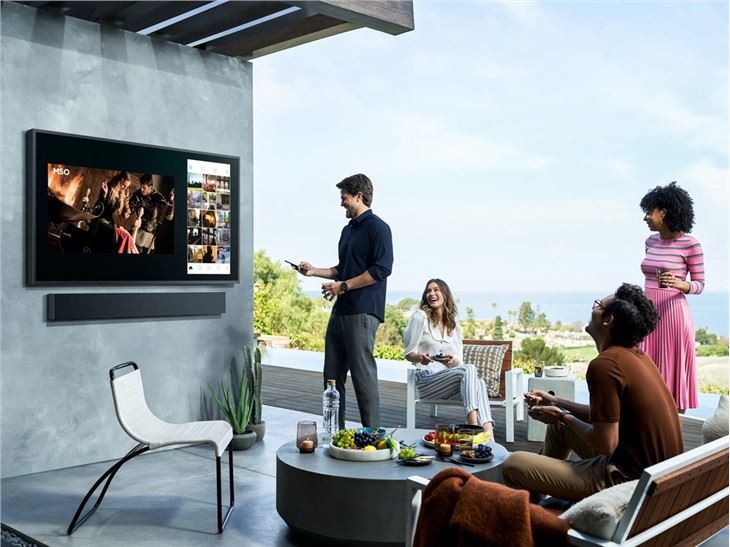
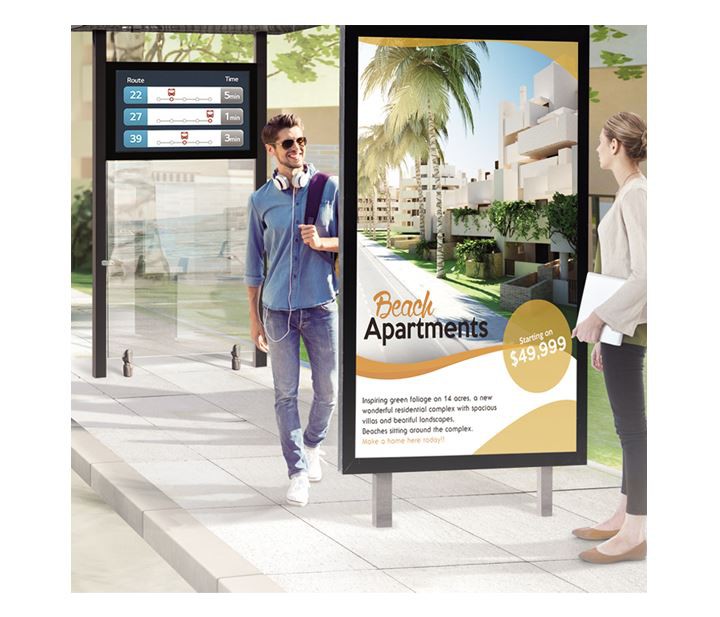
Sunlight-readable LCD screens have become essential in industrial, military, medical, transportation, and outdoor applications where visibility under direct sunlight is critical. These displays are engineered to maintain clarity, contrast, and color accuracy even in extreme lighting conditions—ranging from 10,000 lux in full daylight to low ambient light indoors. Among the most widely adopted aspect ratios for these high-brightness screens is 16:9, which aligns with modern video content standards and offers optimal space utilization across multiple industries.
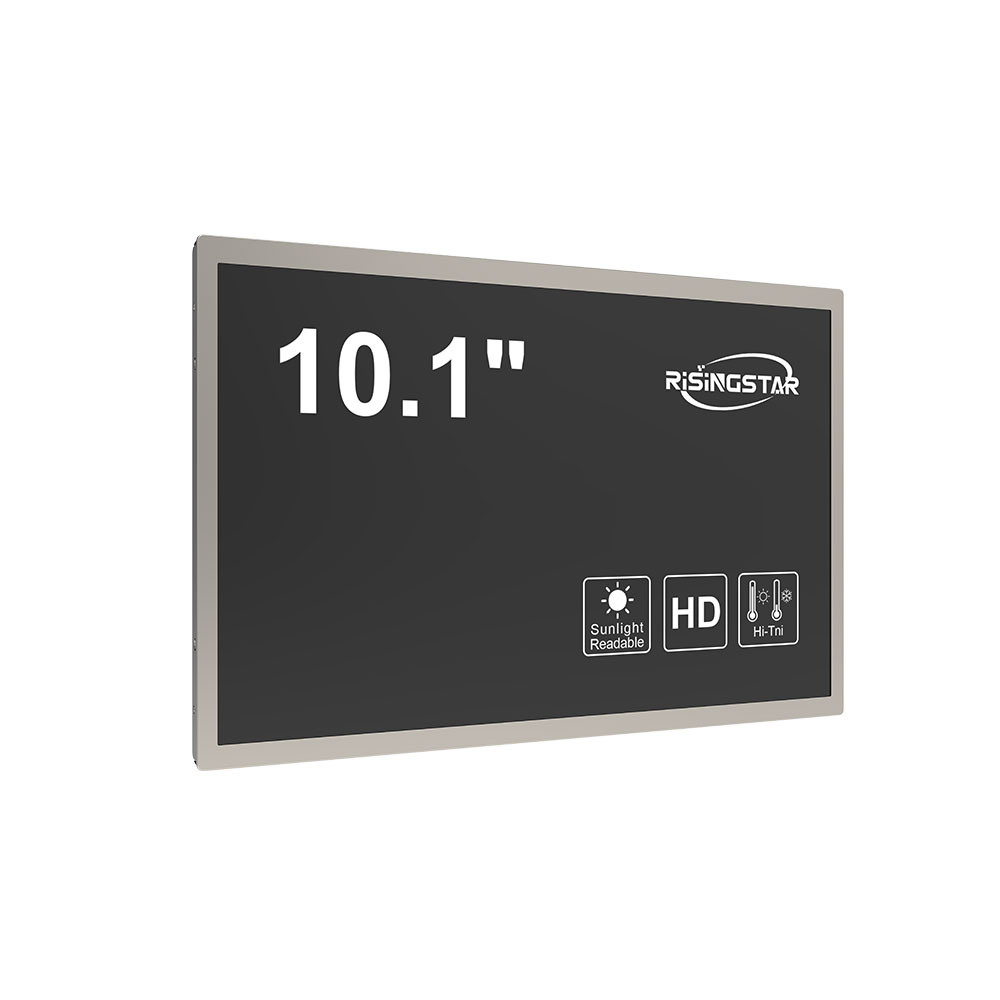
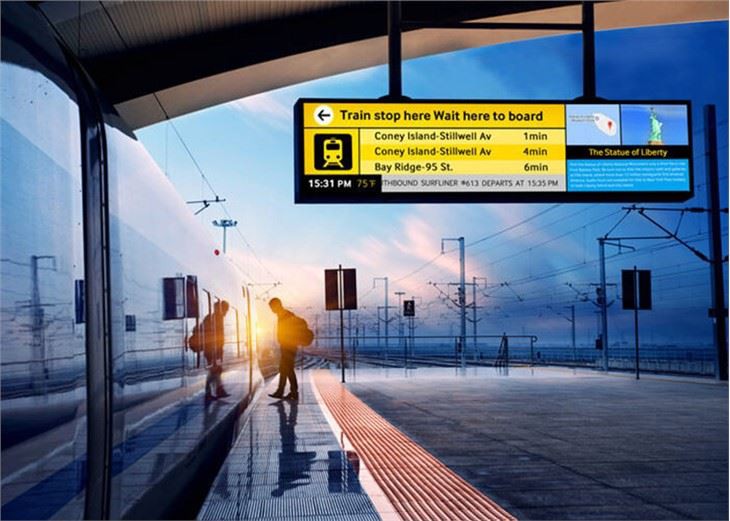
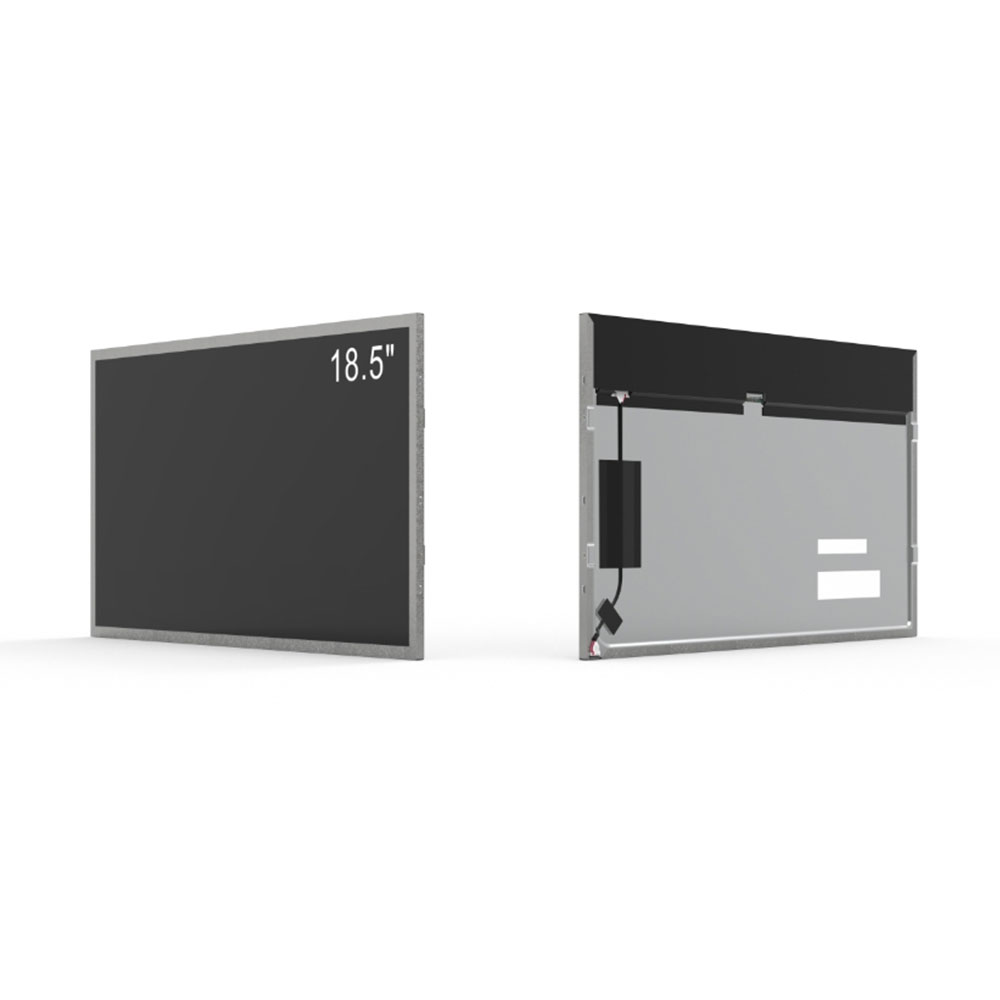
Common display sizes for sunlight-readable LCDs include 10.1", 13.3", 15.6", 18.5", 21.5", 23.8", 27", 32", 43", 46", 49", 55", 65", 75", 86", 98", and 110". Each size serves a specific use case: smaller units like 10.1" and 13.3" are ideal for portable field devices, handheld controllers, and embedded systems; mid-sized panels (15.6"–27") dominate in vehicle dashboards, kiosks, and factory automation; while large formats (32"–110") are used in command centers, digital signage, and public information systems. According to a 2023 market report by MarketsandMarkets, the global sunlight-readable display market is projected to grow at a CAGR of 7.3% through 2028, driven by demand in defense, aerospace, smart cities, and autonomous vehicles.
The core technologies behind high-brightness sunlight-readable LCDs include transmissive backlighting with brightness levels up to 5,000 nits (standard LCDs typically max out at 1,000–2,000 nits), anti-glare coatings, wide viewing angles (up to 178°), and specialized panel types such as IPS (In-Plane Switching) or VA (Vertical Alignment). Advanced features like automatic brightness control (ABC), polarization filters, and reflective polarizers further enhance performance in variable lighting environments. For instance, a 55" 16:9 sunlight-readable display installed in an outdoor traffic monitoring system must maintain readability at 10,000 lux while consuming minimal power—achieving this balance requires optimized LED backlights and low-power consumption drivers.
Industry standards such as MIL-STD-810G (for ruggedness) and EN 60068 (for environmental stress resistance) ensure reliability in harsh conditions. Case studies from companies like Sharp, LG Display, and Eizo demonstrate that combining high peak brightness (often 3,000–5,000 nits), durable housing materials (IP65/IP67-rated enclosures), and thermal management solutions enables reliable operation in temperatures from -20°C to +70°C. In the automotive sector, 15.6" and 17.3" displays are now standard in electric vehicle infotainment systems due to their ability to remain readable under bright sun exposure without glare distortion.
These displays are also increasingly being integrated into IoT-enabled systems—for example, a 43" sunlight-readable touchscreen at a solar farm site provides real-time energy output data accessible during daylight hours. The trend toward larger, higher-resolution 16:9 displays continues to accelerate as manufacturers adopt OLED-based solutions for improved contrast ratios and faster response times, though traditional LCDs still lead in cost-effectiveness and longevity for mission-critical deployments.