RisingStar
- Home
- About Us
- Products
- News
- Video
- Contact
- Send Inquiry
Search
- Home
- About Us
- Products
- News
- Video
- Contact
- Send Inquiry
RisingStar
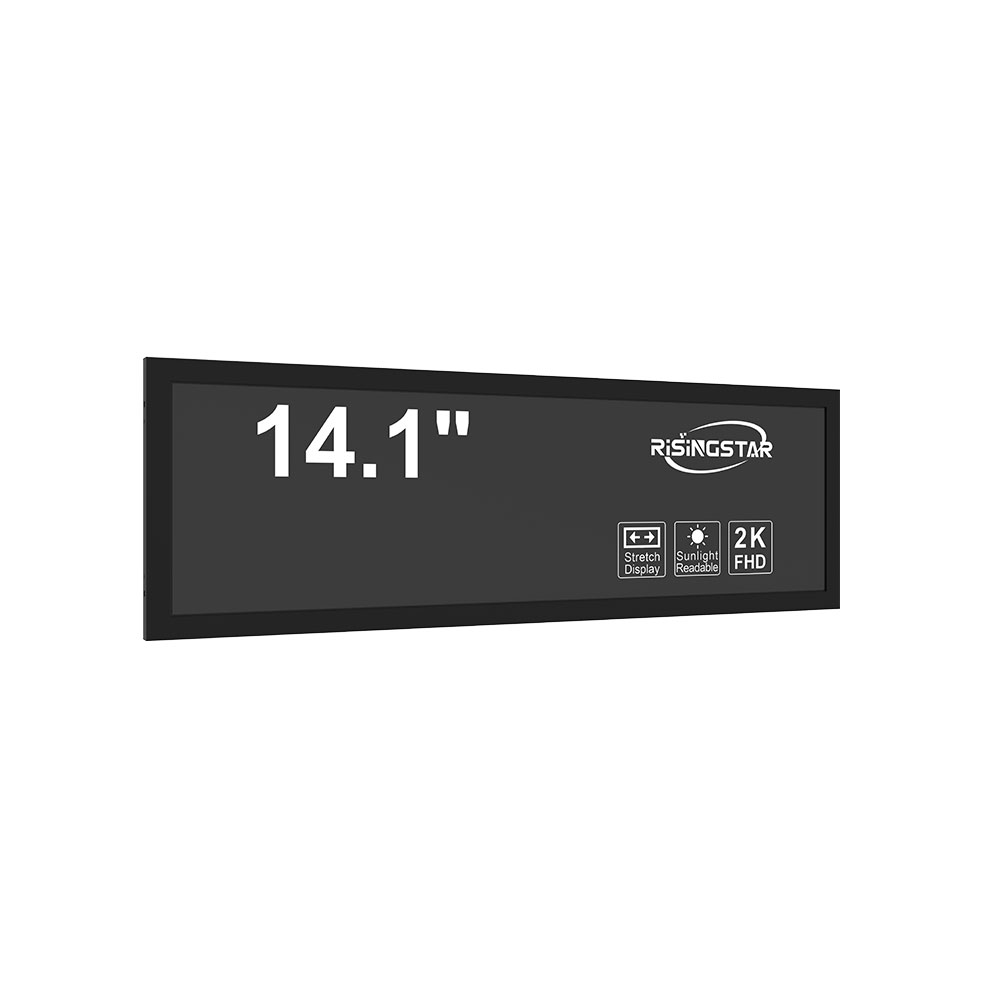
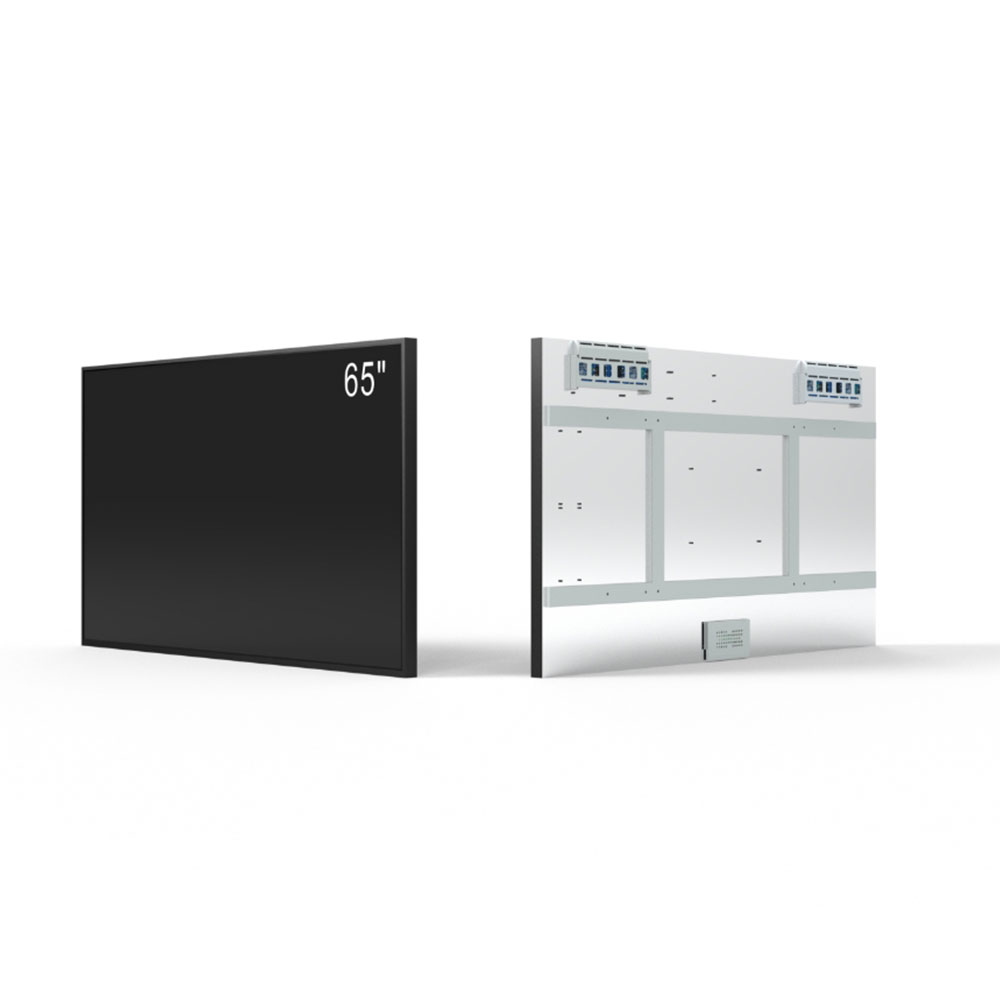
High-brightness sunlight-readable LCD displays are essential in modern outdoor environments where visibility under direct sunlight is critical. These screens are engineered to maintain clarity and readability even under extreme lighting conditions—such as full daylight at 10,000 lux or higher—which conventional LCDs struggle with due to low contrast ratios and poor brightness levels. Common applications include military command centers, transportation systems (e.g., train control panels, aircraft dashboards), industrial automation interfaces, medical devices used in field hospitals, and public kiosks in urban settings like bus stops or airport information terminals.
One of the key advantages of high-brightness sunlight-readable LCDs lies in their advanced optical design. Unlike standard displays that rely solely on backlight intensity, these displays incorporate anti-glare coatings, polarization filters, and sometimes transflective liquid crystal technology that combines both reflective and transmissive modes. For example, transflective LCDs can utilize ambient light during daytime (reducing power consumption) while switching to a backlight in low-light conditions. This hybrid approach significantly improves energy efficiency—a crucial factor for battery-powered outdoor equipment such as handheld battlefield monitors or portable diagnostic tools.
Industry standards like MIL-STD-810G for ruggedness and IEC 60068 for environmental stress testing ensure reliability across temperature extremes (-20°C to +70°C), humidity, shock, and vibration. Real-world case studies from companies like BAE Systems and Honeywell have shown that deploying sunlight-readable LCDs in cockpit displays reduced pilot error by up to 35% in high-glare conditions, demonstrating measurable operational improvements. Similarly, Siemens’ use of high-brightness displays in railway signaling systems led to a 40% reduction in maintenance calls related to display misreadings caused by glare.
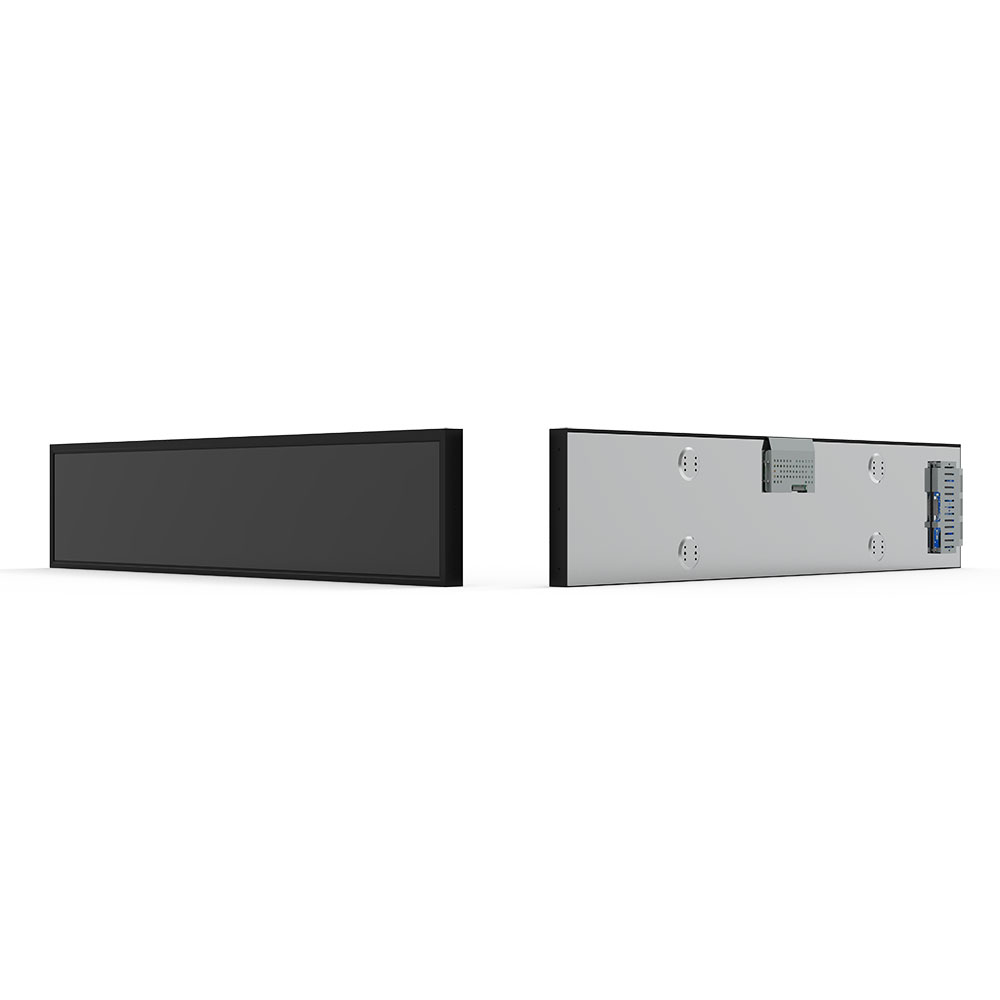
However, common challenges remain. One issue is thermal management—high brightness requires more power, leading to heat buildup that can shorten component life if not properly addressed through passive cooling or active heatsink integration. Another problem is cost; high-brightness modules often require specialized components such as high-luminance LEDs and custom polarizers, which can increase manufacturing expenses by 30–50% compared to standard displays. Additionally, some users report color shift under extreme temperatures, especially when using uncalibrated RGB LED backlights—a concern mitigated by implementing temperature-compensated color correction algorithms in newer firmware.
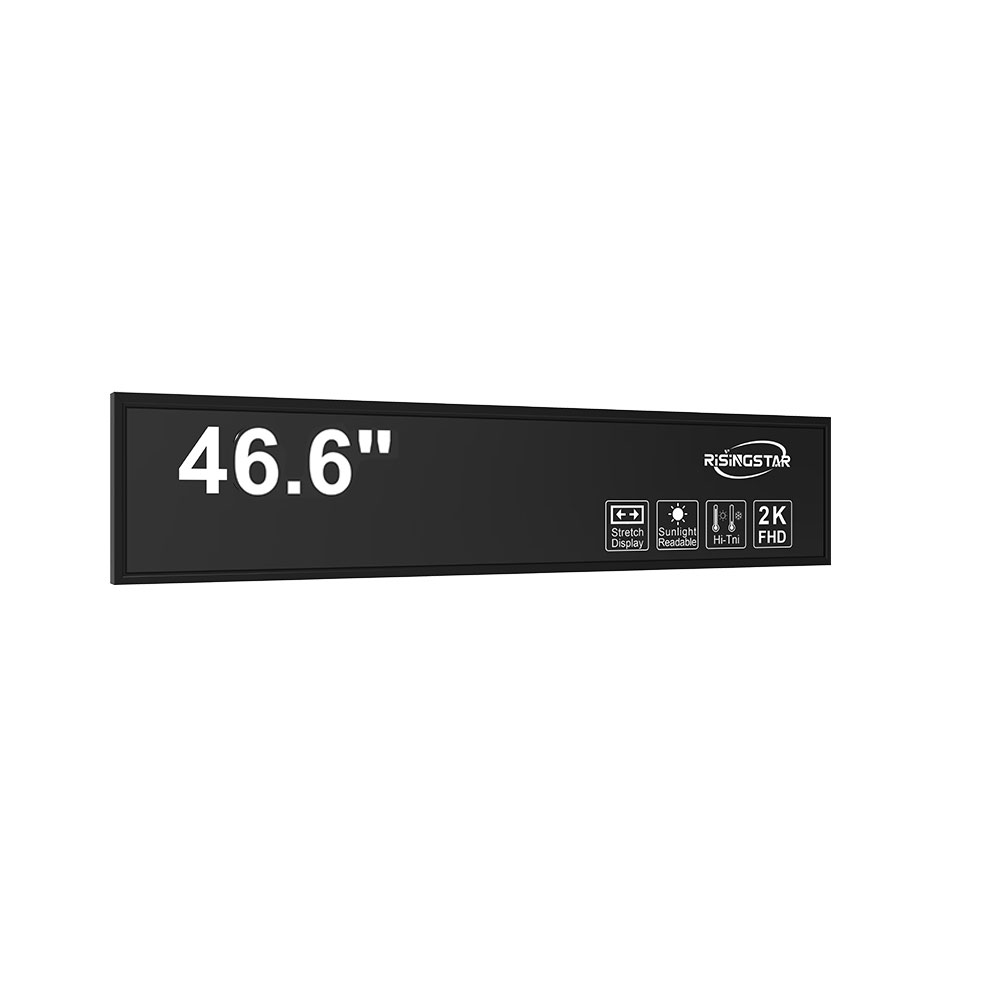
The latest trend in this field includes integrating AI-driven adaptive brightness control. Devices now use ambient light sensors combined with machine learning models to dynamically adjust luminance based on real-time lighting conditions and user interaction patterns. For instance, a 2023 study published in IEEE Transactions on Human-Machine Systems demonstrated that AI-controlled brightness reduced eye strain by 27% in field workers exposed to variable sunlight over an 8-hour shift. Moreover, manufacturers like Sharp and LG are exploring micro-LED backlighting for next-generation displays that offer higher peak brightness (>10,000 nits), improved contrast, and lower power draw—making them ideal for solar-powered IoT devices in remote locations.
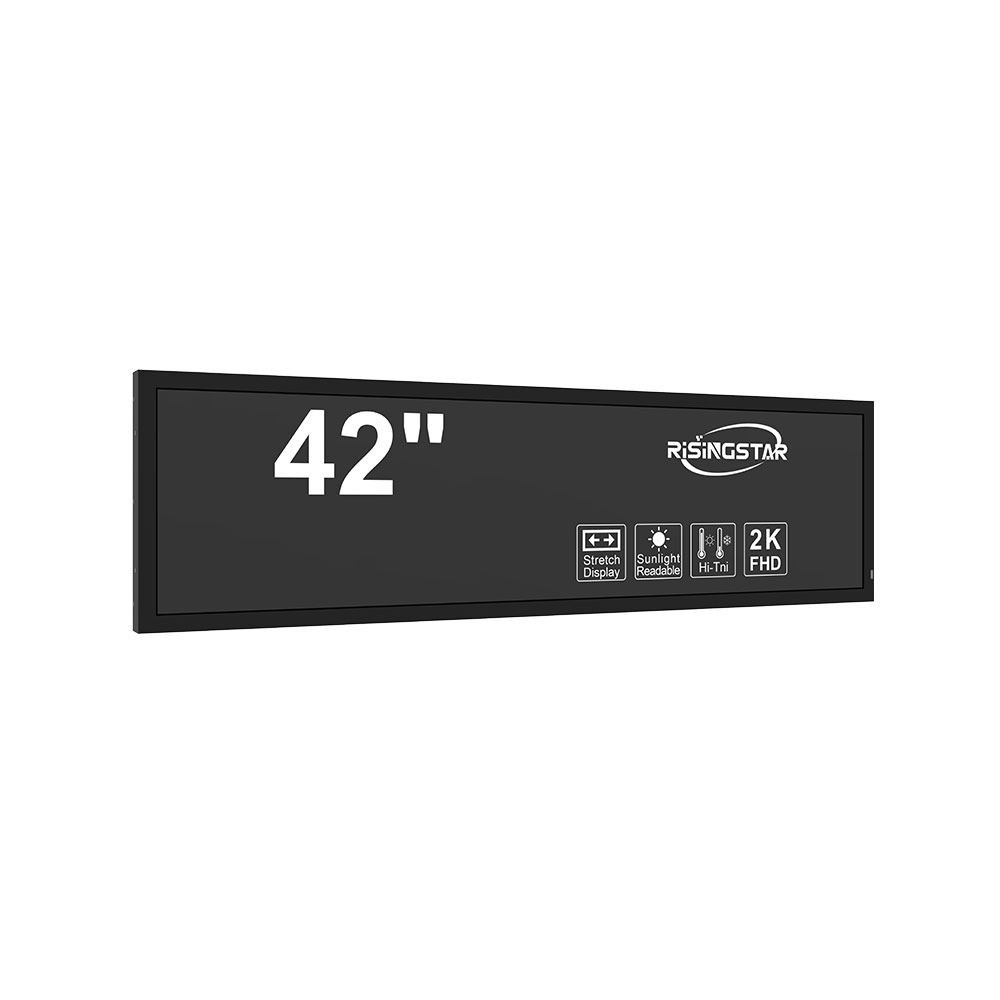
In conclusion, high-brightness sunlight-readable LCDs are no longer just niche products—they are becoming foundational to reliable human-machine interaction in demanding outdoor environments. With ongoing innovation in materials science, optics, and intelligent control systems, their performance continues to improve while costs gradually decline, making them increasingly accessible across defense, transportation, healthcare, and smart city sectors.