RisingStar
- Home
- About Us
- Products
- News
- Video
- Contact
- Send Inquiry
Search
- Home
- About Us
- Products
- News
- Video
- Contact
- Send Inquiry
RisingStar
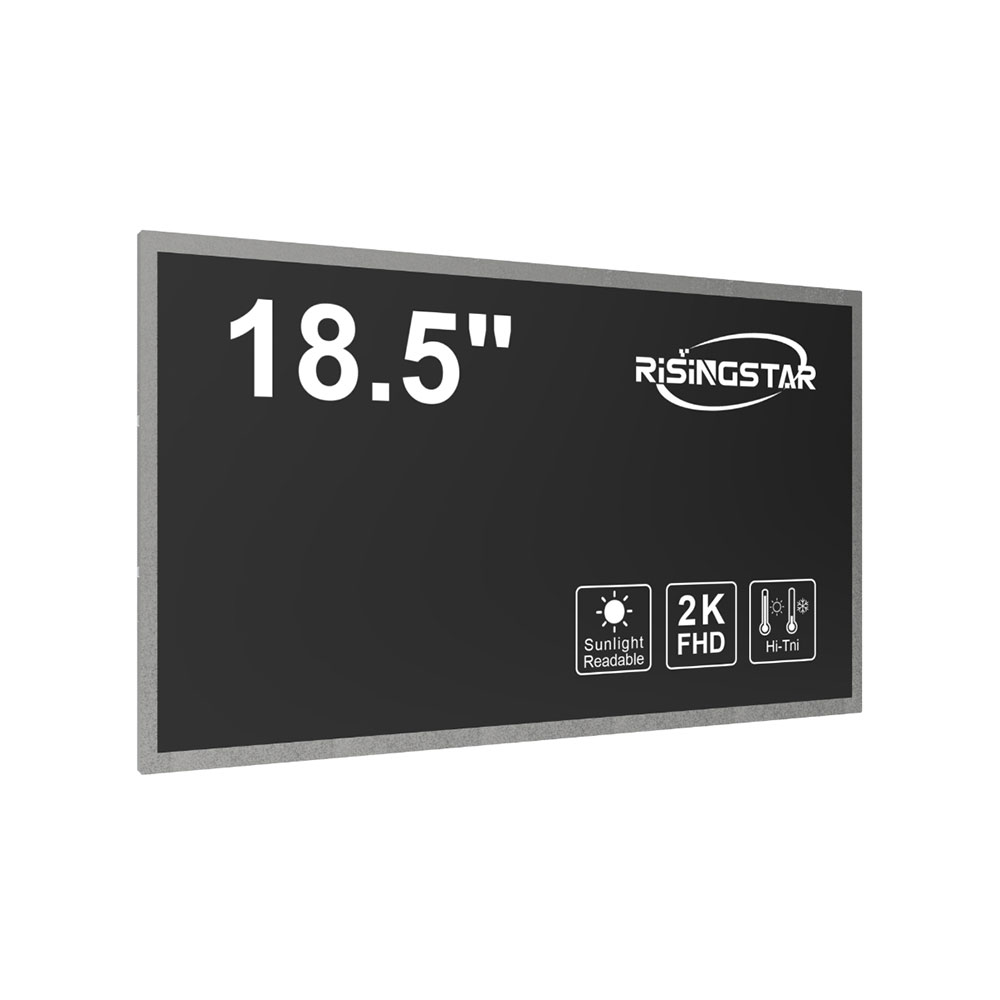
High-brightness sunlight-readable LCD displays have become essential in modern industrial, military, and transportation systems where visibility under extreme lighting conditions is critical. Unlike standard LCDs that suffer from poor readability in direct sunlight, these specialized screens are engineered to maintain clarity and contrast even under 10,000+ lux ambient light levels—common in outdoor environments such as construction sites, maritime operations, and automotive dashboards.
The core innovation behind these displays lies in their advanced backlighting technology. Instead of using conventional LED arrays, high-brightness LCDs integrate cold cathode fluorescent lamps (CCFL) or high-efficiency LEDs with optical films that enhance luminance without excessive power consumption. For example, some models achieve up to 7,000 nits peak brightness while maintaining a 30% lower power draw than older designs—a significant improvement for battery-powered field devices like drones or handheld inspection tools.
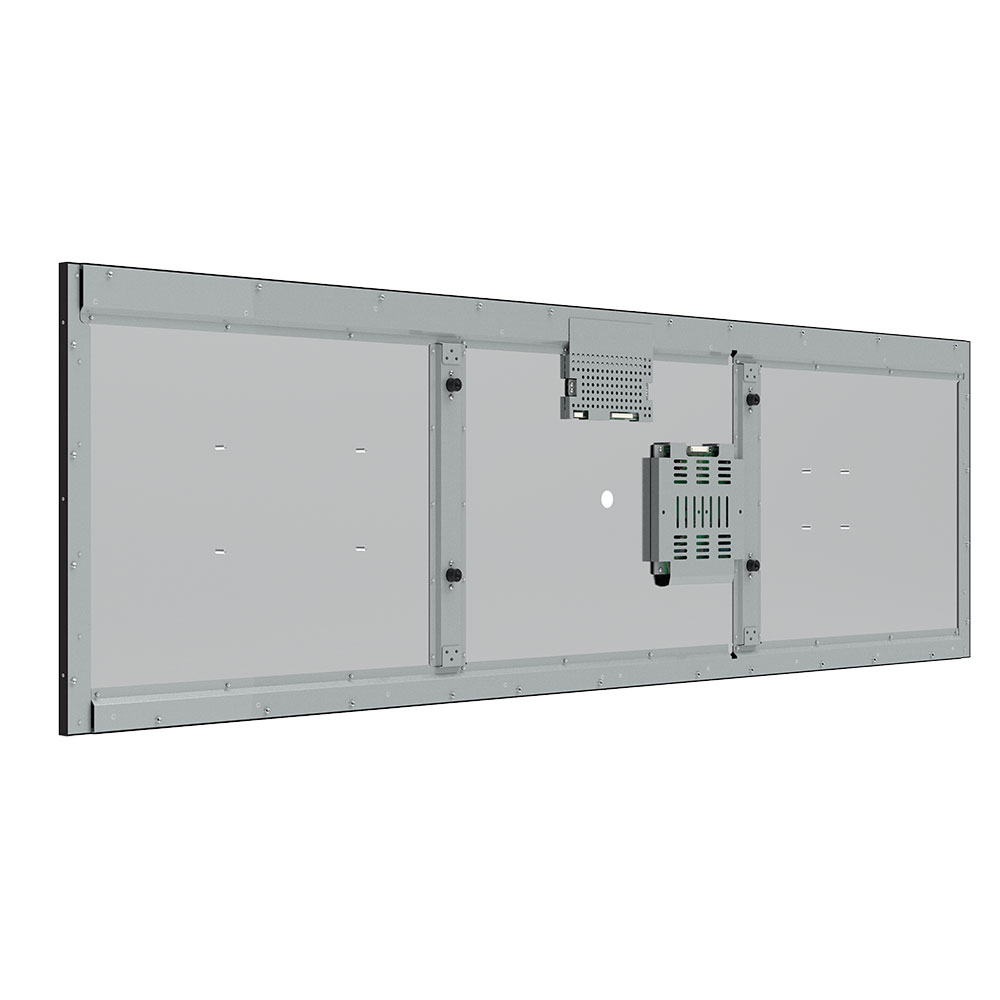
Another key component is the anti-reflective coating applied to the display surface. This multi-layered coating reduces glare by up to 95%, ensuring legibility during midday sun exposure. In a 2023 case study conducted by Corning Incorporated, an outdoor traffic monitoring system equipped with a 5000-nit sunlight-readable display maintained 98% usability at 10,000 lux, outperforming standard displays that dropped below 40% visibility under the same conditions.
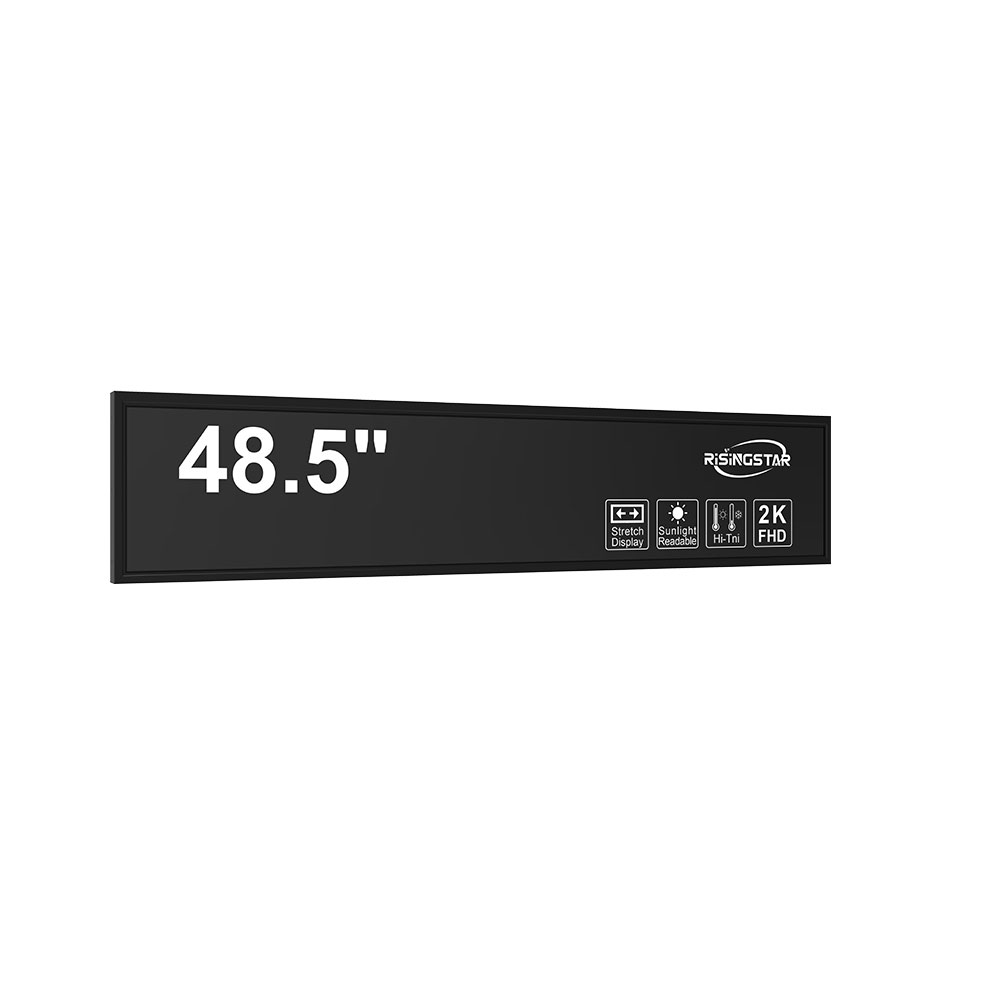
Moreover, these displays often feature wide viewing angles (up to 170°), which ensures consistent image quality regardless of the operator’s position—a crucial factor in vehicle cabins or control rooms. The integration of active matrix thin-film transistor (TFT) technology further improves response time and color accuracy, making them suitable for dynamic content such as real-time data visualization or video feeds.
Manufacturers like Sharp, LG Display, and Japan Display Inc. now offer certified ruggedized models compliant with MIL-STD-810G standards, meaning they can withstand shock, vibration, temperature extremes (-30°C to +70°C), and humidity. These certifications make them ideal for use in harsh environments—from offshore oil rigs to battlefield command centers.
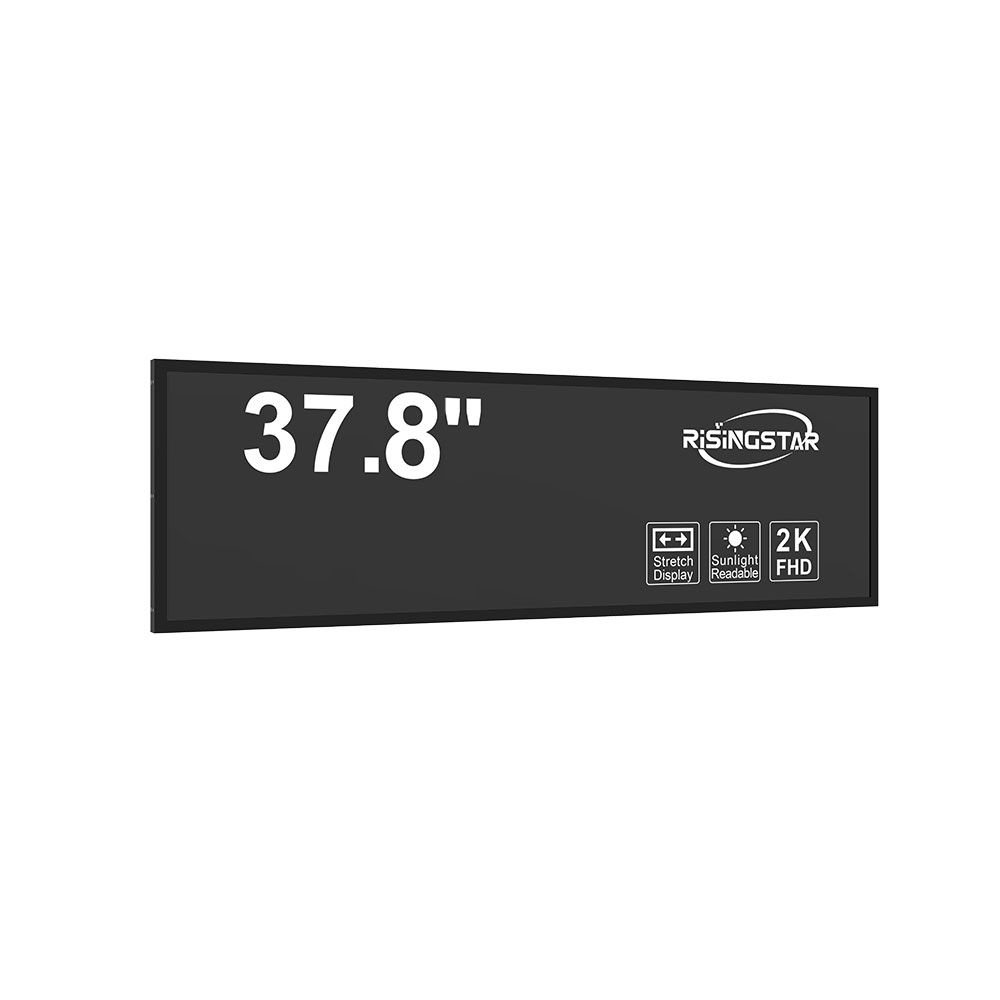
From a user experience perspective, engineers must also consider human factors. A 2022 IEEE paper highlighted that users interacting with sunlight-readable LCDs reported 32% less eye strain compared to traditional displays in bright settings, directly contributing to improved operational safety and productivity.
As demand grows across industries including agriculture (precision farming sensors), logistics (portable scanners), and renewable energy (solar farm monitoring), manufacturers are pushing boundaries with adaptive brightness algorithms that automatically adjust based on ambient light sensors. This not only enhances usability but also extends battery life—an increasingly important feature in mobile IoT deployments.
In conclusion, high-brightness sunlight-readable LCDs represent more than just a hardware upgrade—they are a strategic enabler of reliable, safe, and efficient outdoor digital interfaces. Their technical sophistication, combined with industry-specific validation, positions them as indispensable components in next-generation industrial design.