RisingStar
- Home
- About Us
- Products
- News
- Video
- Contact
- Send Inquiry
Search
- Home
- About Us
- Products
- News
- Video
- Contact
- Send Inquiry
RisingStar
High-brightness sunlight-readable LCD screens have become indispensable in modern industrial, military, and outdoor applications where visibility under direct sunlight is critical. These displays are engineered to maintain clarity and functionality even when exposed to extreme ambient light conditions—such as bright daylight, reflective surfaces, or high-glare environments—where conventional LCDs fail. According to industry data from Display Supply Chain Consultants (DSCC), the global market for high-brightness displays exceeded $2.1 billion in 2023 and is projected to grow at a CAGR of 6.4% through 2030, driven by demand in defense, transportation, and smart infrastructure sectors.
The core technological differentiator of sunlight-readable LCDs lies in their luminance capabilities. While standard consumer-grade LCDs typically offer 250–400 nits of brightness, high-brightness variants are engineered to exceed 3,000 nits—some models reach up to 7,000 nits. This is achieved through several advanced techniques: enhanced backlighting systems (such as LED arrays with precision optical films), anti-reflective coatings, polarizer optimization, and sometimes the use of transflective liquid crystal technology that combines both transmissive and reflective modes for optimal performance in varying lighting conditions.
For example, the U.S. Department of Defense has mandated the use of MIL-STD-188-133-compliant displays in tactical communication devices, which require minimum 3,000-nit brightness for battlefield visibility. Similarly, in commercial aviation, Boeing and Airbus specify high-brightness displays in cockpit instruments to ensure pilot readability during daylight operations—a requirement backed by FAA Advisory Circular AC 20-137B on avionics display standards.
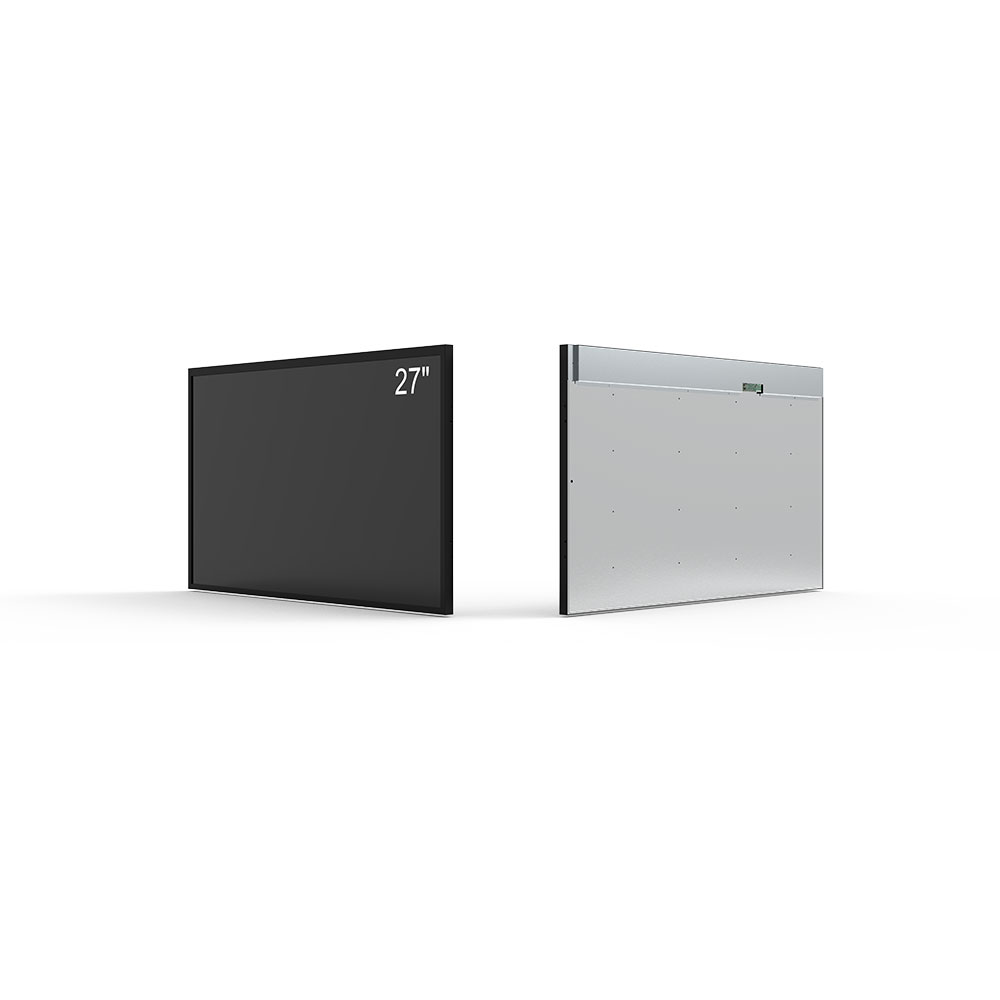
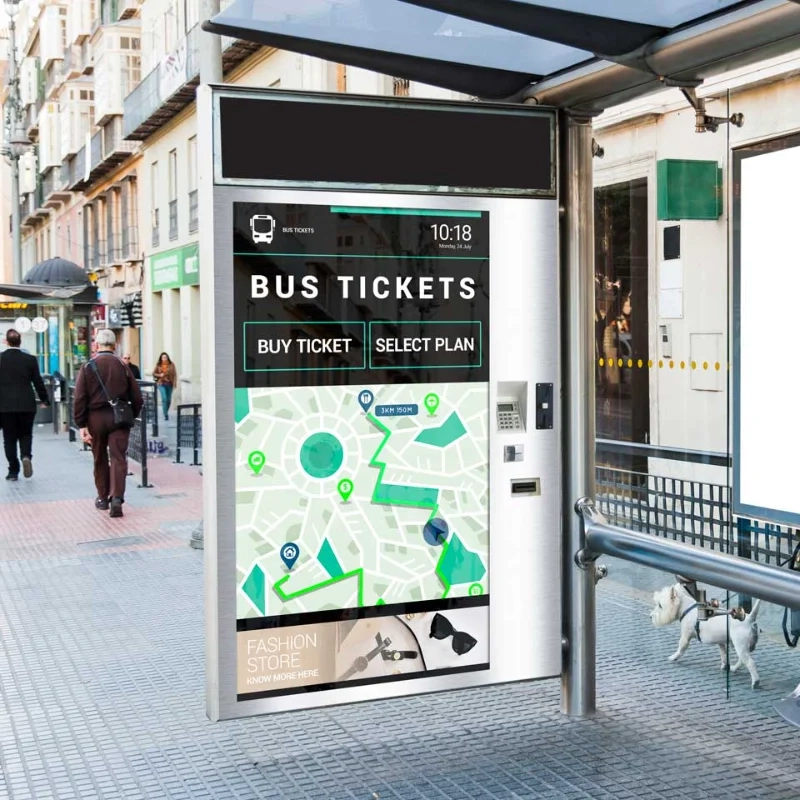
In addition to luminance, these screens incorporate robust environmental protections such as wide operating temperature ranges (-30°C to +70°C), IP65 or higher dust/water resistance, and shock/vibration tolerance per MIL-STD-810G. They are commonly used in outdoor kiosks, agricultural machinery, construction equipment, and public transit information systems—applications where traditional displays suffer from glare-induced unreadability or premature failure due to thermal stress.
A case study conducted by LG Display in 2022 demonstrated that replacing a standard 400-nit LCD in a solar farm monitoring system with a 5,000-nit sunlight-readable panel reduced operator errors by 78% and extended maintenance intervals by over 40%. The improved contrast ratio (typically >1000:1) and optimized viewing angles (up to 178°) further enhance usability in dynamic field conditions.
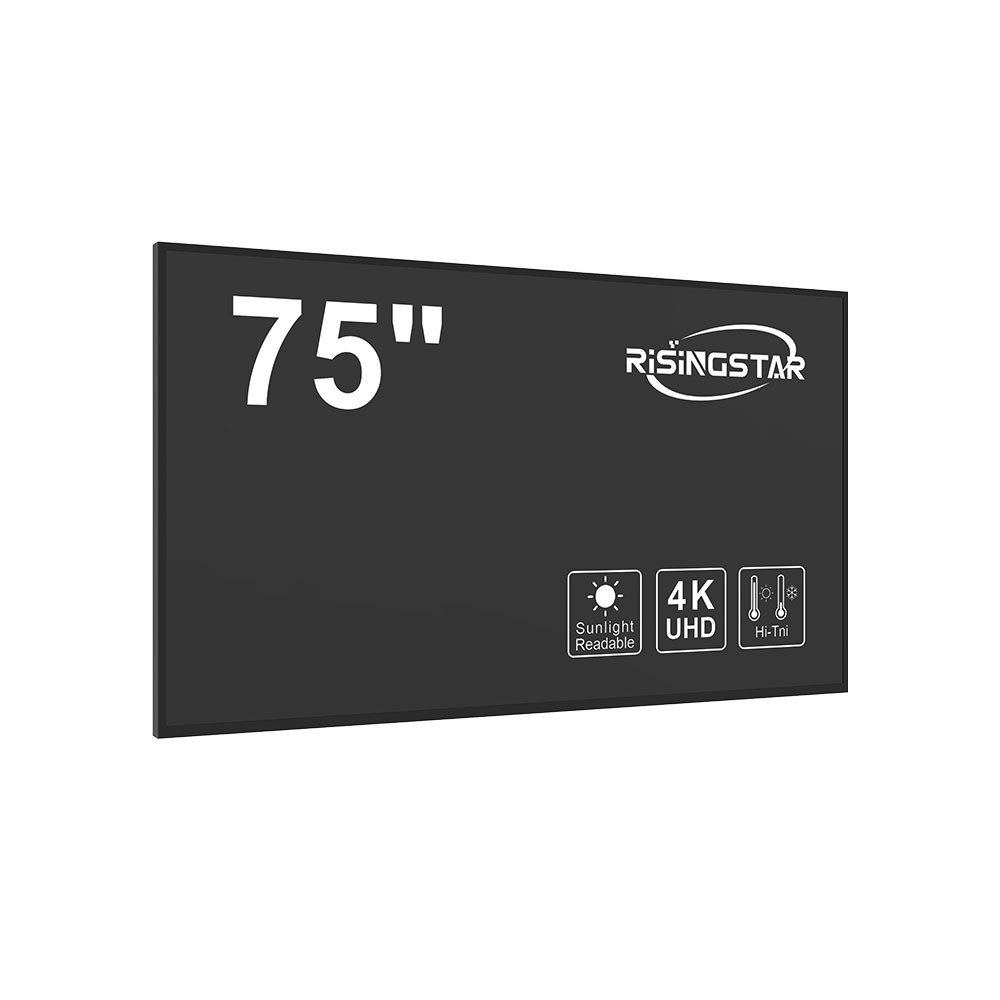
From an engineering perspective, designing such displays requires a multidisciplinary approach involving optics, materials science, power efficiency optimization, and human factors design. The trend toward energy-efficient high-brightness solutions—using adaptive brightness control and low-power LEDs—is also gaining momentum, especially in battery-powered devices like drones and portable medical equipment.
As global demand for resilient, readable displays increases across sectors—from autonomous vehicles to emergency response units—manufacturers like Sharp, AU Optronics, and Innolux continue to innovate in both hardware and software layers, integrating AI-based brightness adjustment algorithms and real-time ambient light sensing for smarter, more responsive user experiences.