RisingStar
- Home
- About Us
- Products
- News
- Video
- Contact
- Send Inquiry
Search
- Home
- About Us
- Products
- News
- Video
- Contact
- Send Inquiry
RisingStar
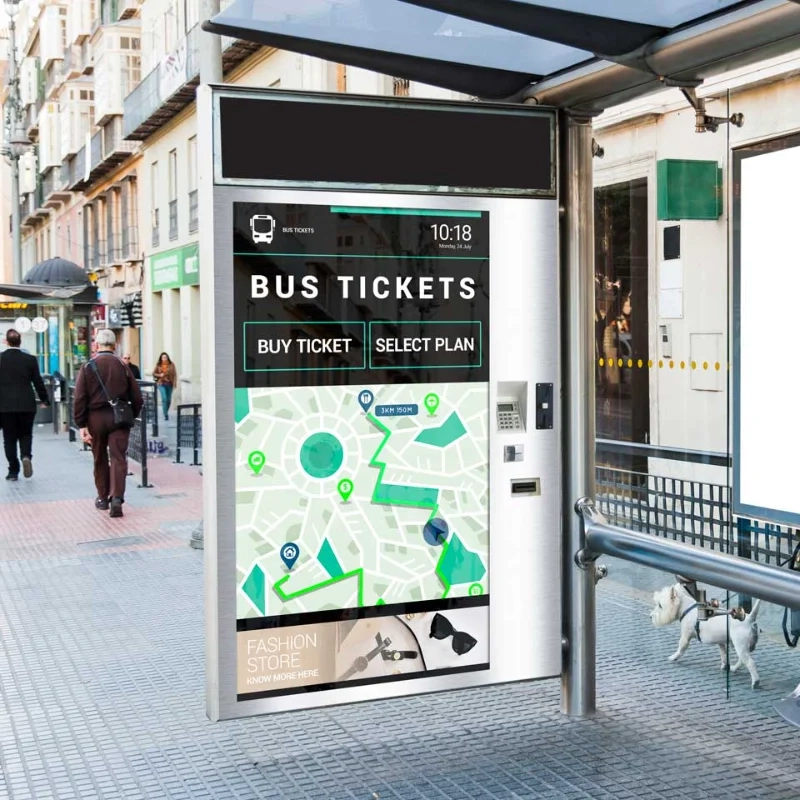
High-brightness, sunlight-readable LCD displays are essential for ensuring clear visibility in challenging outdoor environments where ambient light levels can exceed 10,000 lux. These specialized displays are engineered to maintain legibility under direct sunlight—critical for applications such as passenger information systems in railways, buses, trains, subways, and intercity rail networks. They employ advanced technologies including high-luminance LED backlighting (typically 5,000 to 10,000 nits), anti-glare coatings, polarization filters, and optimized contrast ratios (often >1000:1) to ensure readability even at extreme angles and under harsh weather conditions.
In public transportation, these displays provide real-time updates on schedules, delays, and safety announcements. For example, the London Underground’s modernized digital signage system uses 7,000-nit sunlight-readable panels that remain visible during peak sun hours, significantly improving rider experience and operational efficiency. Similarly, EV charging kiosks in cities like Oslo and San Francisco rely on high-brightness displays to show charging status, energy consumption, and pricing—ensuring usability in all lighting conditions. Gas pumps in North America and Europe now commonly integrate these screens to display fuel prices, promotions, and loyalty rewards without glare distortion.
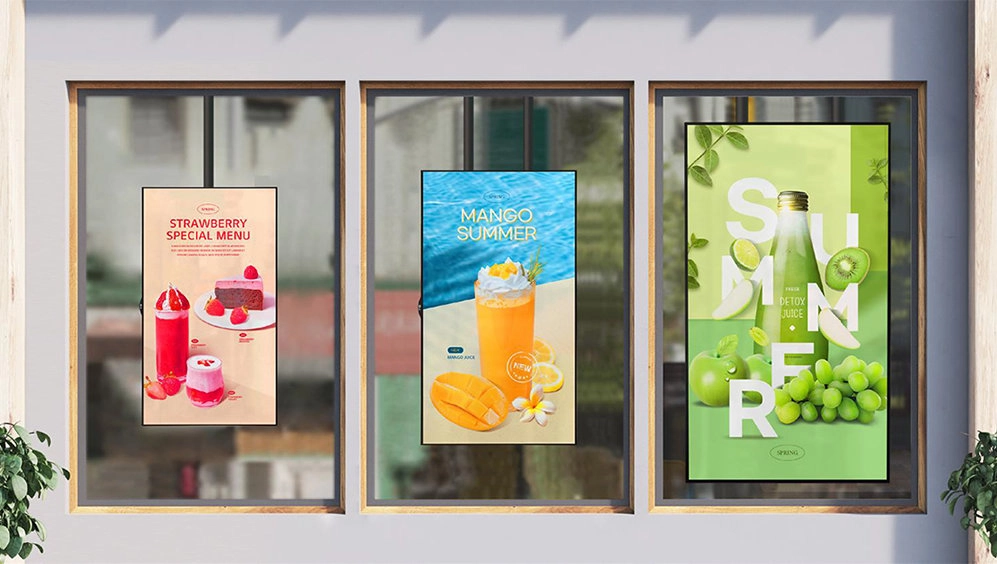
Outdoor digital signage, whether for retail or real estate, benefits from high-brightness LCDs that maintain color accuracy and brightness over time. Unlike standard indoor displays, these panels feature ruggedized enclosures (IP65–IP68 rated), wide temperature tolerance (-30°C to +70°C), and long-term reliability with minimal maintenance. In retail environments like Walmart and IKEA, digital signage powered by 6,000-nit displays increases customer engagement by up to 40%, according to a 2023 Nielsen study. Meanwhile, real estate agencies use them in open-air property showrooms to showcase listings, drone footage, and interactive floor plans—enhancing lead generation in sunny climates.
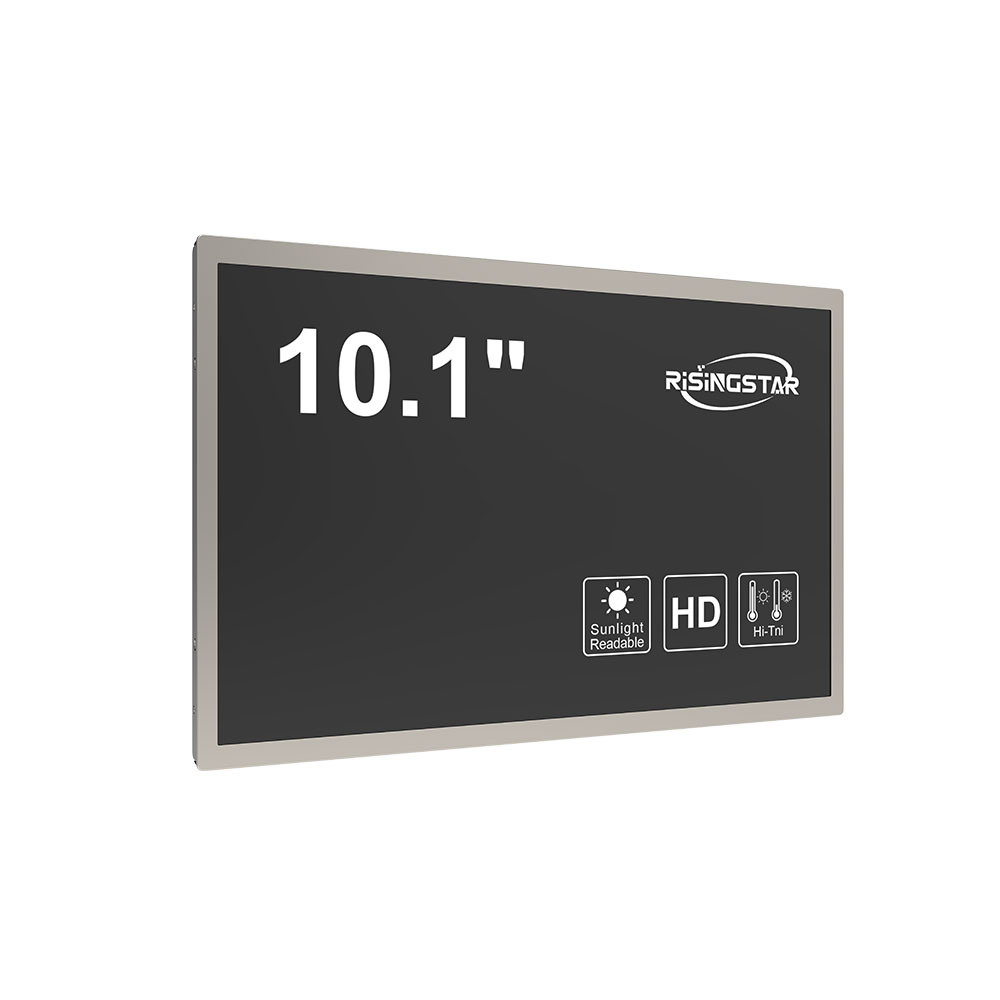
Manufacturers like LG, Sharp, and BOE have adopted ISO 9241-31 standards for visual ergonomics in bright environments, ensuring consistent performance across different lighting scenarios. Additionally, advancements in OLED-backlit LCDs and micro-LED integration are pushing luminance limits beyond 10,000 nits while reducing power consumption—an important consideration for battery-powered outdoor kiosks and solar-enabled devices.
The global market for sunlight-readable displays is projected to reach $10.2 billion by 2030 (CAGR of 7.4% per Statista 2024), driven by smart city initiatives, EV infrastructure expansion, and rising demand for resilient outdoor digital signage. As urbanization increases and public spaces become more digitally integrated, high-brightness LCDs will remain indispensable for transparent, accessible, and reliable information delivery in any environment.