RisingStar
- Home
- About Us
- Products
- News
- Video
- Contact
- Send Inquiry
Search
- Home
- About Us
- Products
- News
- Video
- Contact
- Send Inquiry
RisingStar
High-brightness sunlight-readable LCD screens are essential in modern outdoor and industrial environments where visibility under direct sunlight is critical. These displays, typically rated at 5,000 to 10,000 nits of brightness (compared to standard indoor LCDs at 250–500 nits), are engineered to maintain clarity even under intense solar irradiance—making them indispensable in sectors such as transportation, defense, agriculture, construction, and public information systems.
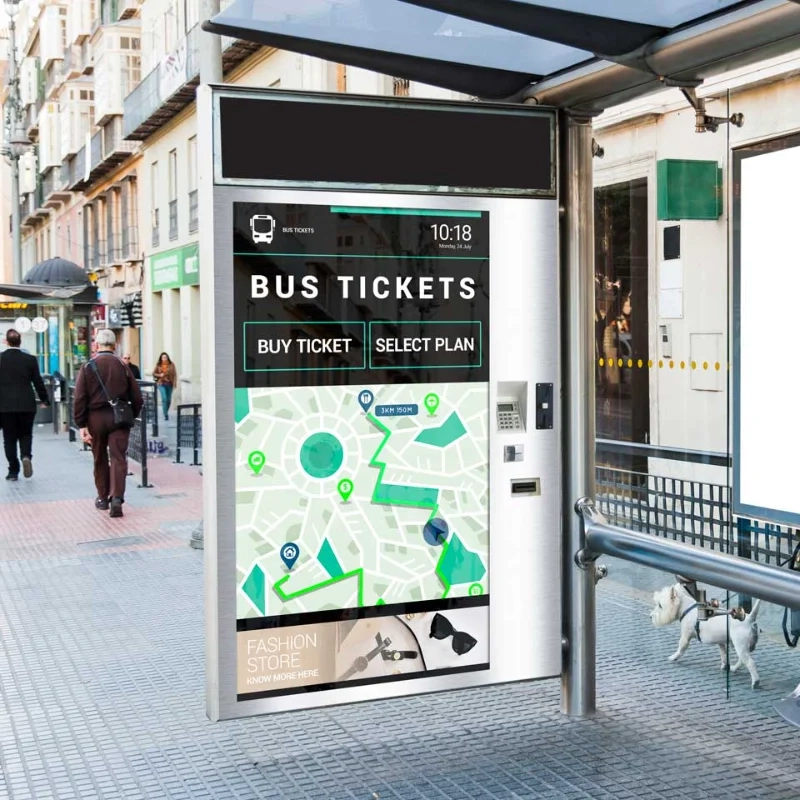
One of the most prominent practical applications is in vehicle dashboards and military command centers. For example, modern armored vehicles like the U.S. Army’s M1 Abrams tank utilize high-brightness LCDs for mission-critical displays that must remain legible in desert or jungle conditions. Similarly, in smart city infrastructure, digital signage in airports, bus stops, and parking lots relies on these screens to deliver real-time updates under variable lighting. According to a 2023 report by MarketsandMarkets, the global sunlight-readable display market is projected to exceed $8.7 billion by 2028, driven largely by demand from automotive and industrial automation industries.
The advantages of high-brightness sunlight-readable LCDs extend beyond mere visibility. They incorporate advanced technologies such as anti-reflection coatings, wide viewing angles (up to 178°), and adaptive backlighting systems that dynamically adjust luminance based on ambient light. Some models integrate touch functionality with glove compatibility, ensuring usability in extreme conditions—from Arctic cold to tropical heat. Furthermore, many manufacturers now use LED-backlit panels instead of older CCFL technology, reducing power consumption by up to 40% while improving longevity and color consistency.
Despite their benefits, common problems persist. One major challenge is thermal management—high brightness levels generate more heat, which can degrade display performance if not properly dissipated. In field tests conducted by DisplayMate Technologies (2022), improperly ventilated units in hot climates experienced accelerated pixel degradation within 6 months. Another issue is glare reduction; poor optical design can lead to ghosting or loss of contrast, especially during sunrise or sunset when sunlight hits the screen at oblique angles. Additionally, cost remains a barrier—these specialized displays can be two to five times more expensive than standard equivalents, though ROI is often justified in safety-critical applications.
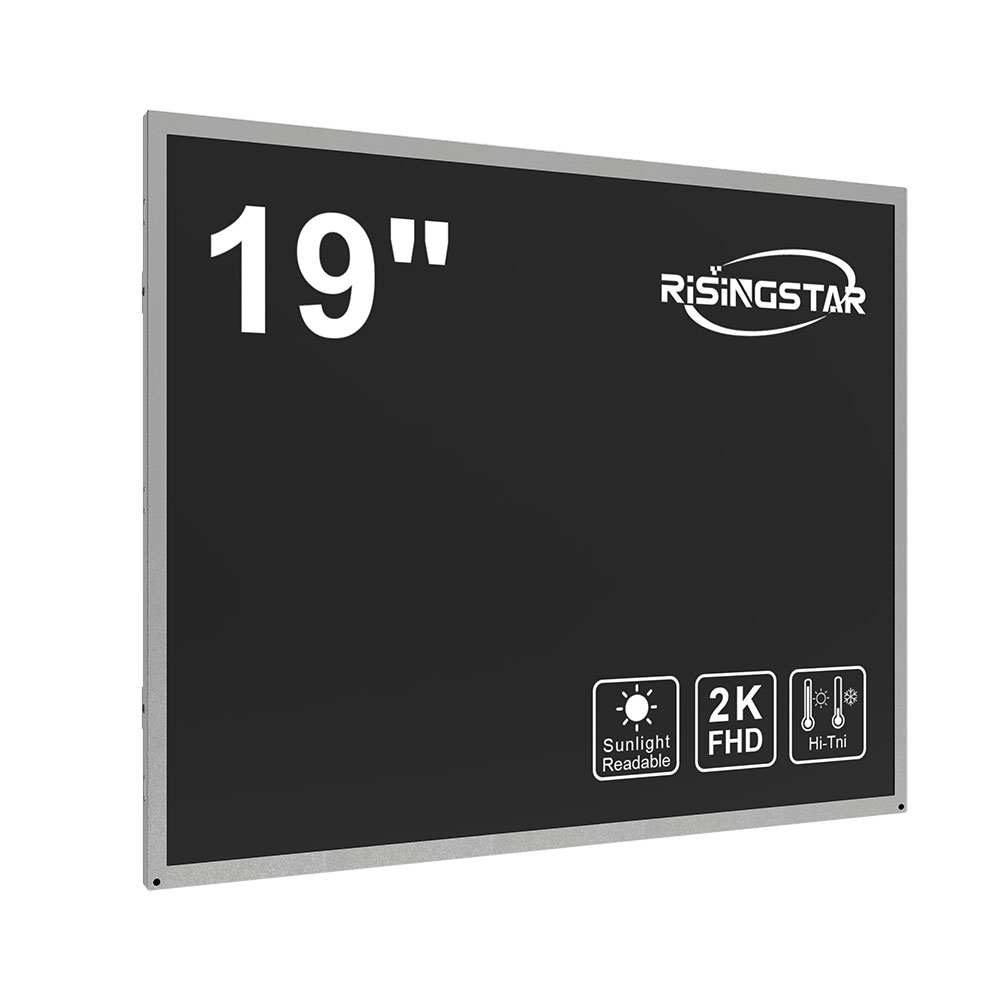
Recent trends highlight a shift toward mini-LED and micro-LED backlights, offering better local dimming control and higher peak brightness (up to 15,000 nits). OLED-based sunlight-readable displays are also emerging, promising superior contrast ratios and faster response times—but currently lack sufficient durability for prolonged outdoor exposure. Meanwhile, AI-driven adaptive brightness algorithms are being integrated into newer models, optimizing power usage without compromising readability. Companies like Sharp, LG, and Sony have released certified sunlight-readable modules compliant with MIL-STD-810G and IP65 ratings, ensuring robustness against dust, moisture, and shock.
In conclusion, high-brightness sunlight-readable LCDs are no longer niche components—they are foundational tools for reliable human-machine interaction in demanding environments. As technology evolves, integrating smarter power management, improved materials, and AI-enhanced optics will further expand their utility across industries worldwide.