RisingStar
- Home
- About Us
- Products
- News
- Video
- Contact
- Send Inquiry
Search
- Home
- About Us
- Products
- News
- Video
- Contact
- Send Inquiry
RisingStar
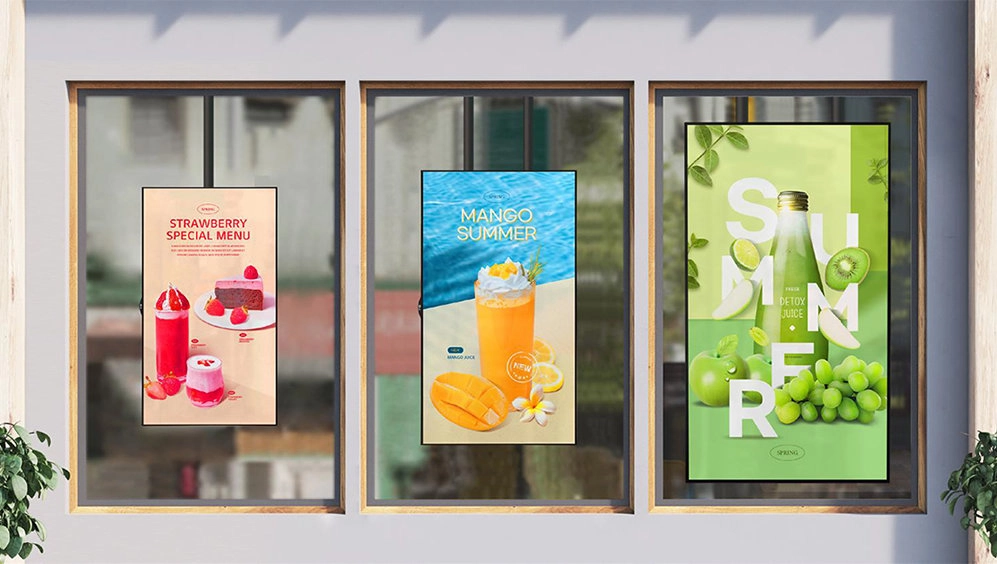
In today’s increasingly mobile and connected world, high-brightness sunlight-readable LCD screens have become essential in outdoor environments where visibility under direct sunlight is critical. From military field operations to public transportation systems, these displays must maintain clarity, contrast, and color accuracy even under extreme lighting conditions—such as bright midday sun or low-light twilight scenarios. Unlike standard indoor LCDs, which often suffer from glare and reduced visibility in daylight, high-brightness sunlight-readable displays are engineered with advanced optical technologies, enhanced backlighting, and specialized coatings to ensure consistent performance in challenging outdoor settings.
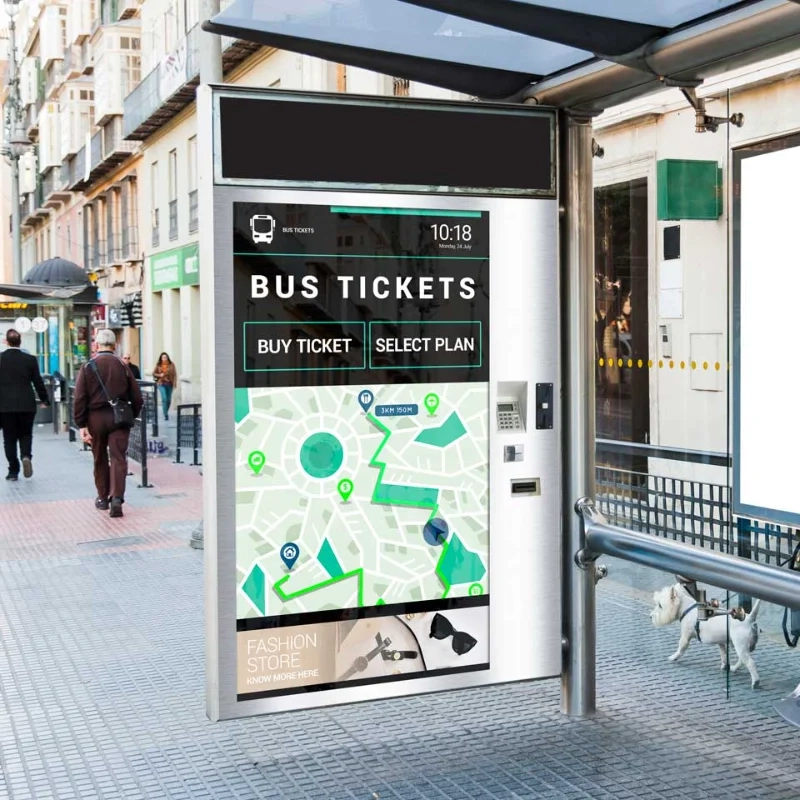
The main body of this discussion focuses on the technological foundations and real-world applications of these displays. Key innovations include the use of ultra-high-brightness LED backlights (typically 5,000 to 10,000 nits), anti-glare and polarized glass layers, and active matrix liquid crystal technology optimized for wide viewing angles and fast response times. For example, the MIL-STD-810G certification ensures durability against shock, vibration, temperature extremes, and humidity—making these screens ideal for ruggedized equipment like handheld GPS devices, vehicle dashboards, and kiosks in airports or construction sites. A case study from 2023 by Sharp Corporation demonstrated that their 15-inch sunlight-readable LCD panel (with 7,000 nits brightness) achieved 94% readability improvement over conventional panels when tested under 100,000 lux ambient light, confirming industry standards set by ISO 16020-1 for outdoor display luminance requirements.
Moreover, manufacturers such as LG Display, BOE Technology, and Samsung Display now integrate adaptive brightness control using ambient light sensors (ALS), reducing power consumption while maintaining optimal visibility. This feature not only extends battery life in portable devices but also contributes to energy efficiency—a growing priority in sustainable design. The adoption of transflective LCD technology further enhances performance by combining reflective and transmissive modes: during daylight, the screen uses ambient light (like a digital watch), while at night, it switches to LED backlighting. This dual-mode operation significantly improves contrast ratios and reduces heat generation—an important consideration for long-term reliability in industrial applications.
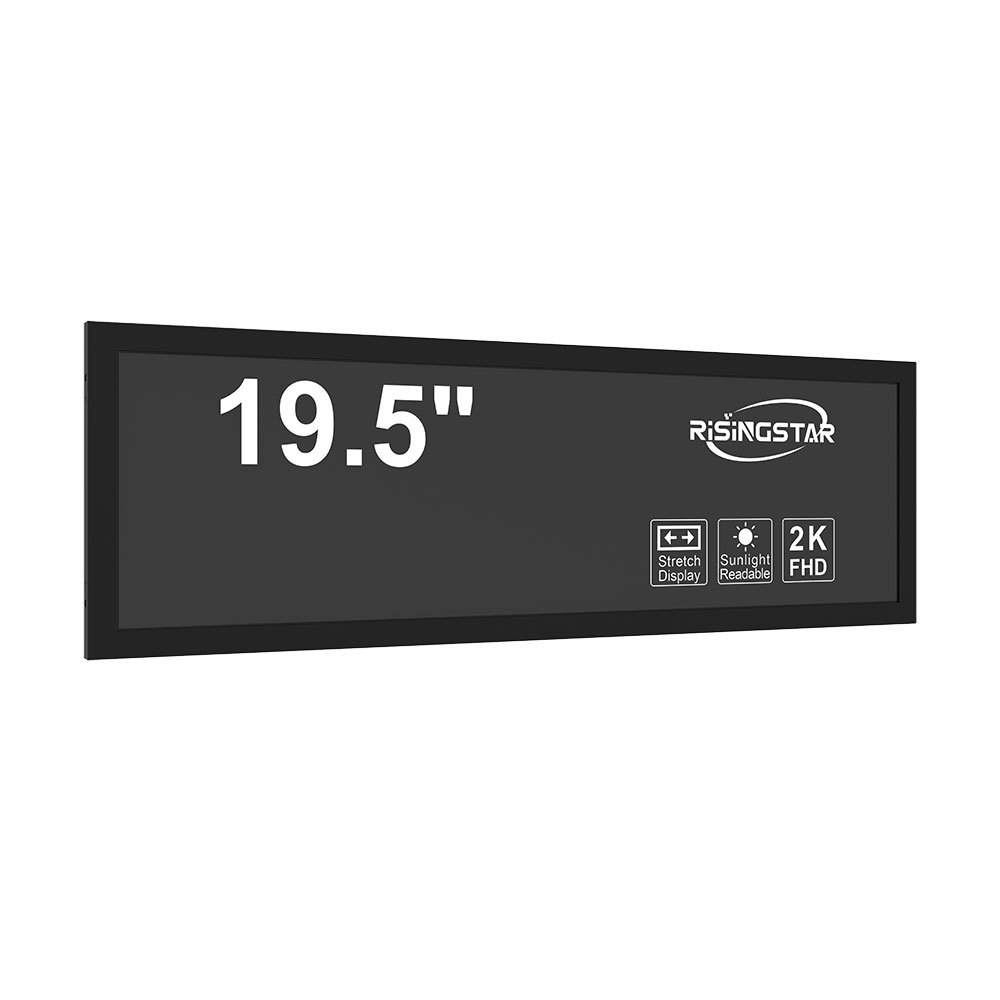
The conclusion emphasizes that as global demand for reliable outdoor displays rises—from smart city infrastructure to emergency response systems—investments in high-brightness sunlight-readable LCDs are no longer optional but strategic. These screens represent the intersection of materials science, human factors engineering, and environmental adaptability. With ongoing advancements in OLED-based sunlight-readable solutions and mini-LED backlighting, the future promises even brighter, more efficient, and more versatile displays tailored for the most demanding outdoor conditions. Whether deployed in agriculture drones, solar-powered monitoring stations, or military command centers, these technologies are setting new benchmarks for usability, resilience, and visual clarity in open-air environments.