RisingStar
- Home
- About Us
- Products
- News
- Video
- Contact
- Send Inquiry
Search
- Home
- About Us
- Products
- News
- Video
- Contact
- Send Inquiry
RisingStar
In the rapidly evolving world of display technology, high-brightness sunlight-readable LCD screens have become indispensable in outdoor and harsh environmental applications. These specialized displays are engineered to maintain visibility under direct sunlight, often exceeding 5,000 nits of brightness—far beyond the typical 250–300 nits found in standard indoor monitors. The demand for such screens has surged across industries including military, transportation, industrial automation, and public information systems, where clarity and reliability are mission-critical.
The core challenge in designing a sunlight-readable LCD lies in balancing luminance, contrast ratio, and power efficiency while maintaining durability. Traditional LCDs suffer from glare and washed-out visuals when exposed to sunlight, making them unsuitable for outdoor use. High-brightness solutions overcome this by using advanced backlighting technologies like LED arrays with optical films, polarized filters, and anti-reflection coatings. For instance, some premium models utilize cold cathode fluorescent lamps (CCFL) or high-efficiency LEDs paired with diffusers that uniformly distribute light across the screen surface—even in extreme temperatures ranging from -30°C to +70°C.
One key innovation is the integration of ambient light sensors that dynamically adjust screen brightness based on real-time environmental conditions. This not only improves readability but also extends battery life in portable devices. Case studies from defense contractors like Raytheon and automotive manufacturers such as Tesla demonstrate how these screens enhance operational safety in cockpit displays and dashboard interfaces, even during bright midday sun.
Another critical feature is the use of ruggedized glass or polycarbonate substrates with scratch-resistant coatings and hydrophobic surfaces. This ensures longevity in dusty, wet, or corrosive environments. According to IEEE standards (e.g., IEC 60068), many high-brightness LCDs undergo rigorous environmental testing for vibration, shock, humidity, and temperature cycling, ensuring compliance with IP65 or higher ratings.
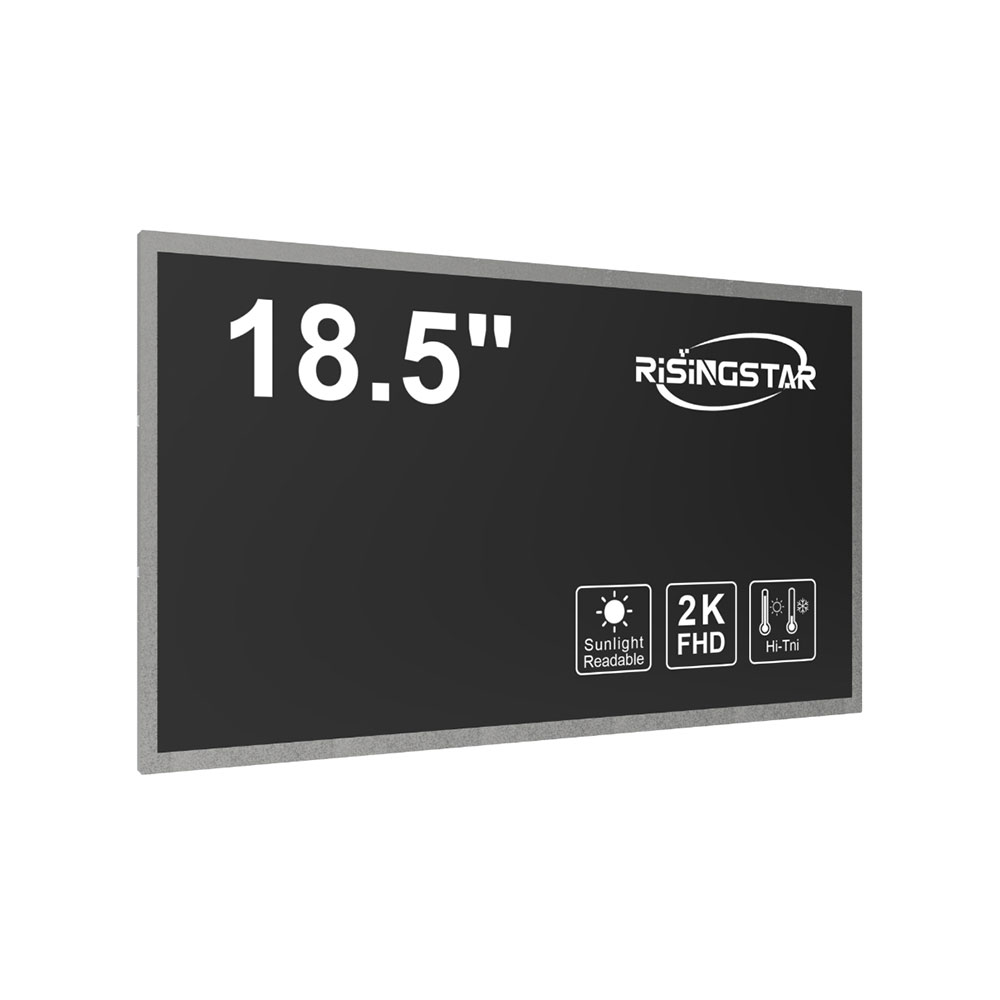
Furthermore, modern sunlight-readable LCDs support wide viewing angles (up to 178°) and fast response times (under 8ms), enabling seamless interaction in mobile or moving vehicle contexts. Manufacturers like Eizo, LG Display, and Novatech offer custom solutions tailored for OEM integrators, allowing for embedded controllers, touchscreen compatibility, and even solar-powered configurations for remote deployments.
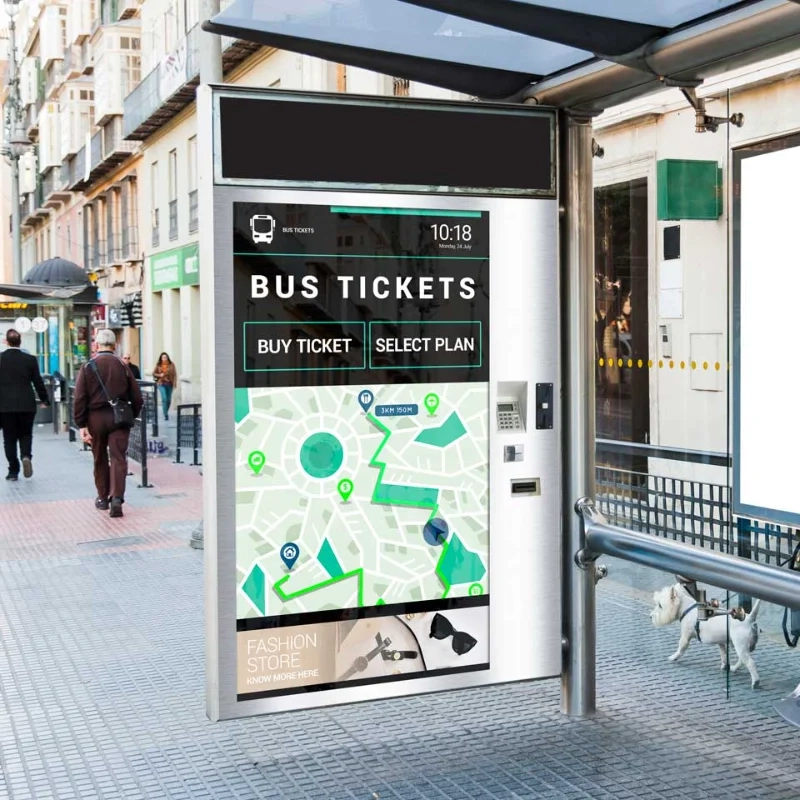
The growing adoption of IoT-enabled outdoor kiosks, smart city infrastructure, and agricultural monitoring systems further validates the need for robust, energy-efficient, and highly visible displays. As global urbanization intensifies and edge computing becomes more prevalent, the role of high-brightness sunlight-readable LCDs will continue to expand—not just as visual tools, but as essential components of resilient, human-centric design.