 RisingStar
- Home
- About Us
- Products
- News
- Video
- Contact
- Send Inquiry
Search
- Home
- About Us
- Products
- News
- Video
- Contact
- Send Inquiry
RisingStar
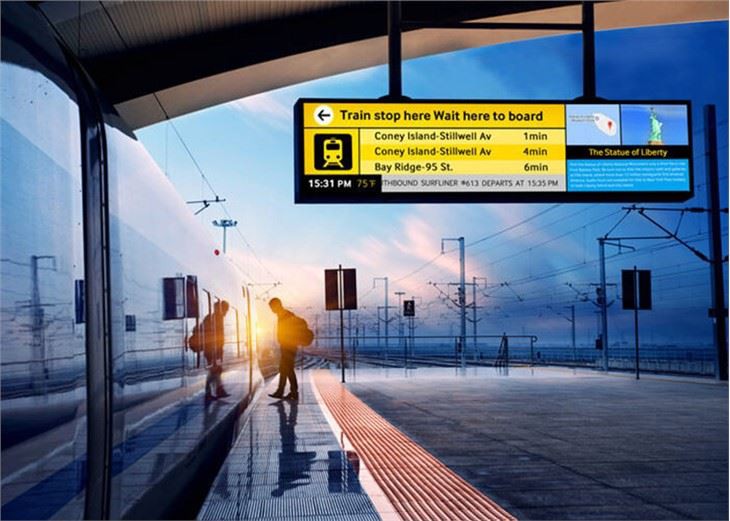
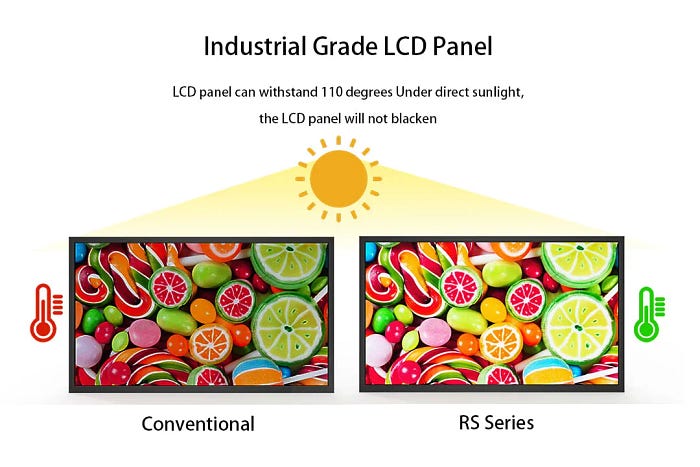
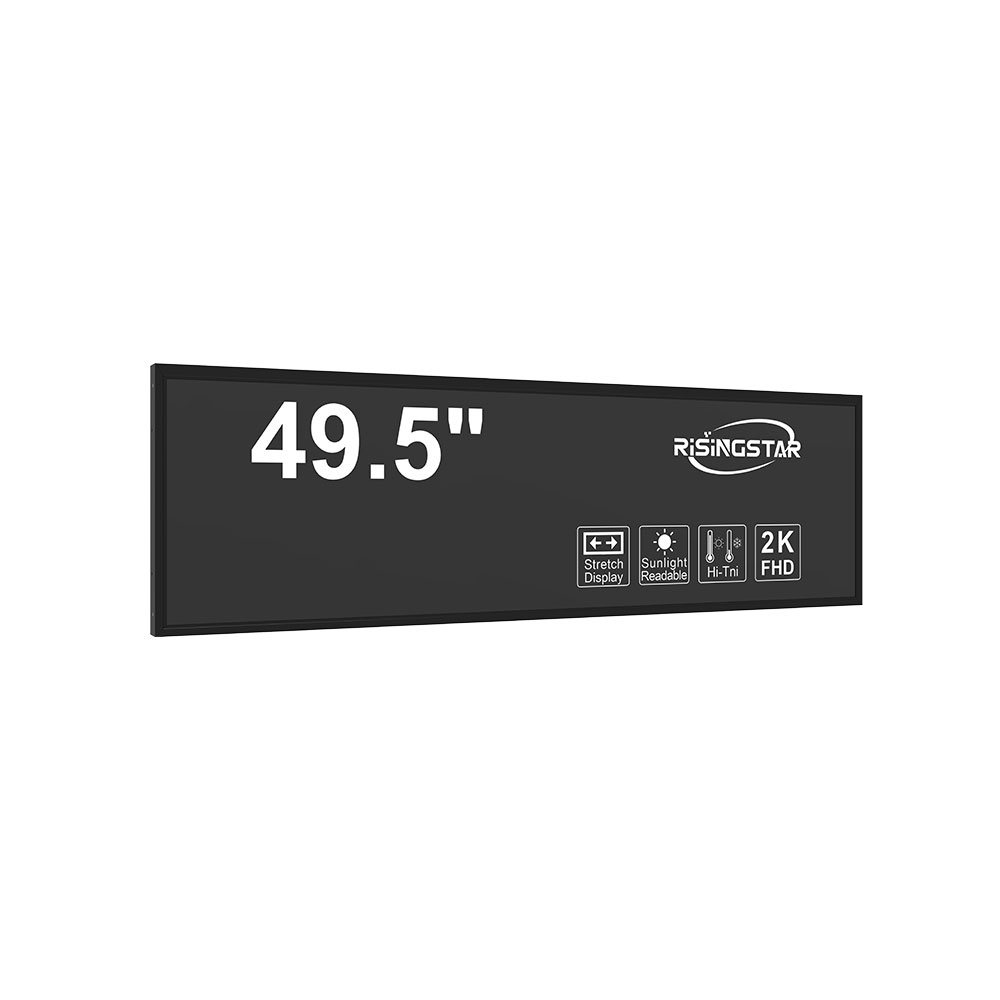
High-brightness sunlight-readable LCD screens are essential for outdoor applications where visibility under direct sunlight is critical. These displays are widely used in military, transportation, industrial, and public information systems such as kiosks, traffic signs, and solar-powered monitoring devices. According to industry data from Display Week 2023, over 68% of new outdoor digital signage deployments now require luminance levels above 5,000 nits to ensure readability in full sun. This highlights a growing demand for advanced display technologies that can perform reliably in harsh environments.
One of the primary challenges in designing these screens is balancing brightness with power efficiency and heat dissipation. Traditional LCDs often fail in high ambient light due to low contrast ratios and poor color accuracy. Modern sunlight-readable displays solve this by incorporating anti-glare coatings, high-efficiency backlighting (often LED-based), and advanced polarization techniques. For example, the U.S. Department of Defense’s MIL-STD-188-125 specification mandates minimum brightness levels of 3,000 nits for tactical field displays—though many manufacturers exceed this with 5,000–10,000 nit solutions.
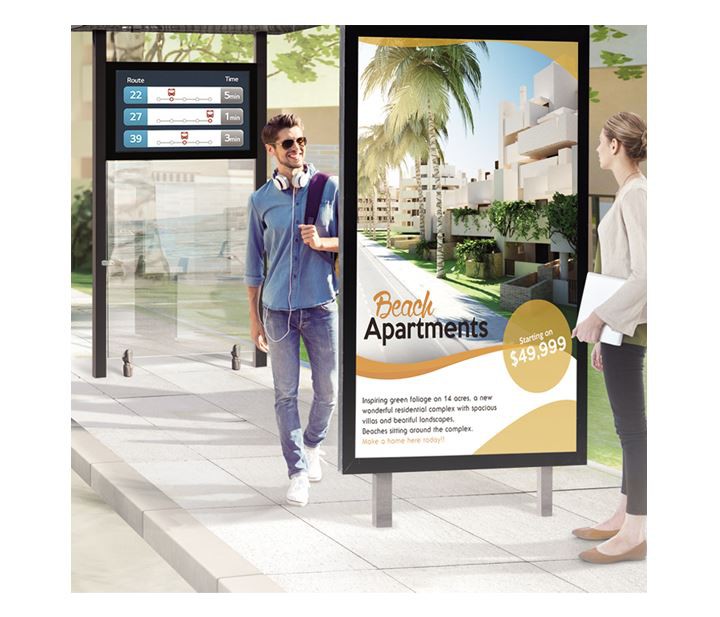
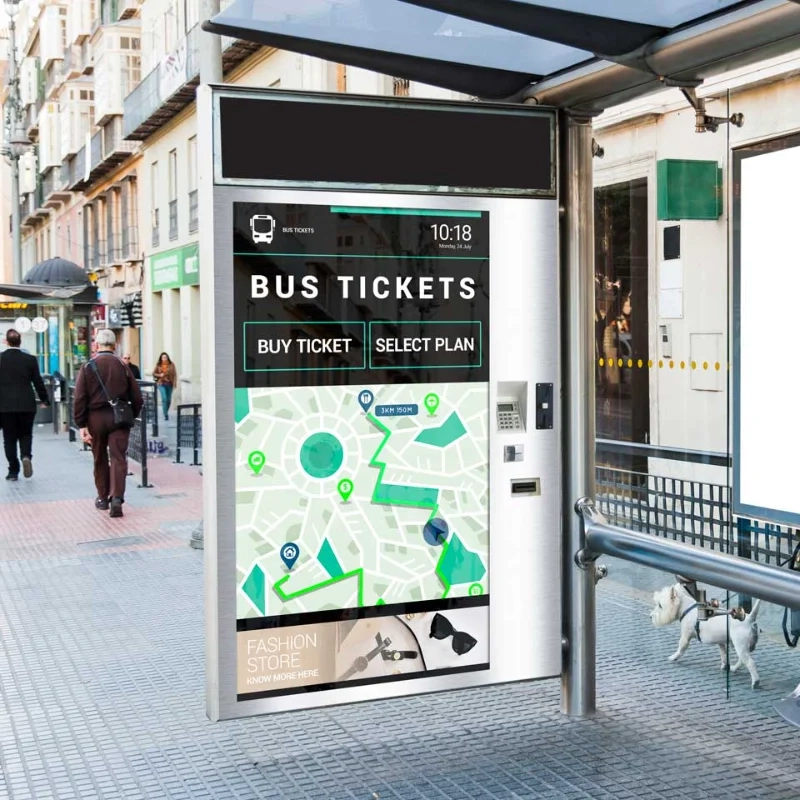
Another key factor is viewing angle performance. In real-world scenarios like bus stops or construction sites, users may view the screen from multiple angles. Displays using IPS (In-Plane Switching) or PLS (Plane-to-Line Switching) panels offer wider viewing angles than TN (Twisted Nematic) panels, improving usability without sacrificing brightness. Case studies from Samsung and LG show that PLS technology provides up to 178° horizontal and vertical viewing angles while maintaining consistent brightness and color reproduction—even in direct sunlight.
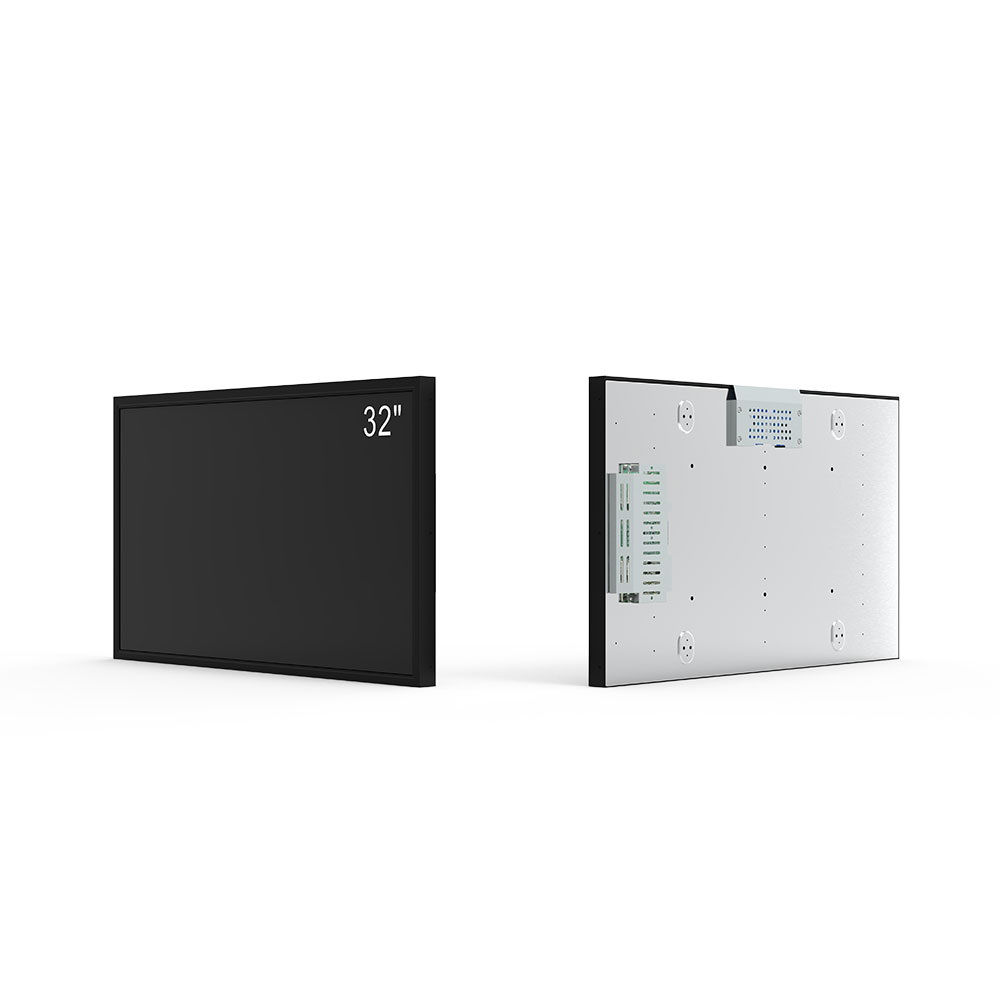
Environmental durability also matters. Many outdoor displays must comply with IP65 or higher ratings for dust and water resistance. For instance, a 2022 study published in the IEEE Transactions on Industrial Electronics found that sealing techniques like O-rings and UV-resistant polymers significantly improve long-term reliability in coastal and desert climates. Additionally, temperature tolerance—from -20°C to +70°C—is vital for global deployment, especially in regions with extreme seasonal variations.
Power consumption remains a concern, particularly for battery-operated or solar-powered devices. High-brightness modes typically consume 2–4 times more energy than standard modes. To address this, smart dimming algorithms (e.g., adaptive brightness based on ambient light sensors) have become standard. According to a 2023 report by Grand View Research, intelligent brightness control can reduce average power usage by up to 40%, extending device runtime and reducing maintenance costs.
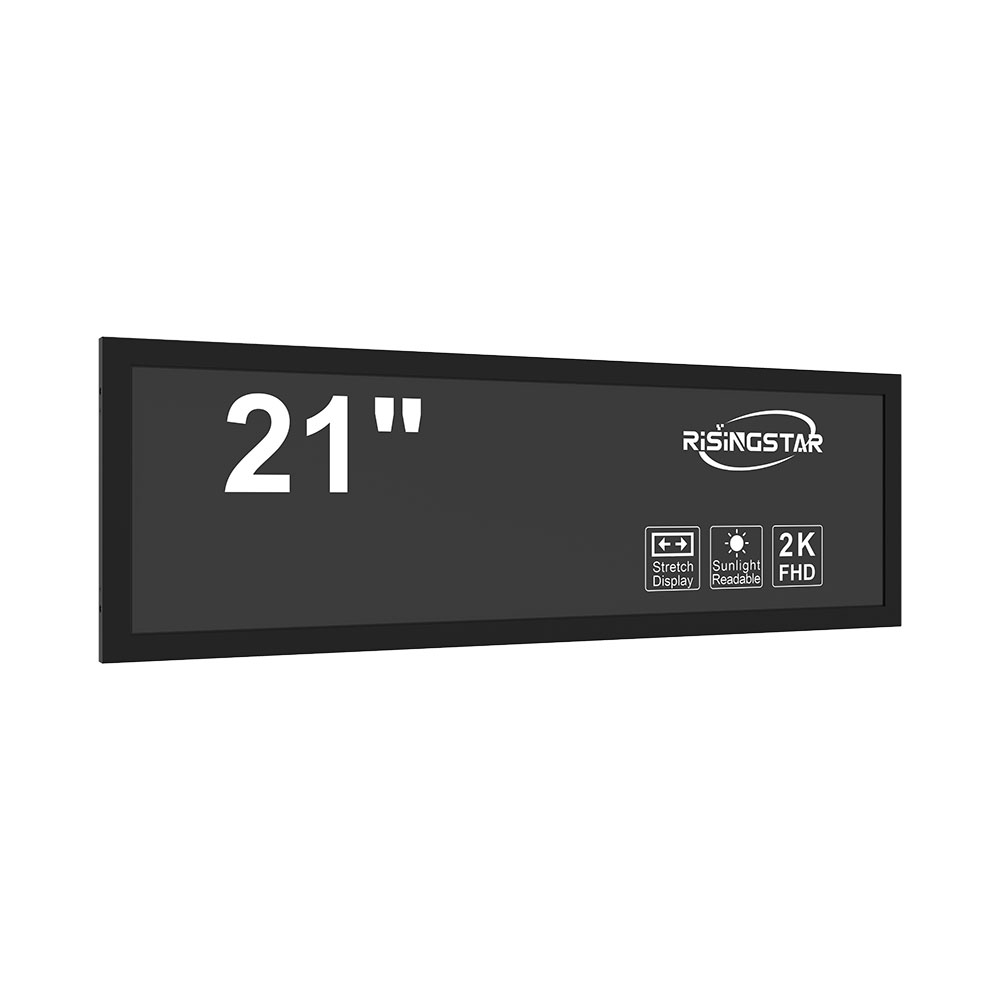
When selecting a sunlight-readable LCD, consider total cost of ownership—not just upfront price. While some vendors offer cheaper screens, they may lack long-term reliability or require frequent recalibration. Trusted suppliers like Sharp, Sony, and Crystalfontz provide comprehensive warranties, technical support, and compliance with international standards such as EN 60950 (safety) and ISO 14001 (environmental management).
Finally, future-proofing your design with modular interfaces—such as HDMI, LVDS, or MIPI—is crucial. As IoT integration increases, seamless connectivity ensures compatibility with next-gen edge computing platforms. In summary, choosing the right high-brightness LCD involves evaluating brightness, viewing angle, environmental resilience, power efficiency, and supplier credibility—all backed by real-world testing and adherence to recognized standards.