RisingStar
- Home
- About Us
- Products
- News
- Video
- Contact
- Send Inquiry
Search
- Home
- About Us
- Products
- News
- Video
- Contact
- Send Inquiry
RisingStar
High-brightness sunlight-readable LCD screens are essential in modern outdoor display applications where visibility under direct sunlight is critical. These displays are widely used in transportation, military, industrial, medical, and retail sectors—ranging from traffic signal panels and vehicle dashboards to command centers and kiosks. The primary challenge lies in ensuring that the screen remains legible even at solar irradiance levels exceeding 100,000 lux, which is significantly higher than indoor lighting conditions (~300–500 lux).
To address this, engineers employ a multi-layered approach combining optical design, advanced materials, and power-efficient backlighting. First, high-brightness LED backlights (typically rated at 5,000 to 10,000 nits) are used instead of standard CCFLs or low-output LEDs. This ensures sufficient luminance to overpower ambient light without excessive power draw. Second, anti-reflective coatings and polarized films reduce glare by minimizing surface reflections—a key factor in maintaining contrast ratios above 1000:1 in full sunlight. Third, active matrix technology (such as IPS or VA panels) with wide viewing angles improves readability from multiple positions, crucial for public-facing installations.
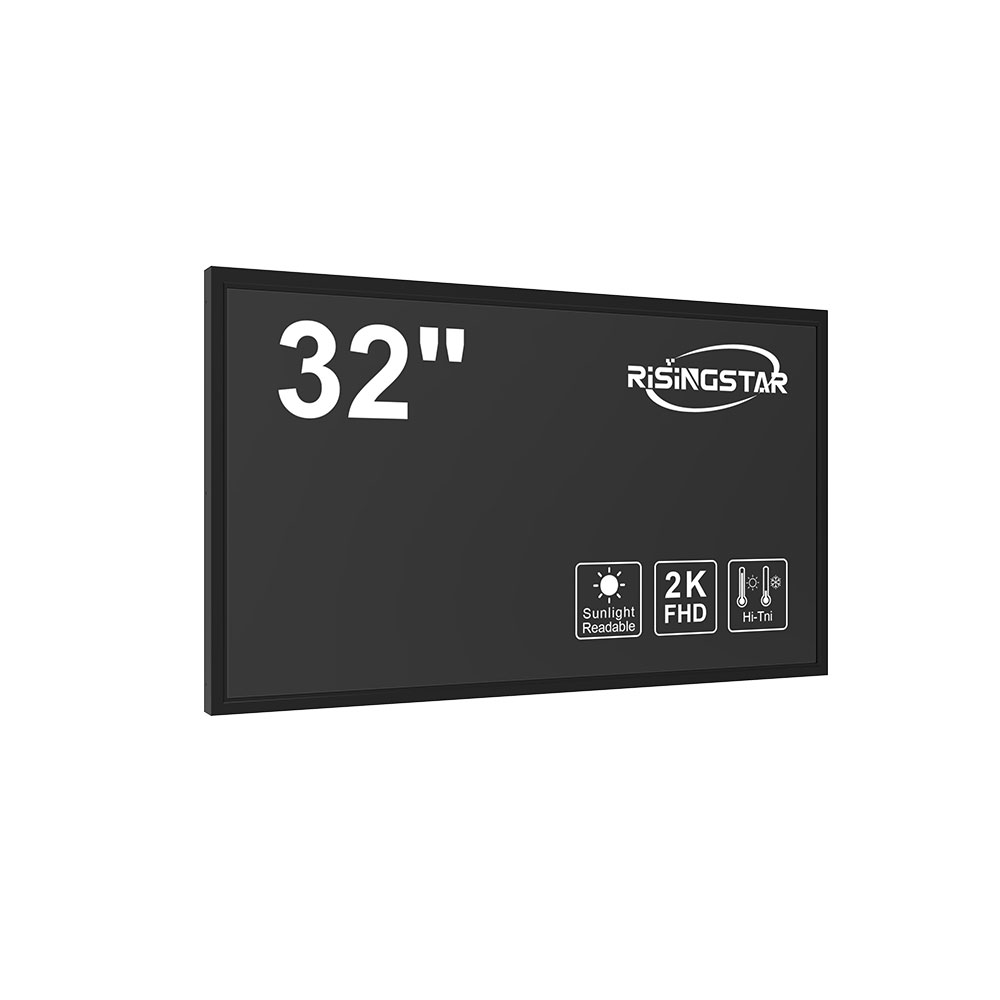
Recent case studies highlight the success of these systems. For example, the U.S. Department of Defense has adopted MIL-STD-810-compliant sunlight-readable LCDs in field-deployable communication devices, achieving over 8,000 nits brightness while maintaining thermal stability up to 60°C. Similarly, Hitachi’s outdoor digital signage solutions utilize adaptive brightness control algorithms that adjust output based on real-time ambient light sensors, reducing energy consumption by up to 40% compared to fixed-brightness systems.
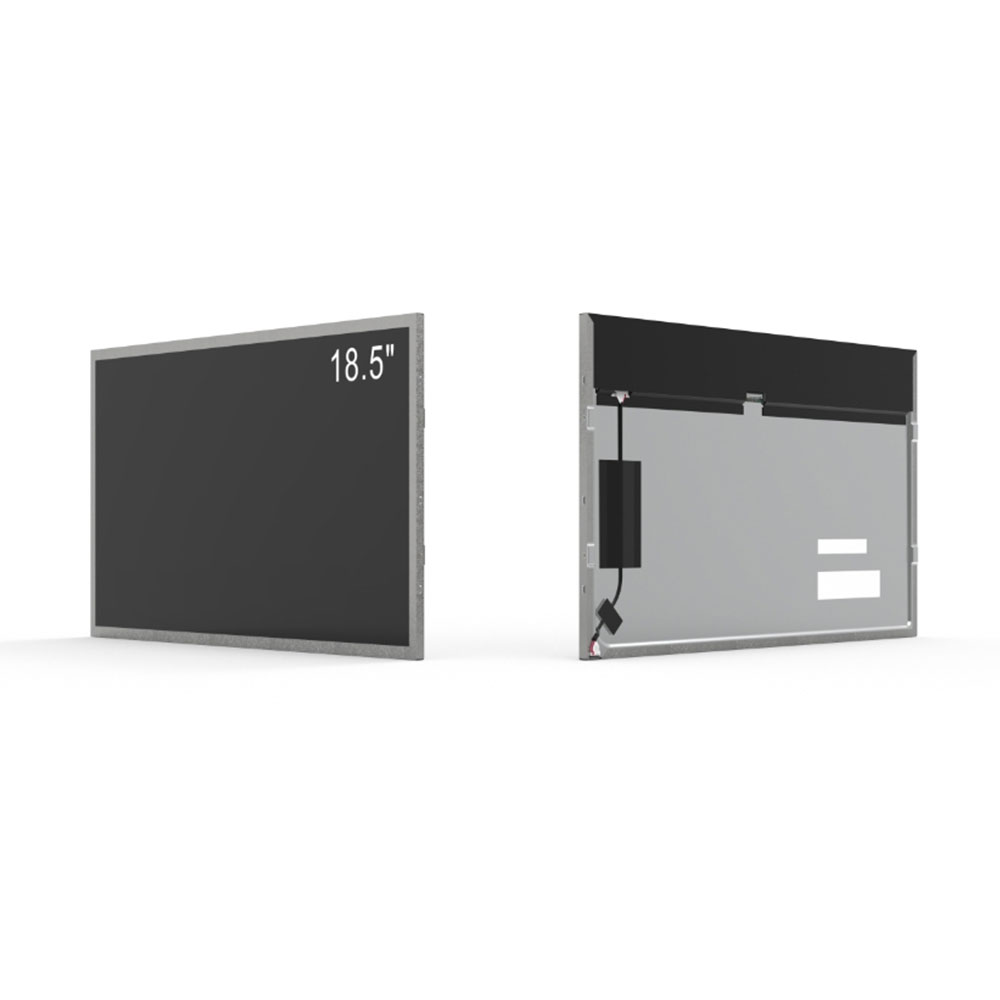
From a technical standpoint, the selection of liquid crystal materials (e.g., twisted nematic vs. in-plane switching) also impacts performance. IPS panels offer superior color accuracy and wider viewing angles, making them ideal for professional environments like hospitals and airports. Meanwhile, VA panels provide higher contrast ratios but may suffer from slower response times—an important consideration in dynamic content scenarios such as vehicle infotainment.
Manufacturers must also comply with international standards such as ISO 9241-3 (for visual ergonomics), EN 60068 (environmental testing), and IEC 60950 (safety). These ensure long-term reliability, durability against vibration, humidity, and temperature extremes, and compliance with EMC regulations.
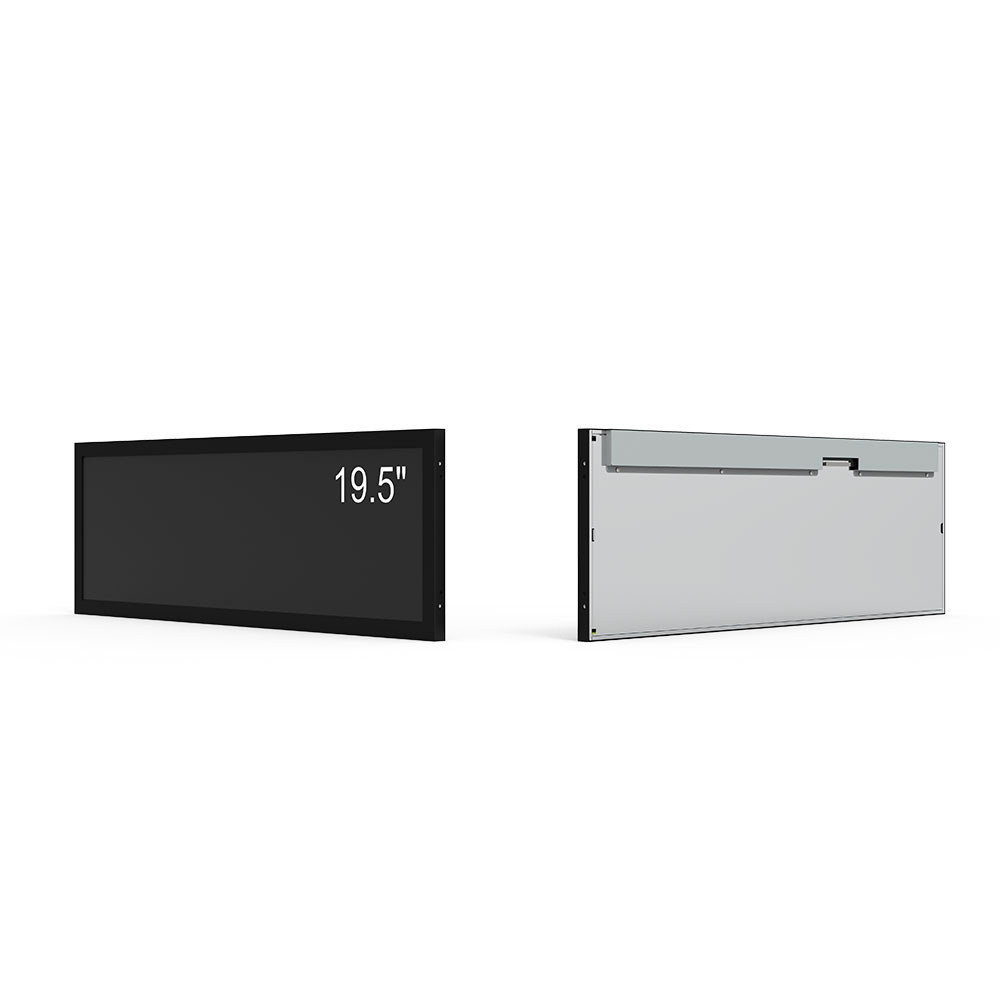
In conclusion, designing high-brightness sunlight-readable LCDs requires interdisciplinary expertise spanning optics, thermals, electronics, and human factors engineering. As outdoor digital experiences grow—from smart cities to autonomous vehicles—the demand for reliable, readable displays will only intensify. Continued innovation in micro-LED backlighting, quantum dot enhancements, and AI-driven brightness optimization promises further breakthroughs in efficiency, resolution, and user experience.