RisingStar
- Home
- About Us
- Products
- News
- Video
- Contact
- Send Inquiry
Search
- Home
- About Us
- Products
- News
- Video
- Contact
- Send Inquiry
RisingStar
In outdoor environments, especially in direct sunlight, standard LCD screens often fail to deliver clear visibility due to insufficient brightness and poor contrast. This is where high-brightness sunlight-readable LCD displays become essential—offering reliable performance under harsh lighting conditions such as those found in military field operations, industrial machinery, public transportation, and automotive dashboards. These specialized displays are engineered to maintain readability even under extreme solar irradiance levels (up to 100,000 lux), which can overwhelm conventional panels.
The core design principles behind high-brightness sunlight-readable LCDs involve a combination of hardware enhancements and software-driven optimizations. First, manufacturers typically use LED-backlit panels with brightness levels exceeding 5,000 nits—far beyond the 250–500 nits of standard indoor displays. Some advanced models reach up to 10,000 nits or more, using high-efficiency LEDs and optimized optical films that minimize light loss while maximizing luminance. Additionally, anti-glare coatings and polarization techniques reduce surface reflections, improving contrast ratios by up to 3x compared to uncoated displays.
Another critical factor is the use of transmissive, reflective, or transflective technologies. Transflective LCDs, for example, combine both reflective and transmissive modes—leveraging ambient light during daylight hours (reducing power consumption) and switching to active backlighting at night. This dual-mode capability makes them ideal for battery-powered devices like handheld tactical displays or portable medical equipment. Case studies from the U.S. Army’s Joint Tactical Radio System (JTRS) demonstrate how transflective LCDs reduced energy usage by 40% while maintaining full readability in desert and jungle environments.
Manufacturers also implement adaptive brightness control systems that dynamically adjust screen luminance based on ambient light sensors. These systems not only improve user experience but also extend panel lifespan by avoiding unnecessary over-illumination. According to a 2023 study published in IEEE Transactions on Industrial Electronics, such adaptive systems increase display longevity by up to 25% in continuous outdoor use.
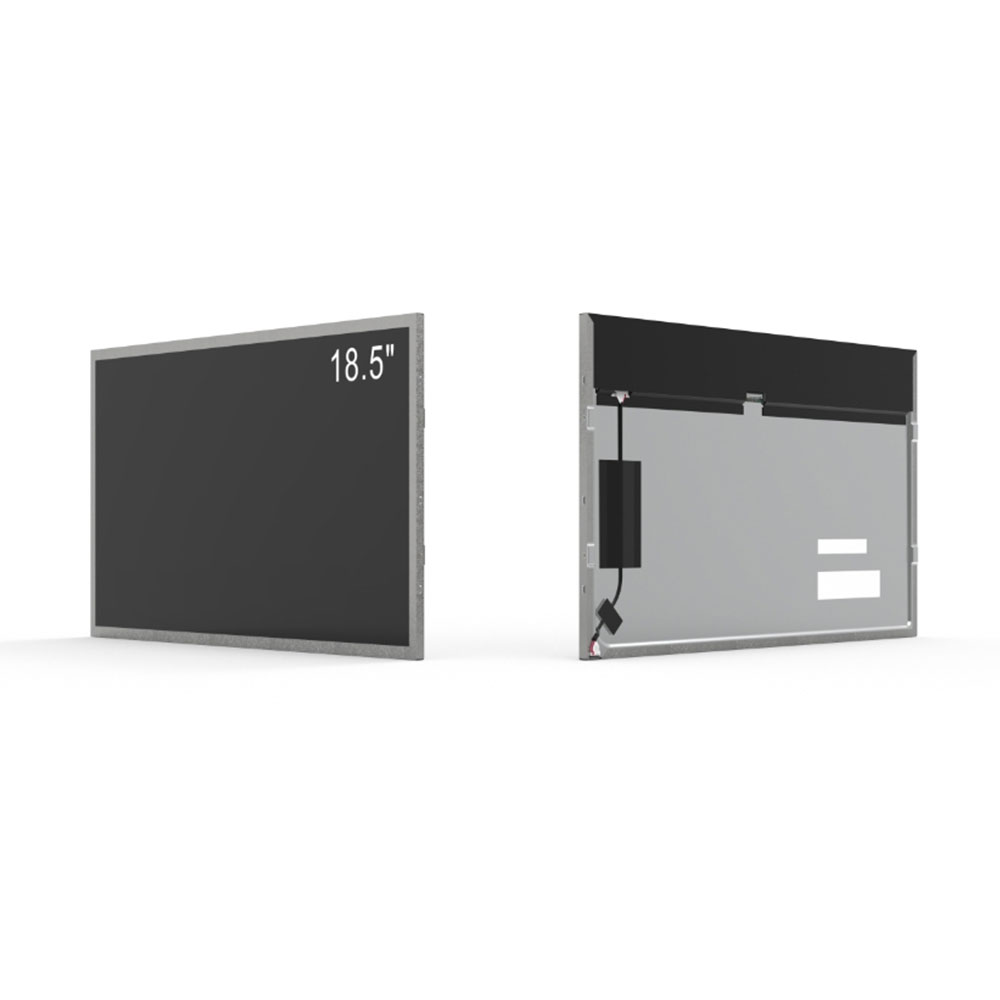
For applications requiring ruggedization, these displays often meet IP65 or higher ingress protection standards and MIL-STD-810G shock and vibration resistance requirements. This ensures durability in extreme temperatures (-30°C to +70°C), humidity, and mechanical stress—common in marine, aerospace, and construction industries.
When selecting a high-brightness sunlight-readable LCD, engineers must consider key specifications: peak brightness (measured in nits), viewing angle (minimum 120° horizontal and vertical), contrast ratio (at least 1000:1), and power efficiency. Integration with existing systems—such as embedded Linux, Android, or RTOS—is also crucial for seamless deployment in IoT-enabled smart devices.
In conclusion, choosing the right high-brightness sunlight-readable LCD requires a thorough understanding of environmental demands, technical parameters, and application-specific constraints. Whether it's for military-grade equipment, autonomous vehicles, or outdoor kiosks, investing in quality sunlight-readable displays ensures operational reliability, user safety, and long-term cost savings.