RisingStar
- Home
- About Us
- Products
- News
- Video
- Contact
- Send Inquiry
Search
- Home
- About Us
- Products
- News
- Video
- Contact
- Send Inquiry
RisingStar
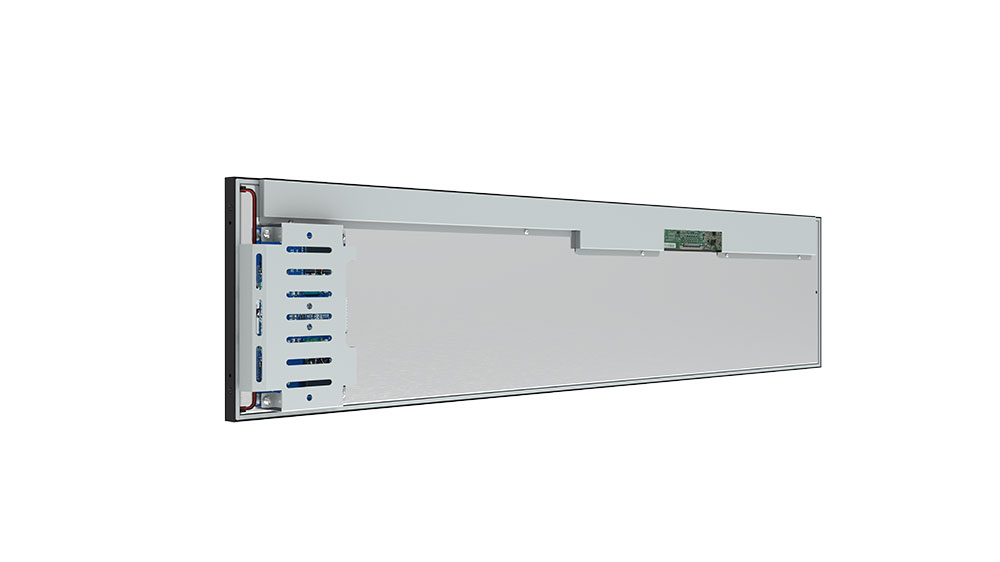
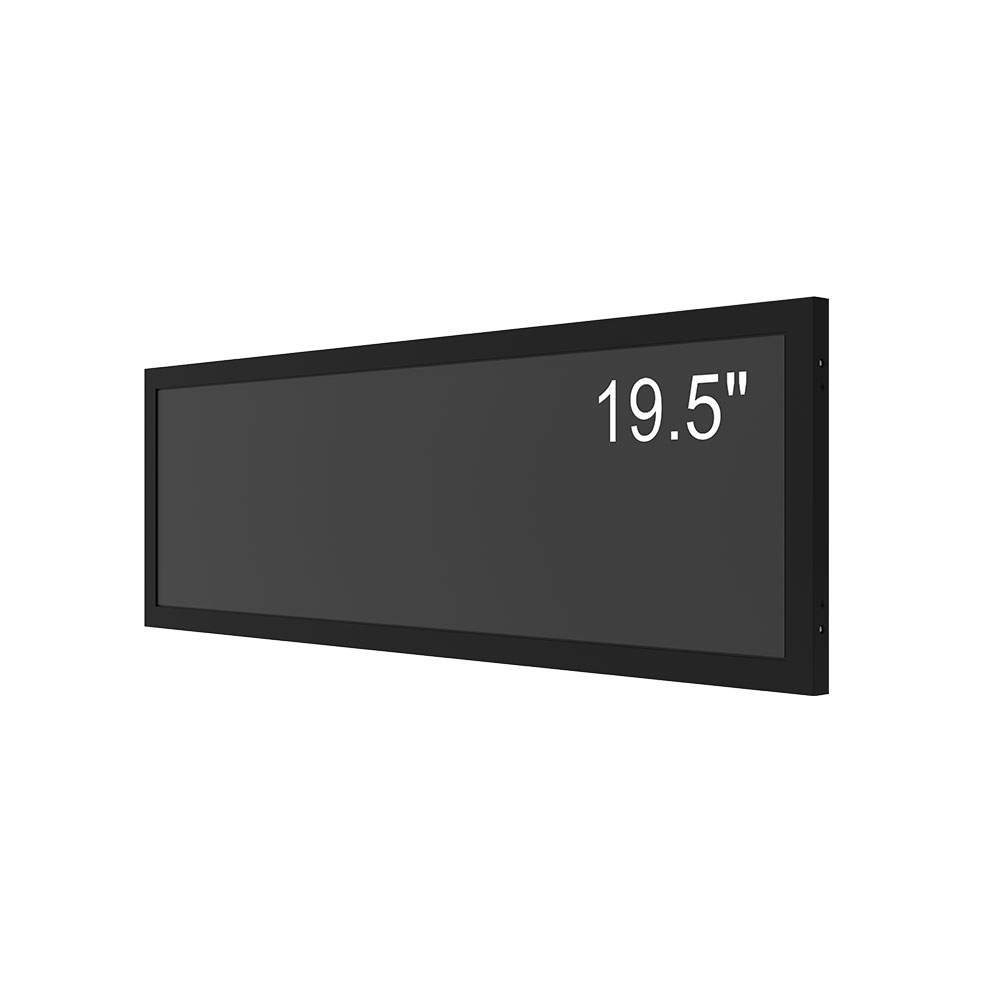
Strip screen series with display sizes ranging from 14.1 inches to 86 inches are increasingly critical in industrial, military, and outdoor applications where visibility under direct sunlight is non-negotiable. These high-brightness sunlight-readable LCDs, often referred to as "strip screens," are engineered to maintain clarity and performance even in extreme lighting conditions—such as bright daylight, low ambient light, or rapid environmental changes—making them indispensable across sectors like transportation, defense, construction, energy, and public infrastructure.
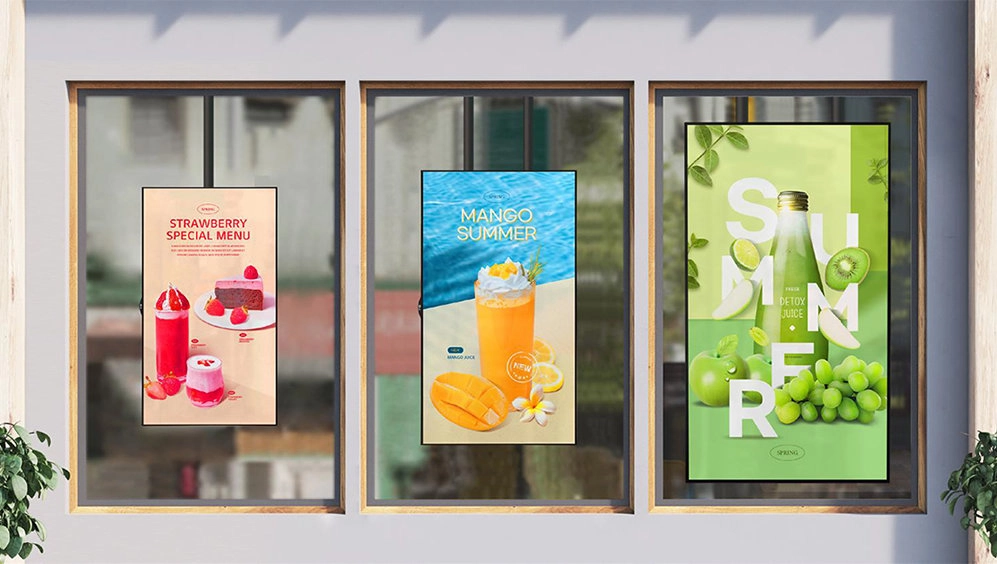
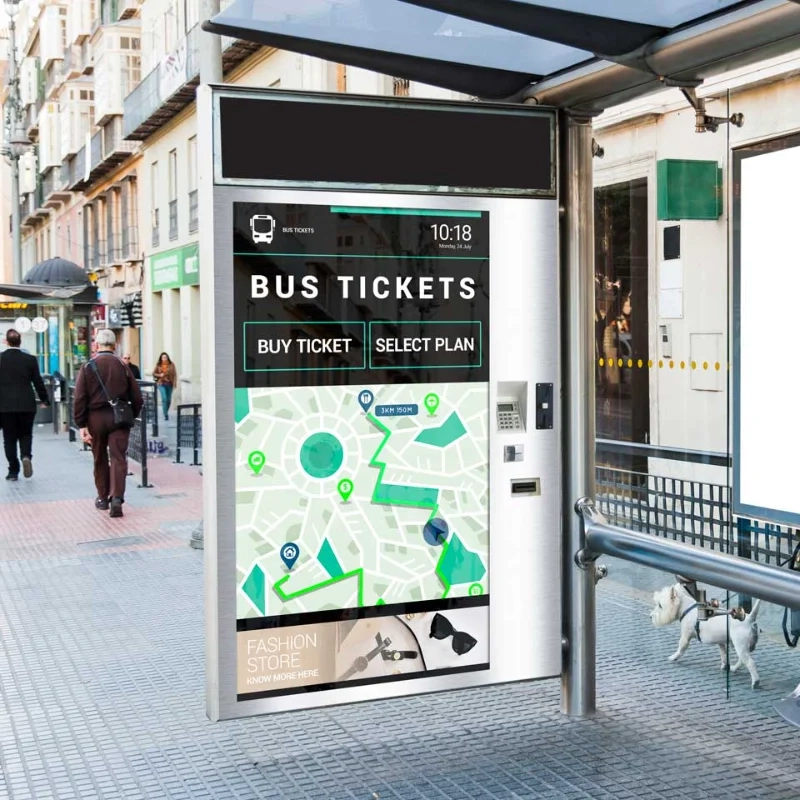
The most common sizes in this range include 19", 21.2", 24", 28.6", 37", 42", 48.5", 58.4", and 86" models, each optimized for specific use cases. For instance, the 19" and 21.2" variants are ideal for compact control panels in mobile equipment such as drones, armored vehicles, and agricultural machinery. The 28.6" and 37" units are frequently deployed in command centers and vehicle dashboards where high resolution and durability are essential. Larger screens like 48.5" and 58.4" support situational awareness in military operations, while the 86" model serves as a large-format outdoor digital signage solution for airports, stadiums, and public transport hubs.
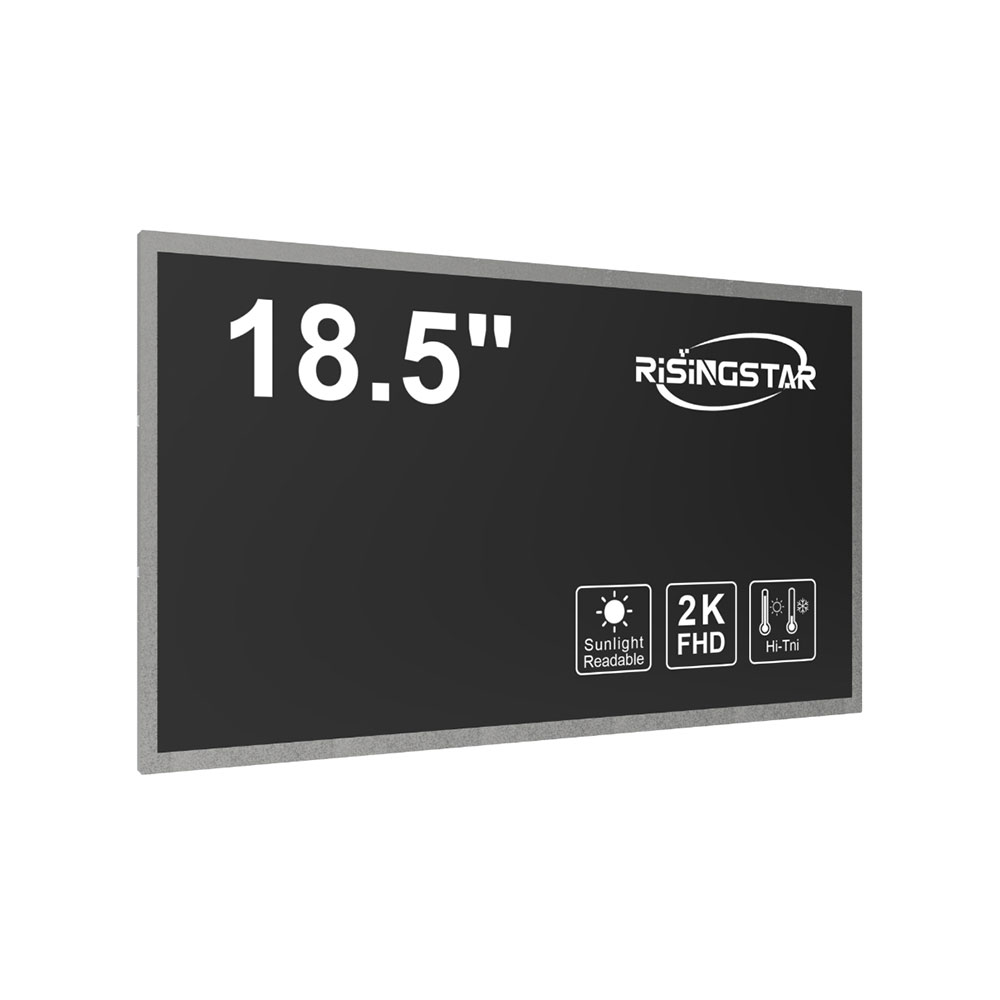
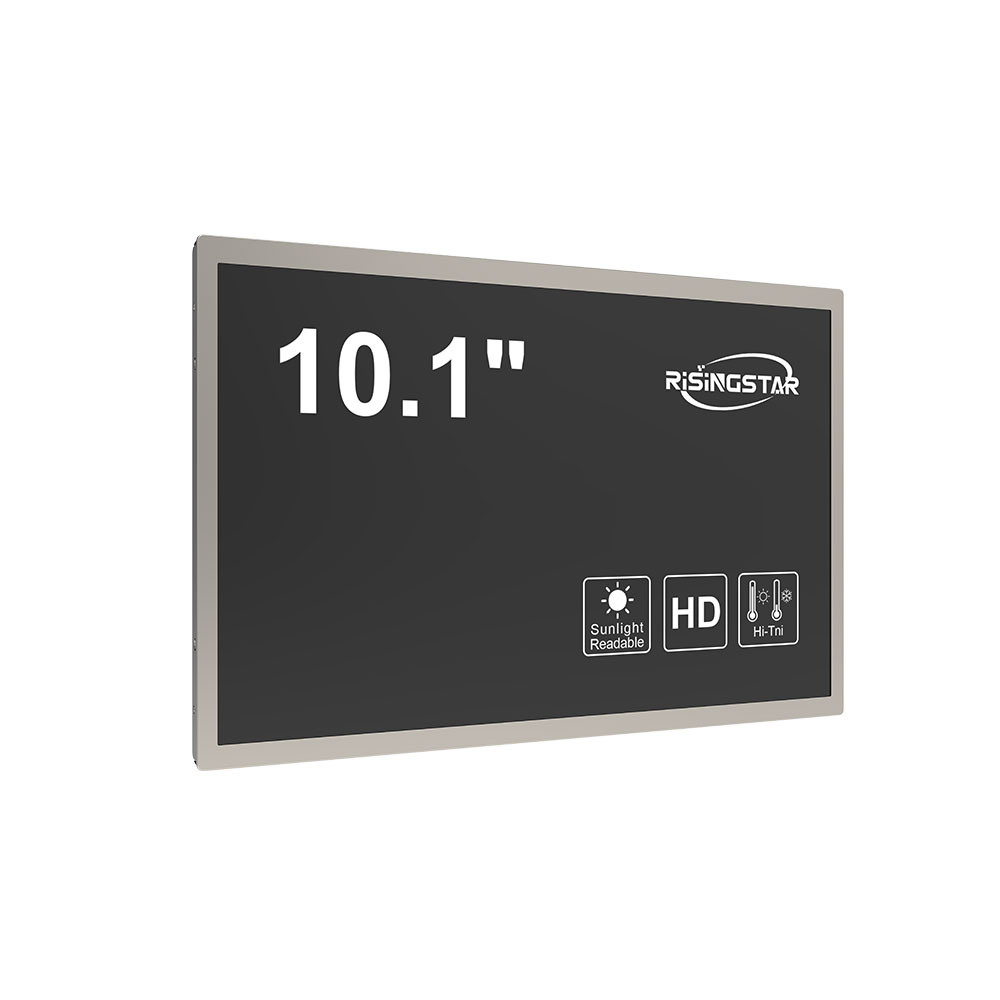
What sets these strip screens apart is not just their size but their advanced optical design. They utilize technologies such as transmissive liquid crystal displays (LCDs) with anti-glare coatings, LED backlighting capable of up to 10,000 nits peak brightness (well above the standard 1,000–3,000 nits), and dynamic contrast adjustment algorithms that adapt to real-time lighting conditions. Some models incorporate dual-layer polarizers and polarization filters that reduce specular reflection—an issue common in standard LCDs exposed to sunlight—and enhance readability without sacrificing color accuracy.
Manufacturers like LG Display, Sharp, and Innolux have developed proprietary solutions, including integrated sun sensors and automatic brightness control (ABC) systems that optimize power efficiency while ensuring consistent visibility. Industry standards such as MIL-STD-810G for ruggedization and IEC 60068 for environmental stress testing ensure these screens meet stringent durability requirements, including shock resistance, dust/water ingress protection (IP65/IP67), and wide operating temperature ranges (-30°C to +70°C).
Case studies from the U.S. Department of Defense show that the adoption of 42" and 48.5" sunlight-readable strip screens in field communication units significantly reduced misinterpretation of data during daytime missions. Similarly, European rail operators have reported improved operator response times using 29.4" strip screens in locomotive cabs equipped with GPS and train control interfaces, thanks to the ability to read information at full clarity—even under intense solar glare.
To achieve long-term reliability, manufacturers integrate thermal management systems such as passive heat sinks and fanless cooling mechanisms, preventing overheating in enclosed environments. Power consumption is minimized through adaptive dimming logic, making these screens suitable for battery-powered or solar-recharged applications.
In summary, the strip screen series spans a broad spectrum of sizes tailored to demanding applications, combining cutting-edge optics, robust engineering, and intelligent software to deliver unmatched visibility in any environment. Whether deployed in a military UAV, a remote oil rig, or an outdoor kiosk, these screens represent the gold standard for high-brightness, sunlight-readable display technology today.