RisingStar
- Home
- About Us
- Products
- News
- Video
- Contact
- Send Inquiry
Search
- Home
- About Us
- Products
- News
- Video
- Contact
- Send Inquiry
RisingStar
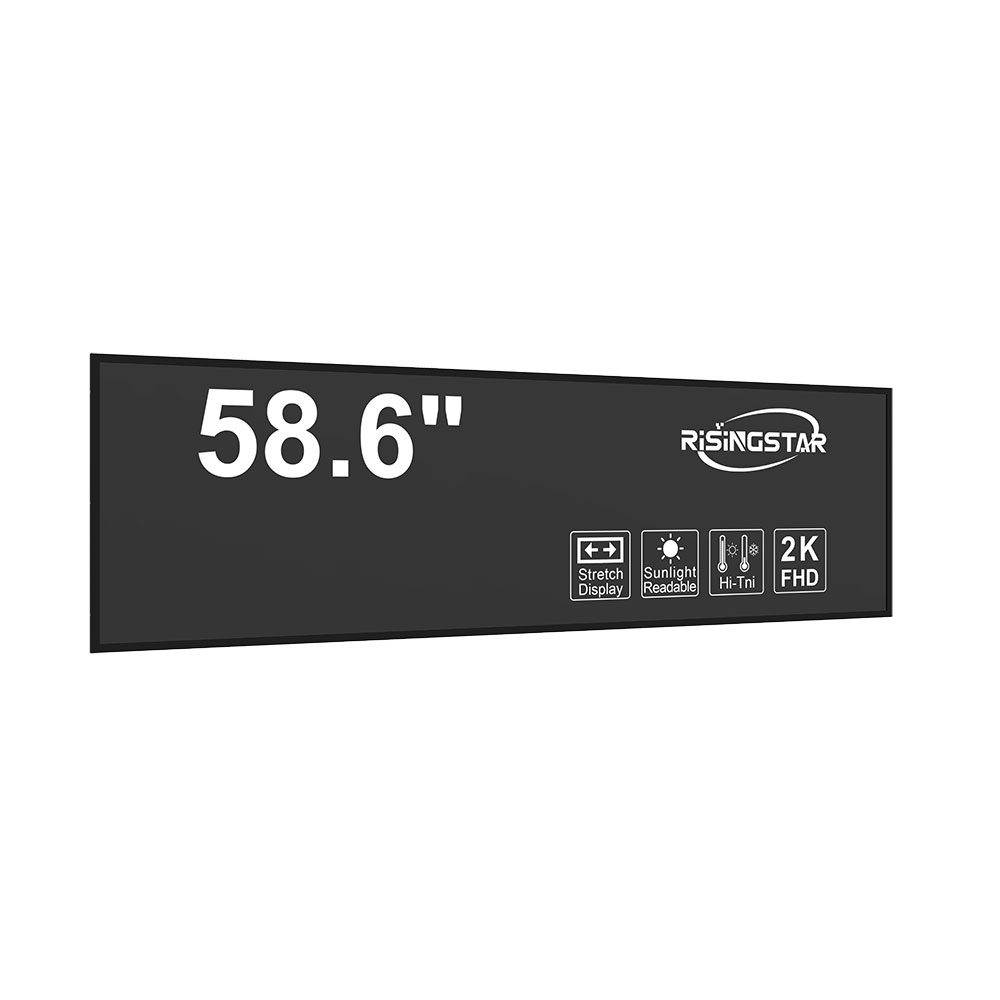
High-brightness sunlight-readable LCD screens have become essential in modern outdoor display technology, particularly in applications where visibility under direct sunlight is critical. These displays are engineered to maintain clarity and readability even in intense ambient lighting conditions—commonly found in military, transportation, industrial, and consumer sectors. Unlike standard LCDs that suffer from washed-out images in bright environments, sunlight-readable displays incorporate advanced optical designs, high-luminance backlighting (typically exceeding 5,000 nits), and anti-glare coatings to ensure optimal performance.
One of the most prominent practical applications lies in military and defense systems. For example, battlefield command-and-control units, unmanned ground vehicles (UGVs), and tactical handheld devices rely on these screens to deliver mission-critical information in full daylight. According to a 2023 report by MarketsandMarkets, the global market for ruggedized outdoor displays is projected to grow at a CAGR of 7.8% through 2028, driven largely by demand from defense and logistics industries.
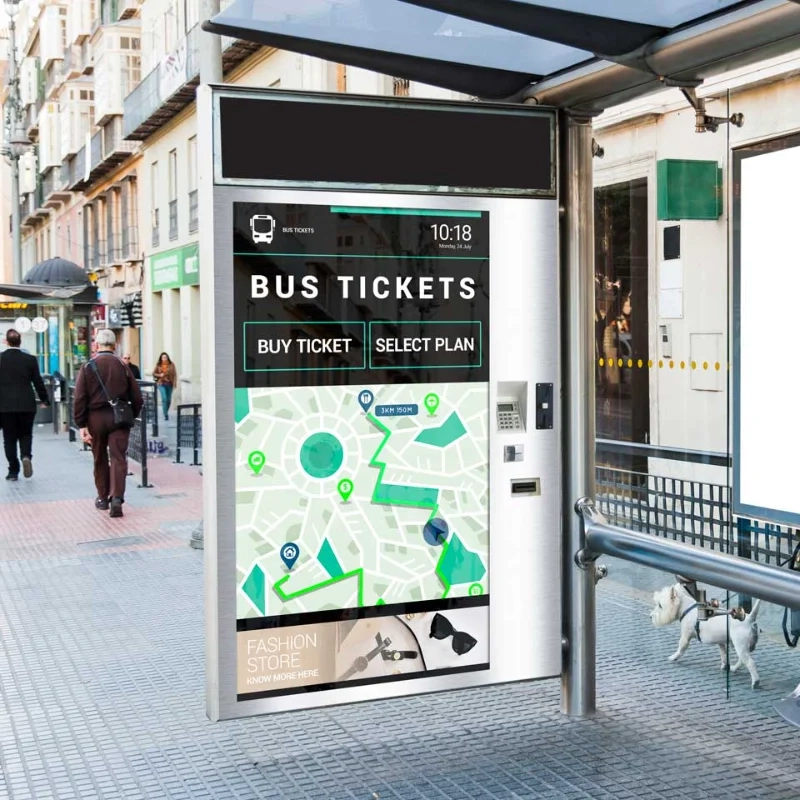
In commercial settings, high-brightness LCDs are widely used in public transport systems such as bus and train information panels, where users must read schedules or alerts in varying light conditions—from dawn to midday sun. Similarly, in automotive dashboards, especially for electric vehicles, these displays offer improved driver safety by ensuring vital data like speed, battery level, and navigation remain clearly visible regardless of environmental brightness.
The advantages of sunlight-readable LCDs are clear: enhanced visibility without increasing power consumption, reduced eye strain, and longer operational life due to robust materials. They often integrate with ambient light sensors for automatic brightness adjustment, improving energy efficiency—a key consideration in battery-powered devices. Recent trends also show a shift toward using OLED and Mini-LED backlights, which offer higher contrast ratios and better color accuracy than traditional LED-backlit LCDs while maintaining high peak brightness levels.
However, common problems persist. Thermal management remains a challenge, as high-brightness operation increases heat output, potentially shortening screen lifespan if not properly addressed. Additionally, some early models suffered from poor viewing angles or inconsistent color reproduction under extreme temperatures. Modern solutions now include thermal interface materials (TIMs) and wide-view IPS panels to mitigate these issues. Industry standards such as MIL-STD-810G and IP65/IP67 ratings are increasingly adopted to ensure durability against shock, vibration, dust, and water ingress.
Looking ahead, future innovations will focus on adaptive brightness algorithms powered by AI, real-time ambient light optimization, and integration with AR/VR interfaces for immersive outdoor experiences. With advancements in micro-LED and quantum dot technologies, the next generation of sunlight-readable displays promises even greater efficiency, longevity, and visual fidelity.