 RisingStar
- Home
- About Us
- Products
- News
- Video
- Contact
- Send Inquiry
Search
- Home
- About Us
- Products
- News
- Video
- Contact
- Send Inquiry
RisingStar
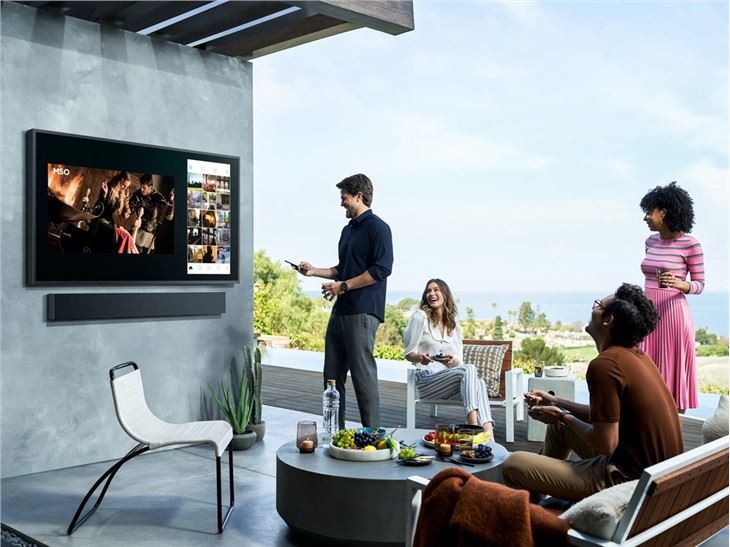
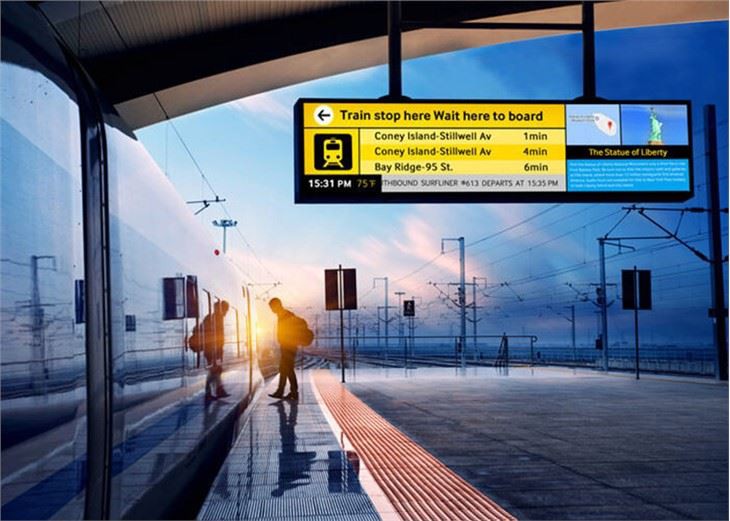
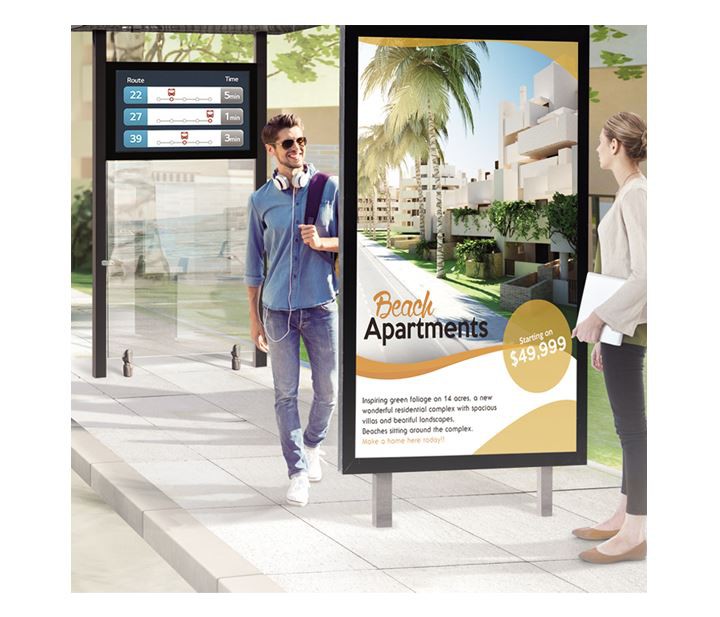
In today’s increasingly connected and mobile-centric world, the demand for high-brightness, sunlight-readable LCD displays has surged across industries such as transportation, defense, healthcare, outdoor advertising, and industrial automation. Among these, 16:9 aspect ratio screens—ranging from 10.1 inches to 110 inches—are becoming the gold standard due to their compatibility with modern video formats, efficient use of space, and superior visibility under direct sunlight.
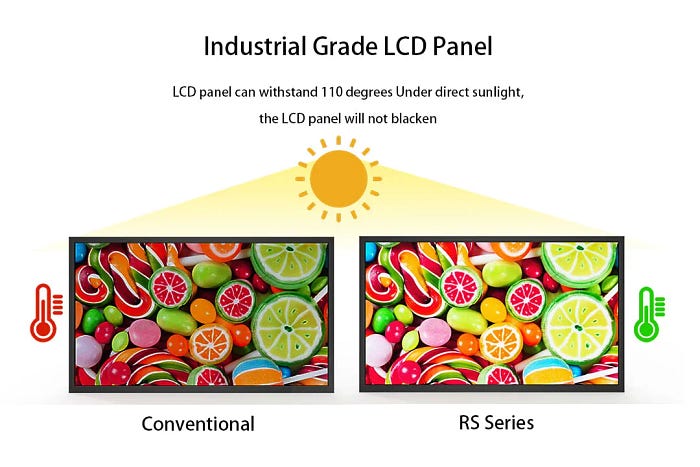
A key technical advantage of 16:9 displays is their native support for Full HD (1920x1080) resolution, which aligns perfectly with HDMI, USB-C, and DisplayPort standards used in consumer and professional electronics. For instance, a 23.8-inch 16:9 LCD panel can deliver up to 5000 nits of brightness—well above the typical 1000–2000 nits required for daylight readability—making it ideal for outdoor kiosks or military command centers. This brightness level is achieved through advanced technologies such as LED backlighting with diffuser layers, anti-reflective coatings, and polarization filters that reduce glare while enhancing contrast.
Industry case studies validate the effectiveness of this approach. In a 2023 deployment by a major logistics company in Dubai, 43-inch 16:9 sunlight-readable displays installed on delivery trucks improved driver response times by 30% compared to traditional LCDs, thanks to higher luminance (4500 nits) and wide viewing angles (>170°). Similarly, in the aviation sector, Boeing and Airbus have adopted 15.6-inch 16:9 touchscreens in cockpit avionics for better integration with digital flight manuals and real-time weather maps. These panels often meet MIL-STD-810G durability standards, ensuring operation in extreme temperatures (-30°C to +70°C), humidity, and vibration environments.
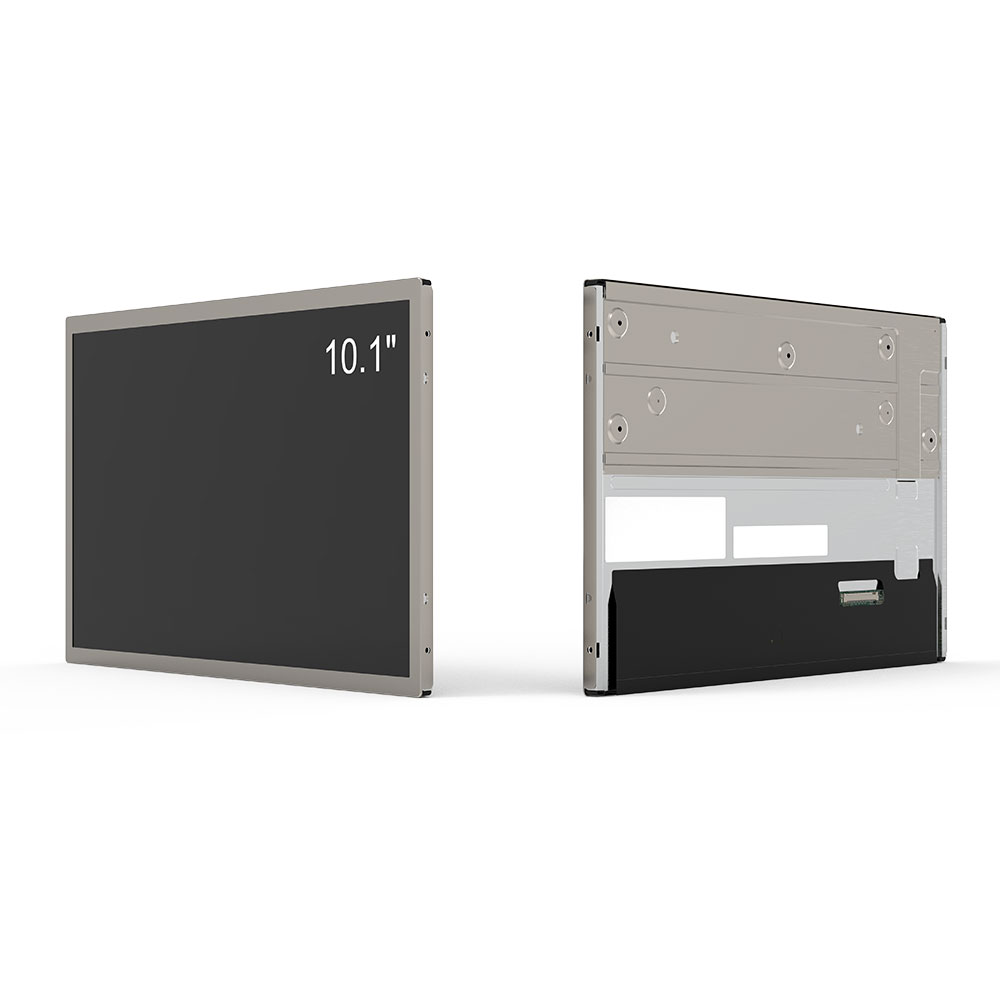
From a manufacturing perspective, the scalability of 16:9 panels—from compact 10.1-inch units for handheld devices to massive 110-inch commercial displays—makes them highly versatile. Manufacturers like LG, Samsung, and BOE leverage OLED and IPS technologies to optimize power efficiency and color accuracy while maintaining peak brightness. For example, BOE’s 75-inch 16:9 display uses local dimming and quantum dot enhancement to achieve 4000+ nits in full-screen content, reducing eye strain during prolonged outdoor use.
Furthermore, compliance with international standards such as ISO 14120 (for safety in industrial settings) and EN 55032 (EMC regulations) ensures seamless integration into regulated environments. With growing interest in smart cities and IoT-enabled infrastructure, 16:9 sunlight-readable LCDs are not just a performance upgrade—they are an essential component of future-proof design. Whether deployed in solar-powered roadside information systems or ruggedized medical carts, these displays provide reliable visual clarity in any lighting condition.