RisingStar
- Home
- About Us
- Products
- News
- Video
- Contact
- Send Inquiry
Search
- Home
- About Us
- Products
- News
- Video
- Contact
- Send Inquiry
RisingStar
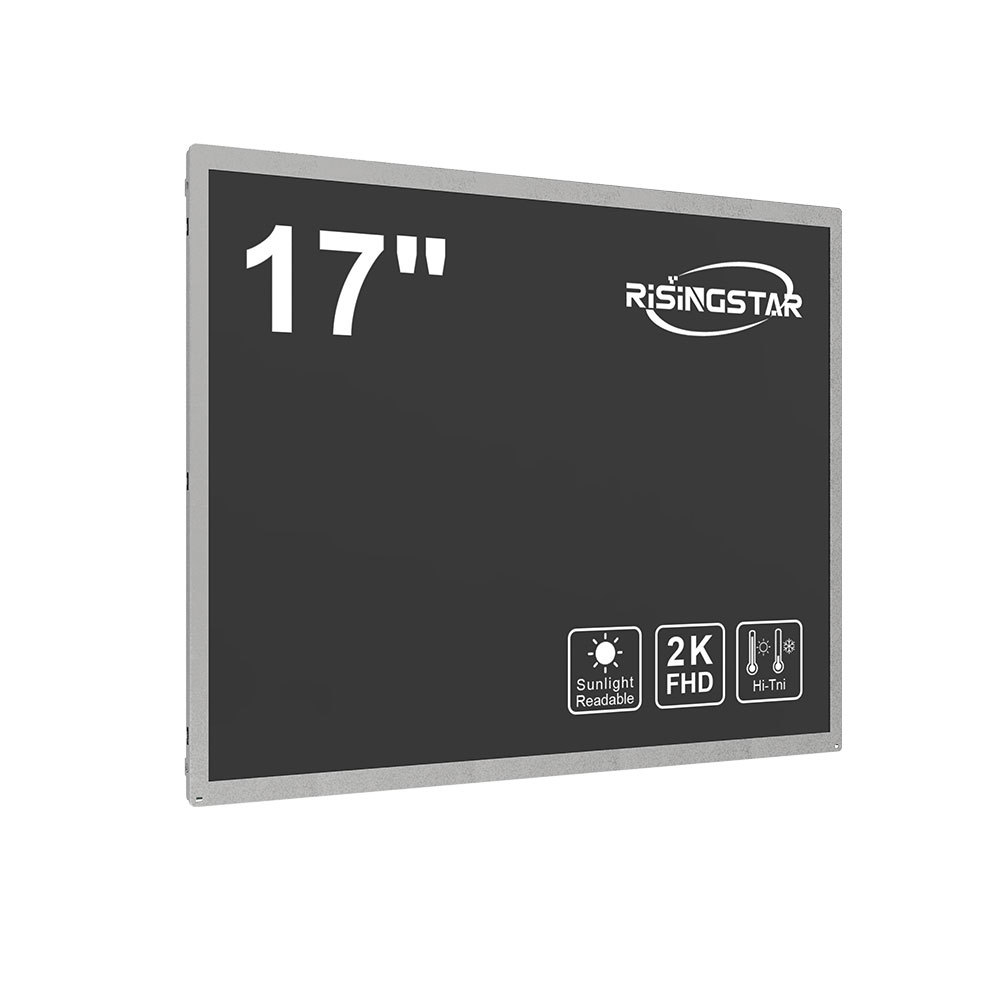
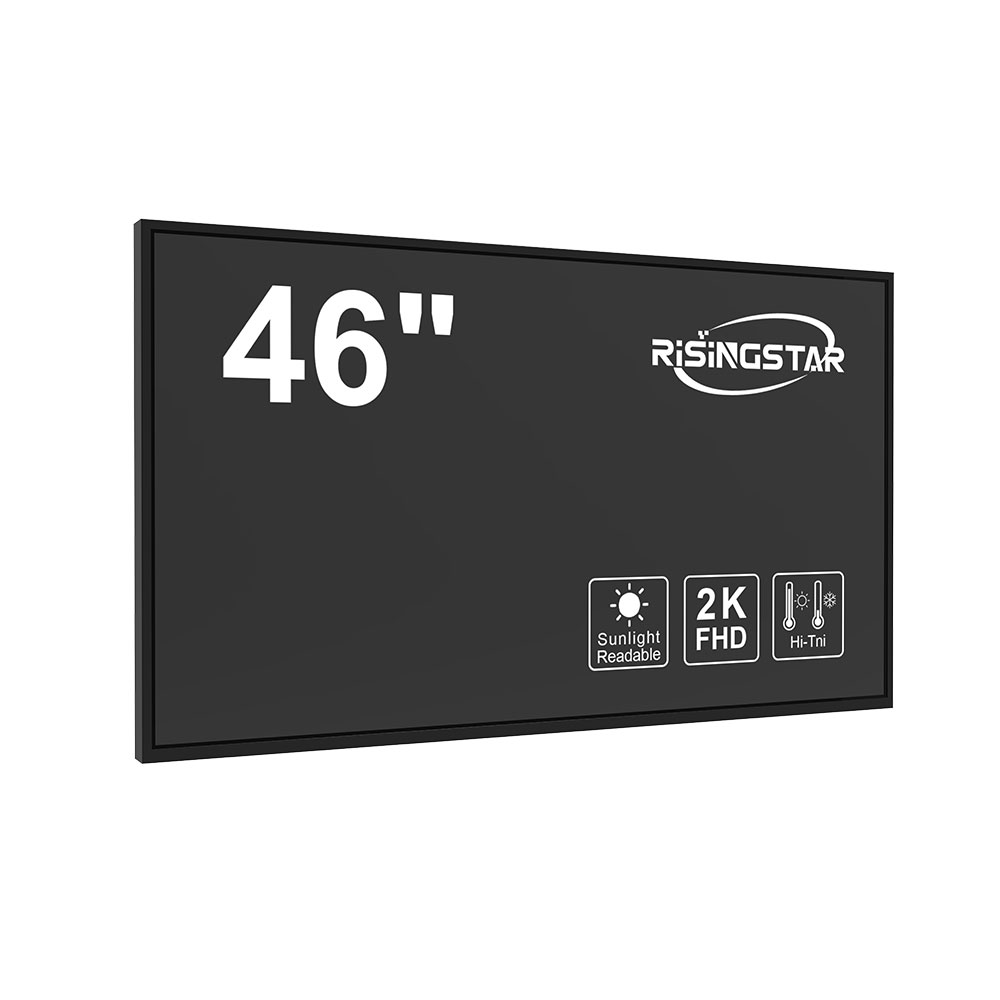
High-brightness, sunlight-readable LCD displays are essential in modern outdoor and transit environments where visibility under direct sunlight is non-negotiable. These displays, typically rated at 5,000 to 10,000 nits of brightness or higher, use advanced technologies such as high-luminance LED backlights, anti-glare coatings, and wide-viewing-angle panels to ensure clear image quality even in intense ambient lighting conditions. Industry standards like ISO 9241-3 define luminance requirements for human-centric display design, and manufacturers must comply with MIL-STD-810 for ruggedness in extreme temperatures and vibrations—critical for applications in trains, buses, and subways.
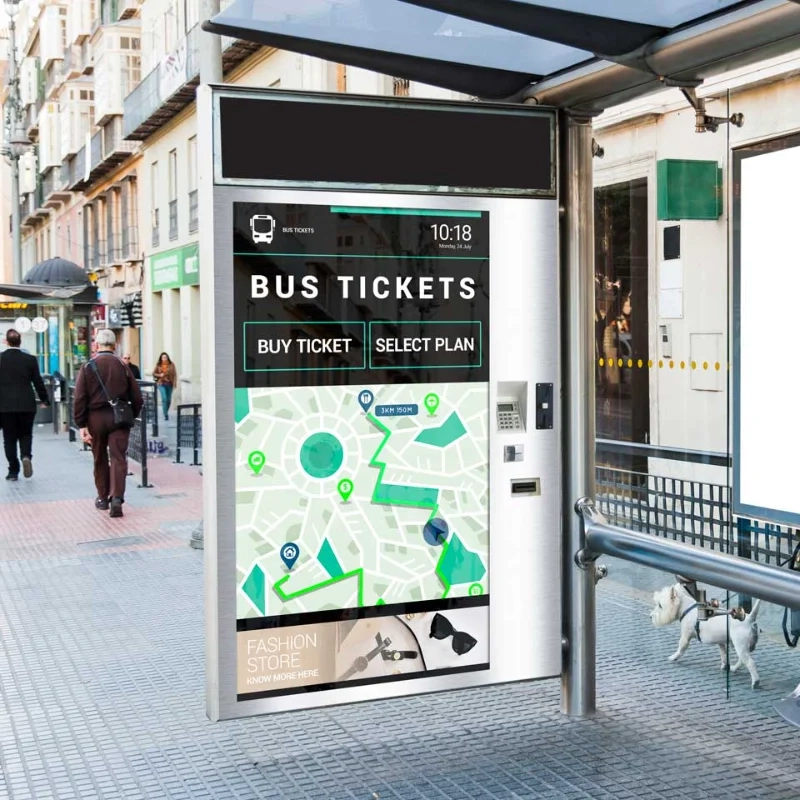
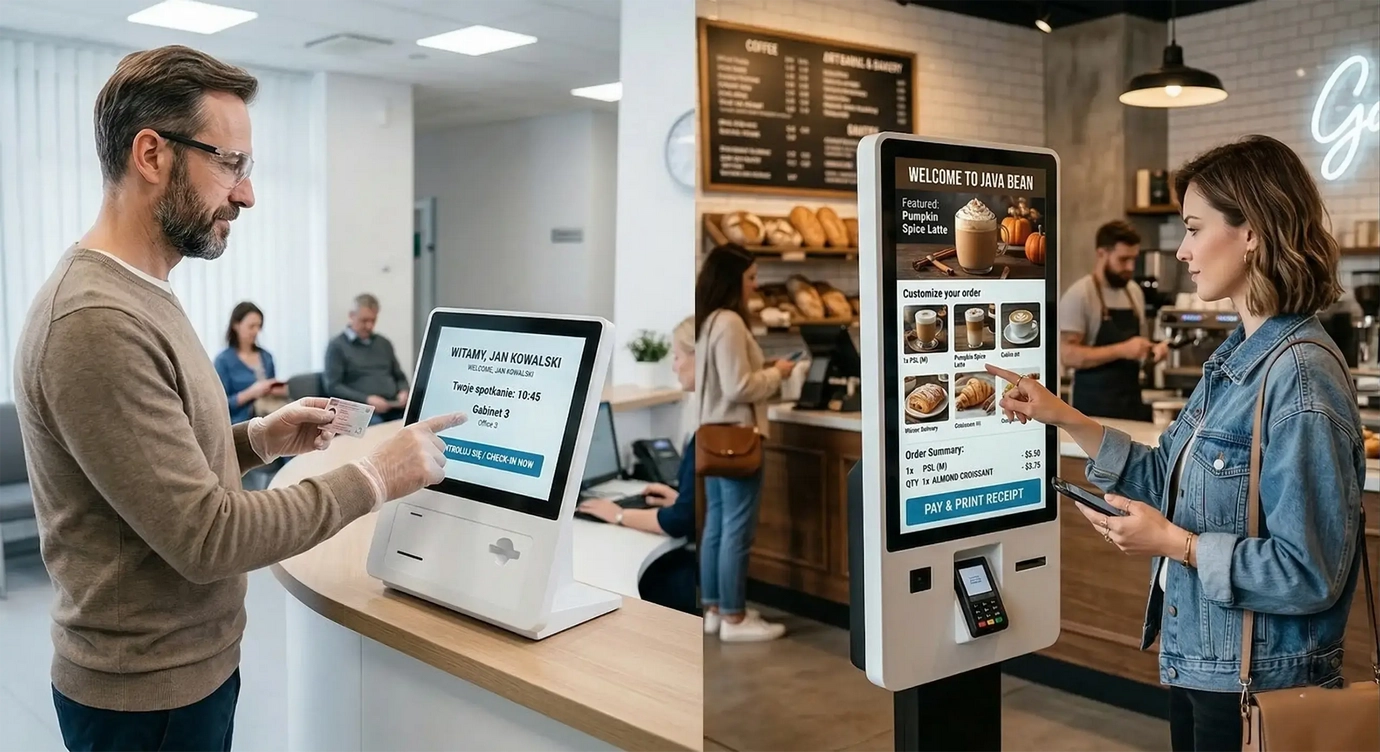
In passenger information systems (PIS) across railways and public transport, these displays provide real-time updates on schedules, delays, and emergency alerts. For example, Tokyo Metro and London Underground deploy high-brightness LCDs in platform displays that remain readable under both natural and artificial light, improving passenger safety and satisfaction. Similarly, EV charging kiosks and gas pumps in North America and Europe increasingly adopt this technology to ensure users can see pricing, status indicators, and payment options clearly—even in midday sun.
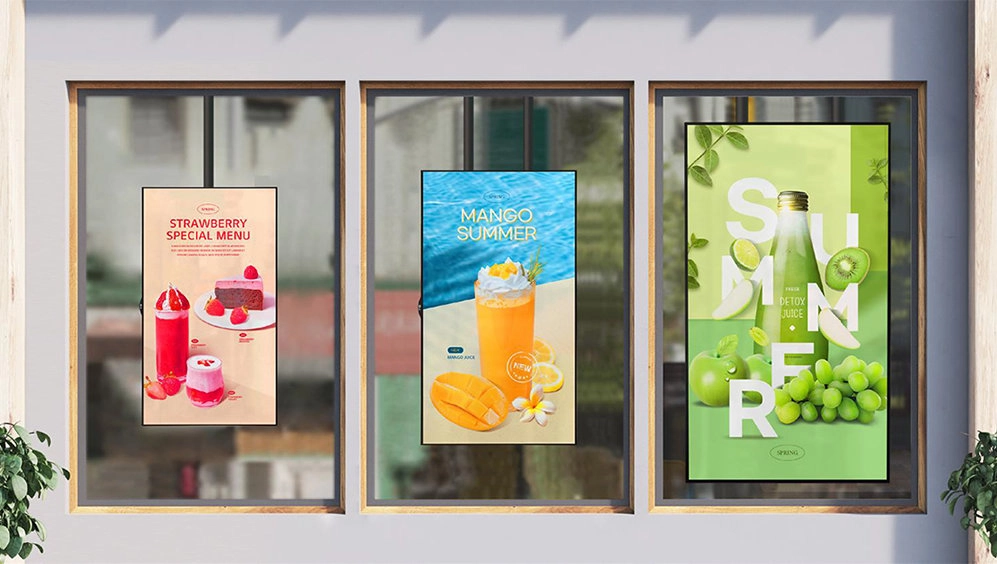
Retail and real estate sectors also benefit from sunlight-readable displays for digital signage. In retail, brands like Nike and Apple use high-brightness screens in storefronts to attract attention while maintaining color accuracy outdoors. Real estate agencies leverage them for dynamic property listings in high-footfall areas, offering instant updates without fading or glare. Outdoor digital signage used in stadiums, airports, and city centers relies on these displays to deliver advertising content that remains sharp and engaging regardless of time of day or weather.
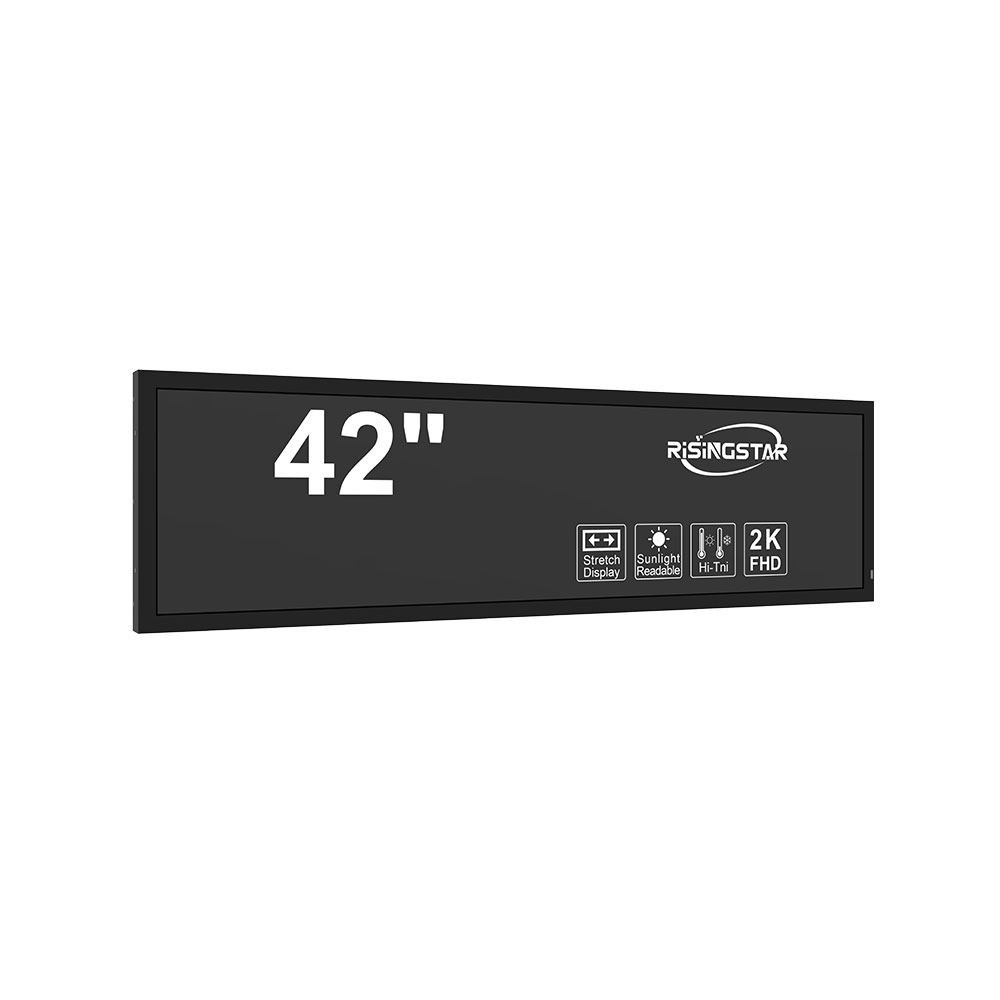
The underlying engineering includes active matrix thin-film transistor (TFT) technology, optimized for contrast ratios above 1000:1, and sometimes dual-layer polarizers to reduce reflection. Some models incorporate automatic brightness control (ABC), which adjusts luminance based on ambient light sensors to improve energy efficiency and prolong panel life. Additionally, IP65 or higher ingress protection ensures resistance to dust and water, crucial for installations in open-air environments.
Case studies from companies like LG Display, BOE Technology, and Innolux show that high-brightness LCDs reduce operational downtime by up to 40% compared to standard displays when deployed in harsh outdoor settings. The integration of robust drivers, thermal management solutions, and wide operating temperature ranges (-20°C to +70°C) further supports reliability in diverse climates—from the deserts of Dubai to the cold winters in Scandinavia.
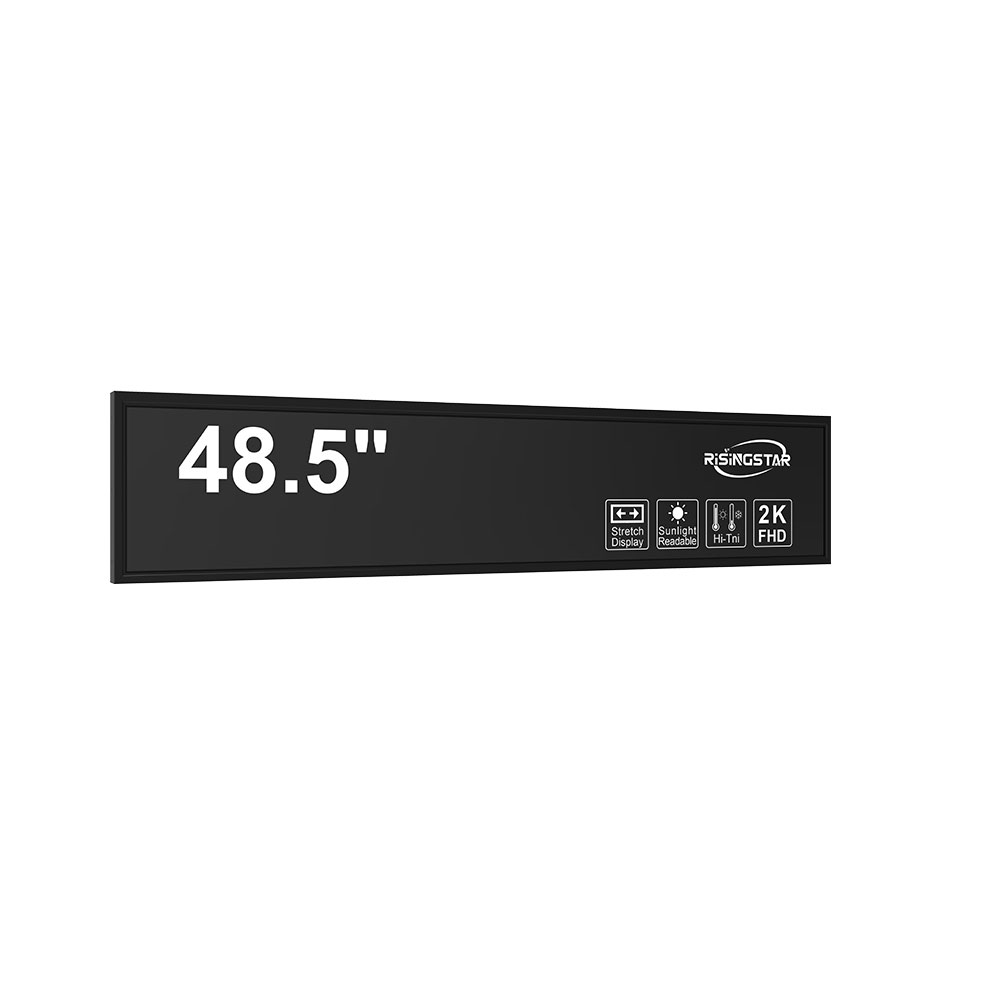
As demand grows for smart cities, sustainable infrastructure, and connected mobility, high-brightness sunlight-readable LCDs are no longer optional—they’re a foundational component in creating accessible, user-friendly, and resilient digital interfaces across transportation, energy, retail, and urban planning domains.