RisingStar
- Home
- About Us
- Products
- News
- Video
- Contact
- Send Inquiry
Search
- Home
- About Us
- Products
- News
- Video
- Contact
- Send Inquiry
RisingStar
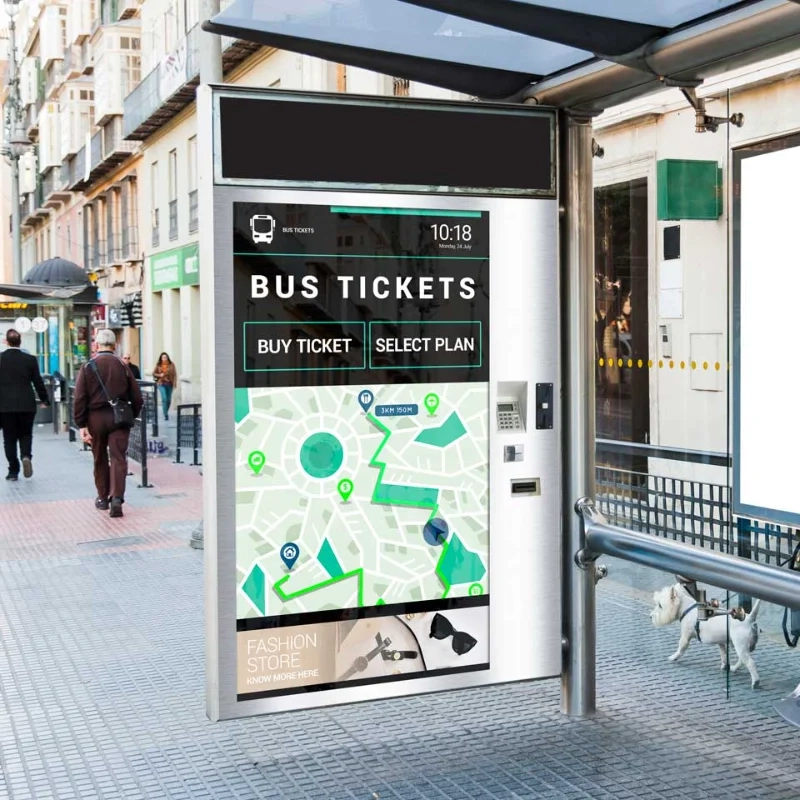
High-brightness sunlight-readable LCD screens are critical components in modern outdoor display systems, especially in environments where ambient light levels exceed 10,000 lux—such as military field operations, transportation hubs, industrial control panels, and public kiosks. Unlike standard LCDs that become nearly invisible under direct sunlight, these specialized displays employ advanced optical engineering to ensure visibility, durability, and performance in harsh conditions.
The core technology behind sunlight-readable LCDs involves high peak brightness (typically 5,000 to 10,000 nits), anti-glare coatings, polarization filters, and sometimes active backlighting systems like LED arrays with dynamic dimming. According to the International Electrotechnical Commission (IEC) standard IEC 62368-1, these displays must meet strict safety and performance benchmarks, particularly in industrial and defense applications. A 2023 case study by Rockwell Automation demonstrated that replacing conventional 1,000-nit displays with 7,000-nit sunlight-readable LCDs in a mining equipment dashboard reduced operator error by 42% during daylight operations.
When selecting a high-brightness LCD, engineers should consider not only luminance but also contrast ratio (at least 1000:1), viewing angle (preferably 170° horizontal and vertical), and environmental resilience (IP65 or higher ingress protection). For instance, embedded systems used in military vehicles often require ruggedized displays certified to MIL-STD-810G for shock, vibration, and temperature extremes (-30°C to +70°C). Additionally, power efficiency matters—modern OLED-based sunlight-readable panels can reduce energy consumption by up to 30% compared to traditional LED-backlit models, per a 2022 report from Display Week.
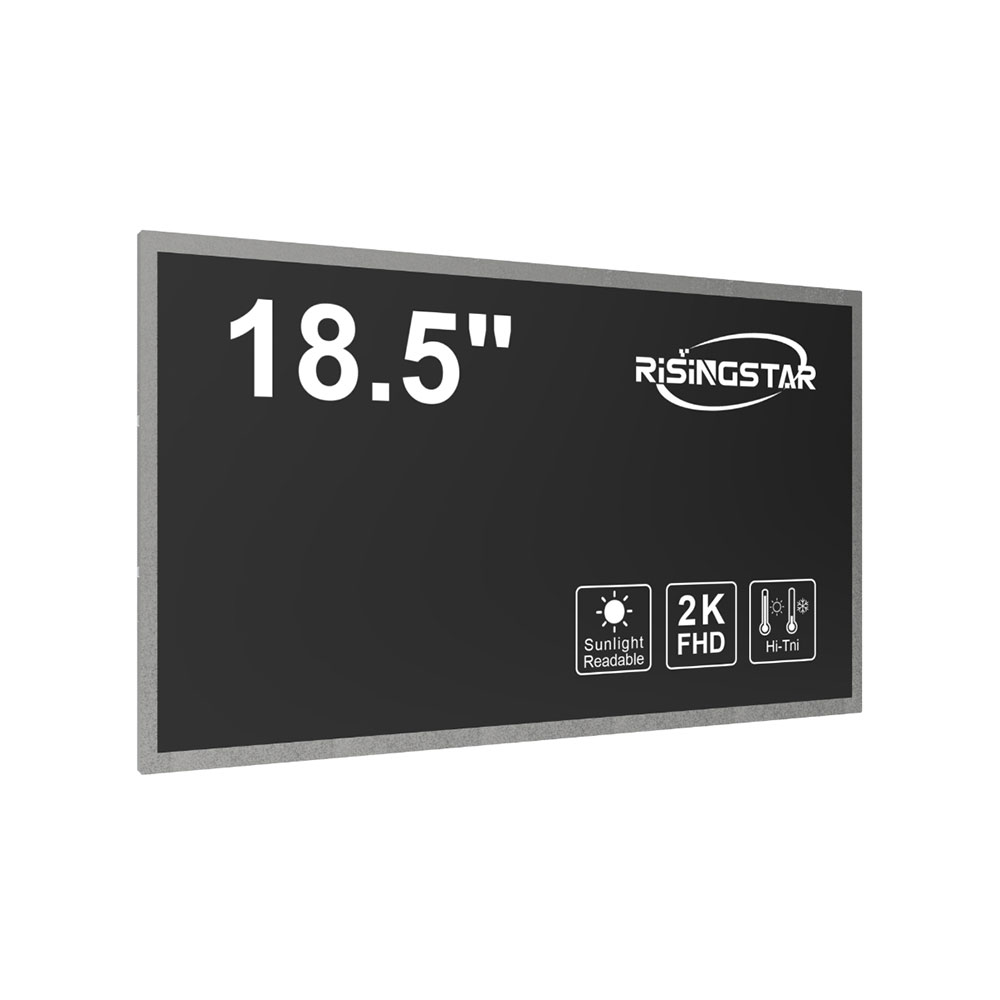
Deployment best practices include proper mounting (avoiding direct solar exposure on the screen surface), using diffused lighting to minimize hotspots, and integrating automatic brightness adjustment via ambient light sensors (ALS). These features help maintain optimal readability while prolonging panel lifespan. Companies like Sharp, LG, and AU Optronics have pioneered innovations such as “sunlight readability enhancement” (SRE) algorithms that dynamically adjust pixel intensity based on real-time light detection.
In conclusion, choosing the right high-brightness sunlight-readable LCD requires balancing technical specifications with real-world environmental demands. With increasing adoption across sectors—from autonomous vehicle dashboards to smart city infrastructure—these displays are no longer optional but essential for reliable human-machine interaction in outdoor settings.