RisingStar
- Home
- About Us
- Products
- News
- Video
- Contact
- Send Inquiry
Search
- Home
- About Us
- Products
- News
- Video
- Contact
- Send Inquiry
RisingStar
IP66 waterproof LCD displays are engineered to withstand harsh environmental conditions, making them essential in industrial, military, marine, and outdoor applications where exposure to water, dust, and extreme weather is common. The IP (Ingress Protection) rating system, defined by the International Electrotechnical Commission (IEC 60529), classifies the degree of protection provided against solid objects (like dust) and liquids (like water). An IP66 rating indicates that a display is completely protected against dust ingress (6) and can withstand powerful water jets from any direction (6). This level of protection is not merely a marketing claim—it is rigorously tested in certified laboratories using standardized procedures such as those outlined in IEC 60529.
Designing an IP66-rated LCD screen involves multiple engineering layers. First, the LCD panel itself must be encapsulated with a robust, optically clear adhesive or silicone-based sealant to prevent moisture penetration. Second, the bezel and housing materials—typically aluminum alloys or polycarbonate—are machined with tight tolerances to ensure a perfect fit between components. Third, gaskets made from EPDM (Ethylene Propylene Diene Monomer) rubber or similar materials provide a continuous sealing barrier around the edges. Finally, all connectors, buttons, and ports must be sealed using waterproof housings or conformal coatings, ensuring no internal components are exposed to humidity or spray.
Real-world case studies validate the effectiveness of IP66-rated displays. For example, a leading manufacturer of agricultural drones used IP66 waterproof LCDs for ground control units operating in rain-soaked fields. These displays maintained full functionality even after being doused with high-pressure water jets during field tests. Similarly, marine equipment providers use IP66 LCDs in navigation systems on boats, where saltwater exposure and splashing are constant challenges. In both cases, the displays outperformed non-protected alternatives in durability and reliability under real-world conditions.
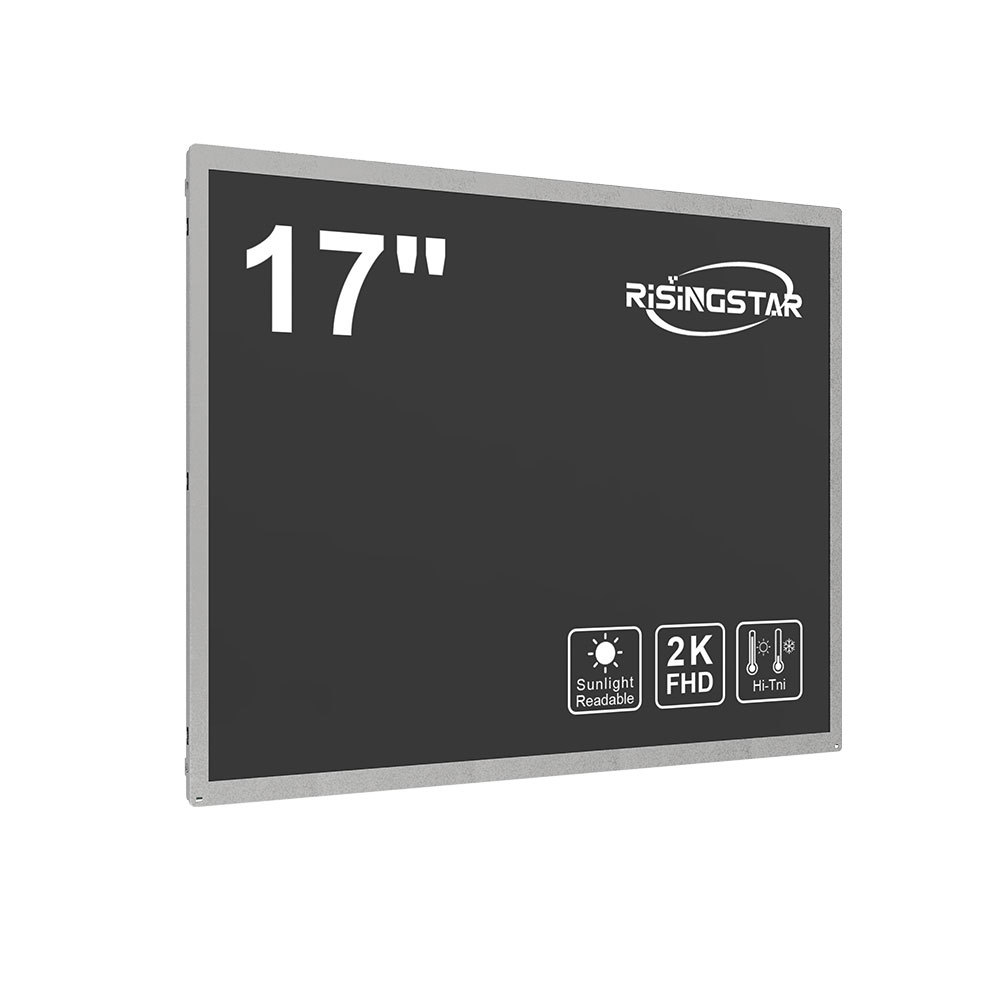
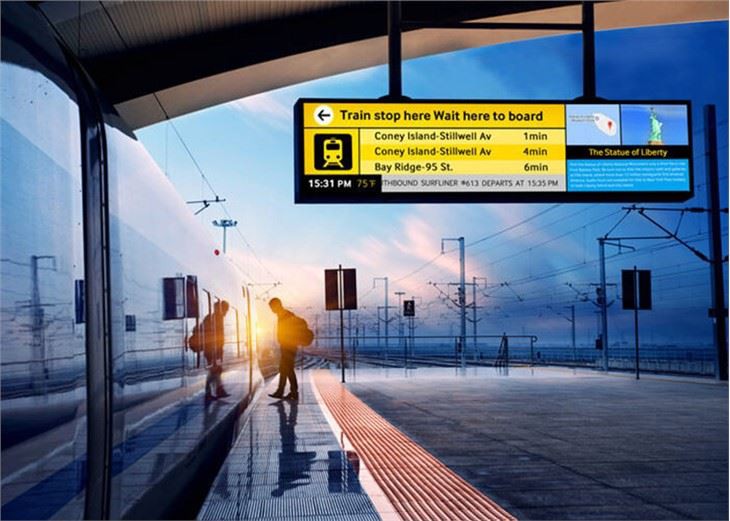
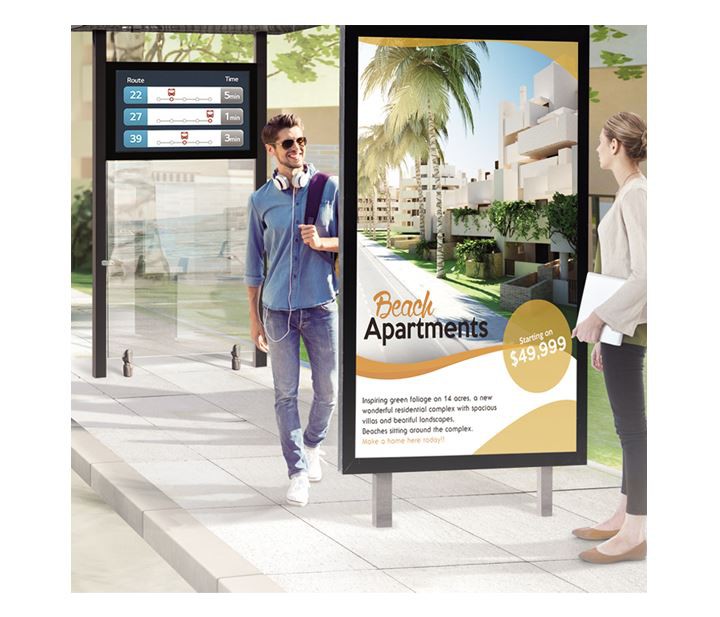
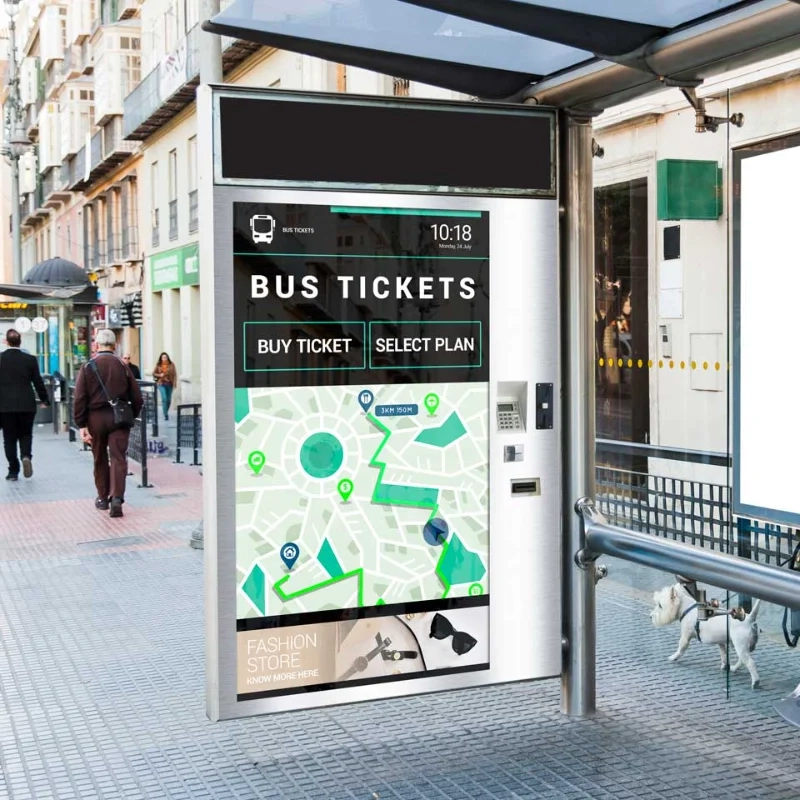
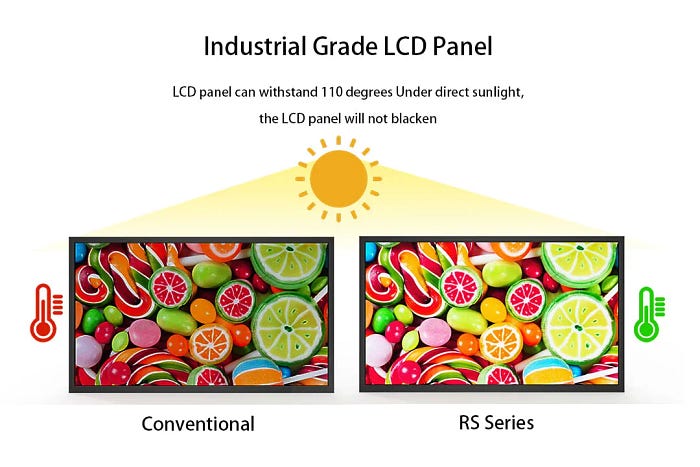
Compared to lower ratings like IP65, which only resists water jets at limited angles, IP66 provides superior protection for critical operations. It meets stringent standards set by ISO 16750-3 for automotive electronics and MIL-STD-810G for military-grade durability, allowing integration into vehicles, defense systems, and remote monitoring stations. Additionally, modern IP66 LCDs often incorporate sunlight-readable features—such as brightness levels exceeding 5000 nits—making them suitable for outdoor kiosks, solar-powered IoT devices, and public information displays.
The manufacturing process must also include thermal management strategies. Since IP66 sealing reduces natural convection cooling, engineers integrate passive heat sinks or active fans with filtered air intake to manage heat buildup without compromising the waterproof integrity. This ensures long-term operational stability even in high-temperature environments like desert regions or industrial machinery cabins.
In summary, IP66 waterproof LCD displays represent a mature yet evolving technology that combines mechanical design, material science, and rigorous testing protocols. Their adoption across industries—from construction equipment to smart city infrastructure—demonstrates their value in delivering reliable human-machine interfaces in hostile environments. As demand grows for ruggedized electronics in IoT, automation, and autonomous systems, IP66 remains a trusted benchmark for durability, performance, and user safety.