RisingStar
- Home
- About Us
- Products
- News
- Video
- Contact
- Send Inquiry
Search
- Home
- About Us
- Products
- News
- Video
- Contact
- Send Inquiry
RisingStar
In today’s increasingly connected and mobile-driven world, high-brightness sunlight-readable LCD screens have become indispensable across industries such as defense, transportation, medical devices, industrial automation, and outdoor kiosks. These displays are engineered to deliver exceptional visibility even under direct sunlight—a challenge traditional LCDs struggle with due to ambient light interference. The core of this technology lies in optimizing luminance, contrast ratio, anti-glare coatings, and adaptive backlighting systems to ensure reliable performance in harsh environments.
According to a 2023 report by MarketsandMarkets, the global market for high-brightness displays is projected to exceed $15 billion by 2028, driven by rising demand in automotive infotainment, military-grade equipment, and public safety infrastructure. A key factor behind this growth is the evolution of LED-based backlights that now offer brightness levels exceeding 5,000 nits—far beyond the typical 250–500 nits of consumer-grade LCDs. This enables clear visibility in full daylight conditions, making them ideal for applications like GPS navigation systems on military vehicles or digital signage in airports.
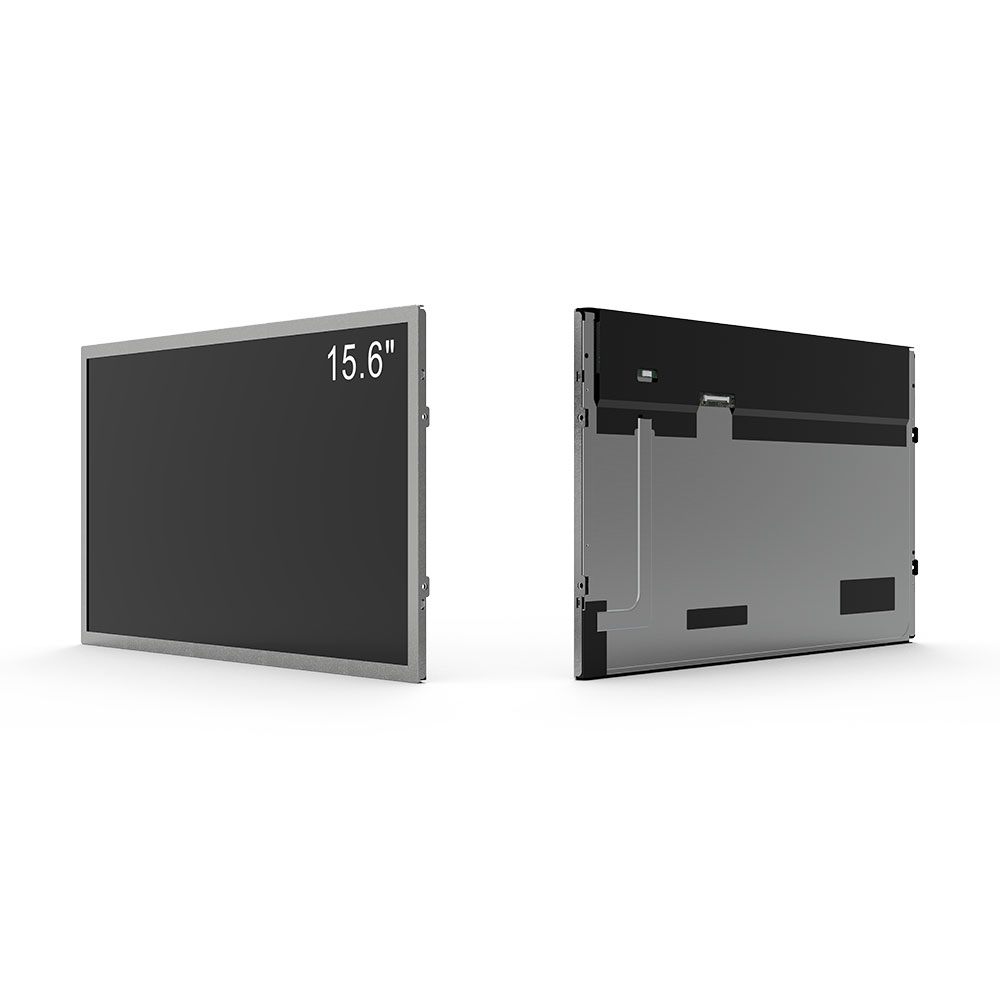
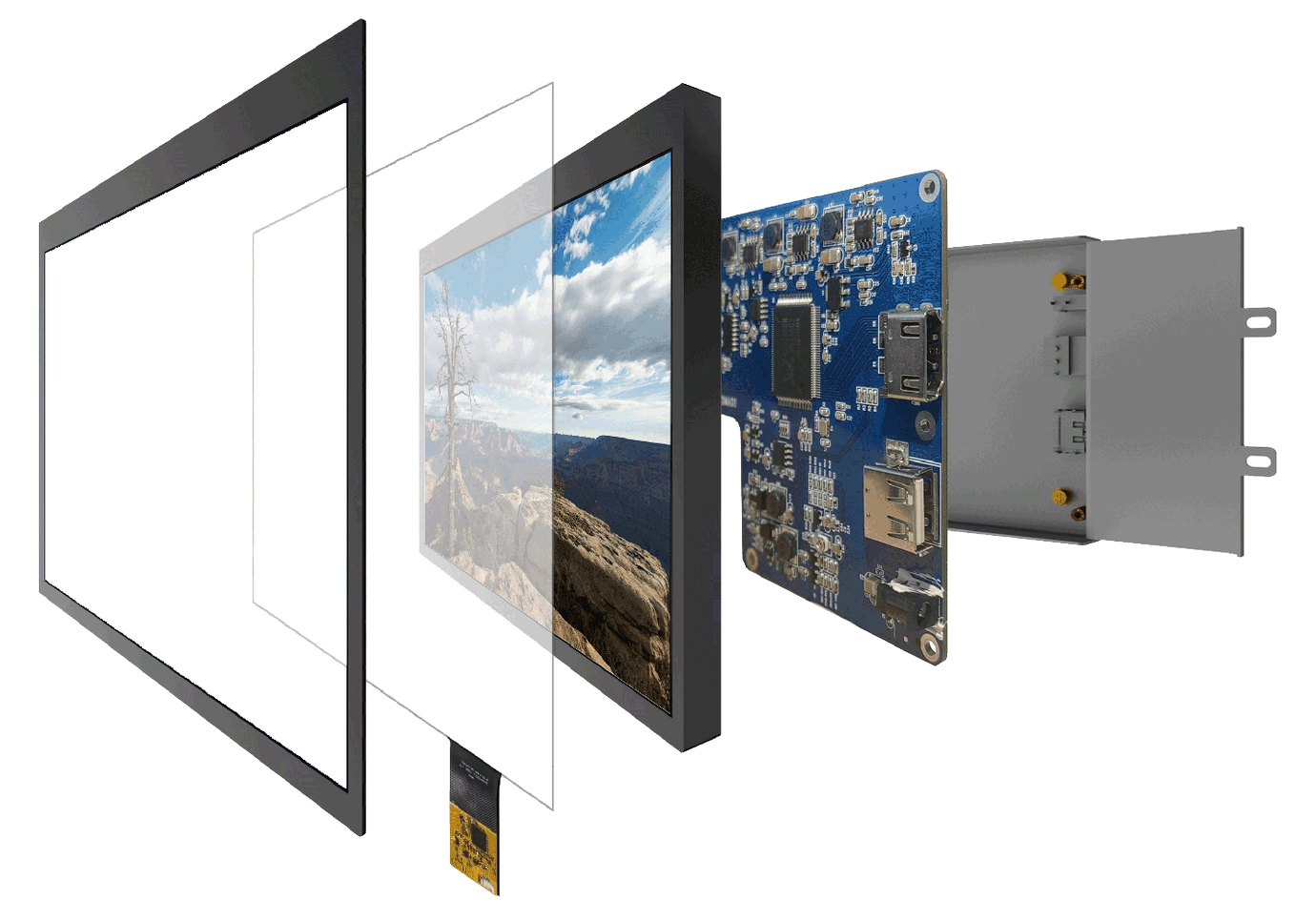
Manufacturers employ advanced techniques such as polarization optimization, high-transmission polarizers, and optical bonding (which eliminates air gaps between the display and cover glass) to minimize reflection and maximize contrast. For instance, a case study from Sharp Corporation demonstrated that an optically bonded 12-inch LCD panel achieved a peak brightness of 7,000 nits while maintaining 98% image clarity under 100,000 lux of sunlight—an industry benchmark for extreme durability.
Moreover, modern high-brightness LCDs incorporate dynamic brightness control algorithms that adjust luminance based on ambient light sensors. This not only improves readability but also reduces power consumption by up to 30%, which is critical for battery-powered devices like drones or handheld field tools. Industry standards such as MIL-STD-810G and IP65/IP67 ratings further validate their ruggedness against shock, vibration, dust, and water ingress—ensuring longevity in real-world deployments.
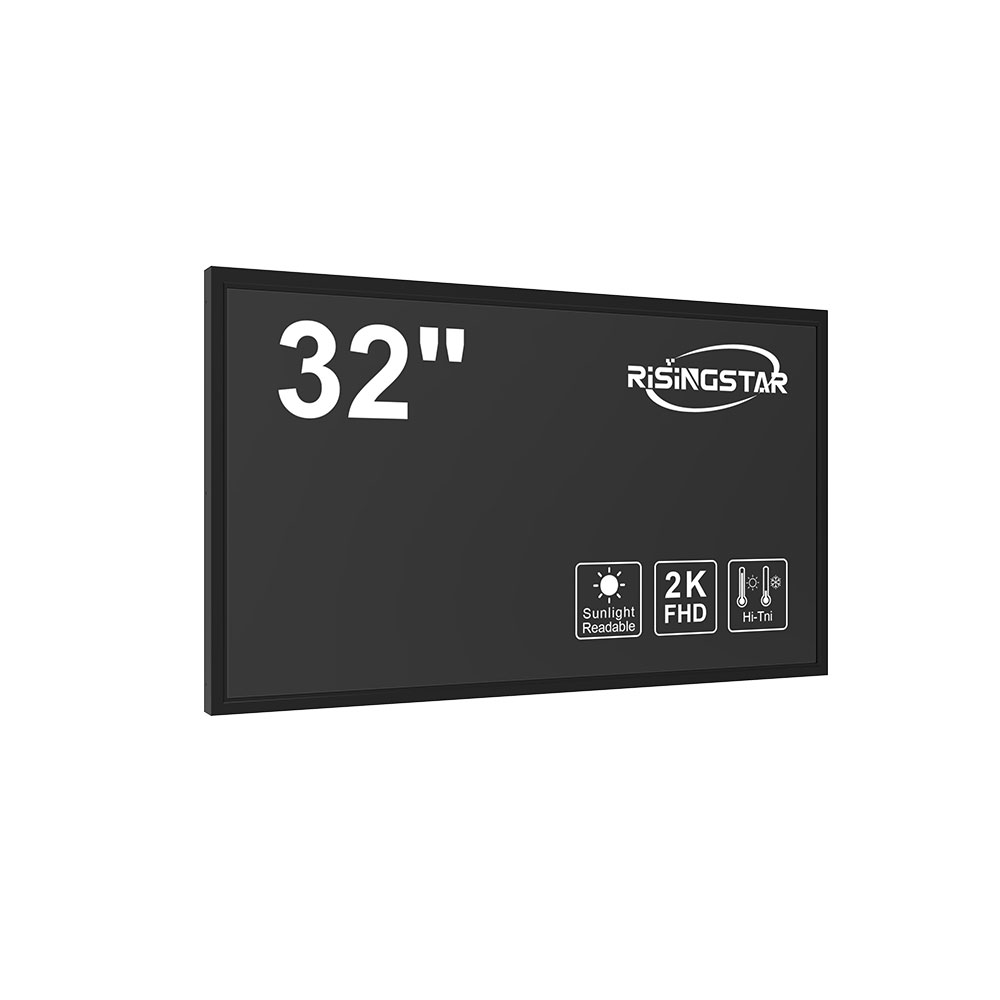
From a design perspective, engineers must balance brightness with thermal management. Higher brightness typically increases heat generation, so effective heat dissipation strategies—including passive cooling fins and thermally conductive materials—are essential to prevent screen degradation over time. In medical settings, where precision matters, these displays must also meet regulatory compliance like IEC 60601-1 for electrical safety and EMC shielding to avoid interference with sensitive equipment.
As environmental awareness grows, manufacturers are also integrating eco-friendly practices, such as using lead-free components and recyclable materials, aligning with RoHS and REACH directives. Ultimately, high-brightness sunlight-readable LCDs represent more than just brighter screens—they are mission-critical components enabling safer, smarter, and more resilient operations across sectors worldwide.