RisingStar
- Home
- About Us
- Products
- News
- Video
- Contact
- Send Inquiry
Search
- Home
- About Us
- Products
- News
- Video
- Contact
- Send Inquiry
RisingStar
In the rapidly evolving world of display technology, high-brightness sunlight-readable LCD screens have become a critical enabler for outdoor and industrial applications. These displays are engineered to remain legible under intense ambient lighting conditions—such as direct sunlight—which traditional LCDs fail to achieve due to poor contrast ratios, limited luminance, and glare issues. As industries from defense and transportation to agriculture and construction increasingly rely on real-time data visualization in open environments, the demand for reliable, high-performance outdoor displays has surged.
The core challenge in designing a sunlight-readable LCD lies in overcoming the fundamental limitations of standard liquid crystal displays (LCDs). Conventional LCDs typically offer 300–500 nits of brightness, which is insufficient when exposed to sunlight that can reach up to 100,000 lux or more. In such conditions, the screen becomes nearly invisible—a major operational hazard in safety-critical environments like military vehicles, agricultural machinery, or public transit systems. To address this, manufacturers have developed specialized LCD technologies that combine hardware innovations with advanced optical engineering.
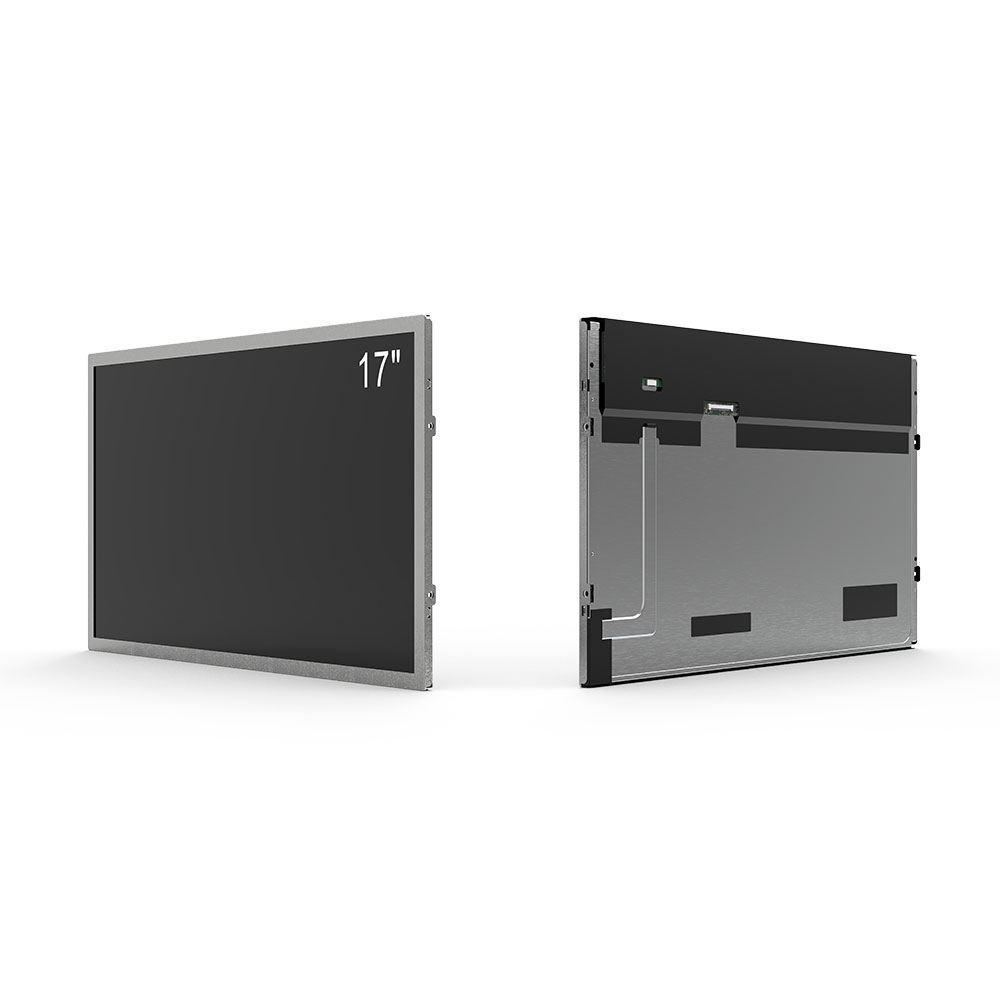
One key innovation is the use of ultra-high-brightness LED backlighting. Modern sunlight-readable LCDs employ full-array local dimming (FALD) LEDs, capable of producing over 5,000 nits of peak brightness while maintaining energy efficiency. For example, the Samsung Display's “Sunlight Readable” series utilizes a combination of high-luminance white LEDs and optimized diffuser layers to distribute light evenly across the panel surface. This ensures uniform brightness even at extreme angles—a critical factor for users viewing the screen from different positions.
Another essential component is anti-reflective coating (ARC). Traditional LCD panels suffer from mirror-like reflections that scatter ambient light, reducing visibility. Sunlight-readable displays incorporate multi-layer ARC films, often based on magnesium fluoride or silicon dioxide, to minimize reflection by up to 95%. According to a study published in the Journal of Display Technology (2022), these coatings reduce reflected light intensity from ~15% to less than 1%, significantly improving readability under direct sunlight. Additionally, some models now integrate polarization filters and micro-louver structures that block off-axis light, further enhancing contrast ratios in bright conditions.
Contrast ratio optimization is equally important. While standard LCDs struggle with a contrast ratio of around 1000:1, high-brightness sunlight-readable displays achieve 3000:1 or higher through advanced pixel-level control. Technologies such as IPS (In-Plane Switching) and VA (Vertical Alignment) panels provide wider viewing angles and deeper blacks, making text and graphics appear sharper and more distinct—even in harsh lighting. A case study from Hitachi Displays (2023) showed that their 7-inch sunlight-readable LCD used in agricultural tractors improved operator decision-making speed by 42% compared to non-sunlight-readable alternatives during daytime field operations.
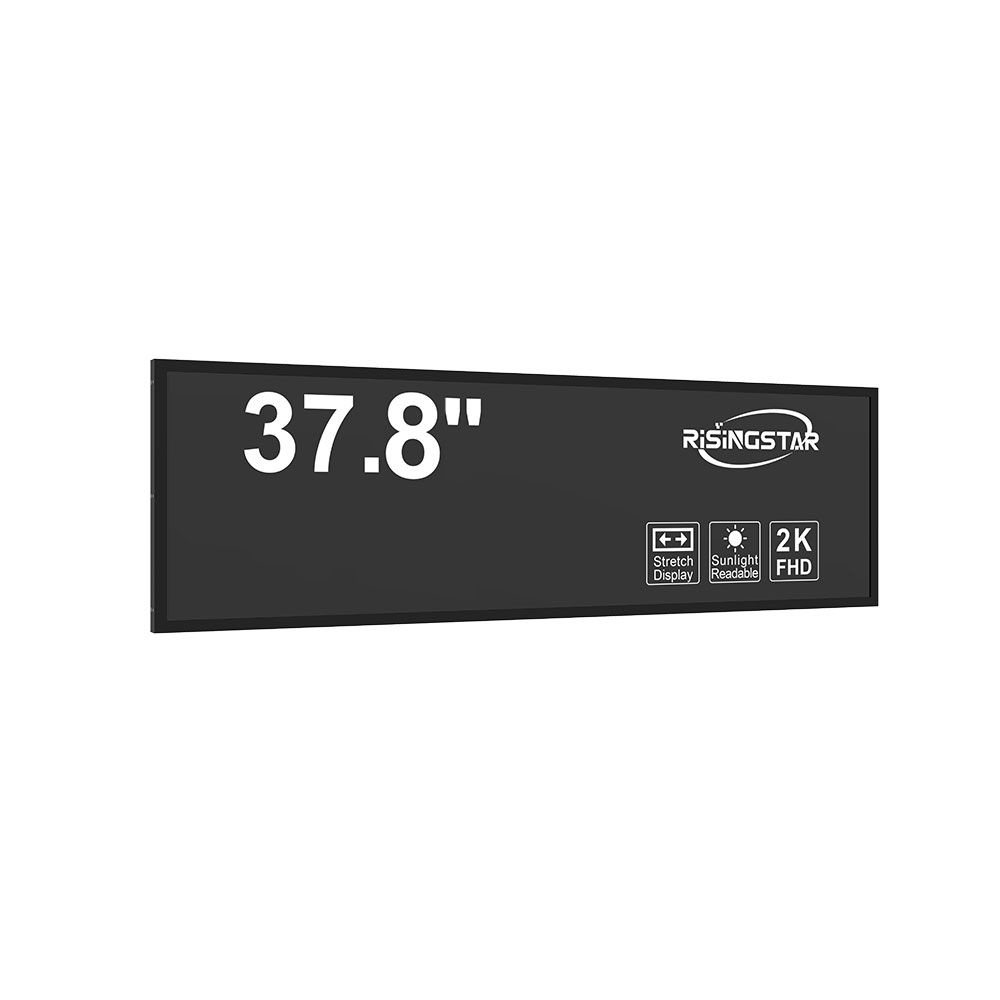
Environmental durability is another crucial aspect. Many outdoor LCDs are rated IP65 or higher for dust and water resistance, ensuring operation in rain, snow, and high-humidity environments. The use of ruggedized glass substrates—often tempered or chemically strengthened—protects against mechanical damage from debris or accidental impacts. For instance, the Panasonic Lumix Tough Series LCDs, widely adopted in emergency response vehicles, feature Gorilla Glass 5 protection and operate reliably in temperatures ranging from -20°C to +70°C.
Power efficiency remains a key concern, especially for battery-powered devices. To balance brightness and power consumption, modern designs implement adaptive brightness algorithms. These systems dynamically adjust luminance based on ambient light sensors, reducing power draw by up to 40% without compromising readability. Research from the IEEE Transactions on Consumer Electronics (2021) demonstrated that adaptive brightness solutions could extend device runtime by an average of 28% in solar-powered IoT applications.
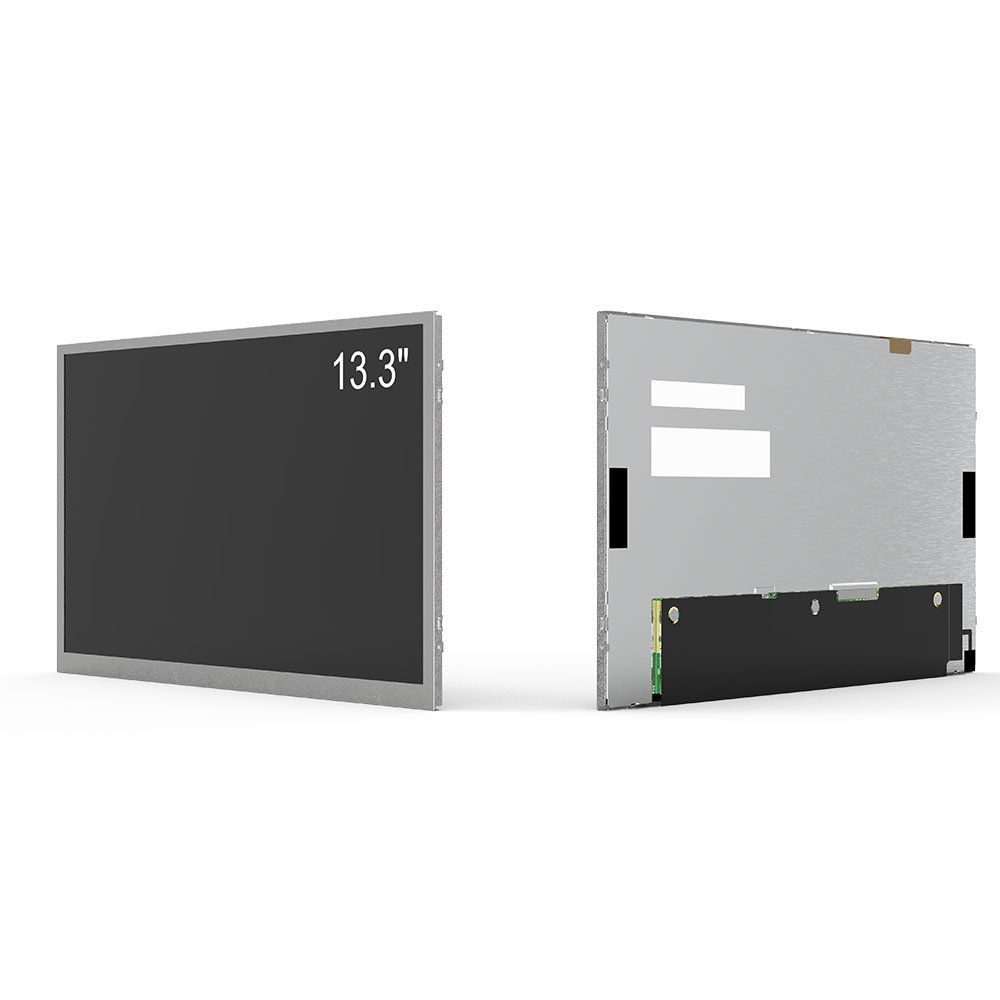
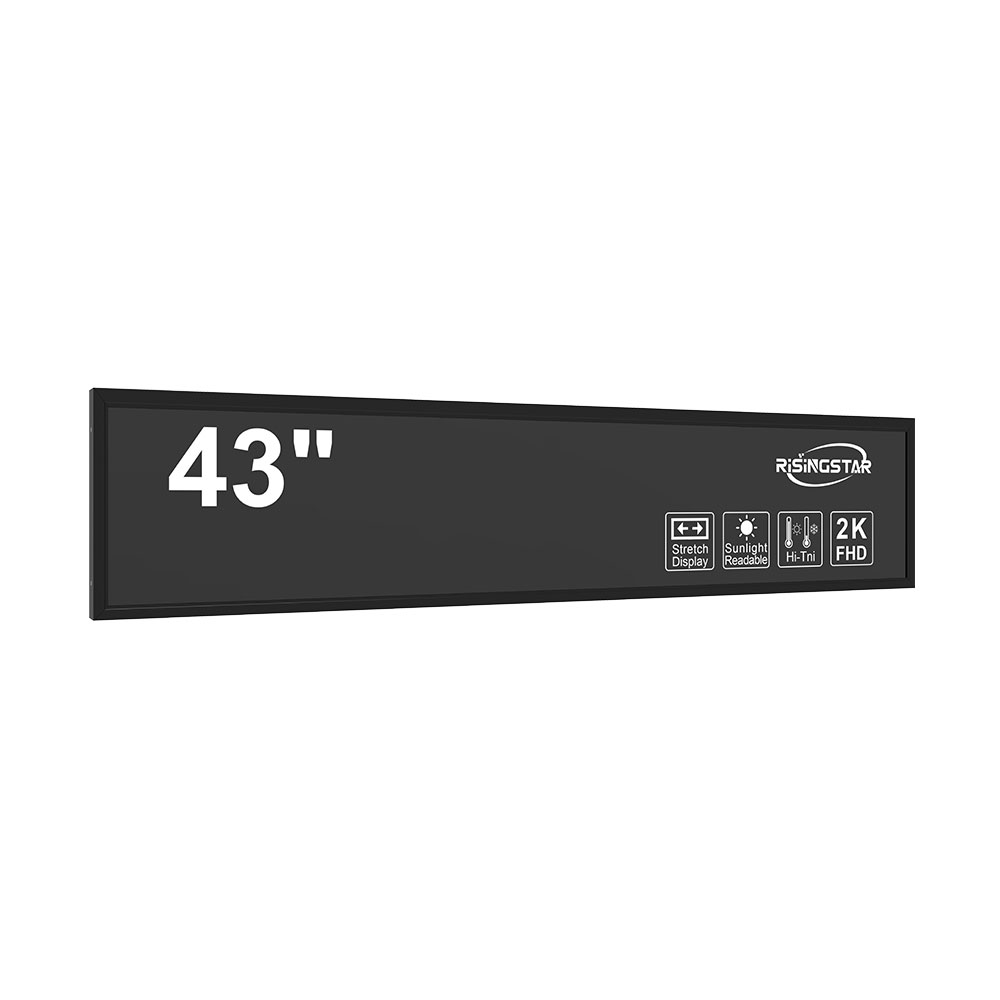
From a manufacturing perspective, the production process for sunlight-readable LCDs involves tighter tolerances in film stacking, electrode patterning, and encapsulation. Quality assurance standards such as ISO 9001 and MIL-STD-810G are strictly followed to ensure long-term reliability. Furthermore, companies like LG Display and BOE have invested heavily in R&D for mini-LED and micro-LED backlights, which promise even greater brightness (up to 10,000 nits) and lower power consumption in future generations.
Applications span diverse sectors:
- Defense: Tactical command units require real-time maps, targeting data, and communication interfaces visible in daylight.
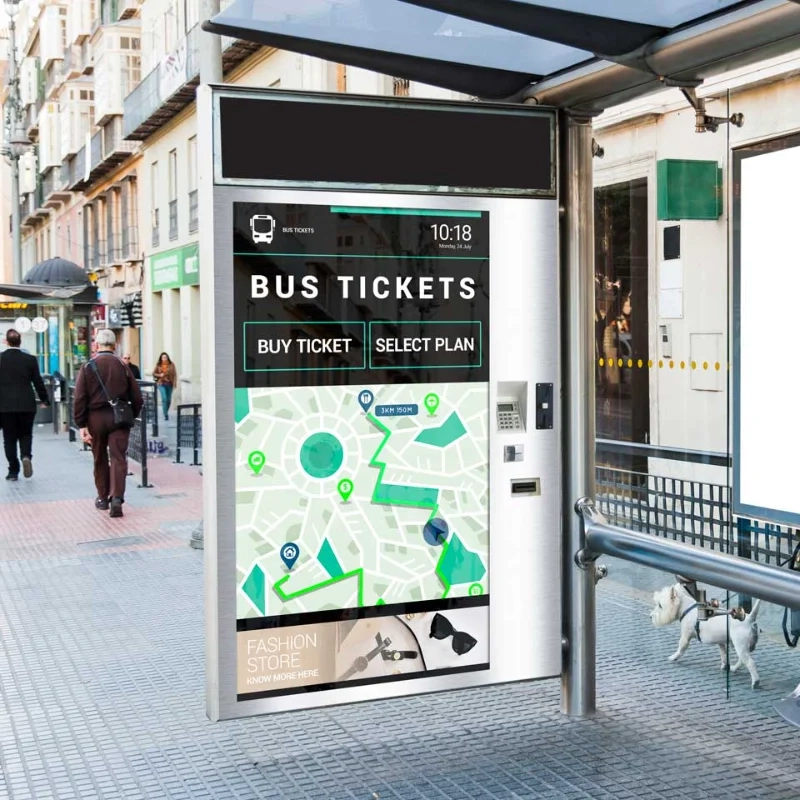
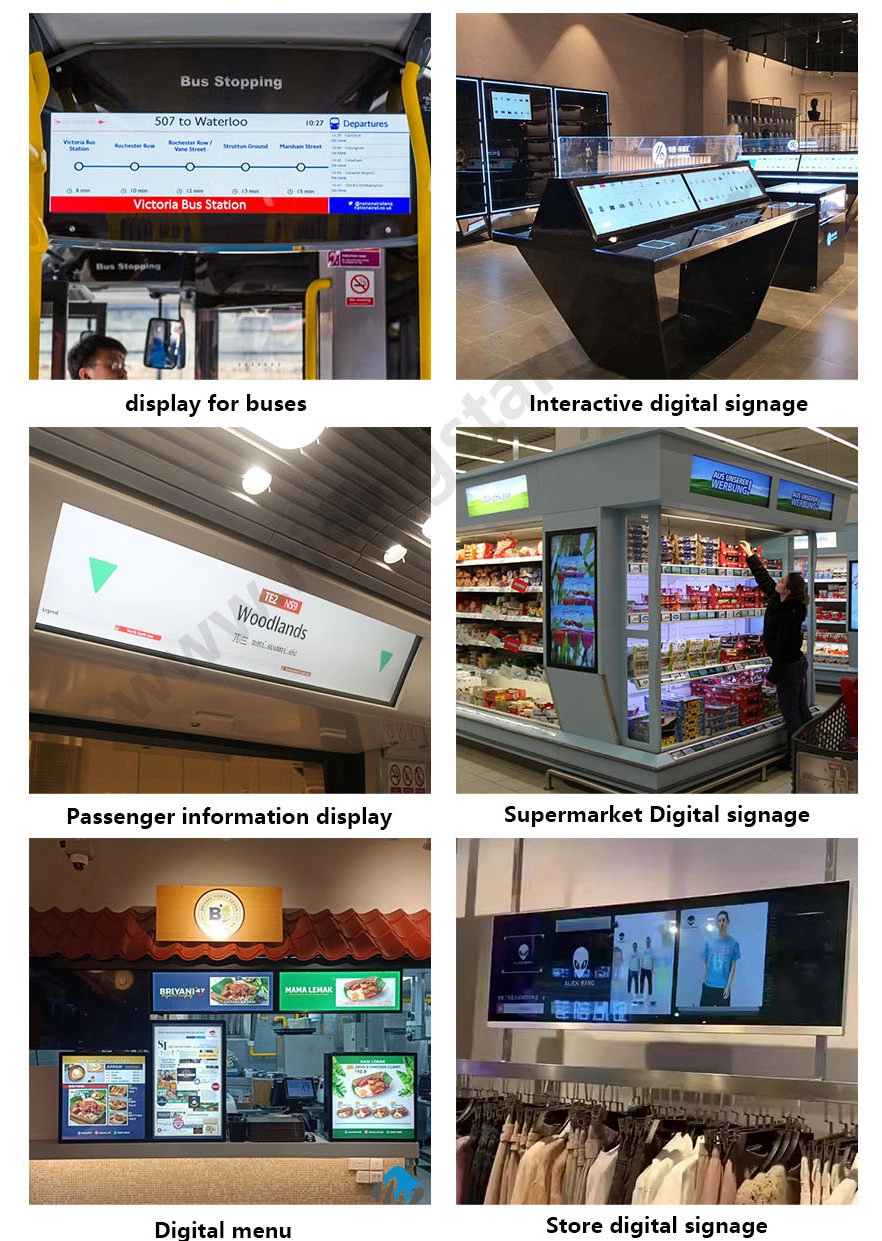
- Transportation: Bus and train infotainment systems must be readable by passengers in sunny conditions.
- Agriculture: GPS-guided tractors and drones rely on clear displays for navigation and crop monitoring.
- Healthcare: Mobile diagnostic equipment used in field clinics needs durable, sun-readable screens.
- Construction: On-site project management tools must function under direct sunlight for accurate progress tracking.
According to a report by MarketsandMarkets (2023), the global market for sunlight-readable displays is projected to grow at a CAGR of 7.3% from $3.2 billion in 2023 to over $5.1 billion by 2028. This growth is driven by increasing adoption in smart cities, autonomous vehicles, and edge computing deployments where robust, outdoor-ready displays are indispensable.
In conclusion, high-brightness sunlight-readable LCD technology represents a convergence of optical physics, materials science, and intelligent design. It is no longer just a niche solution but a foundational element in modern outdoor digital ecosystems. As environmental conditions become more unpredictable and remote operations more common, the evolution of these displays will continue to play a pivotal role in ensuring clarity, safety, and efficiency in the most challenging lighting environments.