RisingStar
- Home
- About Us
- Products
- News
- Video
- Contact
- Send Inquiry
Search
- Home
- About Us
- Products
- News
- Video
- Contact
- Send Inquiry
RisingStar
In the rapidly evolving world of display technology, high-brightness sunlight-readable LCD screens have emerged as critical components in a wide range of outdoor and industrial applications—from military field displays to public transportation information systems, agricultural equipment, and automotive infotainment. Unlike standard indoor LCDs that struggle under direct sunlight, these specialized screens are engineered to maintain visibility and operational integrity even in extreme lighting conditions. This article explores the core technologies behind high-brightness sunlight-readable LCDs, their real-world applications, key industry standards, and future trends shaping their development.
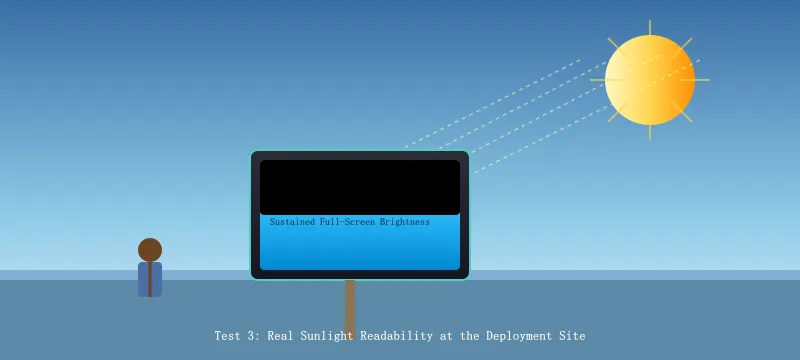
The foundation of any sunlight-readable display lies in its luminance output. Standard LCDs typically operate at 200–300 cd/m² (candelas per square meter), which is insufficient when ambient light exceeds 10,000 lux—a common condition during midday sun exposure. In contrast, high-brightness LCDs can achieve luminance levels of 3,000 to 10,000 cd/m² or more. According to the Society for Information Display (SID), displays with brightness exceeding 5,000 cd/m² are considered truly sunlight-readable under most environmental conditions. The increase in brightness is achieved through advanced backlighting systems such as LED arrays with optical enhancements, including diffusers, reflectors, and polarizers optimized for peak efficiency.
One of the most important innovations in this space is the use of transflective liquid crystal technology. Transflective LCDs combine reflective and transmissive properties—using ambient light in daylight (reflective mode) and artificial light at night (transmissive mode). This dual-mode operation significantly reduces power consumption compared to purely transmissive designs while enhancing readability outdoors. For example, the U.S. Department of Defense’s MIL-STD-188-146B specifies requirements for ruggedized display units used in field operations, where both brightness and low-power performance are crucial. Many military-grade displays now employ transflective panels to meet these stringent standards.
Another key advancement is the integration of anti-glare coatings and polarization techniques. These reduce specular reflections (mirror-like glare) that can obscure content on standard LCDs. Anti-glare films, often made from micro-textured surfaces or nanostructured materials, scatter incoming light rather than reflecting it directly back to the viewer. Combined with circular polarizers, which minimize internal reflections between the LCD layers, these features enhance contrast ratios—even in harsh sunlight—without sacrificing color accuracy. A study published in IEEE Transactions on Consumer Electronics (2022) found that such enhancements improved readability scores by up to 45% in outdoor environments under direct sunlight.
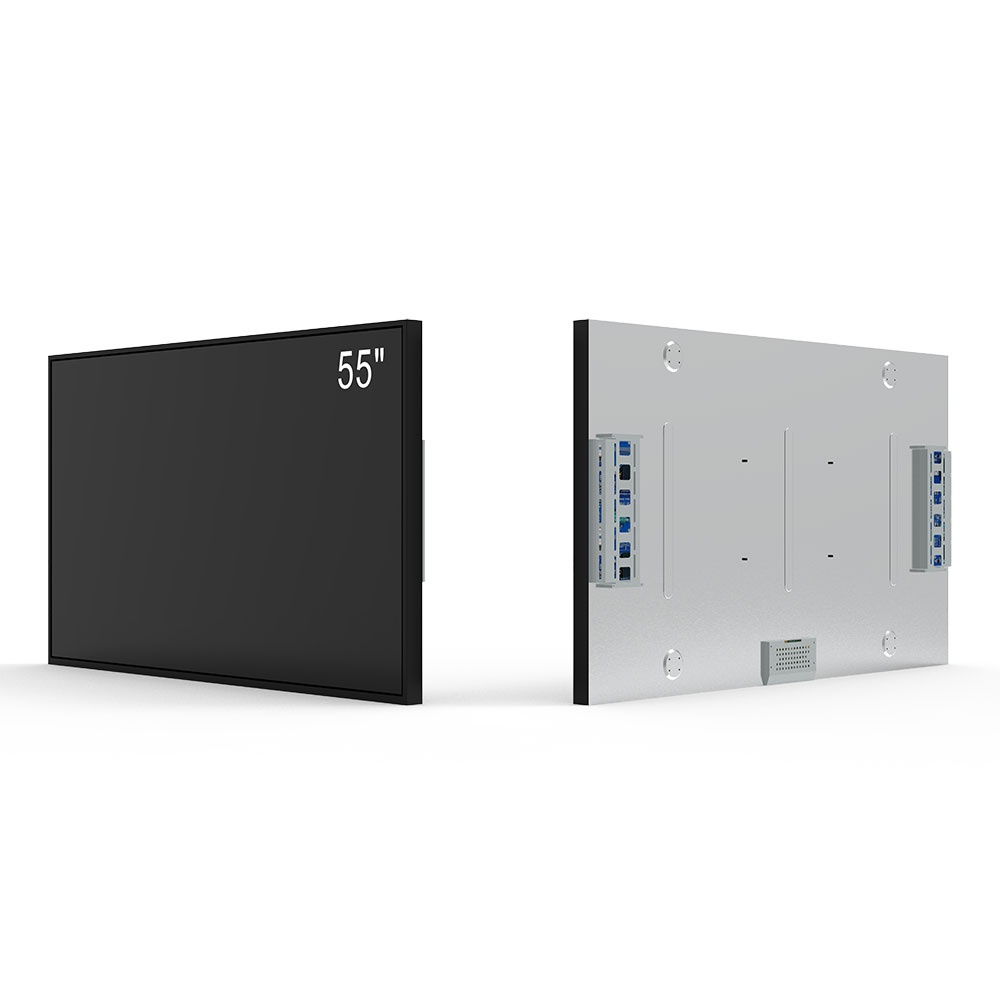
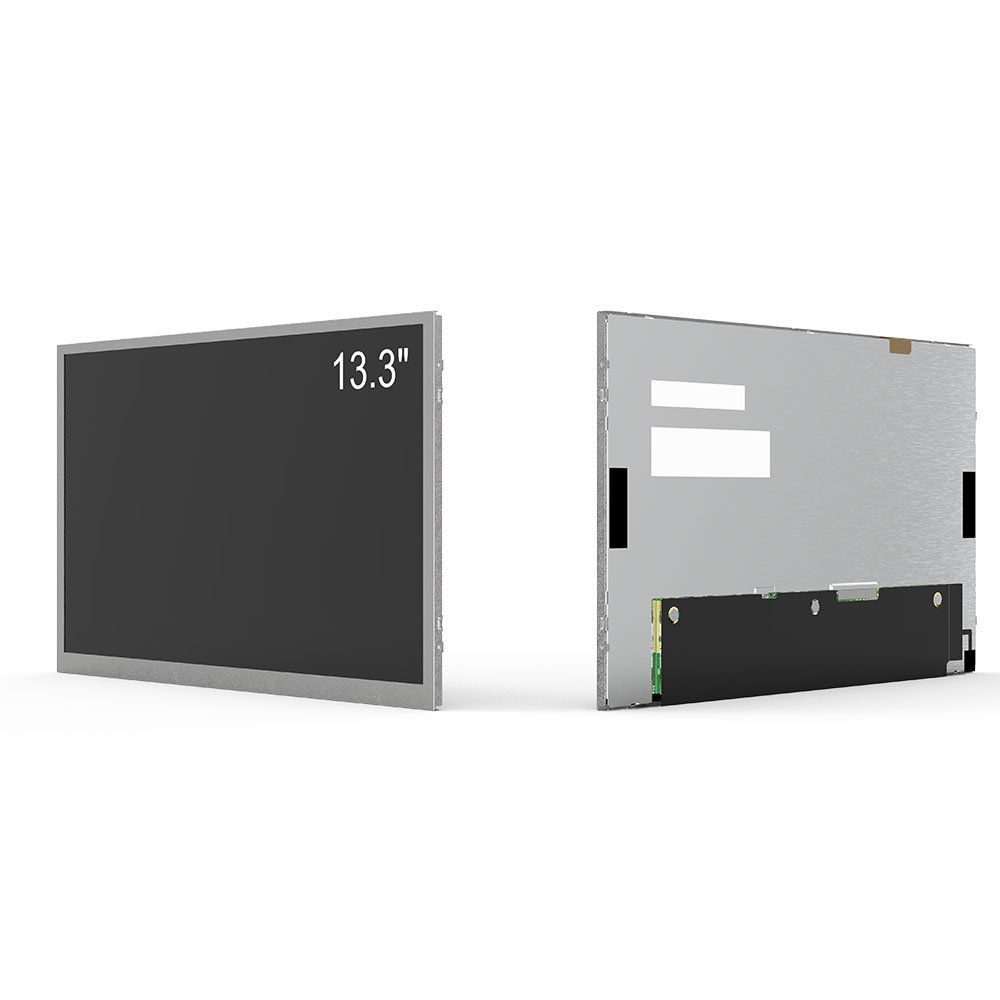
Manufacturers like Sharp, LG Display, and Innolux have developed proprietary solutions to further boost performance. For instance, Sharp's “Sunlight Readable” series uses an ultra-high-efficiency LED backlight with dynamic brightness control, allowing the screen to automatically adjust luminance based on ambient light sensors. Similarly, LG Display’s “Outdoor Grade” LCDs incorporate adaptive gamma correction algorithms that maintain consistent color reproduction across varying illumination levels—a feature particularly important for medical devices and digital signage in airports or shopping malls.
Thermal management also plays a vital role in maintaining reliability. High-brightness LEDs generate more heat than traditional cold cathode fluorescent lamps (CCFLs), necessitating robust thermal design. Engineers must consider materials with high thermal conductivity, such as aluminum substrates and phase-change materials, to dissipate heat effectively. Failure to manage heat can lead to premature aging of the backlight or degradation of liquid crystal alignment, resulting in image distortion or reduced lifespan. The International Electrotechnical Commission (IEC) standard IEC 60745 outlines guidelines for electrical safety and thermal testing of electronic displays, ensuring that high-brightness LCDs remain functional in temperatures ranging from -30°C to +70°C.
Application-specific considerations drive much of the innovation in this sector. For example, in agriculture, John Deere integrates high-brightness LCDs into tractors and harvesters for real-time GPS navigation and yield mapping. These screens must withstand vibration, dust, and moisture, making IP65-rated enclosures and ruggedized touchscreens essential. In automotive settings, Tesla’s Model Y dashboard employs a 15.6-inch high-brightness LCD that remains readable even in full sun, thanks to its 5,000 cd/m² brightness and advanced anti-reflection coating. The Automotive Electronics Council (AEC) Q100 standard governs the reliability of electronic components in vehicles, and many modern automotive displays must pass rigorous environmental stress tests, including thermal cycling and shock resistance.
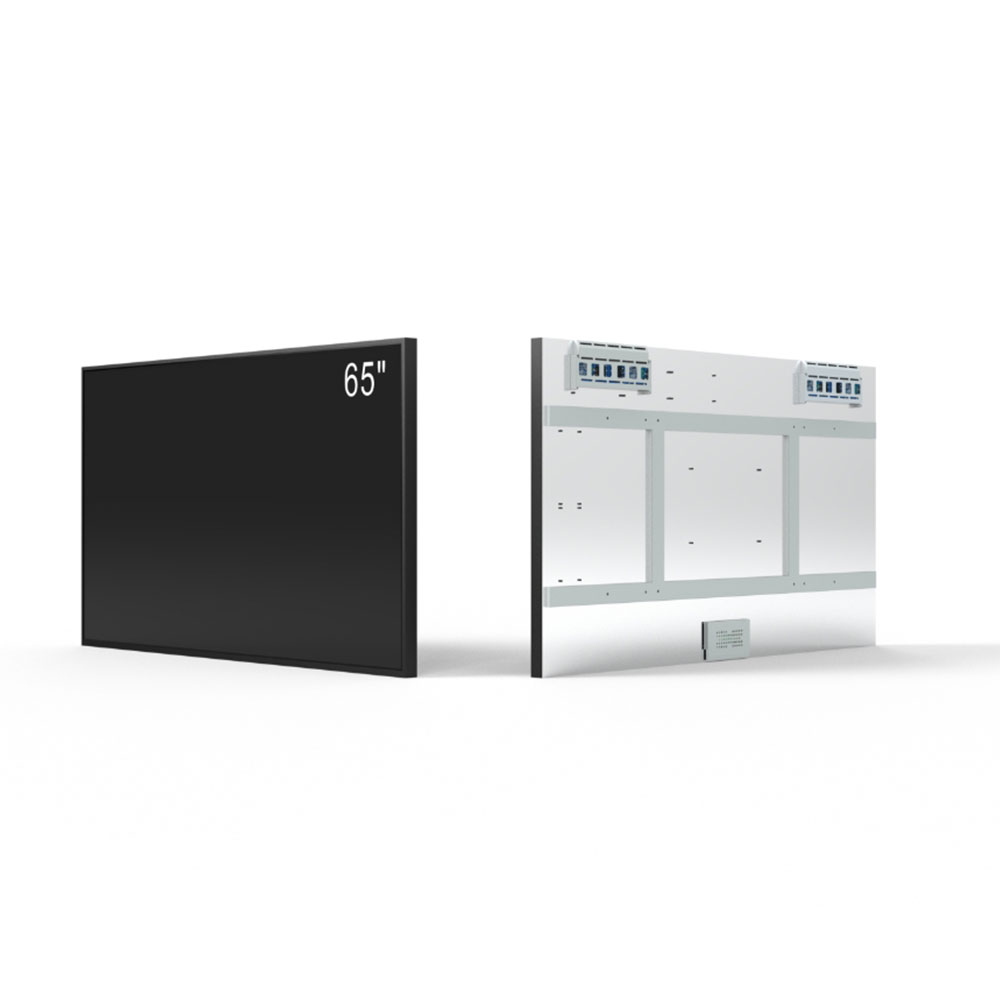
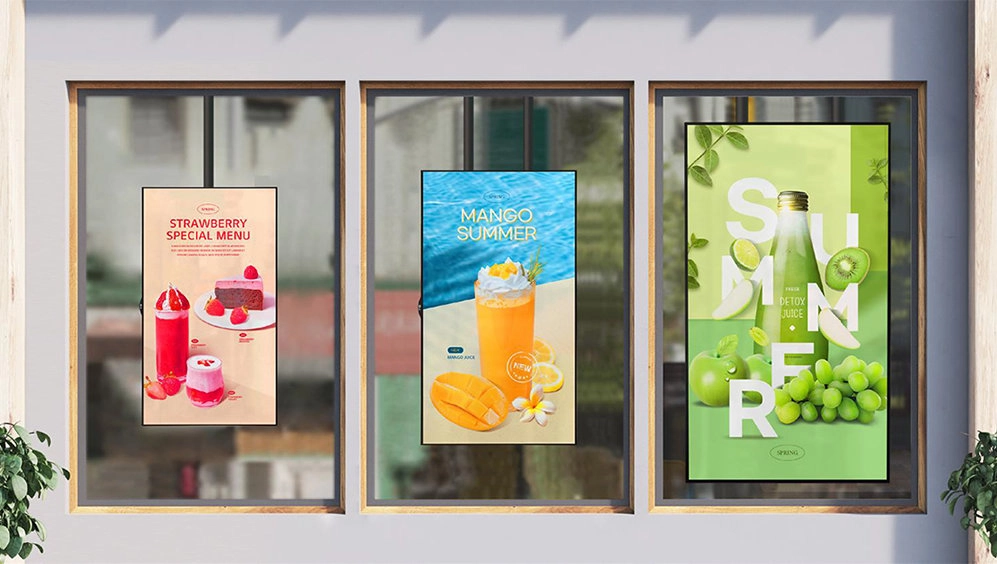
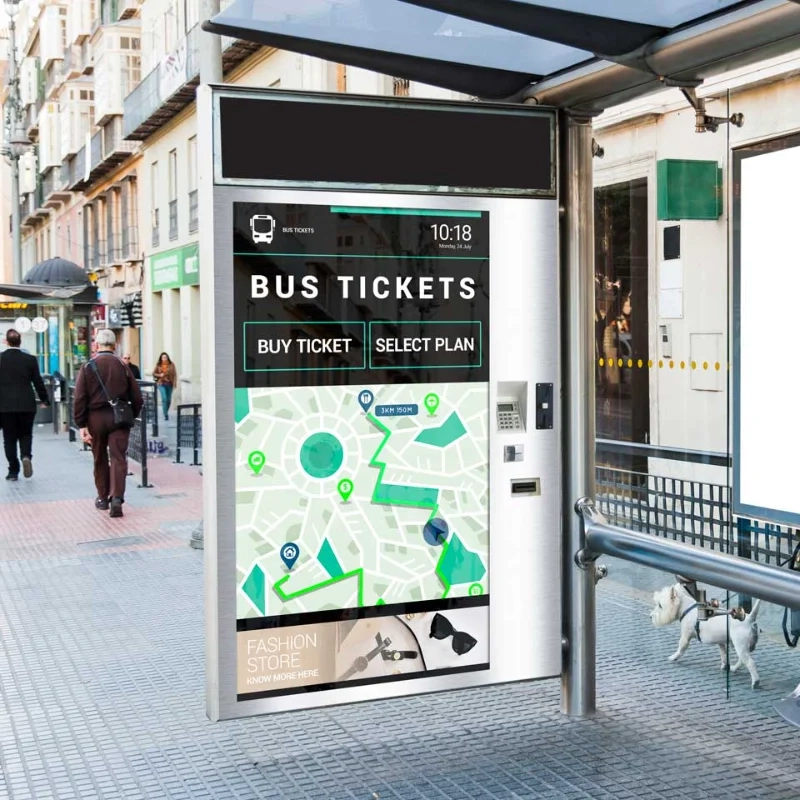
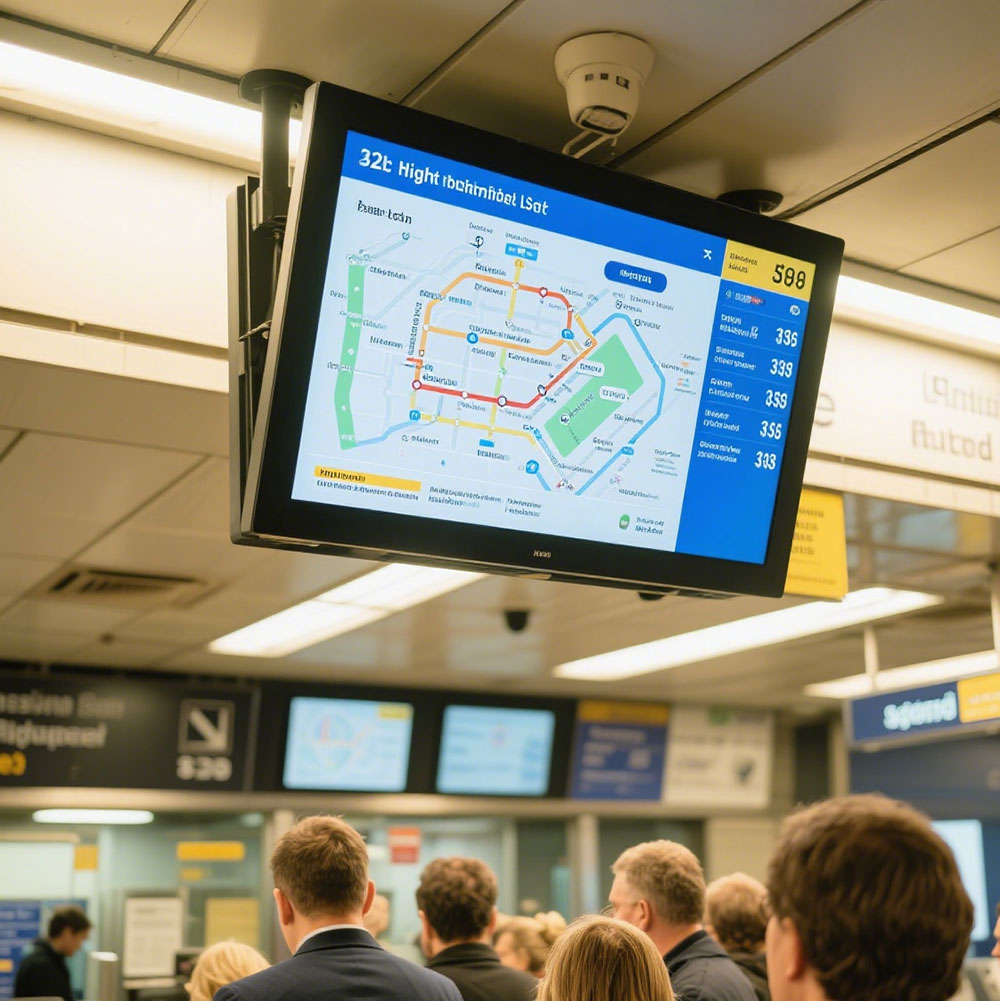
Digital signage in public spaces—such as bus stops, train stations, and stadiums—also benefits greatly from high-brightness LCD technology. Companies like Samsung and Panasonic offer outdoor-rated displays with built-in sun sensors that adjust brightness dynamically to conserve energy during cloudy days while maximizing visibility on sunny ones. These intelligent displays often integrate with cloud-based content management systems, enabling remote updates and real-time monitoring. A case study by the City of London Transport Authority showed a 30% improvement in passenger engagement after deploying high-brightness LCDs in underground stations, primarily due to better legibility in natural light.
Looking ahead, emerging trends point toward mini-LED and micro-LED backlights, which promise higher contrast ratios, deeper blacks, and localized dimming capabilities. These technologies enable even greater precision in brightness control, reducing power consumption while increasing visibility. OLED displays, though less common in high-brightness applications due to current limitations in peak luminance (typically around 1,000–2,000 cd/m²), may become viable if manufacturers overcome challenges related to burn-in and longevity in outdoor use.
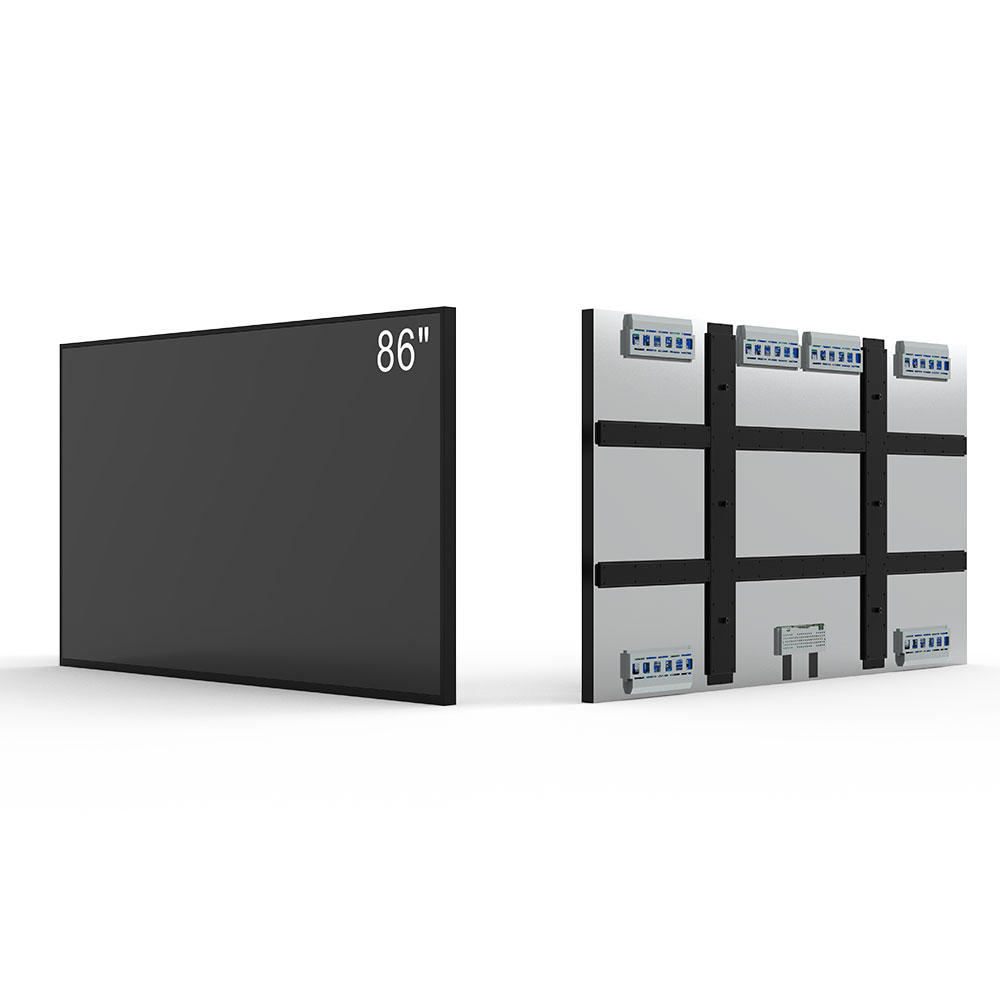
Additionally, AI-driven optimization is gaining traction. Machine learning models can analyze ambient light patterns and user behavior to predict optimal brightness settings, thereby extending battery life in mobile devices and improving energy efficiency in fixed installations. Research from MIT Media Lab (2023) demonstrated that AI-assisted brightness adjustment could reduce overall energy consumption by up to 25% without compromising readability.
From a manufacturing perspective, the global market for high-brightness sunlight-readable displays is projected to grow at a CAGR of 7.2% from 2023 to 2030, according to MarketsandMarkets. Key drivers include increasing demand in defense, transportation, and smart city infrastructure. Governments worldwide are investing in resilient communication systems, pushing for displays that function reliably in extreme weather conditions—an area where high-brightness LCDs excel.
Ultimately, the success of high-brightness sunlight-readable LCD technology depends not only on hardware advancements but also on software integration, environmental durability, and cost-effectiveness. As industries continue to digitize and rely more heavily on real-time visual data, these screens will play an increasingly indispensable role—not just as tools for display, but as enablers of safer, smarter, and more efficient operations across sectors.