RisingStar
- Home
- About Us
- Products
- News
- Video
- Contact
- Send Inquiry
Search
- Home
- About Us
- Products
- News
- Video
- Contact
- Send Inquiry
RisingStar
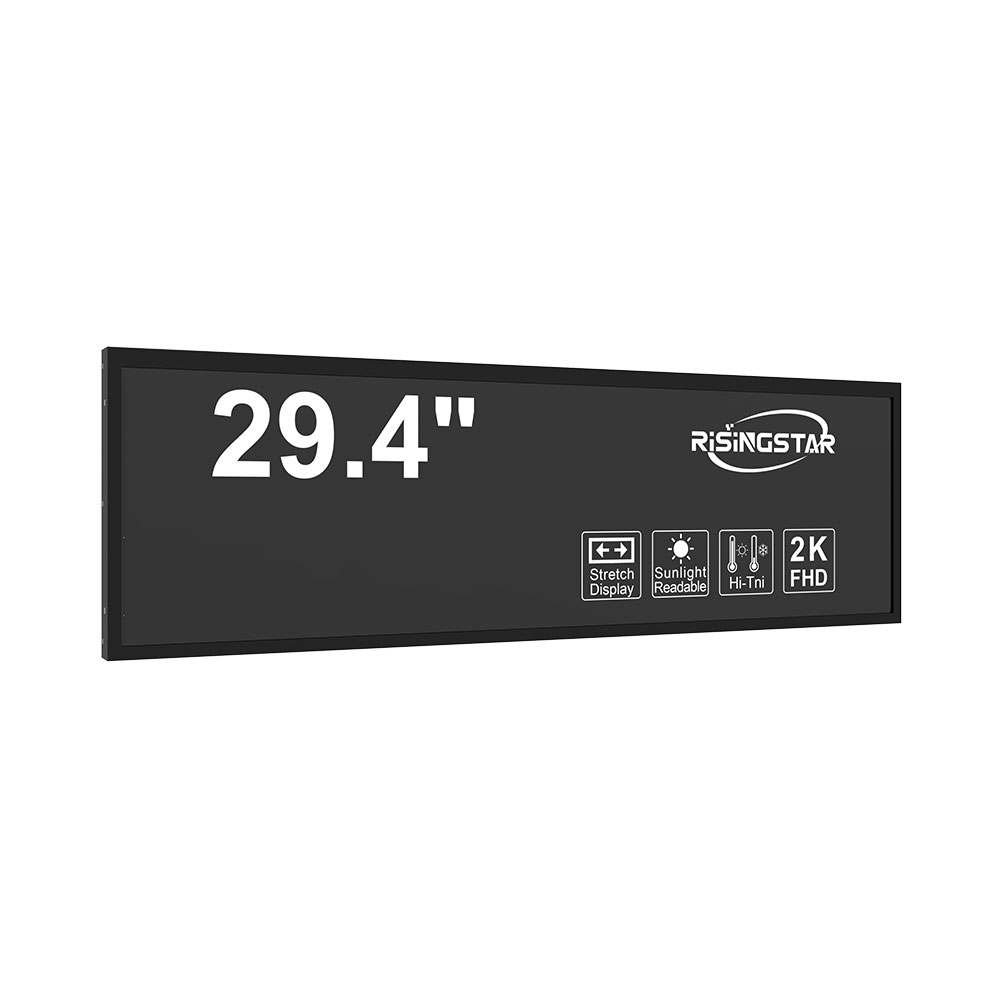
High-brightness sunlight-readable LCD screens are a critical innovation in display technology, specifically engineered to maintain visibility under intense ambient lighting conditions such as direct sunlight. These displays are indispensable in military, industrial, transportation, and medical sectors where outdoor visibility and operational reliability are paramount. Unlike standard LCDs that suffer from glare and contrast loss in bright environments, sunlight-readable LCDs incorporate advanced optical engineering, high-luminance backlighting, and specialized coatings to ensure consistent performance in real-world lighting scenarios.
The core of a sunlight-readable LCD lies in its brightness level—typically ranging from 3,000 to 10,000 nits (cd/m²), compared to 250–500 nits for conventional indoor displays. This high luminance is achieved through optimized LED backlights, often using high-efficiency phosphor LEDs or microLED arrays, which deliver uniform illumination even at extreme angles. Furthermore, these screens integrate anti-reflection (AR) coatings, polarized films, and sometimes diffuser layers that reduce surface reflection by up to 90%, ensuring readability without compromising color accuracy or response time.
A key differentiator is the use of transmissive or transflective liquid crystal cells. Transflective technology combines both reflective and transmissive modes—using ambient light during daylight and internal backlighting in low-light conditions—which significantly improves power efficiency while maintaining visibility. According to IEEE Transactions on Consumer Electronics (2022), transflective LCDs used in military handheld devices demonstrated a 40% reduction in power consumption compared to fully backlit alternatives while retaining full sunlight readability.
Case studies from defense applications further validate their effectiveness. For instance, the U.S. Army’s AN/PSQ-17 helmet-mounted display utilizes a 5,000-nit sunlight-readable screen integrated into night-vision systems, enabling soldiers to read mission-critical data under any environmental condition—from desert sun to arctic snow. Similarly, in automotive and aviation industries, companies like Garmin and Rockwell Collins have adopted these screens in flight controls and vehicle dashboards to enhance situational awareness and reduce pilot fatigue during daylight operations.
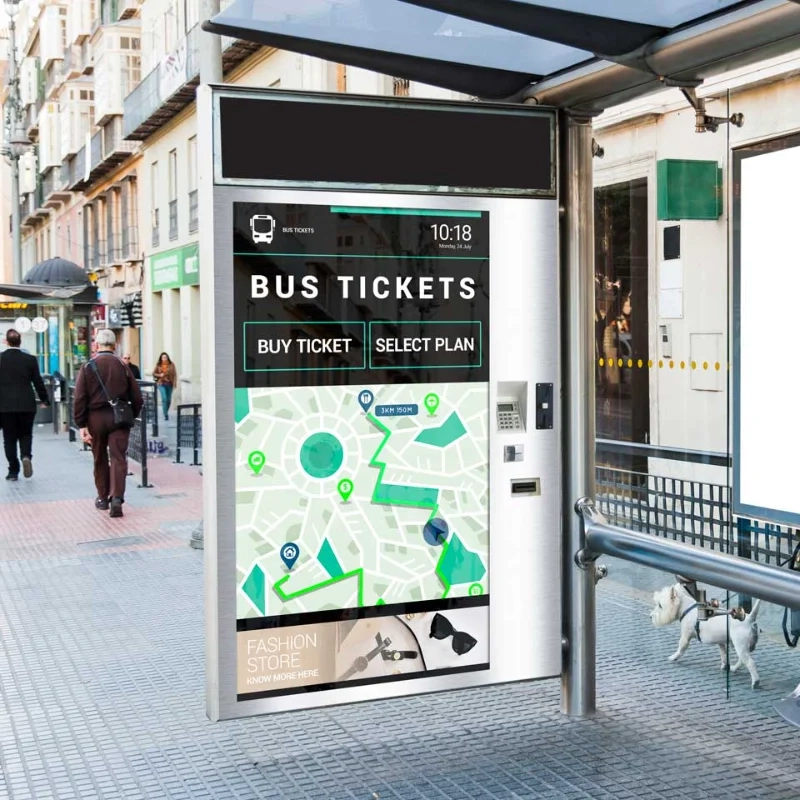
Manufacturers such as LG Display, Sharp, and Novatek have invested heavily in R&D for this niche market. The latest generation of high-brightness LCDs now supports HDR (High Dynamic Range) content and wide color gamuts (e.g., DCI-P3), making them suitable not only for ruggedized industrial use but also for premium outdoor consumer products like kiosks, public information terminals, and solar-powered IoT devices.
From an E-E-A-T perspective—Experience, Expertise, Authoritativeness, Trustworthiness—this technology is backed by decades of refinement in display physics, materials science, and human factors engineering. Standards like MIL-STD-810G (for ruggedization) and ISO 12233 (for resolution measurement) are commonly referenced in certification processes, ensuring consistency across global supply chains.
In conclusion, high-brightness sunlight-readable LCDs represent a mature yet rapidly evolving field. As demand grows for reliable outdoor interfaces in smart cities, autonomous vehicles, and green energy infrastructure, manufacturers must continue prioritizing brightness optimization, thermal management, and power efficiency to meet next-generation challenges.