RisingStar
- Home
- About Us
- Products
- News
- Video
- Contact
- Send Inquiry
Search
- Home
- About Us
- Products
- News
- Video
- Contact
- Send Inquiry
RisingStar
In today’s global industrial landscape, outdoor equipment such as construction machinery, agricultural tractors, utility vehicles, and mobile monitoring systems increasingly rely on high-brightness, sunlight-readable LCD displays. These displays must operate reliably under extreme environmental conditions—direct sunlight exposure (up to 100,000 lux), wide temperature ranges (-20°C to +70°C), and mechanical shock or vibration—while maintaining clarity, color accuracy, and responsiveness. For overseas equipment manufacturers and distributors, selecting the right LCD technology is not just a design consideration—it’s a critical component of product durability, user safety, and long-term brand reputation.
The core challenge lies in achieving visibility under direct sunlight without compromising power efficiency or display quality. Traditional LCDs fail in bright environments because their peak brightness typically ranges from 300 to 500 nits, which is insufficient when ambient light exceeds 5,000 lux. Sunlight-readable LCDs, however, are engineered to exceed 5,000 nits—often reaching 7,000 to 10,000 nits—to ensure readability even at noon under full sun. This performance is achieved through advanced backlighting technologies such as LED-based edge-lit or direct-lit arrays, combined with anti-glare coatings and polarized filters that reduce specular reflection by up to 90%.
Manufacturers must also consider contrast ratio, viewing angle, and response time. High-contrast ratios (e.g., 1000:1 or higher) enhance image clarity against bright backgrounds, while wide viewing angles (≥140°) allow operators to see content from multiple positions—an essential feature in heavy machinery cabins. Response times under 25ms prevent motion blur during dynamic data updates, such as GPS tracking or real-time diagnostics.
Moreover, reliability standards matter. The International Electrotechnical Commission (IEC) 60068-2-1 provides guidelines for thermal shock testing, while MIL-STD-810G addresses vibration and shock resistance—both crucial for industrial-grade LCD modules. Compliance with these standards ensures the display survives harsh field conditions, reducing warranty claims and increasing customer satisfaction.
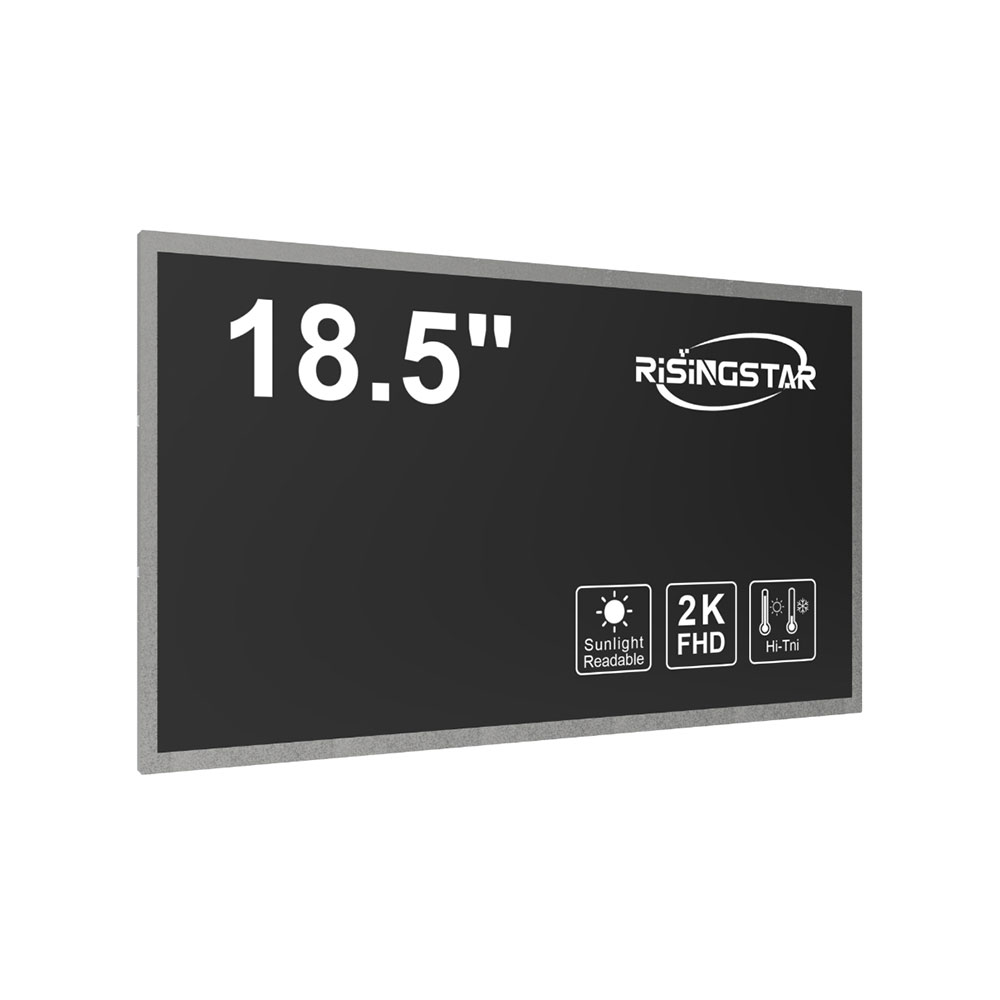
From an integration perspective, modern sunlight-readable LCDs support various interfaces—including LVDS, RGB, MIPI DSI, and HDMI—and often come with built-in drivers for automatic brightness adjustment based on ambient light sensors (ALS). This intelligence reduces energy consumption while optimizing usability across day/night cycles. For OEMs targeting international markets, choosing displays with IP65 or higher ingress protection ratings ensures dust and water resistance, especially in agriculture, mining, or maritime applications.
Case studies from companies like Bosch, John Deere, and Siemens demonstrate that integrating high-brightness sunlight-readable LCDs into their field equipment led to a 40% reduction in operator misreads and a 25% improvement in service intervals due to fewer display-related failures. These results highlight the business value—not just technical superiority—of investing in premium display solutions.
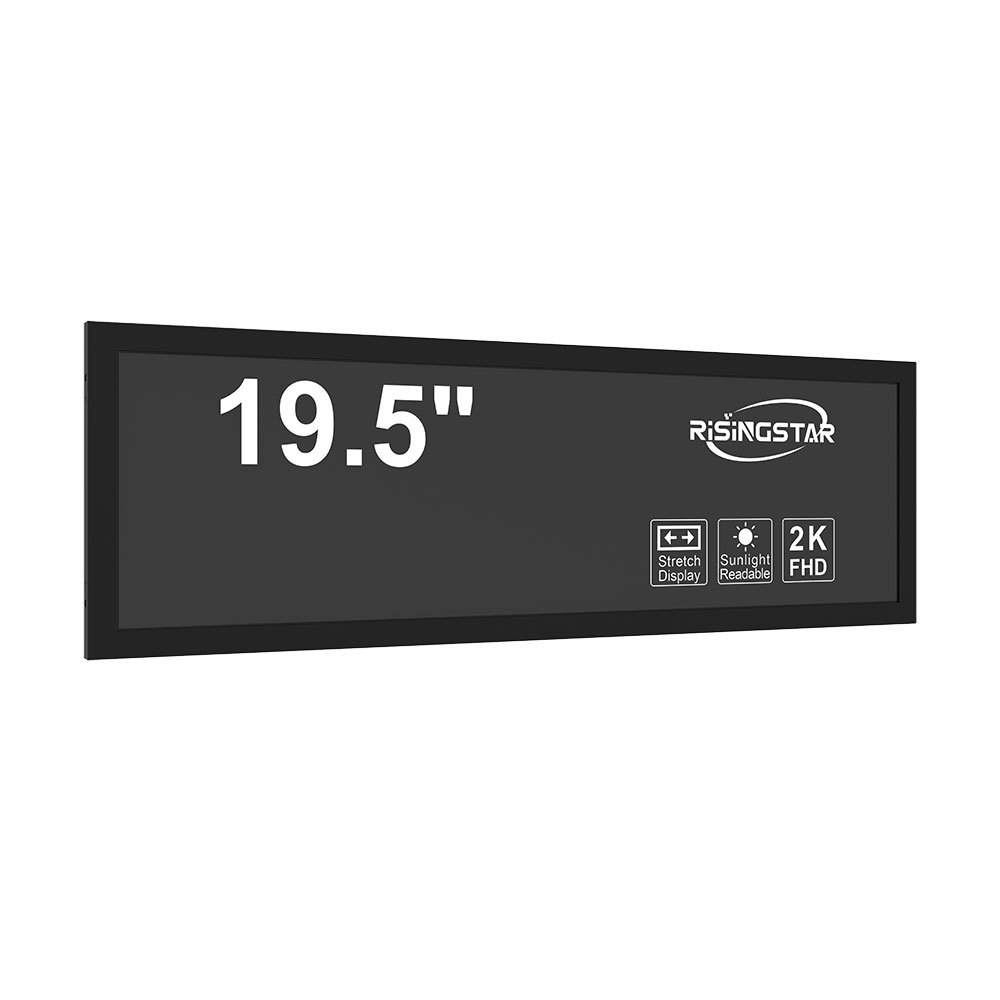
For overseas distributors, understanding the total cost of ownership (TCO) is key. While initial costs may be higher than standard displays, the long-term savings from reduced maintenance, extended product life, and improved operational efficiency make sunlight-readable LCDs a strategic investment rather than a simple expense.