RisingStar
- Home
- About Us
- Products
- News
- Video
- Contact
- Send Inquiry
Search
- Home
- About Us
- Products
- News
- Video
- Contact
- Send Inquiry
RisingStar
In today’s increasingly connected and mobile-driven world, high-brightness sunlight-readable LCD screens are becoming indispensable across industries such as transportation, military, medical, and industrial automation. These displays are engineered to maintain clarity and usability under extreme outdoor lighting conditions—ranging from bright midday sun (up to 100,000 lux) to low-light environments. Unlike standard LCDs, which suffer from poor visibility in direct sunlight due to low contrast ratios and insufficient brightness, sunlight-readable displays employ advanced optical and material innovations to ensure reliable performance in harsh environments.
One of the core technologies behind these displays is ultra-high brightness backlighting. Industry-standard LCDs typically operate at 300–500 nits, while sunlight-readable models can exceed 5,000 nits—some even reaching 10,000 nits or more. This level of brightness ensures that the screen remains legible under full sun exposure without compromising energy efficiency or lifespan. For example, automotive infotainment systems in electric vehicles now commonly use 7,000-nit panels to maintain readability during daytime driving, a feature validated by standards such as ISO 16750-3 for automotive electrical systems.
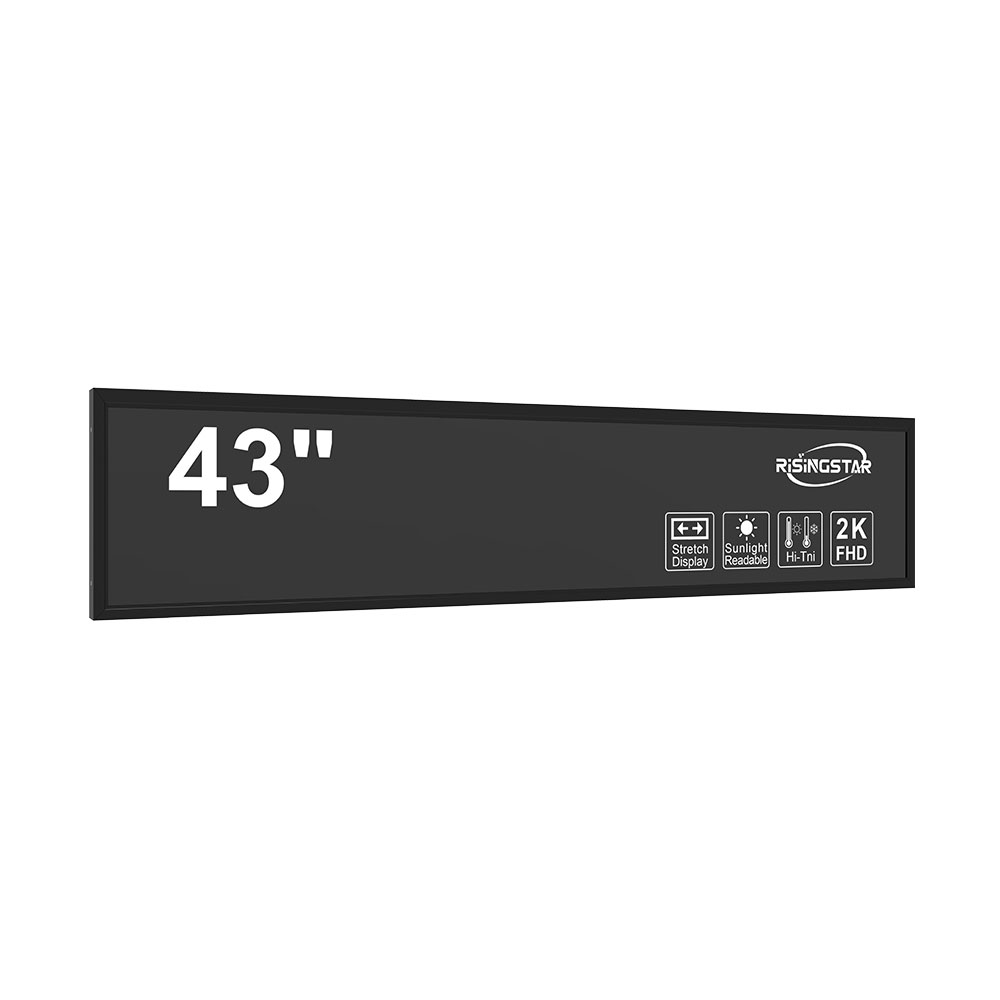
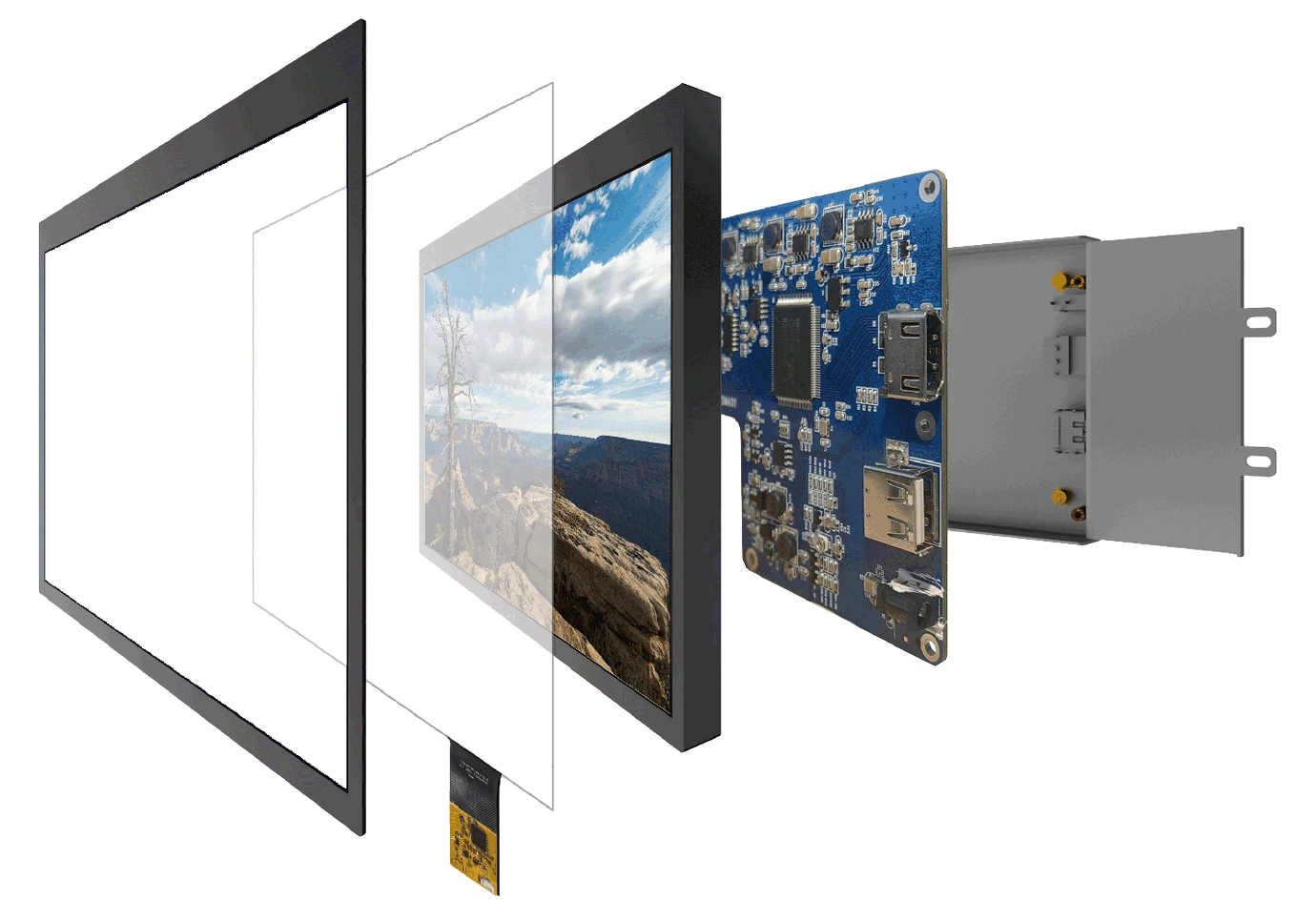
Another critical component is anti-reflective coating technology. Many modern sunlight-readable displays incorporate multi-layer dielectric coatings that reduce surface reflection by up to 90%, minimizing glare caused by ambient light. These coatings work in tandem with polarization filters and diffusers to optimize contrast ratio—even in challenging lighting scenarios like beachfront kiosks or military field operations. A case study from the U.S. Department of Defense highlights how tactical handheld devices equipped with such displays achieved 98% user recognition accuracy in outdoor combat simulations, compared to only 65% on conventional screens.
The choice of liquid crystal materials also plays a significant role. Advanced twisted nematic (TN), in-plane switching (IPS), and vertical alignment (VA) technologies are adapted for higher temperature tolerance and faster response times. IPS panels, for instance, offer wide viewing angles and color stability—a crucial factor for public information systems in airports or subway stations where users approach from multiple directions. According to a 2023 report by MarketsandMarkets, the global market for outdoor LCDs is projected to grow at a CAGR of 6.4% through 2030, driven by demand in smart city infrastructure and autonomous vehicle interfaces.
Moreover, environmental durability is key. Sunlight-readable displays must withstand temperatures ranging from -30°C to +70°C, humidity levels above 95%, and mechanical shock resistance. MIL-STD-810G certification is often required for defense and aerospace applications, ensuring compliance with ruggedized operational standards. Manufacturers like LG Display, Sharp, and Innolux have developed proprietary encapsulation techniques using UV-resistant polymers and hermetic sealing to prevent moisture ingress and long-term degradation.
For system integrators, selecting the right display involves balancing brightness, power consumption, and thermal management. High-brightness operation increases heat generation, necessitating efficient heat dissipation mechanisms such as aluminum heat sinks or active cooling modules. In some cases, adaptive brightness control—where the display dynamically adjusts luminance based on ambient light sensors—is implemented to extend battery life in portable devices while maintaining optimal visibility.
As emerging technologies like AR/VR, IoT-enabled devices, and edge computing expand into outdoor environments, the need for robust, high-brightness sunlight-readable LCDs will continue to rise. The integration of AI-driven brightness optimization and OLED-based flexible displays may further redefine the future of outdoor visual interfaces.