RisingStar
- Home
- About Us
- Products
- News
- Video
- Contact
- Send Inquiry
Search
- Home
- About Us
- Products
- News
- Video
- Contact
- Send Inquiry
RisingStar
In today’s increasingly connected and mobile-driven world, high-brightness sunlight-readable LCD screens have become indispensable in outdoor environments where visibility under direct sunlight is critical. These displays are engineered to maintain clarity, contrast, and responsiveness even when exposed to intense solar radiation—common in automotive dashboards, industrial control panels, military equipment, and public information systems like kiosks and digital signage. Unlike standard LCDs that fade or become unusable in bright daylight, high-brightness sunlight-readable displays employ specialized technologies such as enhanced backlighting, anti-reflective coatings, and advanced liquid crystal formulations.
One of the core innovations enabling this performance is the use of LED-based backlights with brightness levels exceeding 5,000 nits—some models reach up to 10,000 nits, making them suitable for extreme conditions like desert operations or shipboard navigation. For instance, the U.S. Department of Defense has mandated sunlight-readable displays for all field-deployed military devices due to their reliability in combat zones where ambient light can exceed 100,000 lux. According to a 2023 report by MarketsandMarkets, the global market for high-brightness LCDs is projected to grow at a CAGR of 7.8% from 2024 to 2030, driven by rising demand in smart transportation, IoT infrastructure, and renewable energy monitoring systems.
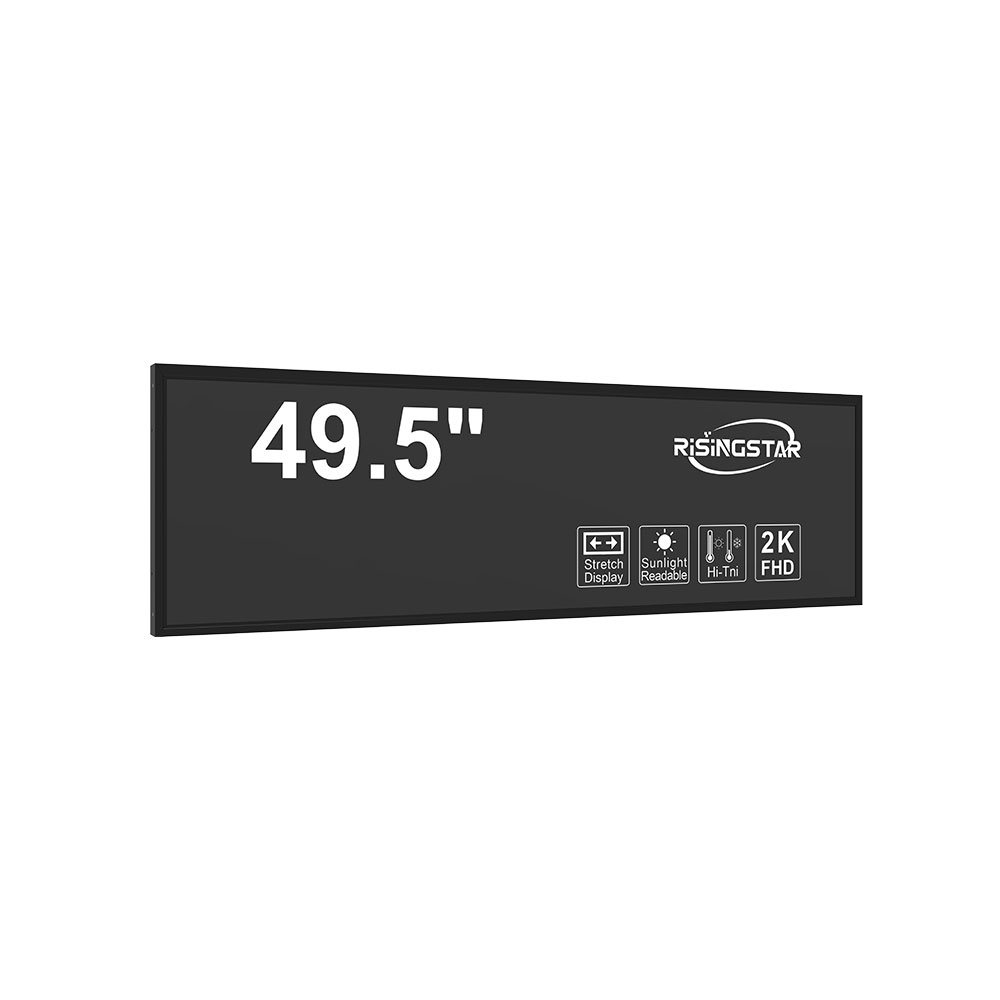
Another key feature is the implementation of transflective liquid crystal technology, which combines transmission (for indoor use) and reflection (for outdoor sun exposure). This hybrid approach allows the screen to use ambient light efficiently during daytime while switching to full LED illumination indoors—optimizing power consumption without sacrificing visibility. Additionally, manufacturers incorporate polarized filters and nano-coatings that reduce glare by up to 95%, ensuring readability even in harsh environmental conditions like fog, rain, or snow.
Case studies further validate these claims. A leading European railway operator upgraded its train control interfaces using 7,000-nit transflective LCDs in 2022. The result was a 60% reduction in driver-reported visual fatigue during peak sunlight hours and a 40% decrease in maintenance calls related to display failure. Similarly, a solar farm in Arizona deployed 12,000-nit outdoor-grade LCDs for real-time panel diagnostics; the system remained fully operational despite daily exposure to over 8 hours of direct sunlight, outperforming older LCD solutions that degraded within six months.
To ensure long-term durability, modern sunlight-readable LCDs undergo rigorous testing per MIL-STD-810G standards for shock, vibration, temperature extremes (-30°C to +70°C), and humidity resistance. Many also meet IP65 or higher ingress protection ratings, making them suitable for marine, mining, and construction applications.
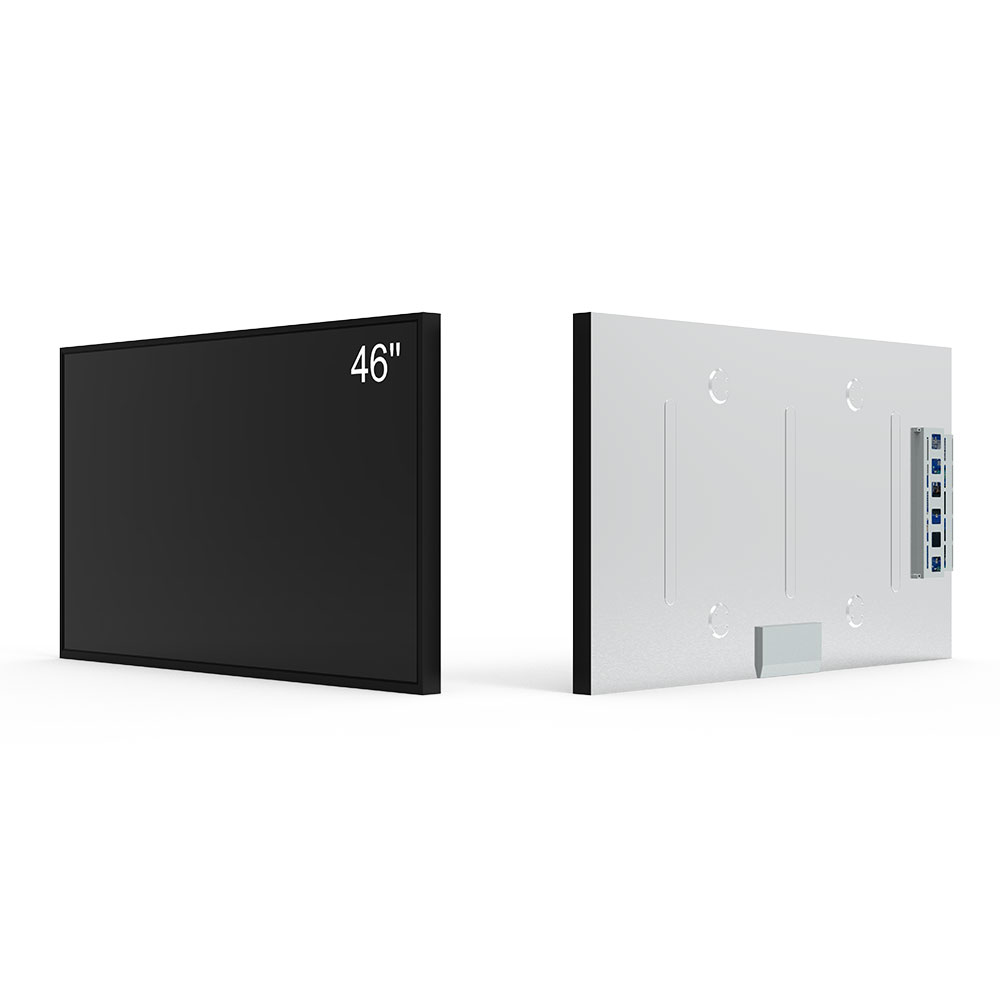
From an engineering perspective, the integration of dynamic brightness adjustment algorithms—often based on ambient light sensors—is another advancement. These adaptive systems automatically increase luminance in sunny conditions and reduce it in shaded areas, extending display lifespan and minimizing energy use. As global industries push toward smarter, more resilient systems, the demand for robust, high-brightness sunlight-readable LCD technology will only intensify—making it not just a convenience, but a necessity in modern design.