RisingStar
- Home
- About Us
- Products
- News
- Video
- Contact
- Send Inquiry
Search
- Home
- About Us
- Products
- News
- Video
- Contact
- Send Inquiry
RisingStar
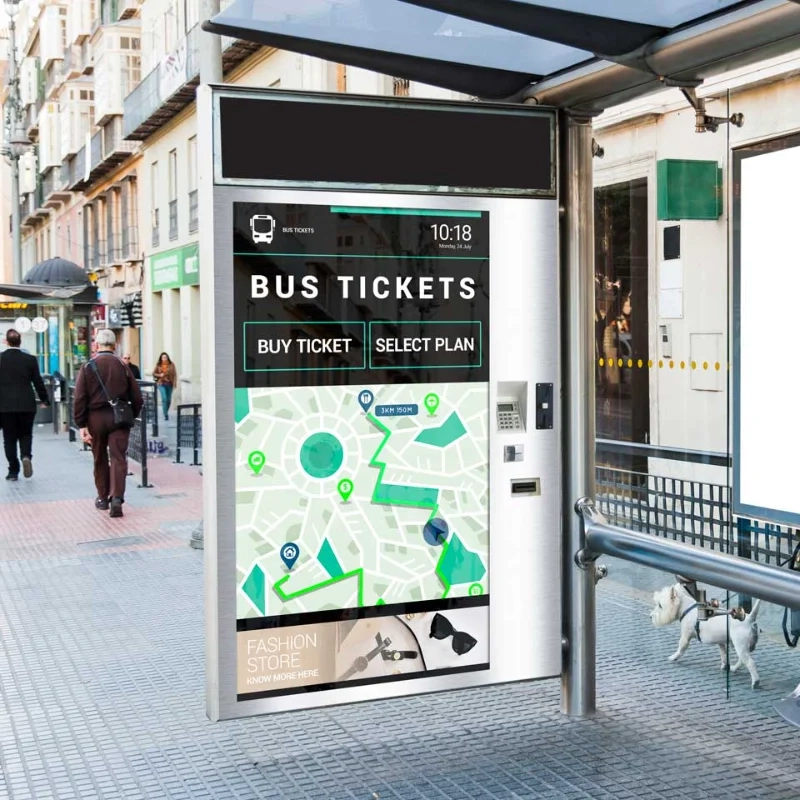
In today’s increasingly connected and mobile-driven world, high-brightness sunlight-readable LCD screens have become indispensable in outdoor environments where visibility under direct sunlight is critical. From military field operations to public transportation displays and industrial control panels, these screens are engineered to maintain clarity and functionality even under extreme lighting conditions—often exceeding 10,000 lux of ambient light. Unlike standard LCDs that suffer from washout or glare in bright environments, sunlight-readable displays employ advanced optical and electronic technologies to ensure optimal readability.
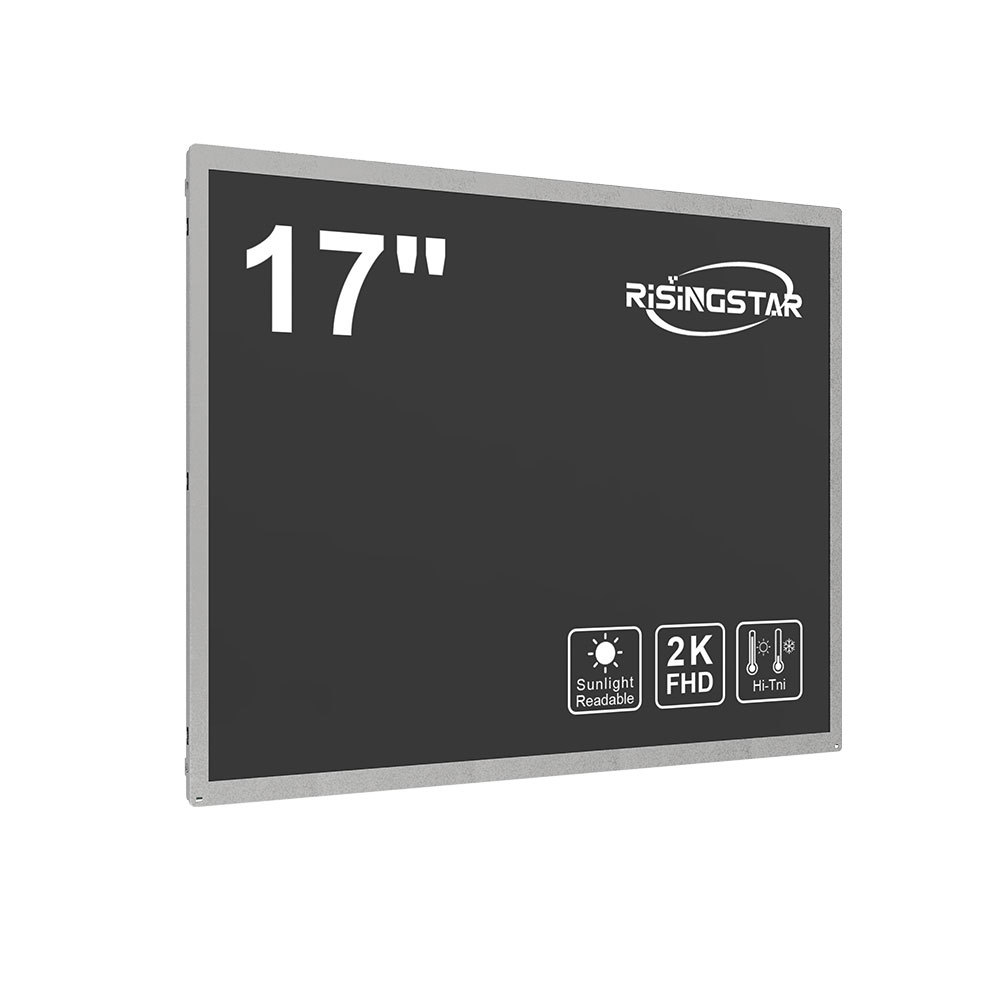
The core challenge in designing such screens lies in balancing brightness, power consumption, contrast ratio, and thermal management. Modern high-brightness LCDs typically operate between 3,000 and 15,000 nits (cd/m²), far surpassing the 200–500 nits of conventional indoor displays. This increase in brightness is achieved through several key innovations: high-efficiency LED backlighting with optimized diffusers, anti-reflection coatings, and advanced polarizer layers. For example, manufacturers like LG Display and BOE have developed proprietary "Sunlight Readable" display technologies using quantum dot-enhanced LEDs and micro-lens arrays to boost luminance while reducing power draw by up to 25%.
Additionally, the integration of ambient light sensors enables dynamic brightness adjustment—a crucial feature for energy efficiency and user comfort. These sensors automatically adjust screen brightness based on real-time environmental conditions, preventing over-illumination in shaded areas while maximizing visibility in full sun. This adaptive capability not only extends battery life in portable devices but also reduces eye strain and operational costs in fixed installations like kiosks or traffic signage.
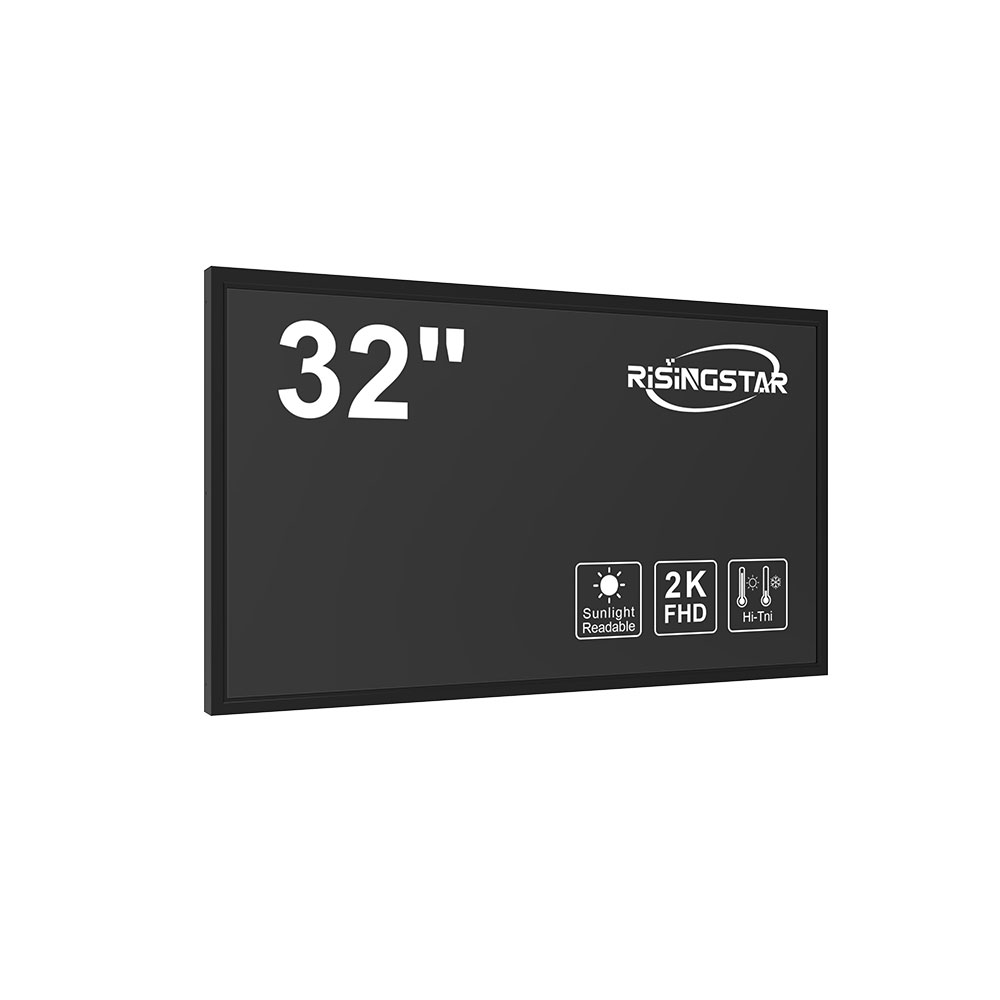
Another essential element is the use of transflective liquid crystal technology, which combines reflective and transmissive modes. In bright sunlight, the display uses ambient light via a reflective layer, minimizing reliance on backlight power. When ambient light drops—such as at dusk or indoors—the screen switches to transmissive mode using the LED backlight. This hybrid approach is particularly effective in handheld devices like ruggedized tablets used in construction or emergency response scenarios.
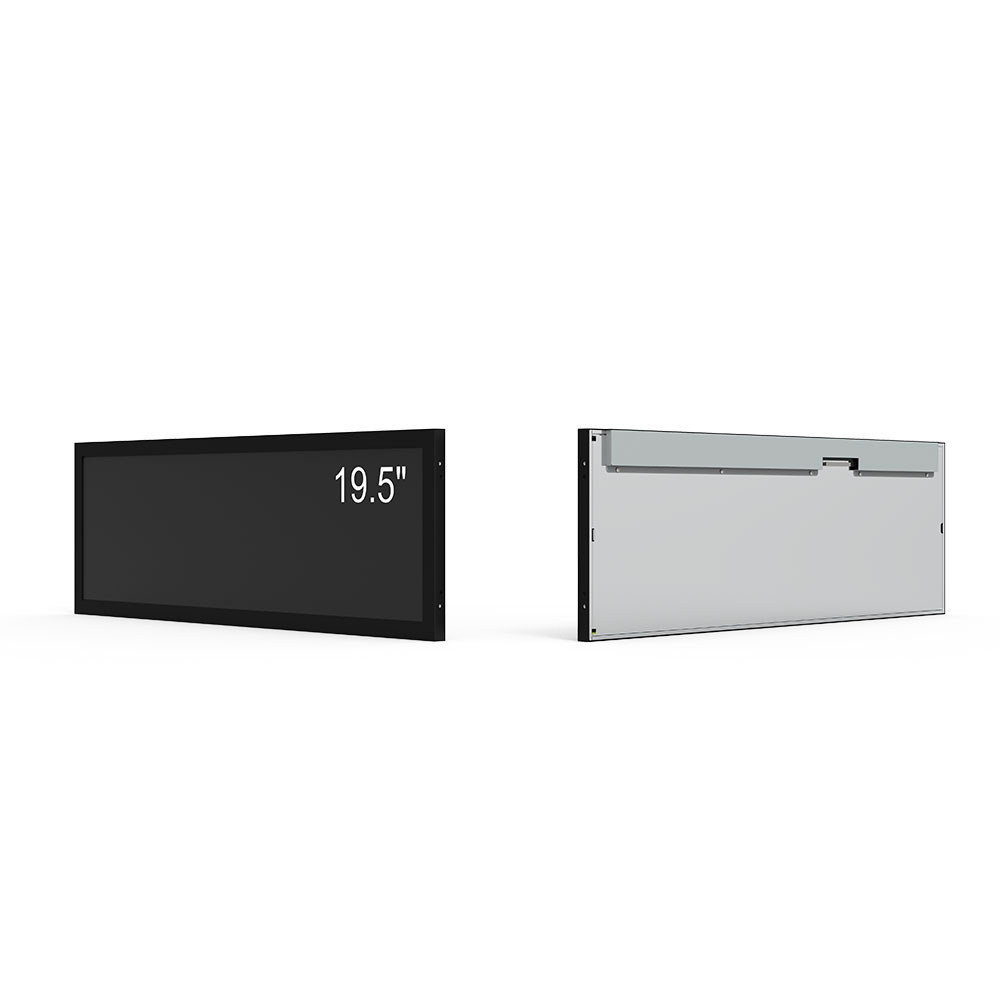
Case studies further validate the effectiveness of these solutions. For instance, the U.S. Department of Defense adopted high-brightness sunlight-readable displays in its AN/PRC-152 radio systems due to their reliability in combat zones with variable lighting. Similarly, Siemens deployed such displays in their industrial automation panels in solar farms across Arizona, where temperatures can exceed 50°C and sunlight intensity exceeds 1,000 W/m². These installations demonstrate that modern sunlight-readable LCDs meet MIL-STD-810G environmental durability standards for shock, vibration, temperature extremes, and humidity.
From an industry perspective, the global demand for sunlight-readable displays is projected to grow at a CAGR of 7.2% from 2024 to 2030, driven by smart city initiatives, autonomous vehicle interfaces, and outdoor digital signage. Standards such as ISO 9241-3 and EN 60068-2-1 provide benchmarks for human factors and environmental testing, ensuring consistency across manufacturers. As OLED and Mini-LED technologies mature, they are poised to offer even higher peak brightness and better contrast ratios, making future sunlight-readable displays more efficient and visually superior.
In conclusion, high-brightness sunlight-readable LCD screens represent a convergence of materials science, optical engineering, and user-centric design. Their continued evolution ensures that critical information remains accessible in any environment—whether in a desert battlefield or a bustling urban transit hub. With ongoing innovation and adherence to international standards, these displays will remain vital components of our increasingly outdoor-connected world.