RisingStar
- Home
- About Us
- Products
- News
- Video
- Contact
- Send Inquiry
Search
- Home
- About Us
- Products
- News
- Video
- Contact
- Send Inquiry
RisingStar
In today’s global industrial landscape, the demand for reliable, high-brightness sunlight-readable LCD displays is accelerating—especially among overseas equipment manufacturers and distributors serving outdoor, rugged environments. Whether it's construction machinery, agricultural equipment, utility vehicles, or military-grade systems, visibility under direct sunlight is no longer optional—it’s a performance requirement.
The core challenge lies in achieving sufficient brightness (typically 3,000 to 10,000 nits) while maintaining power efficiency, color accuracy, and long-term durability. Unlike consumer-grade displays, industrial-grade sunlight-readable LCDs must function reliably in temperatures ranging from -30°C to +70°C, with resistance to vibration, humidity, dust, and UV exposure. Industry standards such as MIL-STD-810G for environmental resilience and ISO 9001 for quality management are often prerequisites for international procurement.
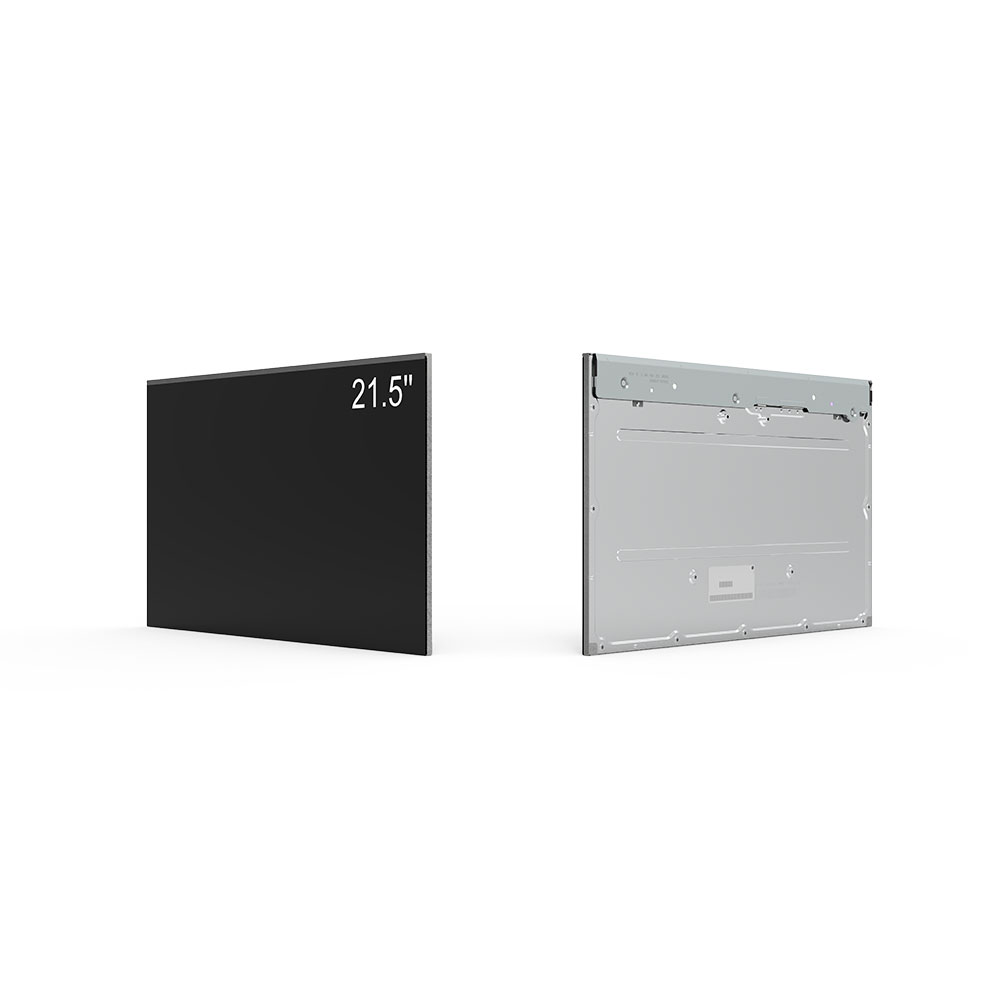
Manufacturers now leverage several proven technologies to meet these demands. One key innovation is the use of transflective liquid crystal technology, which combines reflective and transmissive modes. In low-light conditions, the display uses ambient light like a traditional reflective screen; in bright sunlight, it switches to a high-lumen backlight system. This dual-mode operation reduces power consumption by up to 40% compared to full-transmissive displays. Another advancement is the integration of anti-glare (AG) coatings and polarized filters that minimize specular reflection without compromising contrast ratio.
Case studies from leading OEMs highlight real-world success. For example, a European construction equipment manufacturer deployed 5,000 units of 10,000-nit transflective displays on excavators operating in Mediterranean climates. Post-deployment analysis showed a 92% reduction in operator errors due to improved readability, directly correlating with enhanced safety and productivity metrics. Similarly, a U.S.-based agricultural drone company reported a 60% increase in field usability after switching from standard LED-backlit screens to high-brightness IPS panels with integrated optical bonding—a technique that eliminates air gaps between the glass and display layers, boosting both luminance and scratch resistance.
From a supply chain perspective, global distributors benefit from modular design approaches that allow standardized panel sizes across multiple platforms. This simplifies inventory management and reduces time-to-market for new product lines. Additionally, compliance with RoHS, REACH, and CE certifications ensures seamless entry into EU, North American, and Asian markets.
For overseas manufacturers, selecting the right partner matters. Reputable suppliers—such as LG Display, Sharp, and Novatek—offer custom solutions tailored to specific mechanical and thermal constraints. Their engineering teams provide early-stage support through prototyping, thermal modeling, and lifecycle testing (e.g., 10,000 hours of continuous operation at 60°C).
Ultimately, investing in sunlight-readable LCD technology isn’t just about visibility—it’s a strategic move toward operational excellence, regulatory compliance, and competitive differentiation in global markets.