RisingStar
- Home
- About Us
- Products
- News
- Video
- Contact
- Send Inquiry
Search
- Home
- About Us
- Products
- News
- Video
- Contact
- Send Inquiry
RisingStar
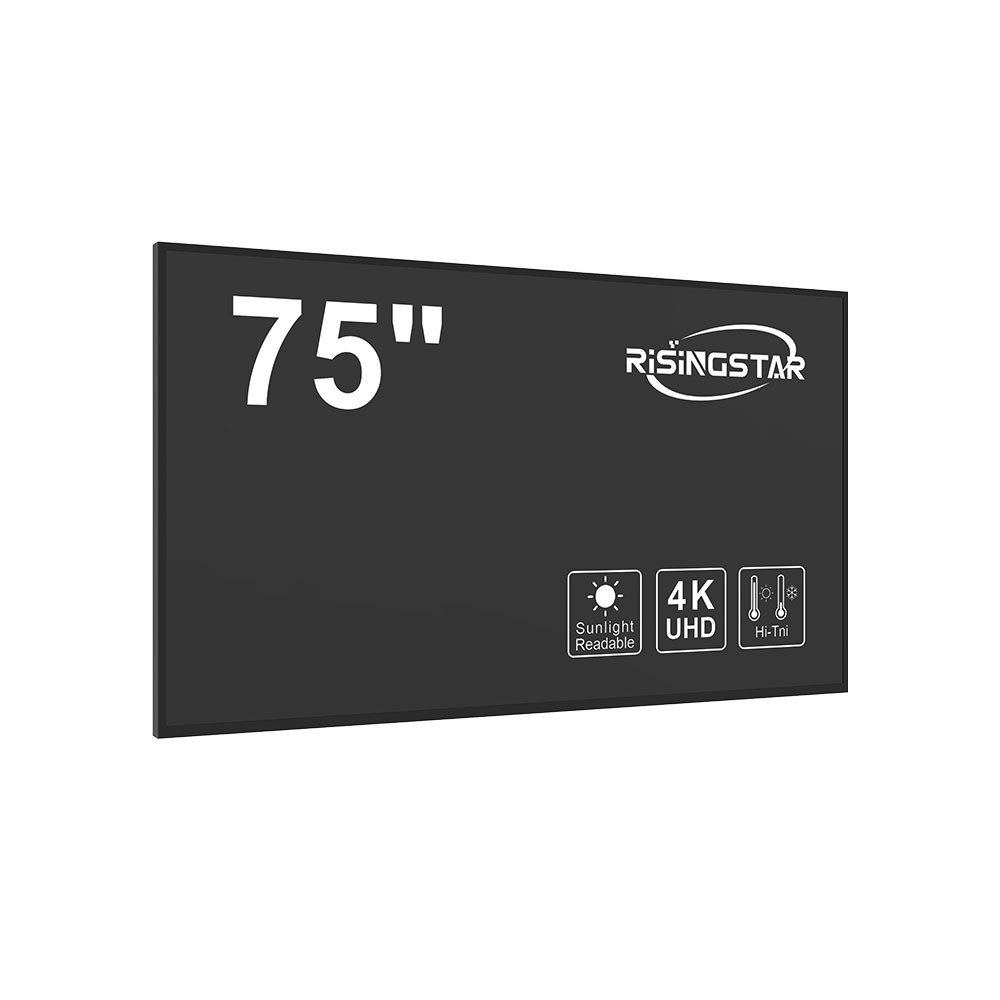
High-brightness, sunlight-readable LCD displays are essential in modern outdoor and transit environments where visibility under direct sunlight is non-negotiable. These specialized displays exceed standard brightness levels—typically 5,000 to 10,000 nits—to ensure clear readability even in full daylight conditions. Unlike conventional LCDs that become washed out or unusable in bright sunlight, high-brightness panels incorporate advanced anti-glare coatings, polarization filters, and optimized backlighting systems using high-efficiency LEDs.
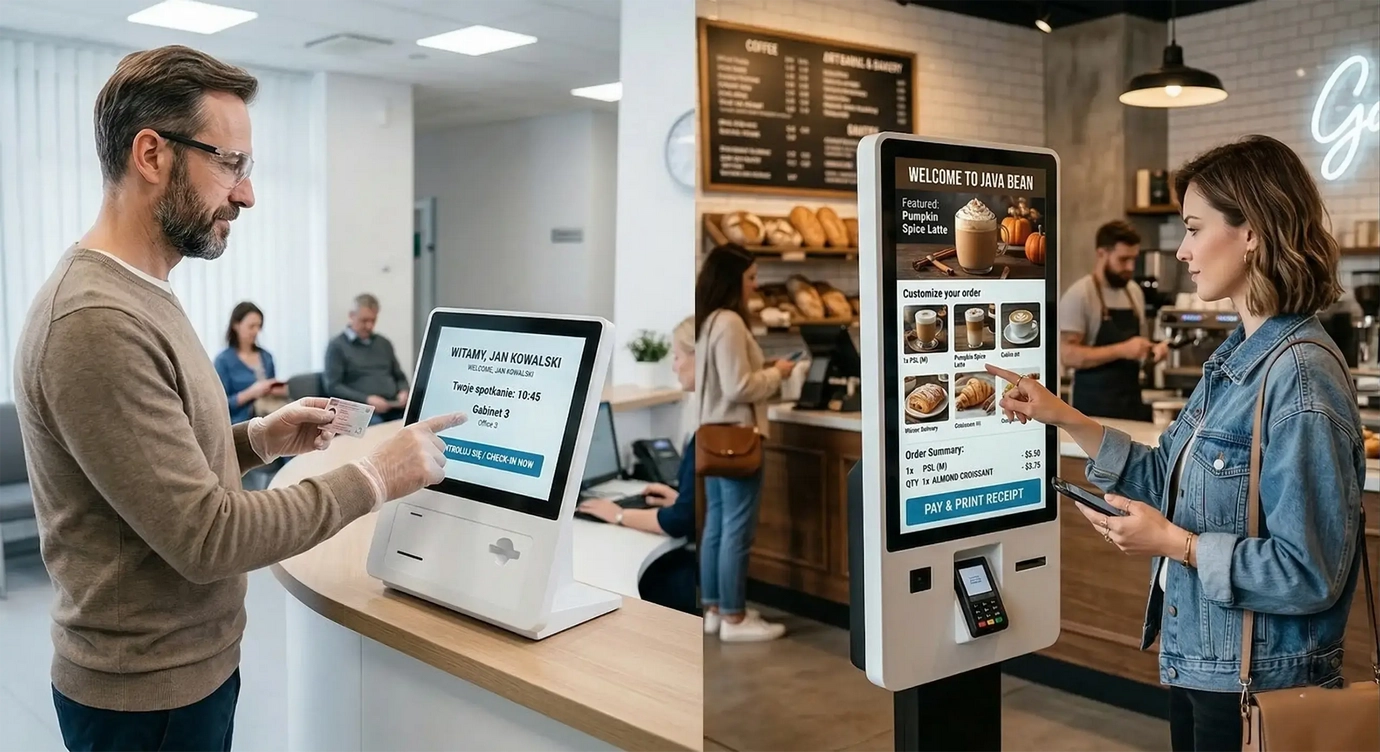
Such displays are widely deployed across multiple industries, including public transportation (railways, buses, subways, and intercity rail systems), where they power real-time passenger information systems (PIS). For example, in London Underground or Tokyo Metro, these screens provide accurate departure times, service alerts, and route maps regardless of time of day or weather. In EV charging kiosks and gas pumps, sunlight-readable displays offer intuitive interfaces for users to initiate payments, check fuel/electricity levels, and view station availability—critical for safety and convenience in unsheltered environments.
In digital signage applications, such as retail stores, real estate listings, and outdoor advertising boards, these displays deliver vibrant content with minimal glare. According to a 2023 report by MarketsandMarkets, the global market for outdoor digital signage is projected to reach $48 billion by 2028, driven by demand for energy-efficient, durable, and high-visibility displays. Similarly, smart city initiatives worldwide are integrating high-brightness LCDs into traffic control systems, bus stop information boards, and interactive kiosks, enhancing citizen engagement and operational efficiency.
The technical backbone includes ruggedized glass with anti-reflection (AR) coatings, wide operating temperature ranges (-30°C to +70°C), and IP65 or higher environmental protection ratings. Manufacturers like LG Display, Sharp, and BOE have pioneered innovations such as local dimming zones and adaptive brightness algorithms that dynamically adjust luminance based on ambient light sensors—a key feature for reducing power consumption while maintaining performance.
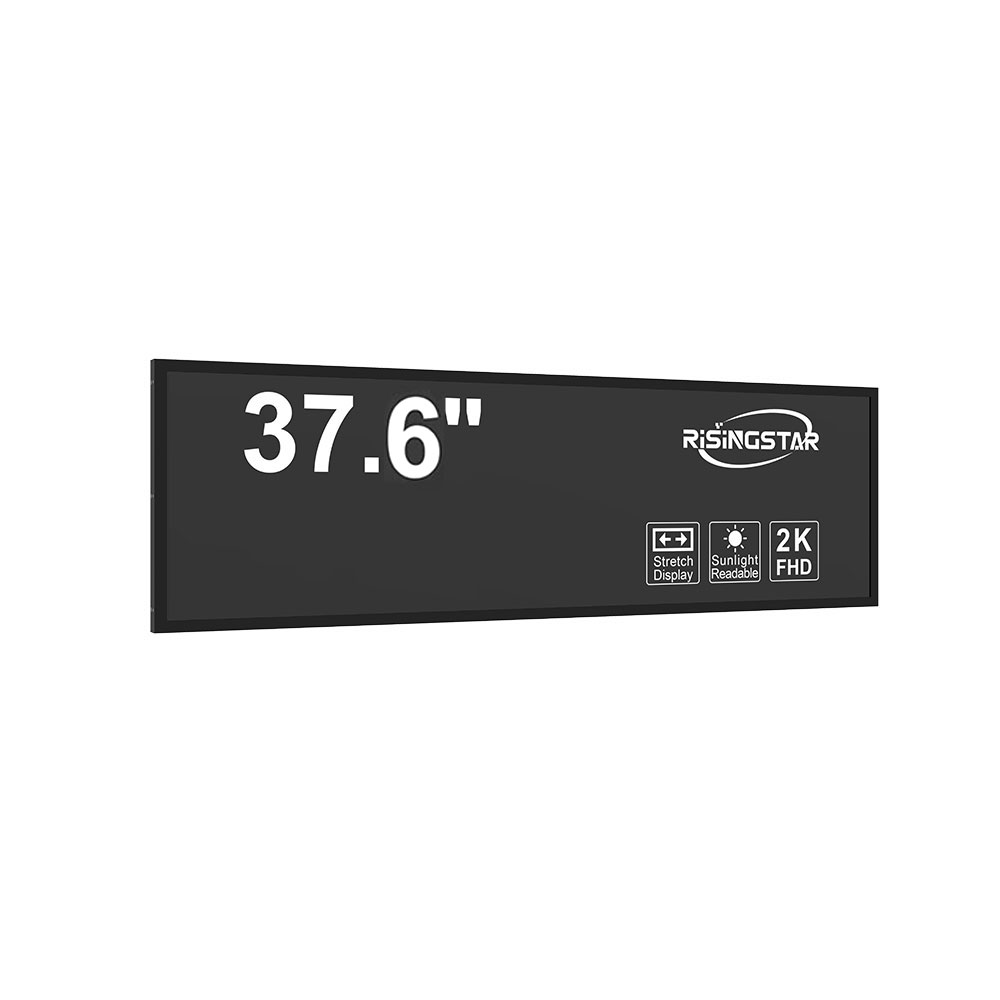
These displays also support touch functionality, often featuring glove-compatible capacitive touch layers and multi-touch gestures, making them ideal for self-service kiosks. Their compatibility with industrial-grade processors and remote management software (e.g., via SNMP or cloud-based platforms) enables centralized monitoring and firmware updates—an advantage for large-scale deployments.
With increasing urbanization and digital transformation in public infrastructure, high-brightness sunlight-readable LCDs are no longer optional—they are mission-critical. Whether it’s guiding passengers through crowded stations, enabling seamless EV charging transactions, or displaying compelling ads on a sunny street corner, these displays ensure clarity, reliability, and user engagement in the most challenging lighting conditions.