RisingStar
- Home
- About Us
- Products
- News
- Video
- Contact
- Send Inquiry
Search
- Home
- About Us
- Products
- News
- Video
- Contact
- Send Inquiry
RisingStar
In today’s increasingly connected and mobile-driven world, the demand for high-brightness, sunlight-readable LCD displays has surged across industries such as transportation, defense, healthcare, outdoor advertising, and industrial automation. Among these, displays with a 16:9 aspect ratio—ranging from compact 10.1-inch screens to massive 110-inch panels—are uniquely positioned to meet both ergonomic design standards and functional performance needs under extreme lighting conditions.
The 16:9 format, originally popularized by HDTV and now standard in modern computing and multimedia devices, offers optimal compatibility with widescreen content, including video, dashboards, and data visualization tools. This makes it ideal for applications where users must view critical information clearly even in direct sunlight or harsh ambient light. For instance, a 23.8-inch 16:9 display used in an airport kiosk must remain readable at over 5,000 nits of brightness, while a 15.6-inch unit in a military vehicle must function reliably during daytime operations without glare distortion.
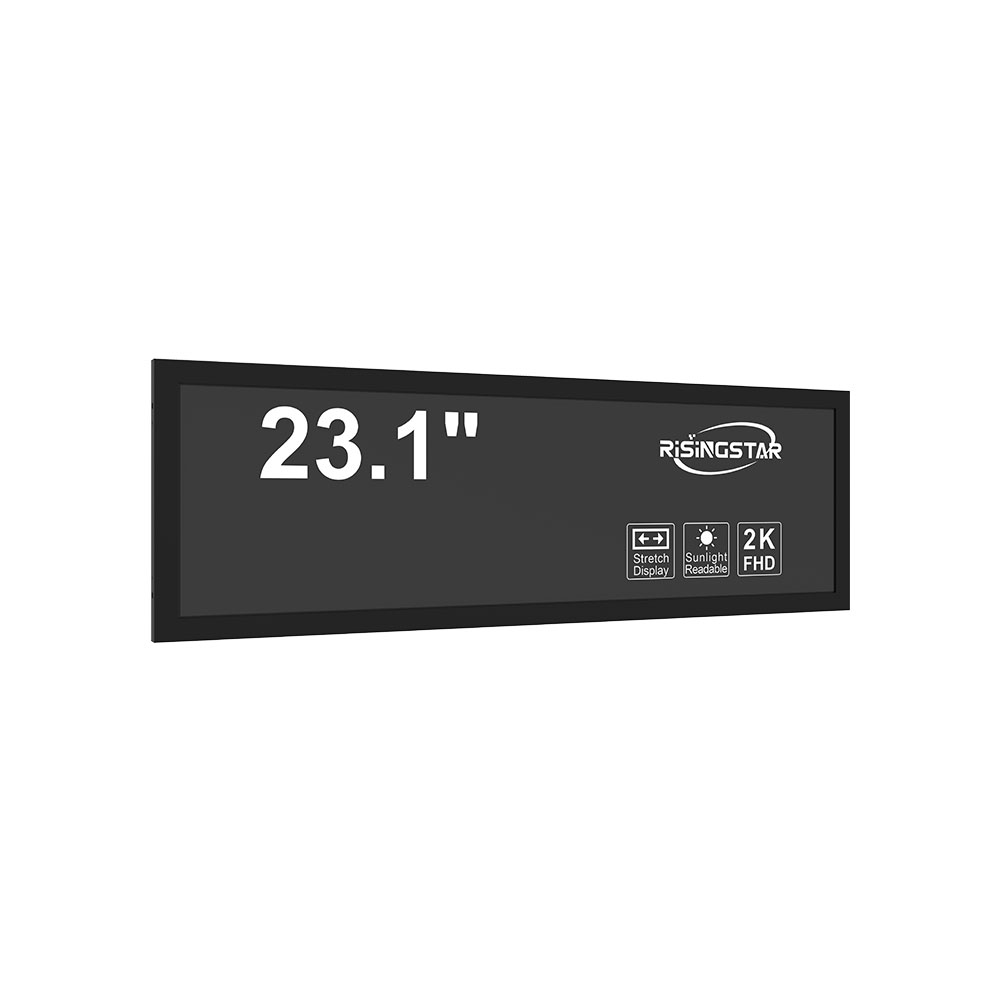
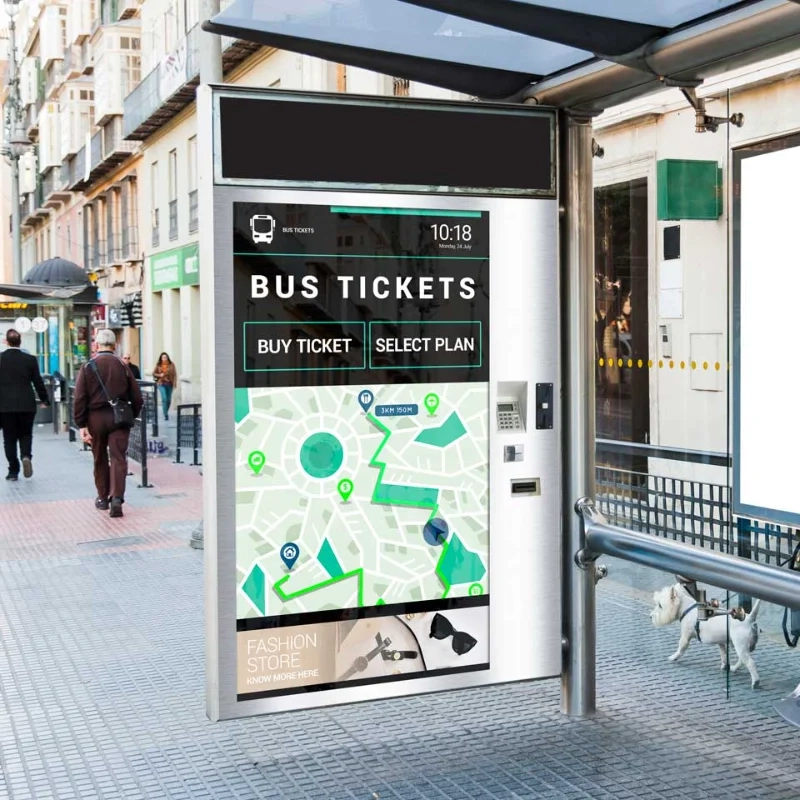
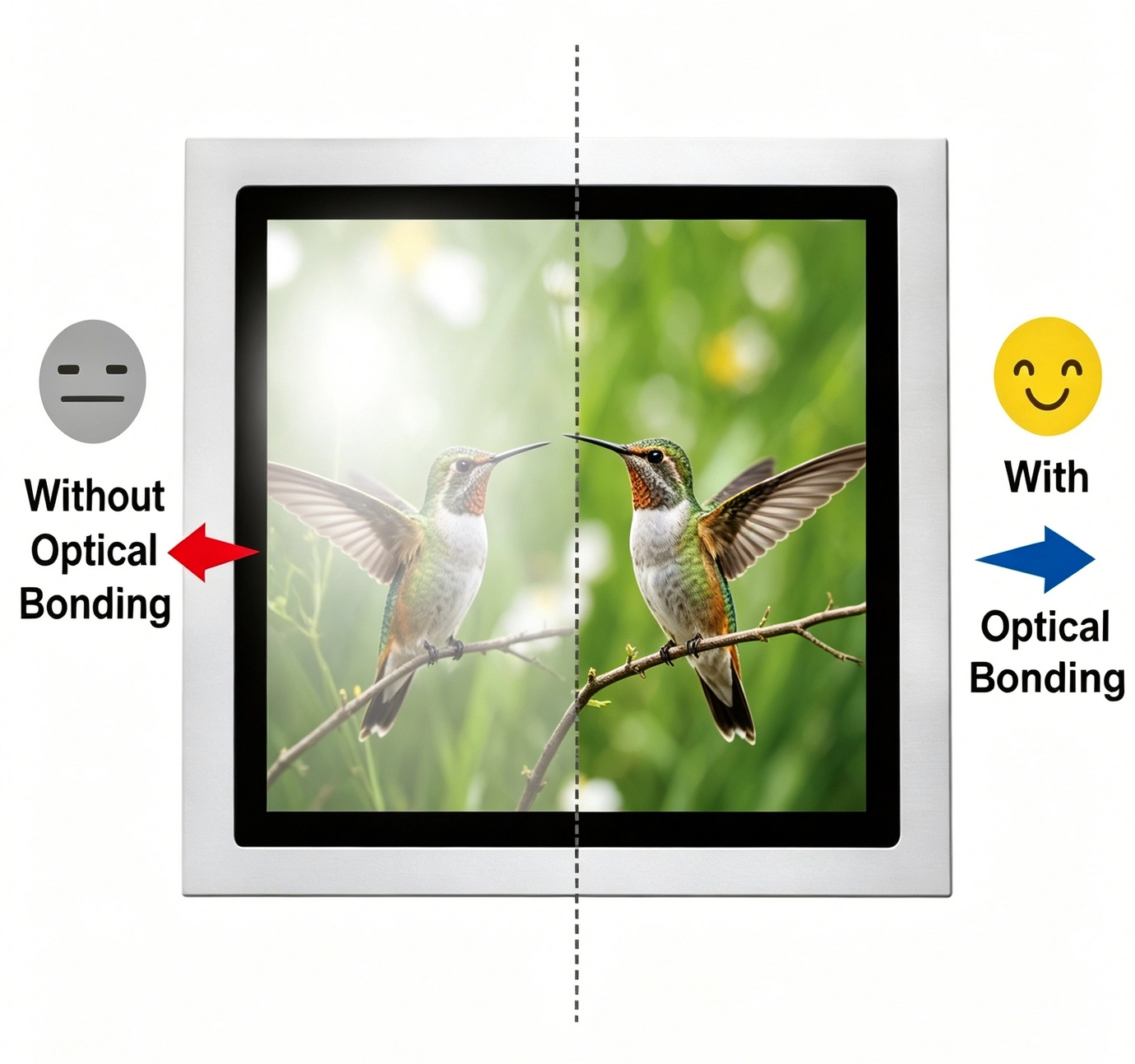
Manufacturers like LG Display, AU Optronics, and Innolux have developed specialized LCD technologies—such as transflective liquid crystal cells, enhanced polarizers, and anti-glare coatings—that significantly improve contrast ratios and reduce reflection. These innovations are especially crucial for sizes between 13.3” and 43”, where pixel density, viewing angles, and power efficiency must be balanced against brightness requirements. For example, a 32-inch sunlight-readable LCD with 10,000 nits peak brightness is commonly deployed in public transit systems in hot climates (e.g., Dubai or Singapore), ensuring passengers can read schedules despite intense solar exposure.
Industry standards such as MIL-STD-810G (for ruggedness) and ISO 9241-307 (for human factors in visual display terminals) guide product development. Moreover, IEC 60068-2-1 (temperature testing) and EN 60950-1 (safety compliance) ensure reliability across diverse environments—from Arctic research stations to desert-based oil rigs. Case studies from companies like Panasonic and BrightSign show that implementing 16:9 sunlight-readable displays improves operational safety and reduces downtime in outdoor settings by up to 35%.
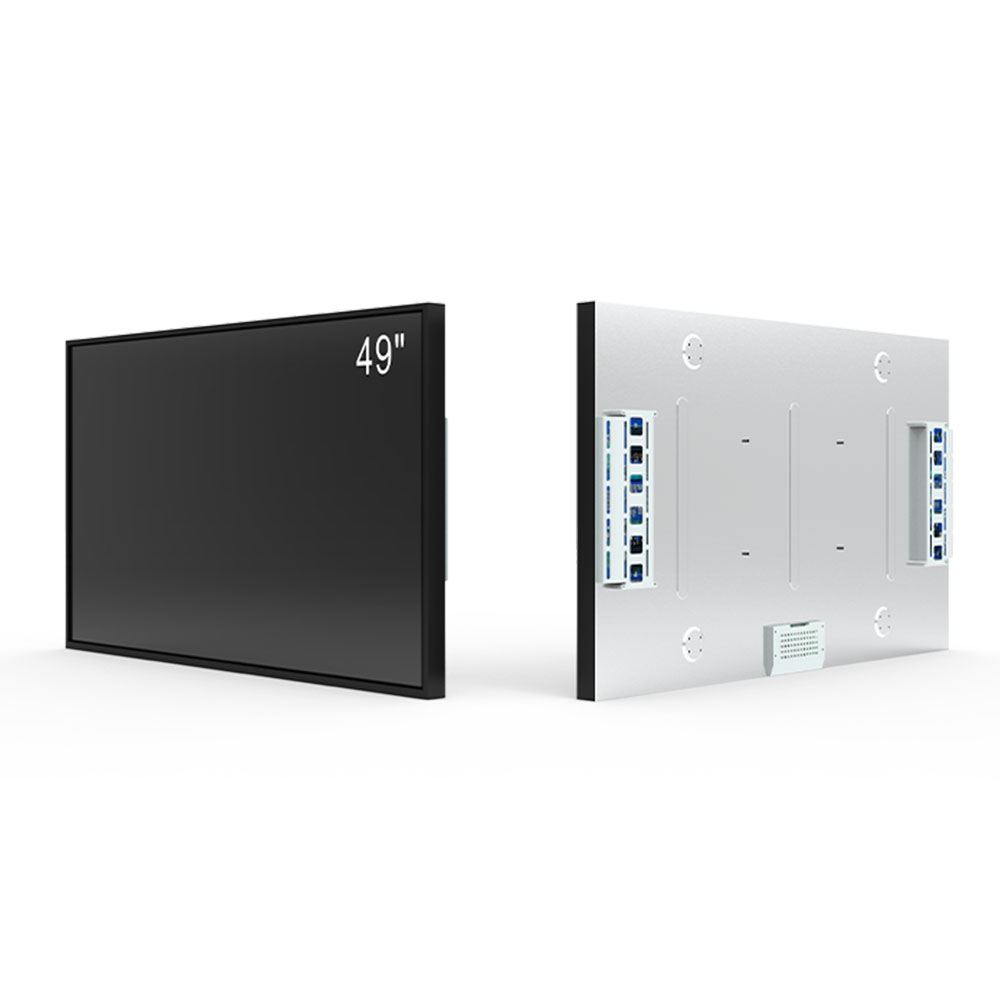
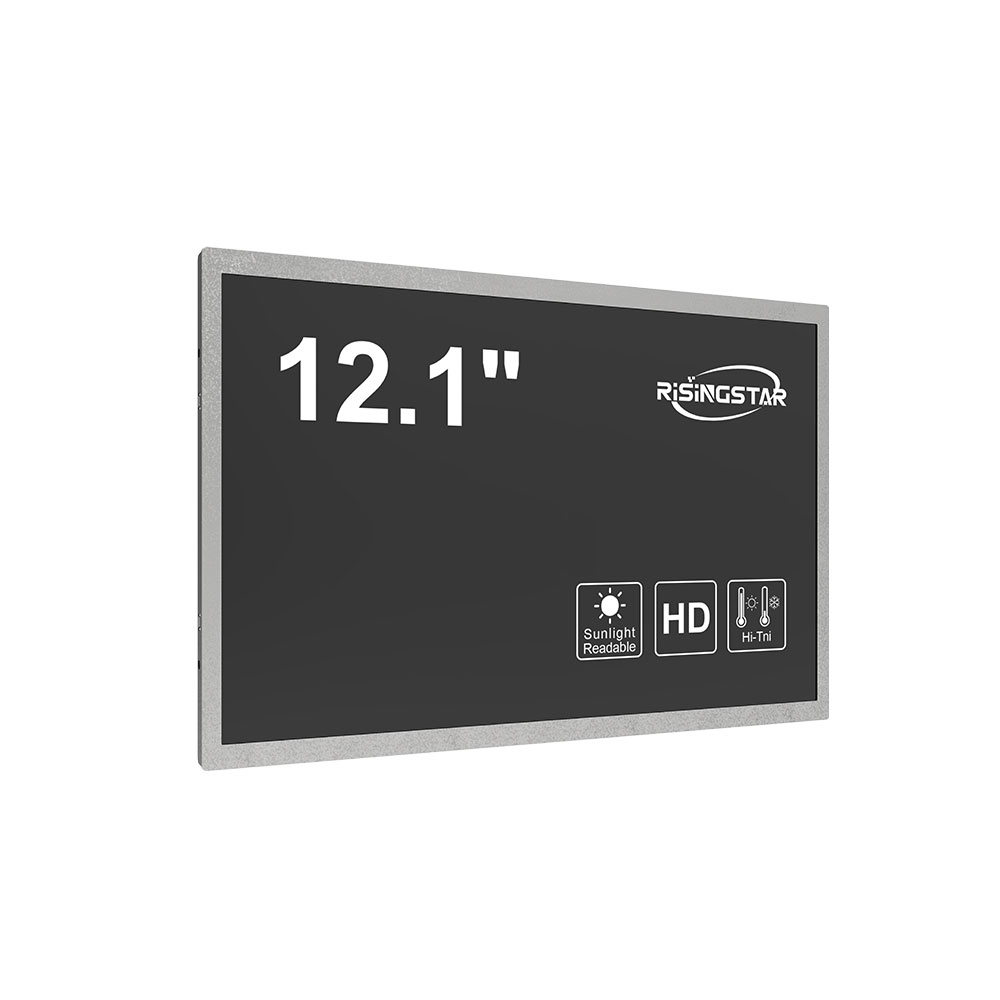
When selecting a screen size, system integrators consider form factor, installation space, and viewing distance. A 10.1-inch display might be ideal for handheld field equipment, whereas a 75-inch or larger panel suits command centers requiring large-scale situational awareness. Regardless of size, all models in this range must pass rigorous testing protocols including thermal cycling, humidity resistance, and mechanical shock. In summary, the convergence of advanced materials, smart backlighting, and precise engineering ensures that 16:9 LCDs deliver exceptional visibility, durability, and usability in real-world scenarios where traditional displays fail.