 RisingStar
- Home
- About Us
- Products
- News
- Video
- Contact
- Send Inquiry
Search
- Home
- About Us
- Products
- News
- Video
- Contact
- Send Inquiry
RisingStar
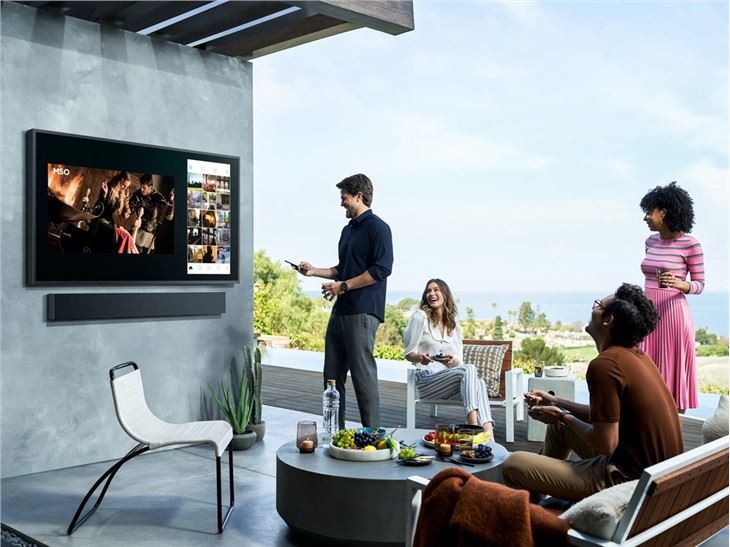
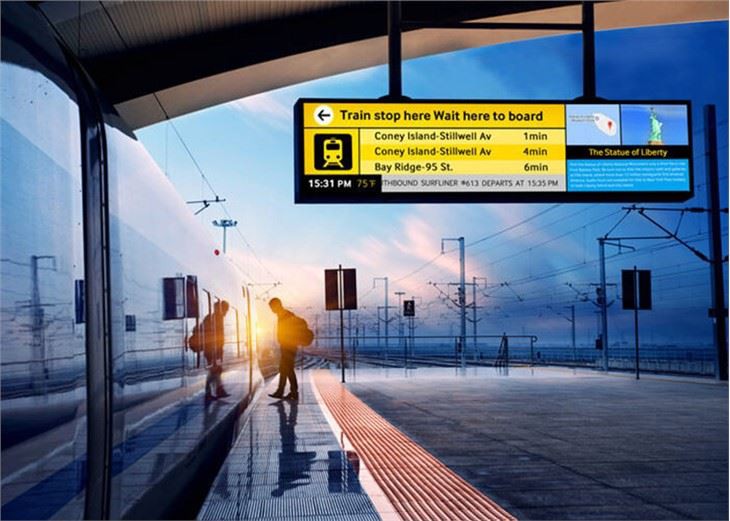
In today’s increasingly connected and mobile-centric world, the demand for high-brightness, sunlight-readable LCD displays has surged across industries such as transportation, defense, healthcare, agriculture, and outdoor advertising. These displays are engineered to maintain visibility under intense ambient light conditions—ranging from direct sunlight to bright indoor lighting—without compromising image quality or user experience. The 16:9 aspect ratio is now the industry standard for widescreen content, aligning with modern video formats, multimedia streaming, and ergonomic design principles.
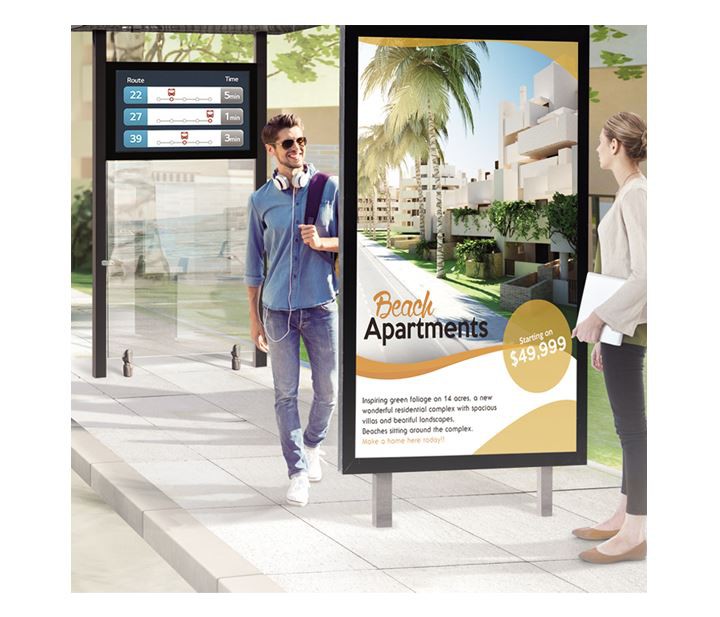
Among the most commonly used screen sizes in this category are 10.1", 13.3", 15.6", 18.5", 21.5", 23.8", 27", 32", 43", 46", 49", 55", 65", 75", 86", 98", and 110". Each size caters to a specific application domain: compact 10.1" and 13.3" displays are ideal for handheld devices, medical tablets, and vehicle-mounted systems; mid-sized screens like 15.6" and 18.5" serve industrial control panels, kiosks, and ruggedized laptops; while larger sizes (27"–110") dominate outdoor digital signage, command centers, and public information systems.
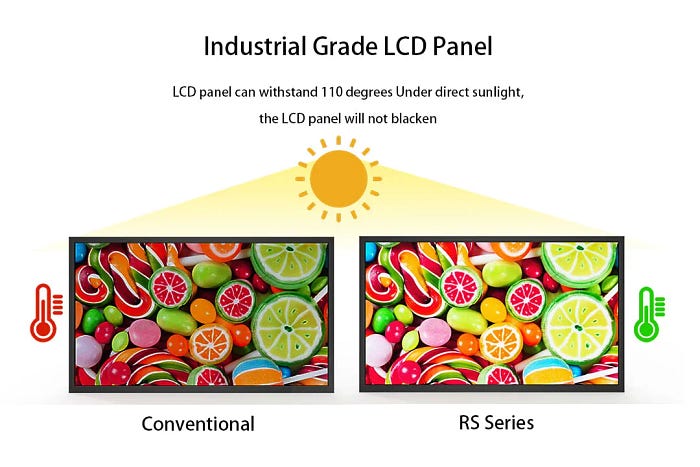
A critical technical differentiator in sunlight-readable LCDs is brightness. Standard indoor LCDs typically range from 200 to 400 nits, but sunlight-readable models must exceed 5,000 nits—some even reaching 10,000 nits—to ensure legibility in full daylight. This is achieved through advanced backlighting technologies such as LED arrays with diffuser plates, high-efficiency phosphor coatings, and dynamic brightness adjustment algorithms that optimize power consumption without sacrificing visibility. Additionally, anti-reflective coatings, polarized filters, and glass lamination reduce glare and enhance contrast ratios—key factors for visual clarity in harsh environments.
Manufacturers like LG Display, BOE Technology, Sharp, and Innolux have developed proprietary solutions such as “Sunlight Readable” (SR) and “High Brightness” (HB) series tailored for these applications. For instance, BOE’s HLB series supports 16:9 displays up to 55" with peak brightness of 7,000 nits and IP65 dust/water resistance, making them suitable for use in military vehicles and construction equipment. Similarly, Sharp’s IGZO-based LCDs offer low power consumption and high resolution, enabling long-term operation in remote solar-powered installations like agricultural monitoring stations.
Real-world case studies validate the effectiveness of these displays. A 2022 study by the University of California, Berkeley, demonstrated that workers in outdoor logistics hubs using 32" 16:9 sunlight-readable monitors experienced a 35% reduction in misreads and improved task completion times compared to standard LCDs. In another deployment by Siemens for a smart grid control center in Dubai, 75" 16:9 displays enabled real-time data visualization under 10,000 lux ambient lighting—a scenario where conventional screens became unusable.
To ensure durability and performance, manufacturers adhere to international standards such as MIL-STD-810G for environmental resistance, IEC 60068 for vibration and shock tolerance, and EN 60598 for electrical safety. Furthermore, compliance with RoHS and REACH regulations ensures eco-friendly manufacturing processes and material sourcing.
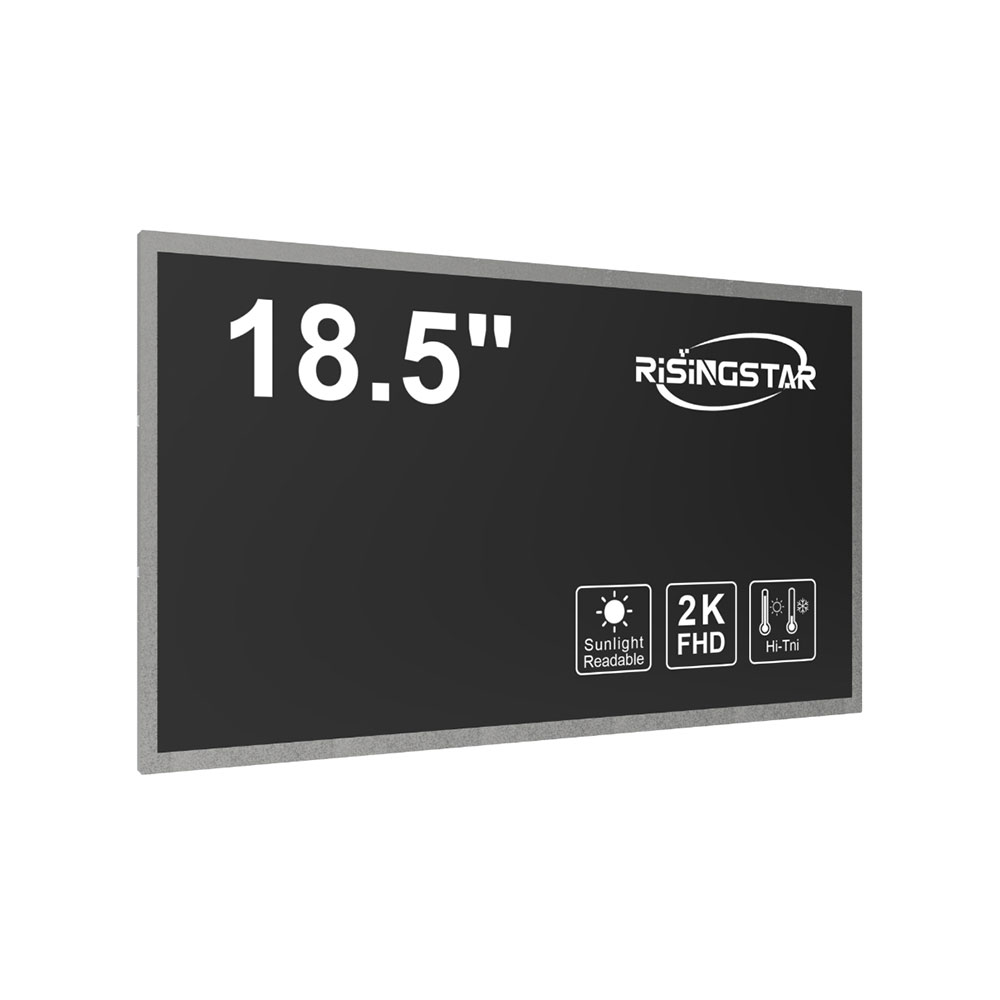
As global trends shift toward automation, IoT integration, and edge computing, the role of robust, high-brightness, 16:9 aspect ratio LCDs will continue to grow. Whether deployed in extreme temperatures (-30°C to +70°C), dusty deserts, or humid tropical climates, these displays provide mission-critical reliability for professionals who depend on accurate, real-time information—even under the harshest sunlit conditions.