RisingStar
- Home
- About Us
- Products
- News
- Video
- Contact
- Send Inquiry
Search
- Home
- About Us
- Products
- News
- Video
- Contact
- Send Inquiry
RisingStar
In today’s increasingly connected and mobile-driven world, high-brightness sunlight-readable LCD screens have become indispensable in outdoor environments where visibility under direct sunlight is critical. From military field operations to public transportation displays and industrial control panels, these screens are engineered to maintain clarity and functionality even under intense solar exposure—often exceeding 10,000 lux of ambient light. Unlike standard LCDs that suffer from washout or glare in bright conditions, sunlight-readable displays employ advanced optical and electronic technologies to ensure consistent image quality.
The core of a sunlight-readable LCD lies in its brightness output. While typical indoor displays range from 250 to 400 nits (cd/m²), high-brightness variants can reach up to 5,000 nits or more—enough to overpower natural daylight. This performance is achieved through a combination of high-luminance LED backlighting, optimized polarizers, and anti-reflective coatings. For instance, the MIL-STD-1883 standard outlines specific requirements for military-grade displays, including a minimum of 3,000 nits brightness at 25°C ambient temperature, ensuring reliability in extreme conditions.
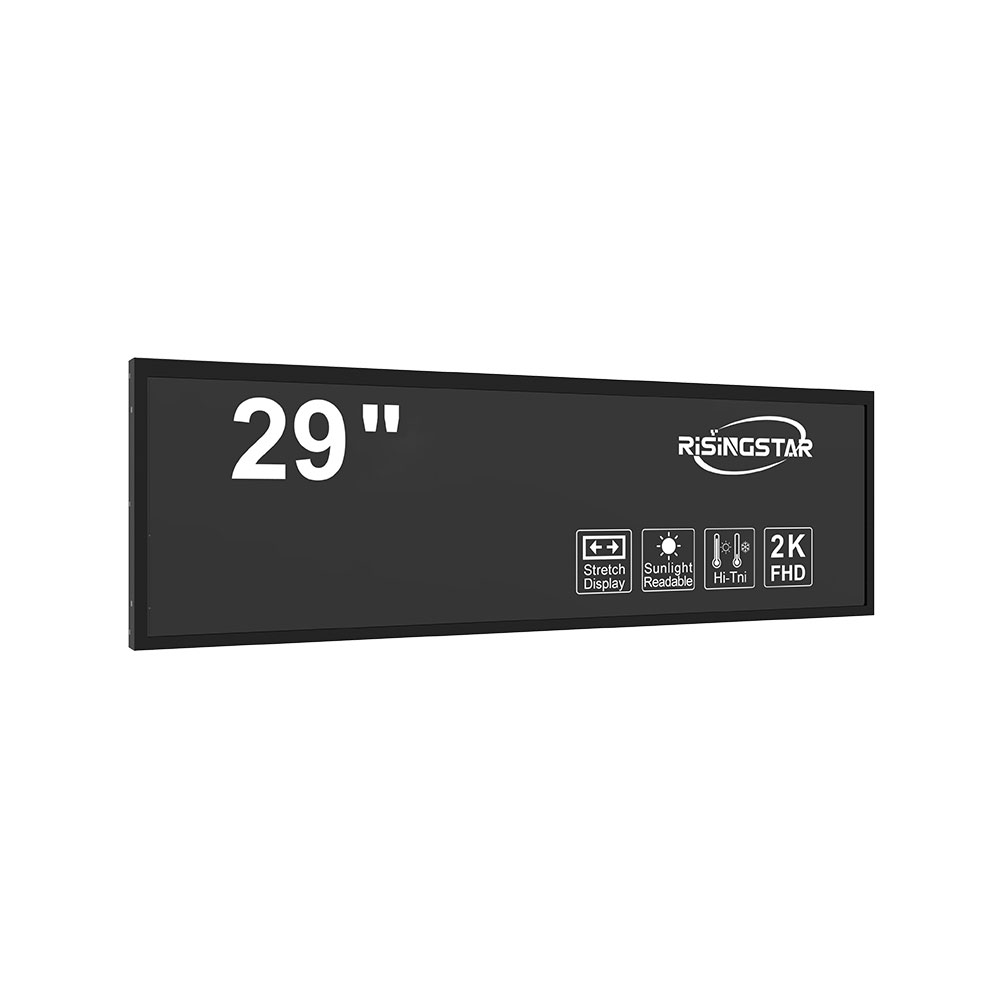
Another key technology is the use of transflective liquid crystal cells. These allow the display to function in both transmissive (backlit) and reflective modes, enhancing visibility in low-light environments while maximizing energy efficiency in daylight. Companies like EIZO and LG Display have implemented this dual-mode approach in ruggedized outdoor terminals used in logistics, agriculture, and emergency response systems. Case studies from the U.S. Department of Defense show that such displays reduce operator error by over 40% in high-stress, sun-exposed scenarios compared to traditional backlit screens.
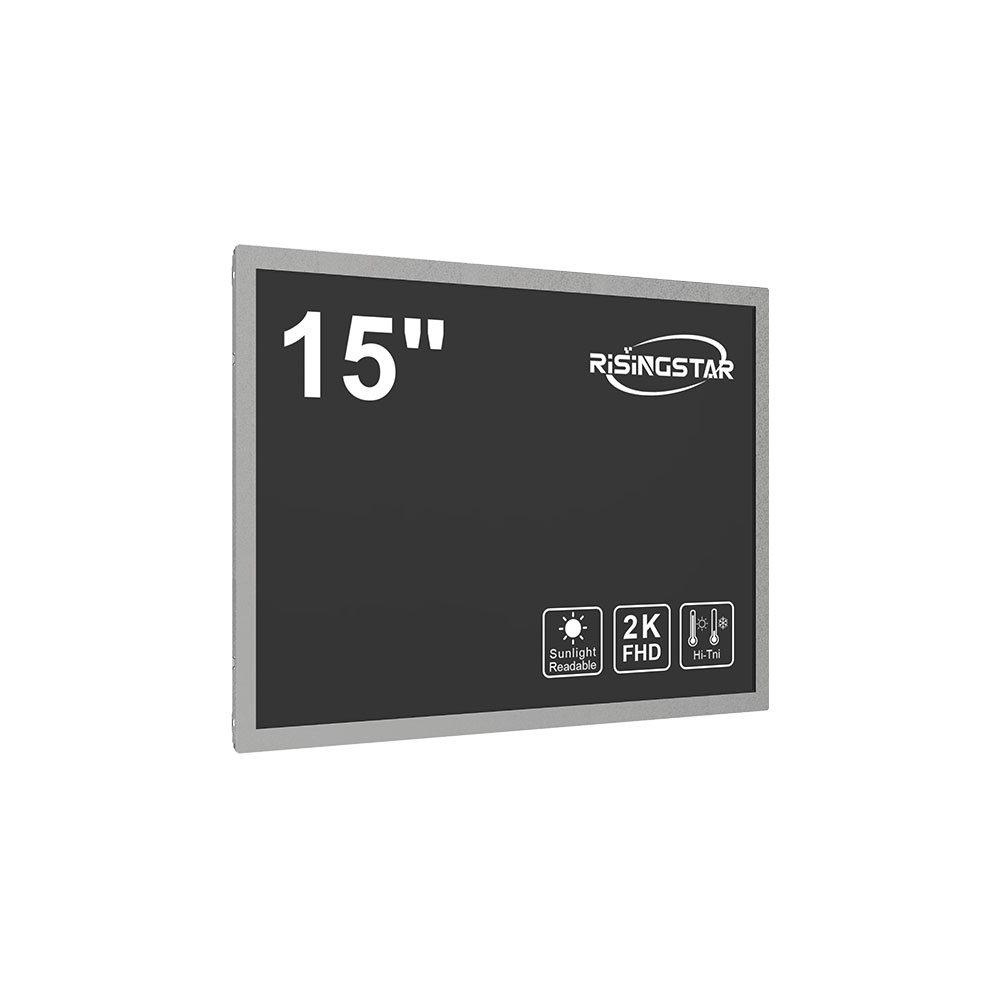
Furthermore, modern sunlight-readable LCDs integrate adaptive brightness control via ambient light sensors. This not only improves user experience but also extends battery life in portable devices—a critical factor for drones, handheld military gear, and construction site tablets. In addition, structural enhancements such as hardened Gorilla Glass or polycarbonate overlays protect against scratches, impact, and moisture ingress, often meeting IP65 or higher environmental ratings.
From an engineering perspective, achieving true sunlight readability involves balancing power consumption, thermal management, and color accuracy. For example, OLED-based solutions offer superior contrast ratios but require careful heat dissipation due to their higher power density. Meanwhile, IPS (In-Plane Switching) LCDs remain popular for their wide viewing angles and consistent color reproduction across various lighting conditions.
As industries demand more robust human-machine interfaces for outdoor use—from electric vehicle dashboards to smart city kiosks—the evolution of sunlight-readable LCD technology continues to accelerate. With advancements in mini-LED backlights, quantum dot enhancements, and AI-powered dynamic contrast adjustment, next-generation displays promise even greater efficiency, durability, and visual fidelity in harsh environments.