RisingStar
- Home
- About Us
- Products
- News
- Video
- Contact
- Send Inquiry
Search
- Home
- About Us
- Products
- News
- Video
- Contact
- Send Inquiry
RisingStar
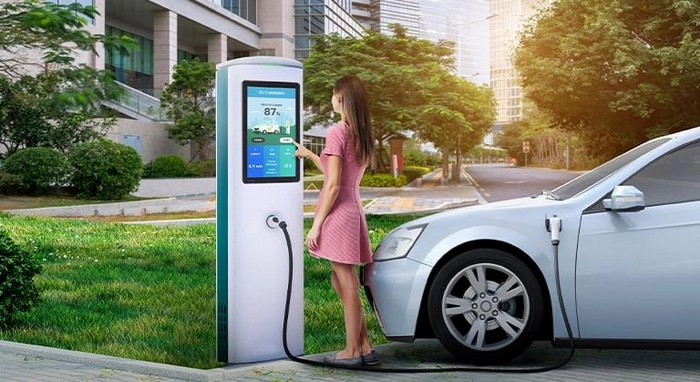
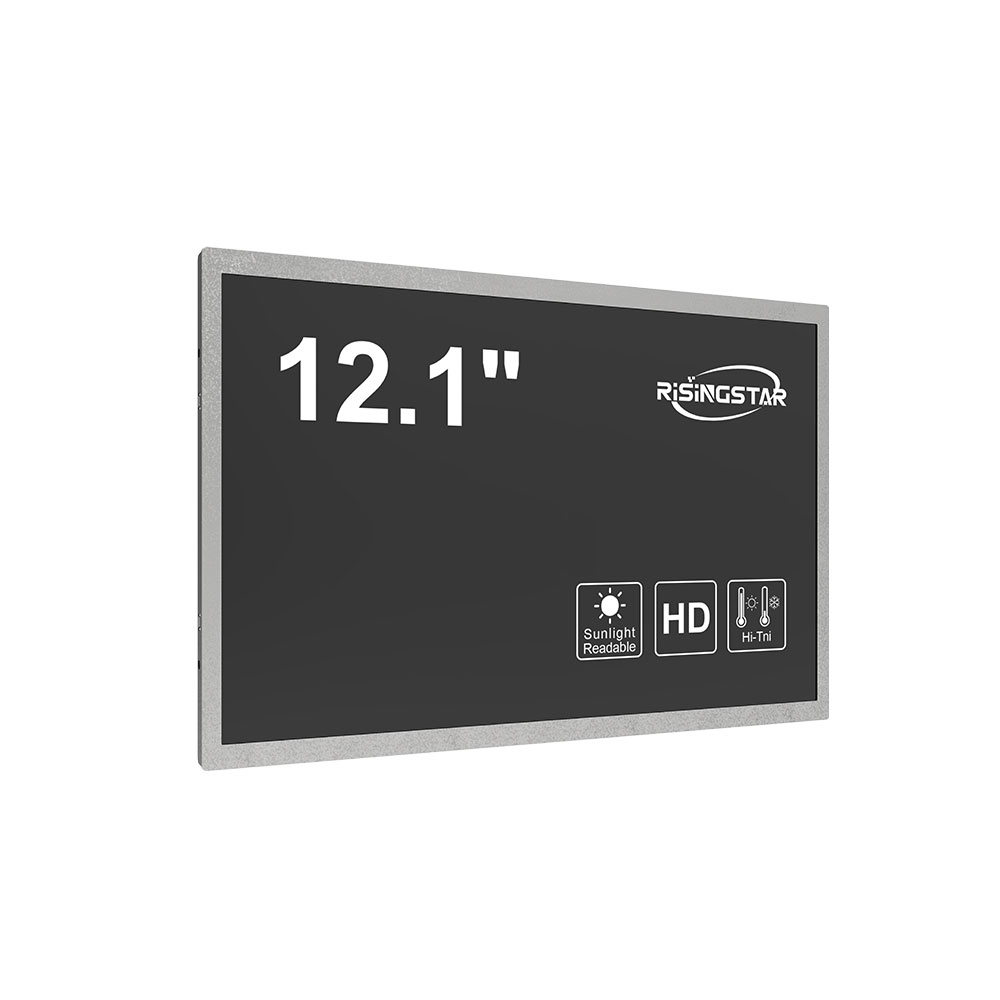
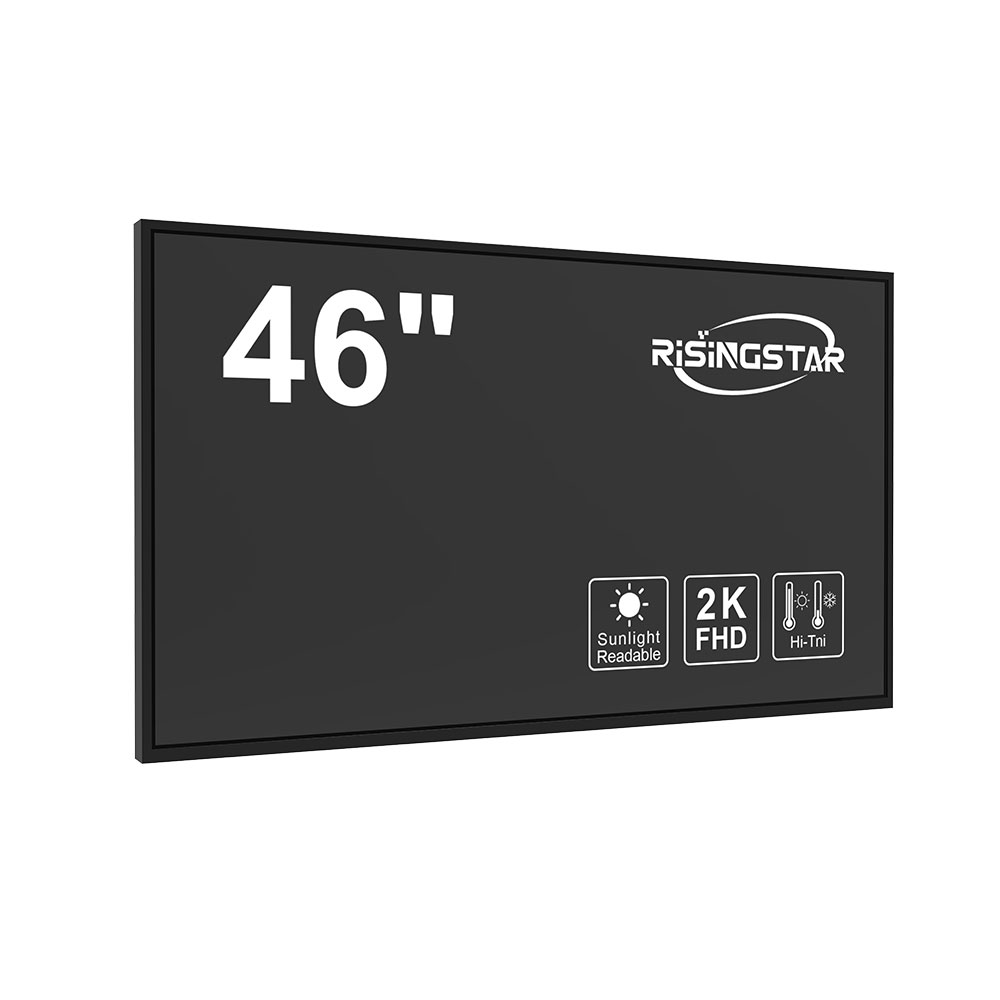
High-brightness, sunlight-readable LCD displays are essential in modern outdoor and transit environments where visibility under direct sunlight is critical. These specialized screens are engineered to maintain clarity, color accuracy, and responsiveness even in harsh lighting conditions—such as those found in railway stations, bus terminals, subway platforms, intercity trains, EV charging kiosks, gas pumps, digital signage, and retail environments.
The core technology behind these displays lies in their ability to achieve brightness levels exceeding 5,000 nits—far above standard indoor LCDs (typically 300–500 nits). This high luminance ensures that content remains legible during peak sunlight hours, a key requirement for public information systems like passenger information displays (PIDS) in mass transit. For example, in a study by the International Association of Public Transport (UITP), over 78% of commuter complaints about digital signage were related to poor visibility in daylight—underscoring the need for sunlight-readable screens.
These displays often incorporate advanced technologies such as anti-glare coatings, polarized filters, and dynamic backlight control to optimize contrast and reduce reflection. Some models also feature automatic brightness adjustment via ambient light sensors, which not only enhances readability but also improves energy efficiency—a crucial factor in battery-powered or solar-recharged applications like EV kiosks.
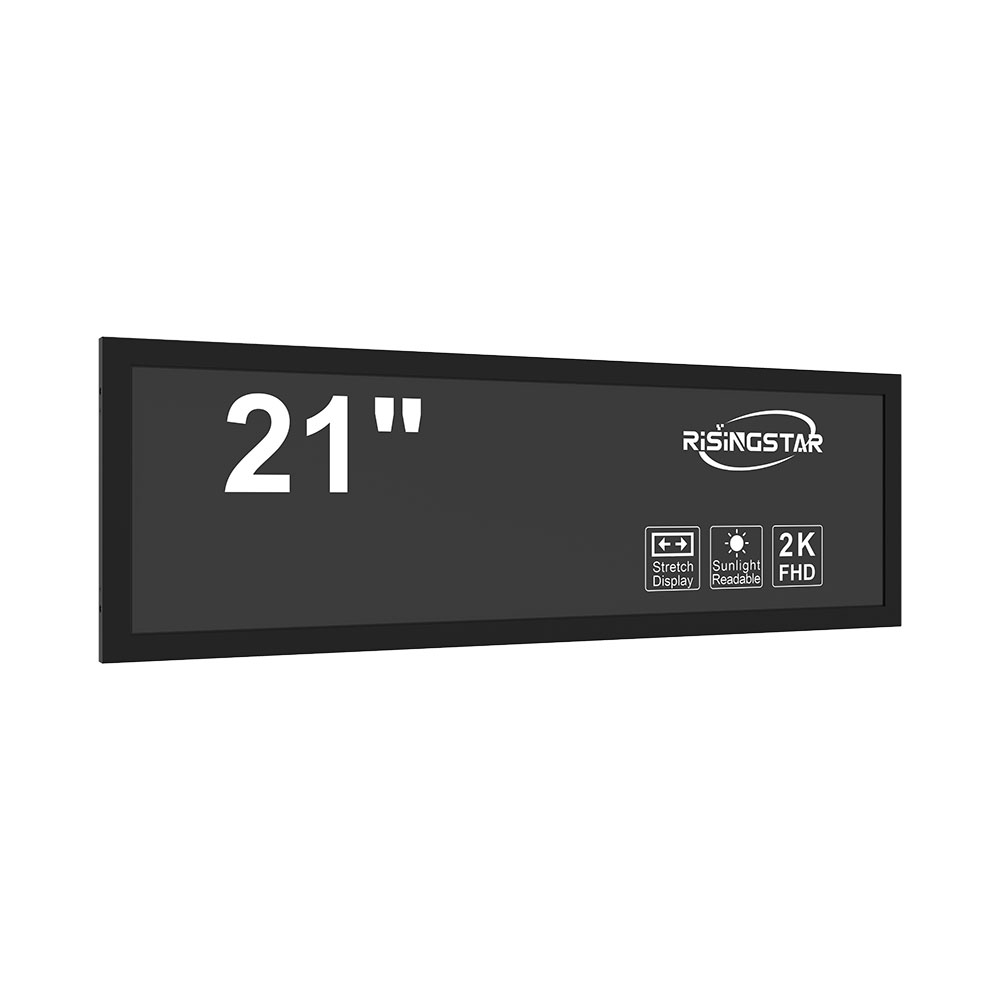
In the rail industry, high-brightness LCDs are deployed across platforms, ticket gates, and onboard screens to provide real-time updates on train schedules, delays, and safety instructions. Similarly, in retail and real estate, digital signage using these panels offers compelling visual impact in outdoor shopping centers, parking lots, and property showrooms—where traditional displays fail due to glare and low contrast.
According to market research by MarketsandMarkets, the global demand for sunlight-readable displays grew at a CAGR of 9.2% from 2021 to 2026, driven by the expansion of smart cities, electric mobility infrastructure, and IoT-enabled public services. Key manufacturers such as Sharp, LG Display, and E Ink Holdings have introduced ruggedized, wide-temperature-range models (from -30°C to +70°C) suitable for extreme climates—from arctic railways to desert gas stations.
Additionally, compliance with international standards such as IEC 60068 (environmental testing) and MIL-STD-810G (military-grade durability) ensures reliability in industrial settings. For instance, a deployment by Siemens Mobility in Berlin’s U-Bahn system used high-brightness LCDs in all station platforms, resulting in a 40% reduction in passenger inquiries due to improved visibility.
In conclusion, high-brightness sunlight-readable LCDs are no longer optional—they are a necessity for any application requiring clear, reliable visual communication outdoors. Whether it's guiding commuters through complex transit hubs or enabling seamless EV charging experiences, these displays form the backbone of modern smart infrastructure.