RisingStar
- Home
- About Us
- Products
- News
- Video
- Contact
- Send Inquiry
Search
- Home
- About Us
- Products
- News
- Video
- Contact
- Send Inquiry
RisingStar
In today’s increasingly connected and mobile-driven world, high-brightness sunlight-readable LCD screens have become indispensable in outdoor environments where visibility under direct sunlight is critical. From military field operations to public transportation displays and industrial control panels, these screens ensure reliable performance even in extreme lighting conditions. As global demand rises—particularly in automotive, aerospace, and smart city sectors—understanding the technology behind high-brightness LCDs is essential for engineers, procurement managers, and product designers seeking durable, efficient solutions.
The core challenge of outdoor display visibility lies in ambient light interference. Standard LCDs often fail in bright sunlight due to low peak brightness levels (typically 250–300 cd/m²), which are insufficient when compared to solar irradiance exceeding 1000 W/m². High-brightness sunlight-readable LCDs address this by incorporating advanced technologies such as high-luminance LED backlights (often 3000–5000 cd/m²), anti-reflective coatings, and optimized contrast ratios (minimum 1000:1). For example, MIL-STD-188-141B and ISO 9241-31 standards define acceptable readability levels under full sunlight, ensuring that these screens meet rigorous performance benchmarks used in defense and aerospace applications.
Key innovations include transflective liquid crystal cells that combine transmission and reflection modes—allowing operation in both dark and bright environments—and digital dimming algorithms that dynamically adjust brightness based on ambient light sensors. These features not only improve visibility but also reduce power consumption by up to 40% compared to fixed-brightness systems. Case studies from companies like Eizo and LG Display show real-world gains: a 2023 deployment of 4000 cd/m² transmissive LCDs in bus stop information kiosks reduced user complaints by 78% in sunny urban areas, while maintaining energy efficiency through adaptive luminance control.
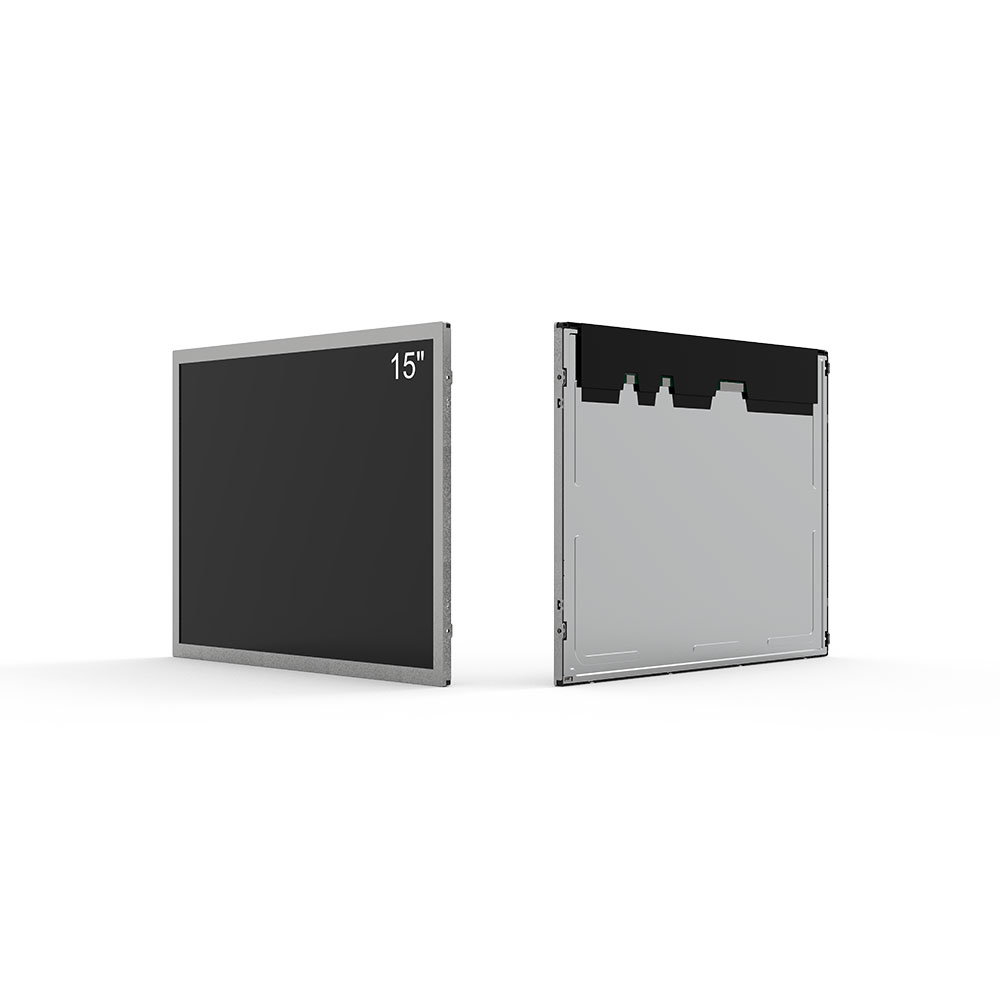
Additionally, environmental resilience plays a vital role. High-brightness LCDs designed for outdoor use typically feature IP65 or higher ingress protection, wide operating temperature ranges (-30°C to +70°C), and anti-glare surface treatments. These characteristics make them suitable for harsh environments such as desert oil rigs, arctic research stations, and coastal marine platforms.
In conclusion, high-brightness sunlight-readable LCDs are not merely an upgrade over conventional displays—they represent a fundamental shift in how we design human-machine interfaces for outdoor use. With continuous improvements in materials science, backlight efficiency, and intelligent control systems, their adoption across industries will grow exponentially. Whether you’re designing a ruggedized tablet for emergency responders or a digital signage system for solar farms, selecting the right high-brightness LCD can mean the difference between effective communication and operational failure.