RisingStar
- Home
- About Us
- Products
- News
- Video
- Contact
- Send Inquiry
Search
- Home
- About Us
- Products
- News
- Video
- Contact
- Send Inquiry
RisingStar
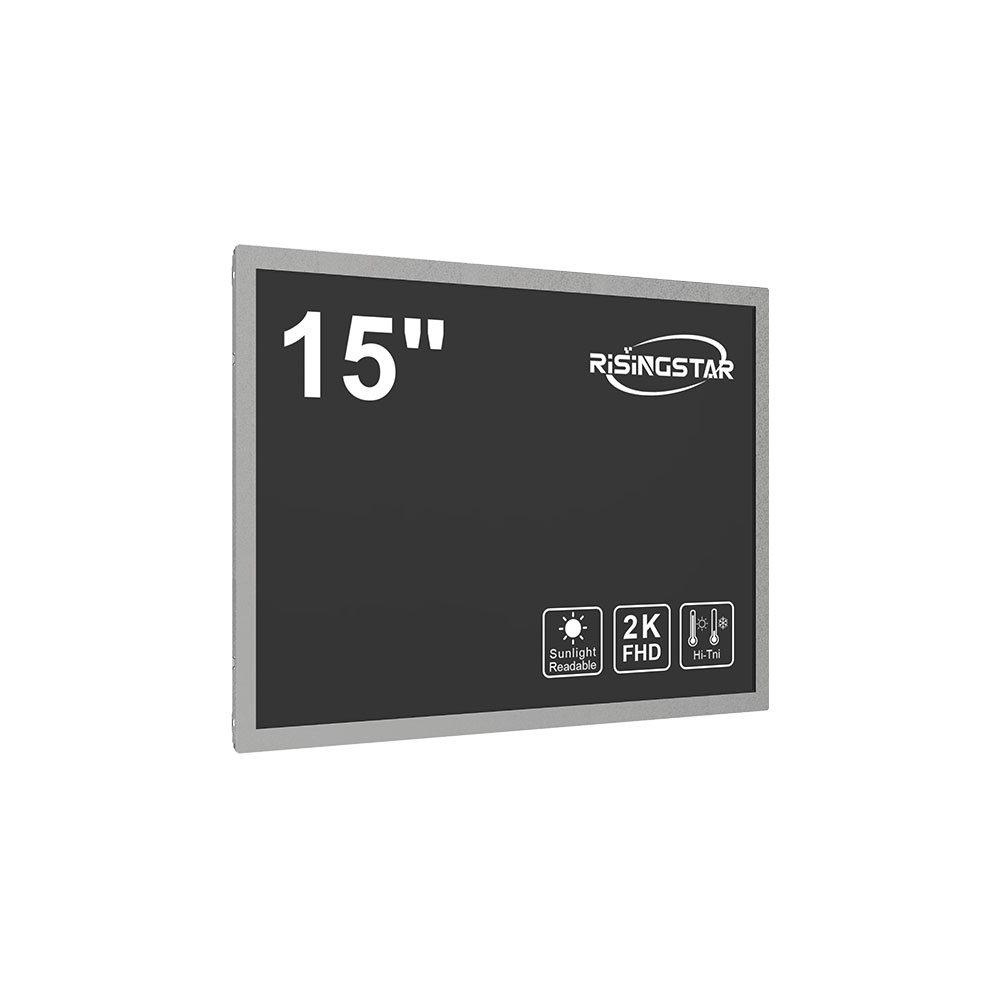
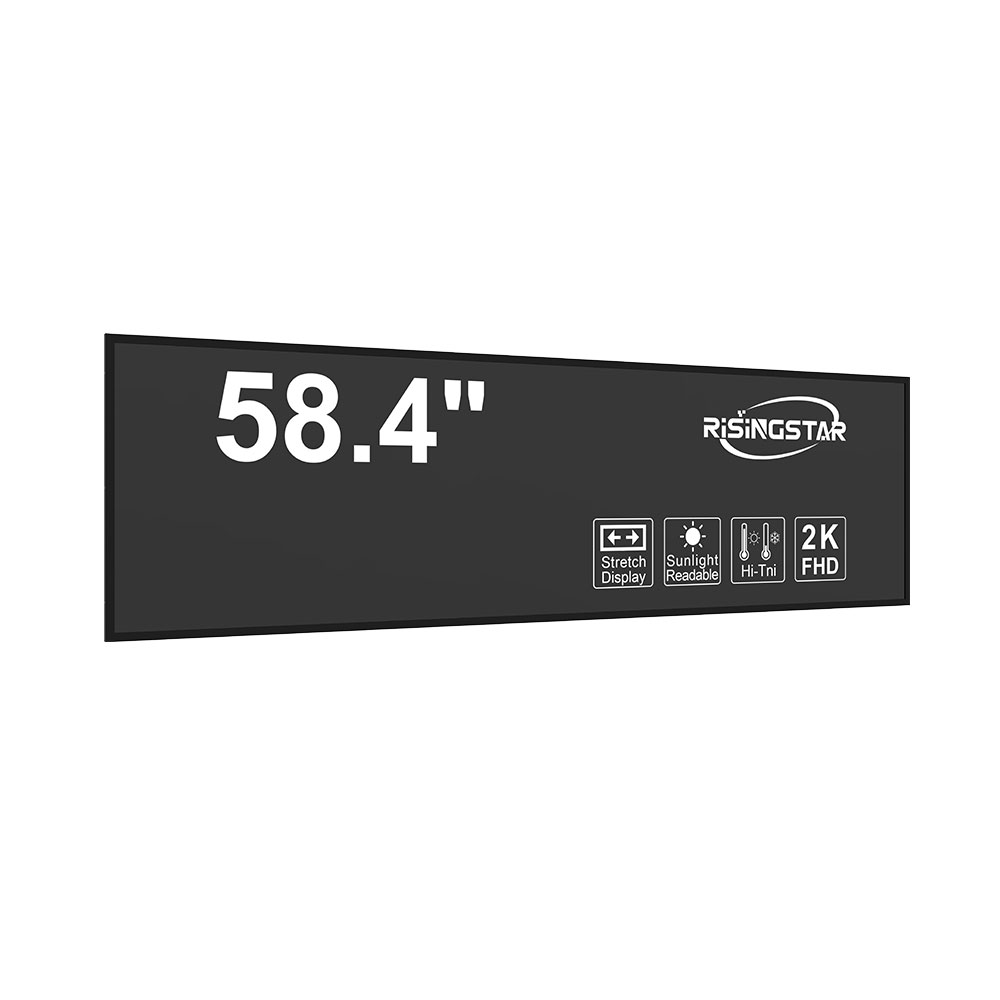
Sunlight readable LCD displays are a critical component in modern outdoor and industrial environments where visibility under bright lighting conditions is essential. Unlike standard LCD screens, these specialized displays incorporate advanced technologies such as high-brightness backlighting, anti-reflective coatings, and optimized contrast ratios to ensure legibility even under direct sunlight—typically achieving brightness levels of 3,000 to 10,000 nits or more. These capabilities make them indispensable in applications ranging from military field equipment and vehicle dashboards to vending machines, digital signage, and agricultural monitoring systems.
One of the core technologies behind sunlight readable LCDs is the use of high-luminance LED backlights. While consumer-grade displays typically operate at 250–500 nits, industrial-grade models often exceed 5,000 nits, ensuring clarity in intense ambient light. For example, the U.S. Department of Defense requires display brightness levels of up to 8,000 nits for mission-critical tactical gear used in desert or arctic operations. Similarly, manufacturers like LG Display and Sharp have developed proprietary wide-viewing-angle panels that maintain color accuracy and uniformity across multiple angles—a necessity for multi-user outdoor kiosks or control rooms.
Another key innovation is the integration of anti-glare and polarization filters. These optical layers reduce surface reflections and improve contrast ratio, allowing users to read information without squinting or adjusting the device. Some models also feature automatic brightness adjustment (ABA), which dynamically adjusts screen luminance based on ambient light sensors—an energy-efficient and user-friendly feature widely adopted in smart city infrastructure projects such as those in Singapore and Barcelona.
The demand for sunlight readable LCDs has surged due to the global expansion of IoT devices, electric vehicles (EVs), and public safety technology. In EVs, for instance, infotainment systems must remain visible in all weather conditions—from early morning fog to midday sun. According to a 2023 report by MarketsandMarkets, the global market for high-brightness displays is projected to reach $12.4 billion by 2028, growing at a CAGR of 7.6%, driven largely by automotive and industrial automation sectors.
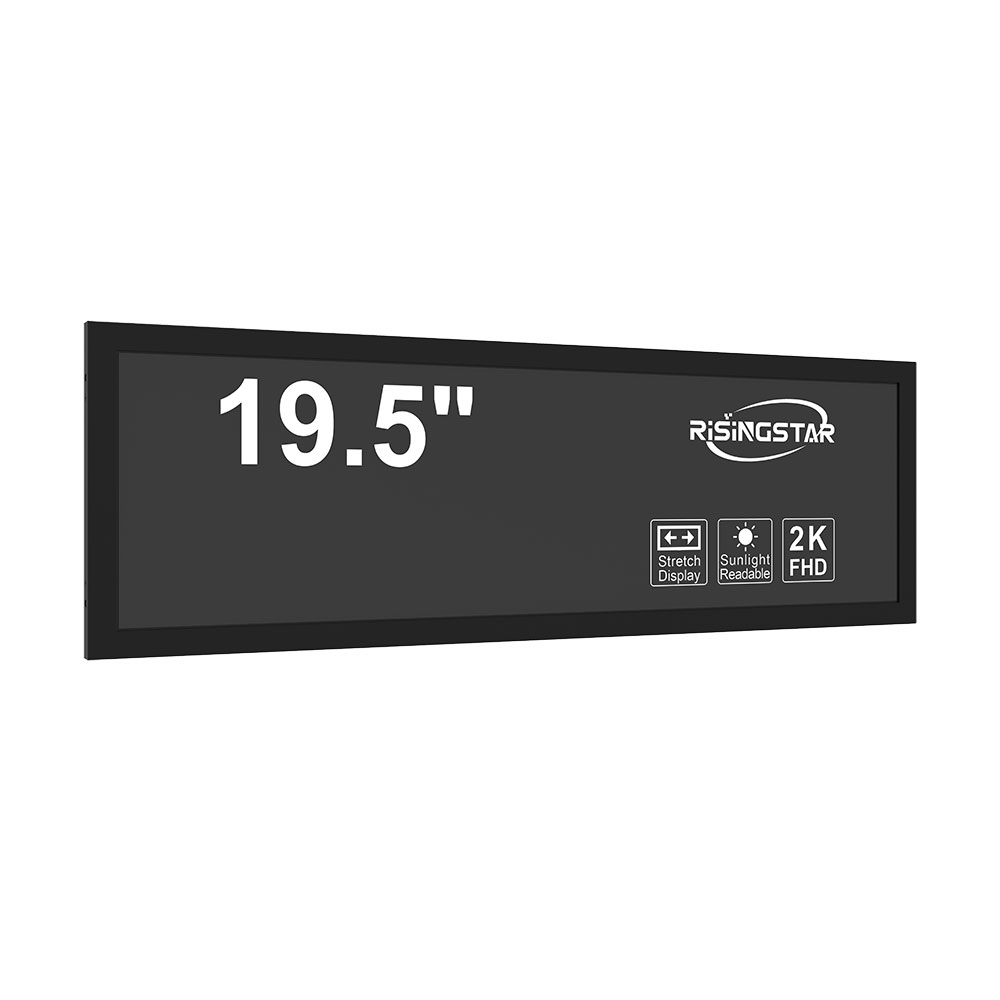
Manufacturers now offer ruggedized versions with IP65/IP67 ratings, dust resistance, and temperature tolerance from -30°C to +70°C—ideal for deployment in harsh environments like oil rigs, construction sites, and outdoor retail spaces. Case studies from companies like Panasonic and Samsung show successful implementation in airport baggage handling systems and solar farm monitoring platforms, where reliability and continuous operation are non-negotiable.
In conclusion, sunlight readable LCD displays represent a convergence of optics, materials science, and embedded intelligence. Their ability to deliver clear, consistent visuals in challenging lighting conditions makes them a cornerstone of modern design in both commercial and defense sectors. As technology advances, expect further innovations in power efficiency, touch sensitivity, and adaptive display algorithms—ensuring these screens remain vital tools for human-machine interaction in any environment.