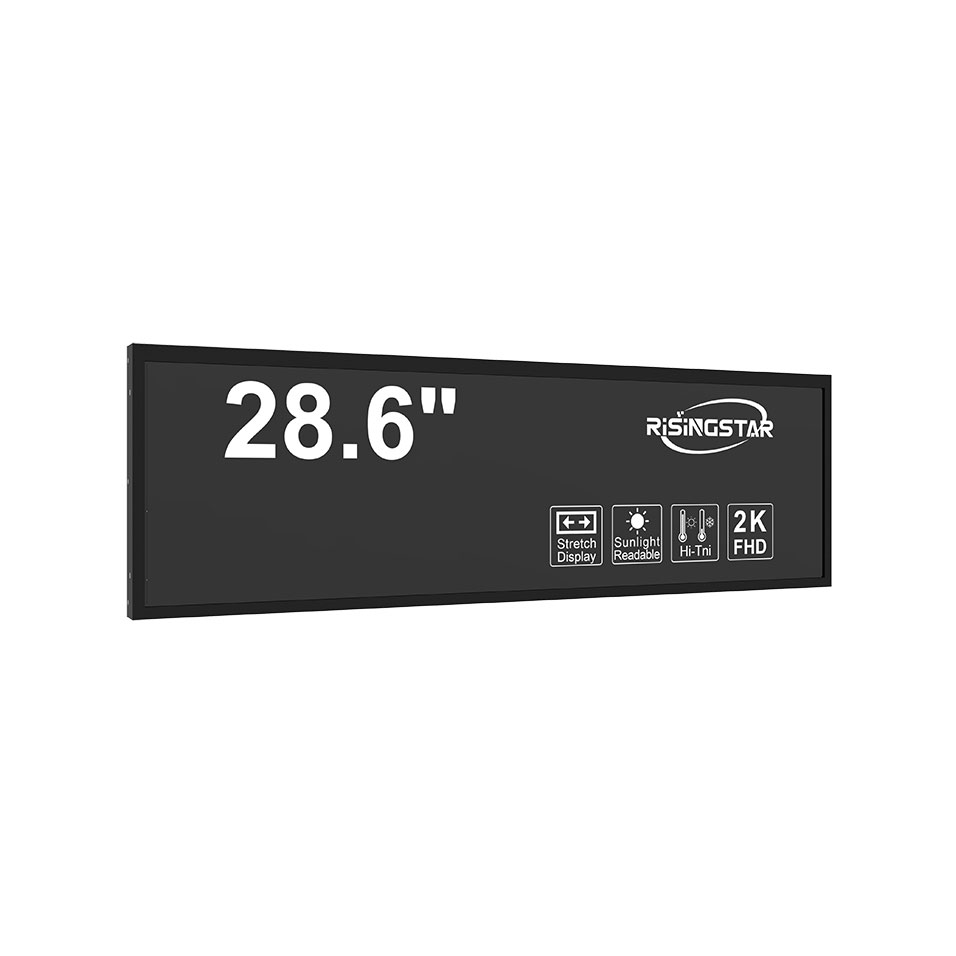
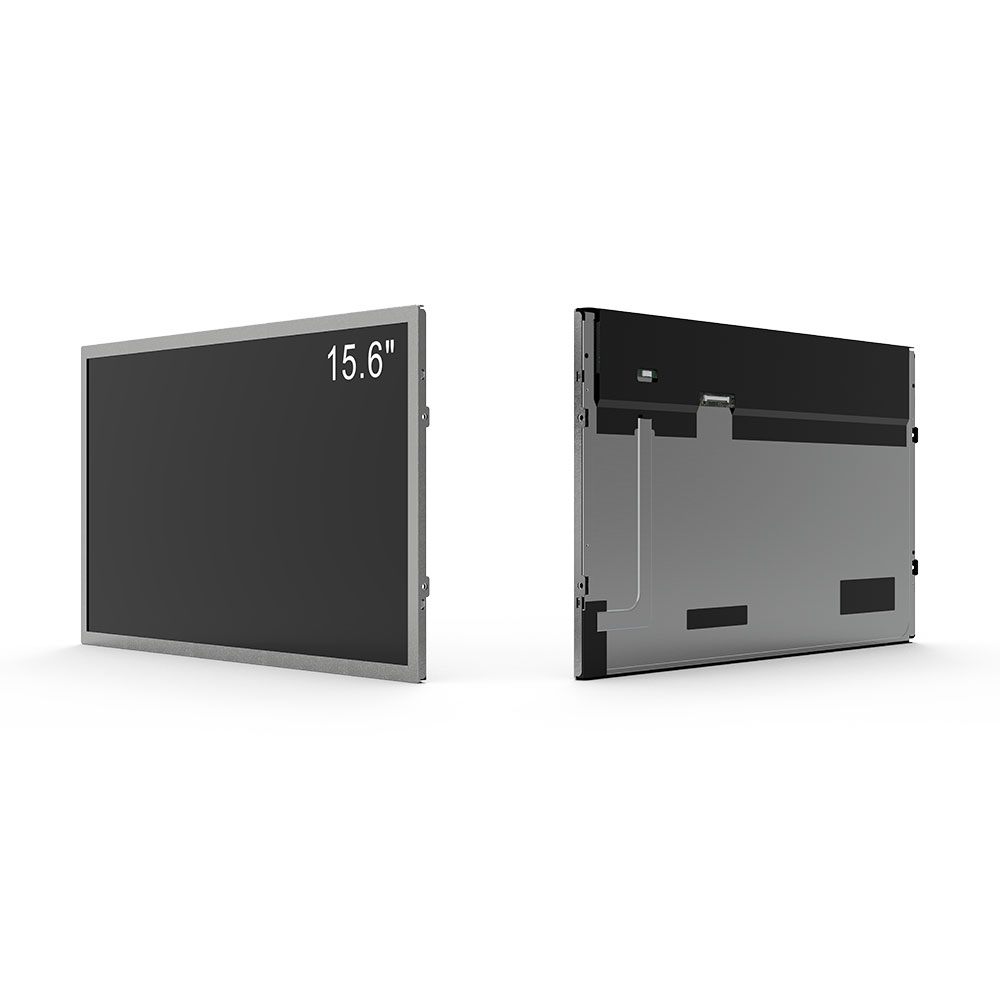
The demand for high-brightness sunlight-readable LCD screens has surged in recent years, fueled by the increase in Digitale Beschilderung im Freien, mobile devices, and various industrial applications. These screens are specifically designed to overcome the challenges posed by direct sunlight, ensuring visibility and clarity under bright conditions. This article delves into the technology behind high-brightness LCD screens, their applications, and considerations for manufacturers and end-users.
High-brightness LCD screens boast an enhanced luminous intensity, often exceeding 1,000 nits, which significantly improves readability when exposed to sunlight. Traditional LCDs typically operate within a brightness range of 200 to 300 nits, making them inadequate for outdoor use. To achieve higher brightness levels, manufacturers employ several techniques. One common approach involves the use of high-performance LED backlighting. By increasing the number of LEDs and optimizing their arrangement, manufacturers can deliver a higher brightness output while ensuring energy efficiency.
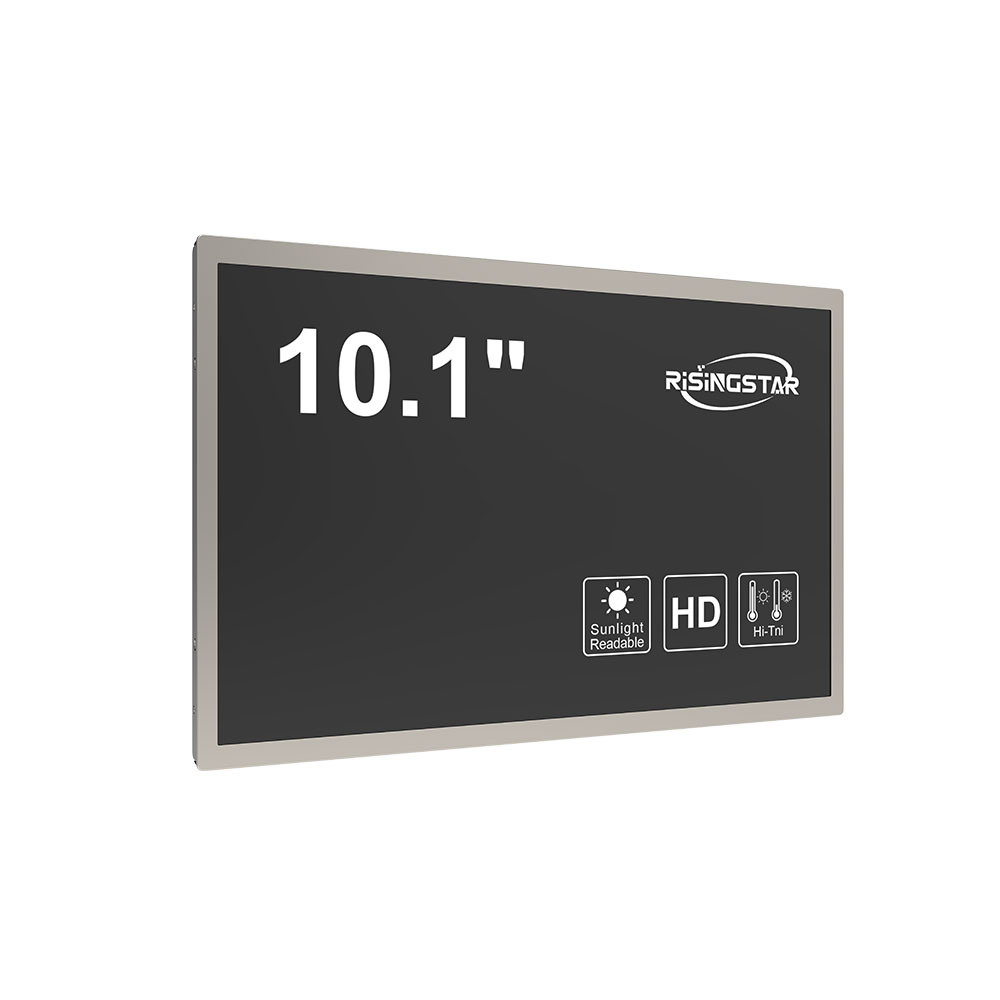
Moreover, anti-reflective (AR) coatings play a pivotal role in enhancing screen visibility. These coatings minimize reflections from ambient light, ensuring that the screen's content is easily viewable. High-transmittance materials and optical bonding technology are also integral in the design of high-brightness screens. Optical bonding reduces the air gap between the LCD layers and the protective glass, enhancing light transmission and improving durability against environmental elements.
The applications of high-brightness sunlight-readable LCD screens span various sectors. In advertising, they are used for digital billboards and kiosks, showcasing vibrant visuals even in direct sunlight, thereby attracting potential customers. In transportation, high-brightness displays can be found in train stations, airports, and on public transport, providing real-time information to passengers. Additionally, outdoor sporting events leverage these displays for scorekeeping and entertainment, ensuring spectators can engage with content from any angle.
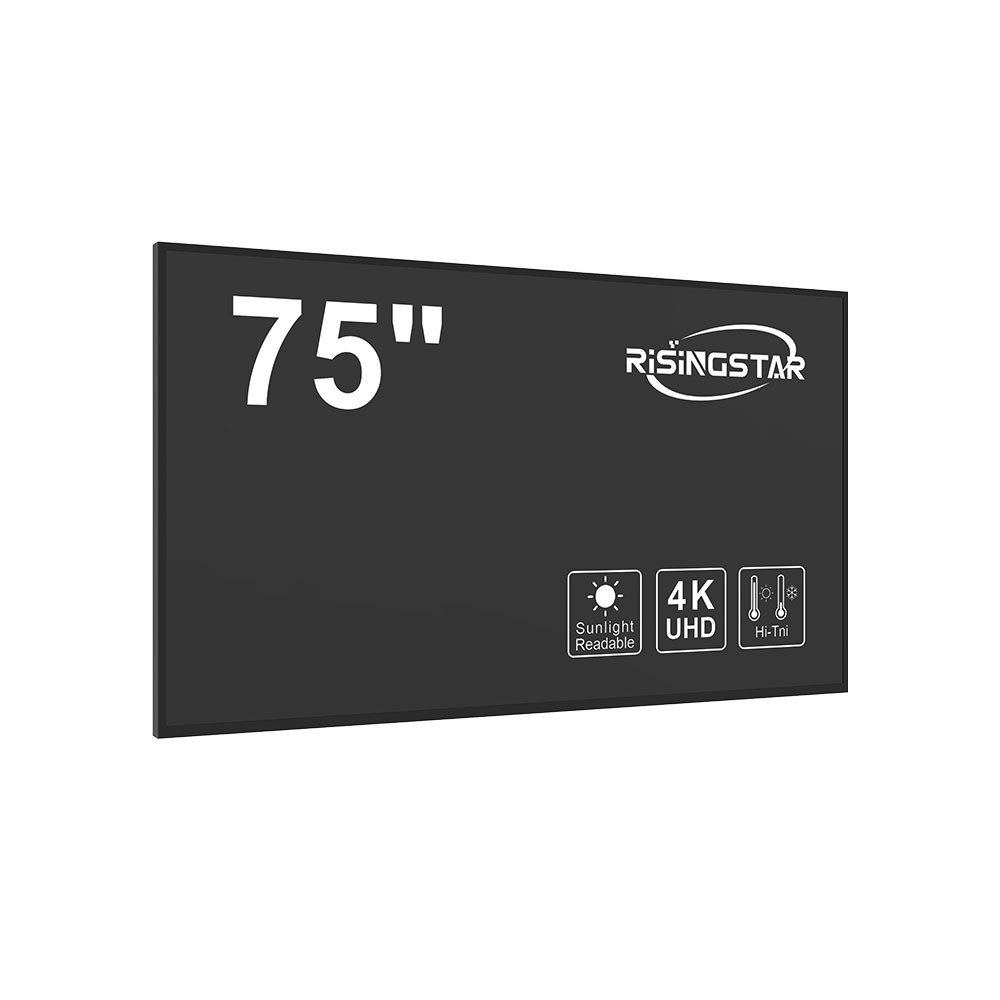
Another emerging area of application is in the industrial sector, particularly in equipment displays utilized in construction, agriculture, and renewable energy sectors. In these contexts, the reliability and visibility of information can enhance operational efficiency and safety. A case in point is agricultural monitoring systems, where operators need to monitor data from machinery outdoors in varying light conditions. Here, a high-brightness LCD screen can ensure that vital data is always visible, contributing to improved decision-making and productivity.
However, with the rising demand and numerous applications, several considerations come into play for manufacturers and end-users. Heat dissipation is a critical factor; screens operating at high brightness levels tend to generate more heat, which can impact performance and longevity. Incorporating robust cooling solutions, such as passive or active heatsinks, becomes essential to mitigate this issue. Additionally, environmental factors such as UV exposure and humidity must be considered in the display design, especially for outdoor applications.
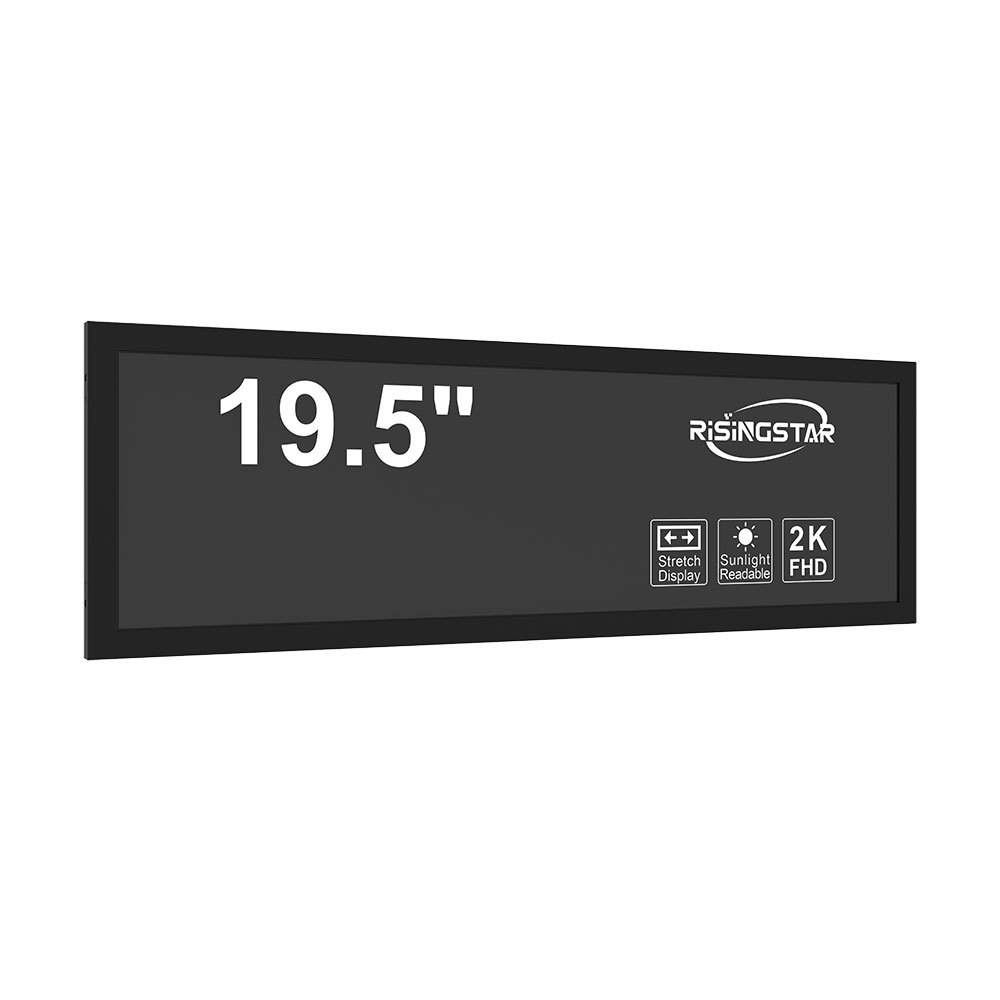
The advancements in technologies such as OLED and Mini LED also pose both opportunities and challenges for the LCD industry. While OLED offers enhanced contrast ratios and color accuracy at lower power levels compared to traditional LCDs, high-brightness LCD screens maintain their position in applications where direct sunlight readability is paramount. The ongoing advancements in manufacturing technologies and materials are critical for maintaining competitiveness in the LCD market.
Looking ahead, the future of high-brightness sunlight-readable LCD screens is promising. With the continued integration of smart technologies and IoT functionalities, displays will potentially incorporate advanced features, such as adaptive brightness adjustment based on ambient light conditions. This could lead to energy savings and prolonged screen life.
In conclusion, high-brightness sunlight-readable LCD screens stand at the intersection of technology and application, driving efficiencies across various industries. By leveraging advanced manufacturing techniques and responding to the evolving market demands, manufacturers can ensure that these displays not only meet current needs but are also prepared for future challenges.
 RisingStar