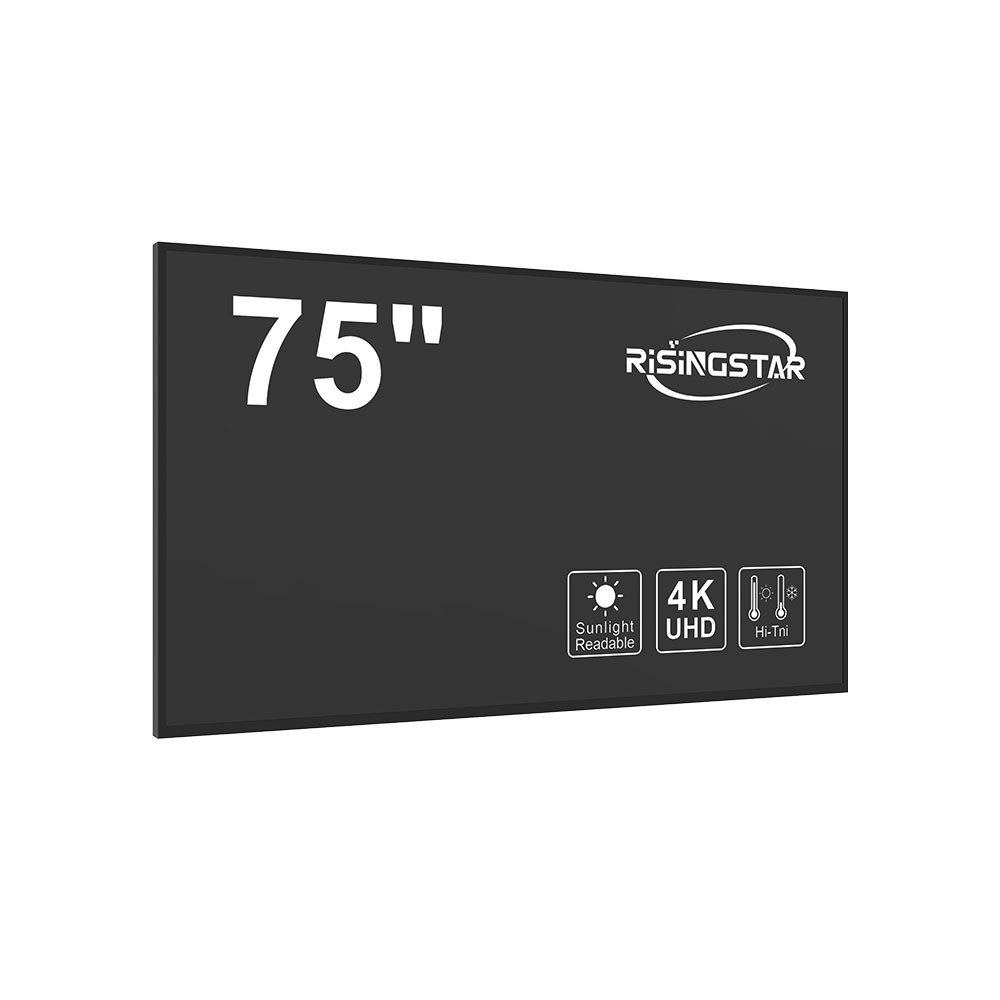
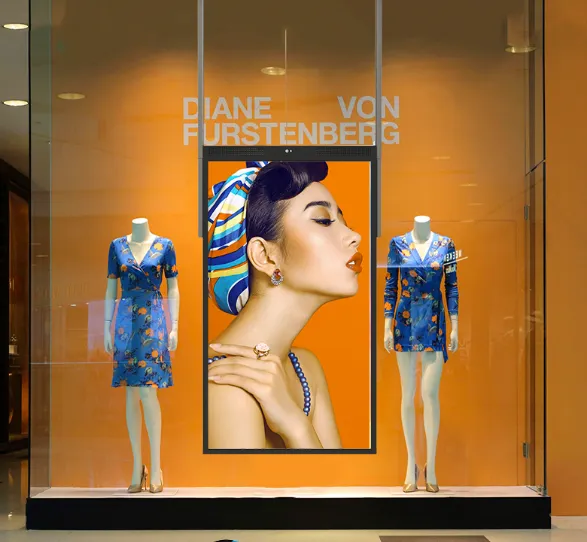
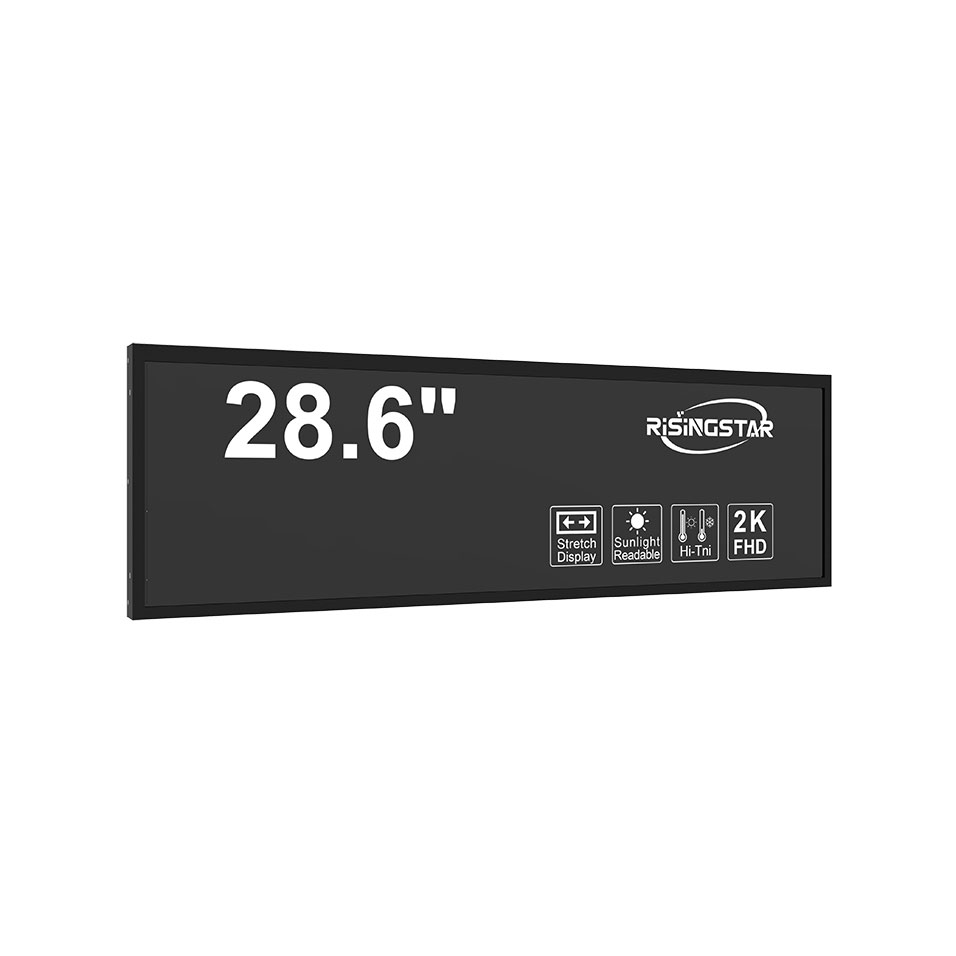
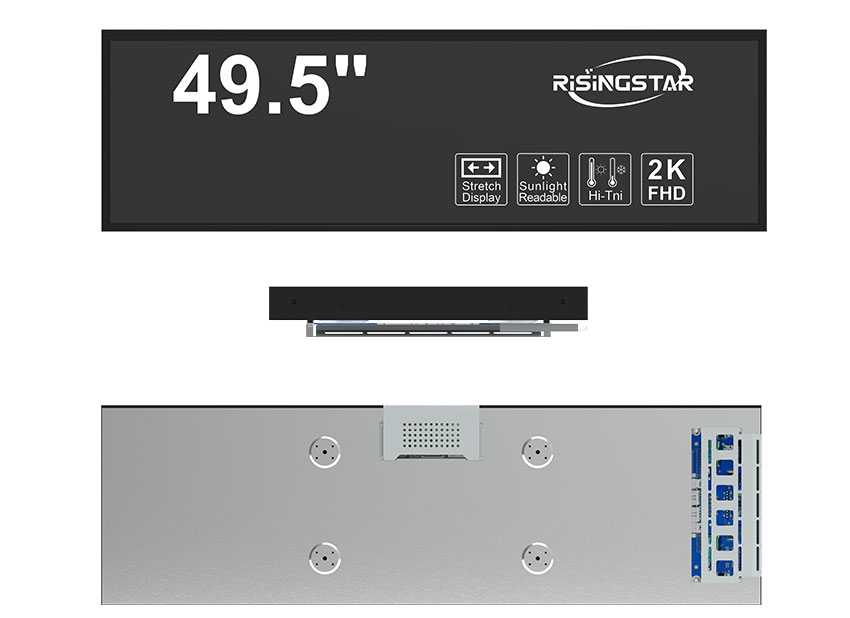
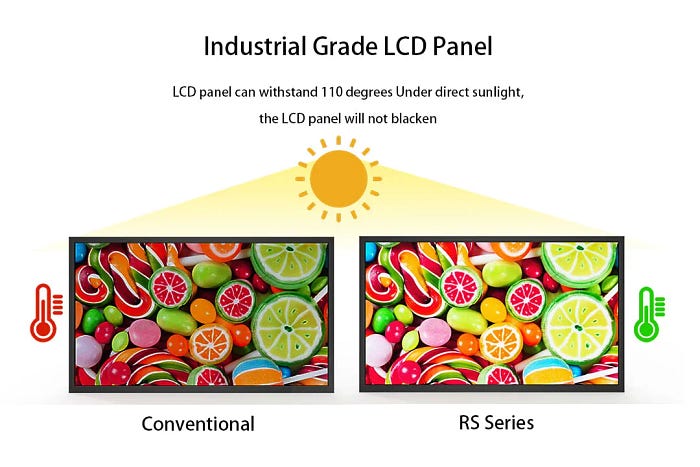
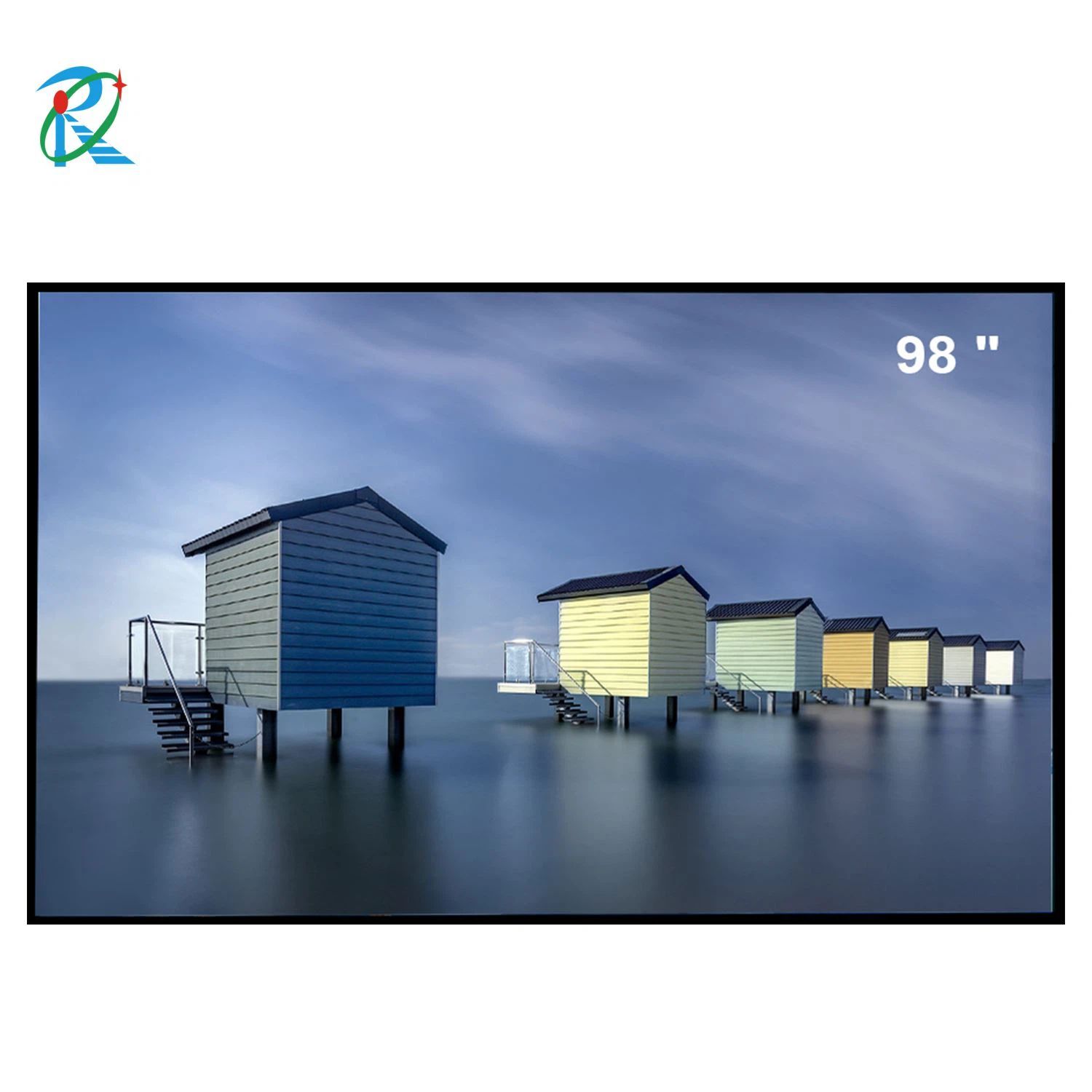
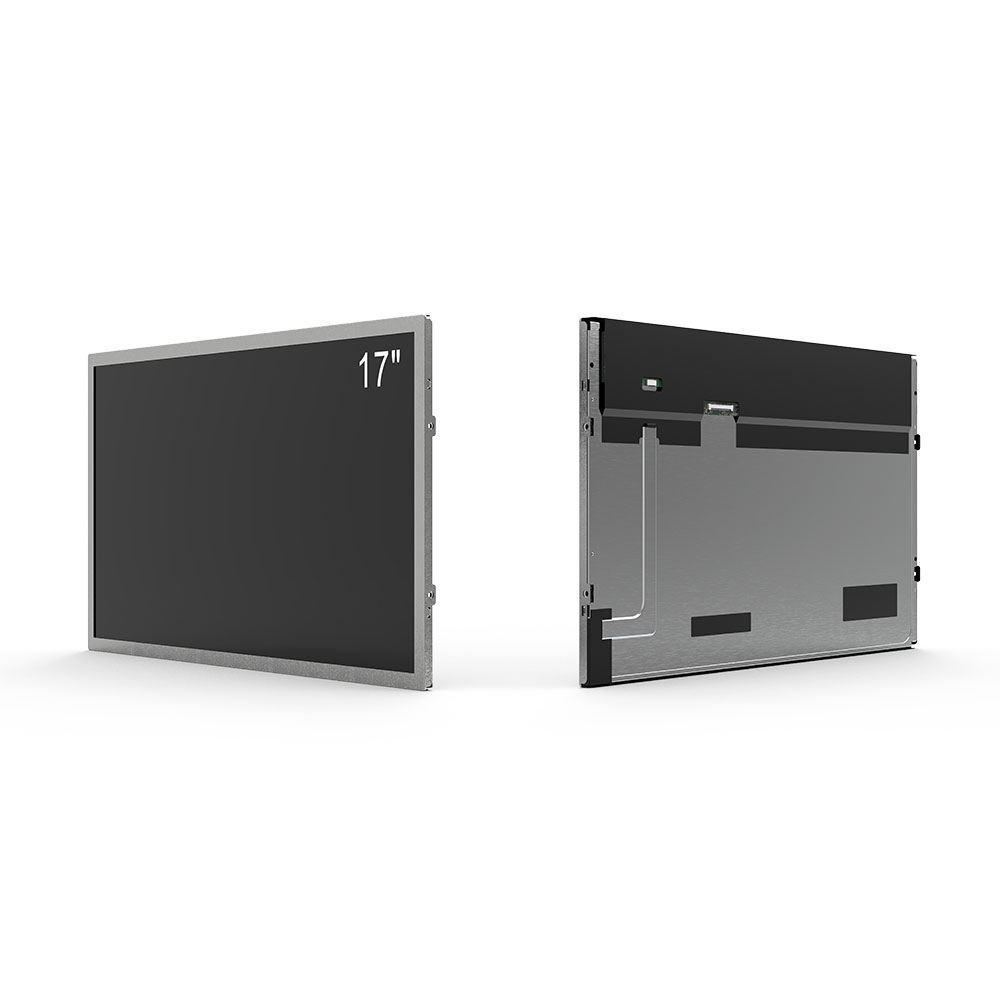
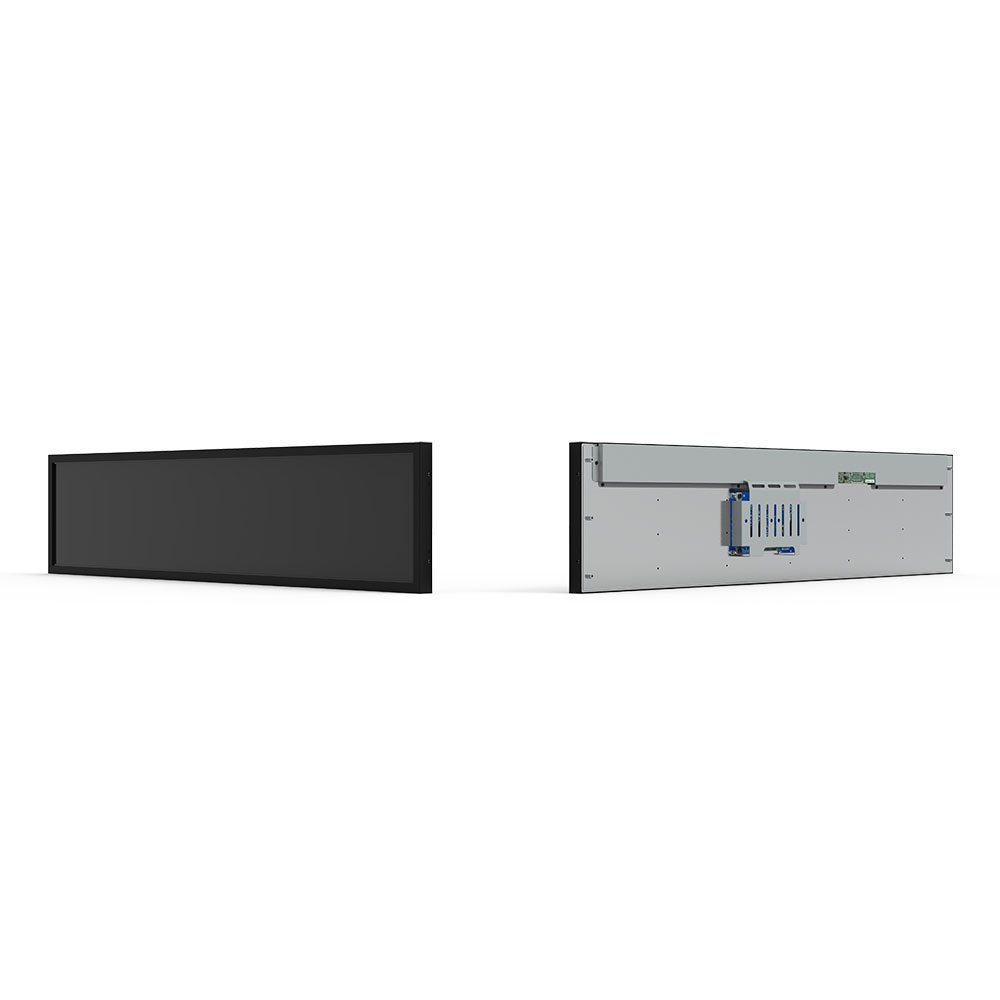
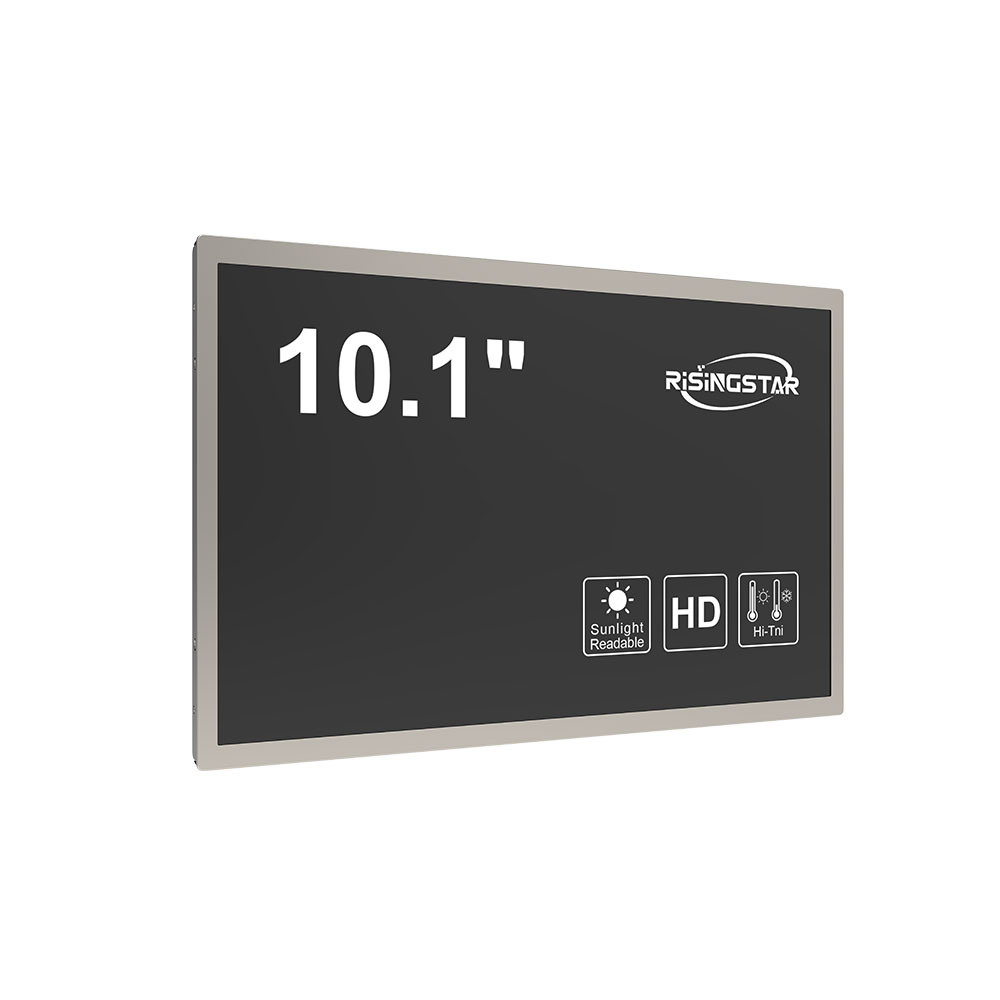
High-brightness sunlight-readable LCD screens have become an essential component for various outdoor equipment, such as kiosks, transportation displays, and industrial machinery. These screens not only provide optimal visibility in bright lighting conditions but also enhance the user experience and operational efficiency across diverse applications. The increasing demand for reliable outdoor equipment has ushered in a new era for electronic display technologies, which is characterized by advanced design methodologies and innovative engineering solutions.
The key technology behind high-brightness LCD screens includes the use of enhanced backlighting and specialized optical films. Typically, these LCDs achieve brightness levels ranging from 1,000 to over 2,500 nits, ensuring that information displayed on the screens remains legible under direct sunlight. The luminescence enhancement is primarily achieved through the integration of high-performance LED backlighting systems that are capable of producing intense levels of brightness while maintaining energy efficiency.
In the manufacturing process, rigorous testing is essential to ensure that these screens meet the necessary performance standards. Industry-standard testing protocols include the MIL-STD-810G military standard for environmental engineering considerations. This standard helps ensure that the screens can withstand extreme temperatures, humidity levels, and other challenging outdoor conditions, thereby extending the lifespan of the display units.
One significant advantage of high-brightness sunlight-readable LCDs is their adaptability to different operational environments. They are constructed with robust materials that offer a high degree of resistance to water, dust, and mechanical impacts. This makes them particularly suitable for deployment in challenging outdoor settings, from construction sites to airports, where reliability and durability are paramount.
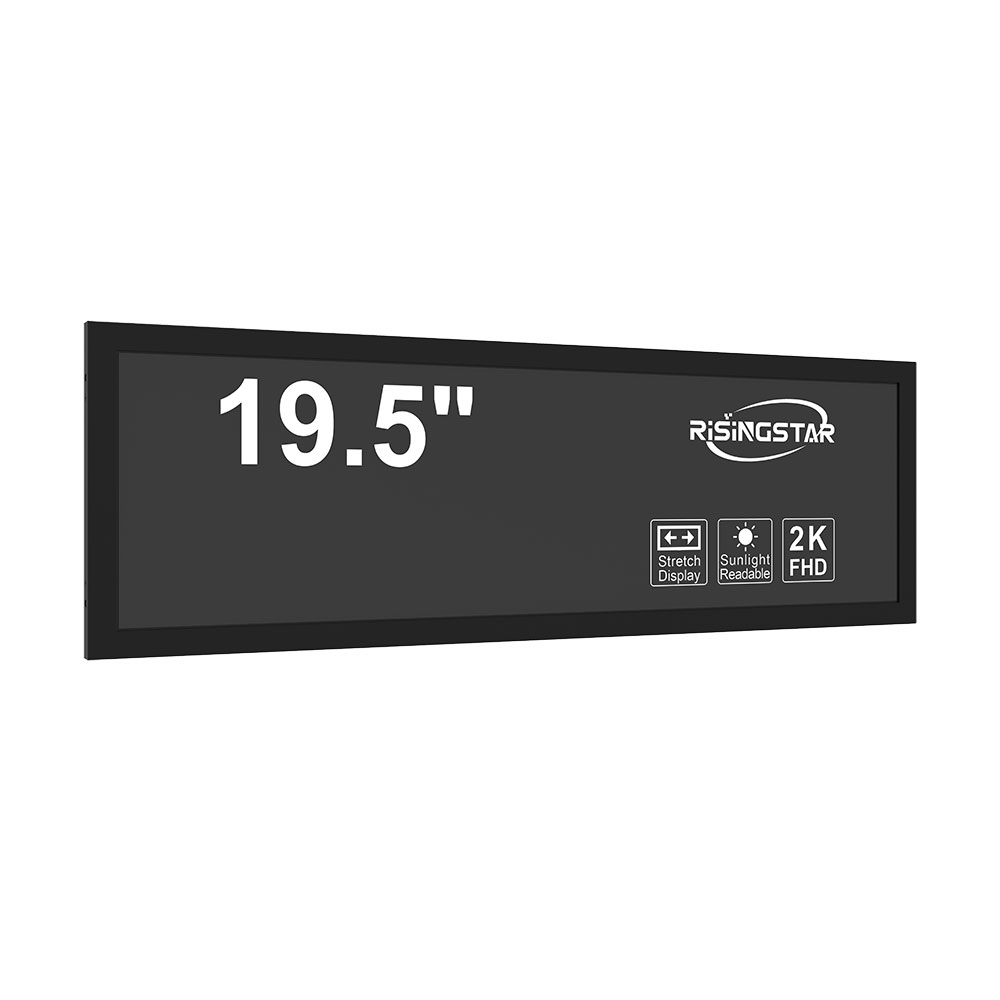
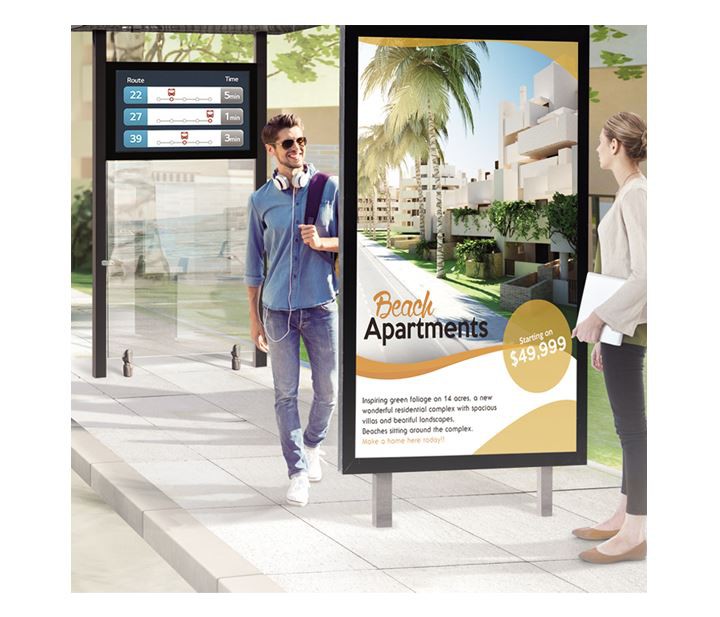
Intensive case studies have revealed that deploying sunlight-readable displays can substantially improve user engagement and satisfaction in outdoor settings. For instance, a transportation authority in a major city installed high-brightness LCD screens at bus stops, significantly increasing passenger awareness of schedules and real-time updates. This led to a reported 30% increase in ridership due to enhanced communication and visibility.
Furthermore, the market for high-brightness sunlight-readable LCD screens is expected to grow steadily. According to market research, the global market for high-brightness displays is projected to reach over USD 10 billion by 2027, driven by the expansion of smart cities, digital signage, and outdoor advertising mediums. As manufacturers and distributors explore new opportunities in this burgeoning market, investing in high-brightness technology will be fundamental to staying competitive.
In developing high-brightness LCD displays, manufacturers must also prioritize energy efficiency and environmental sustainability. The transition to LED backlighting is a step in this direction, as it not only enhances luminance but also reduces power consumption. Additionally, integrating advanced thermal management systems prevents overheating and ensures optimal performance under high-stress conditions.
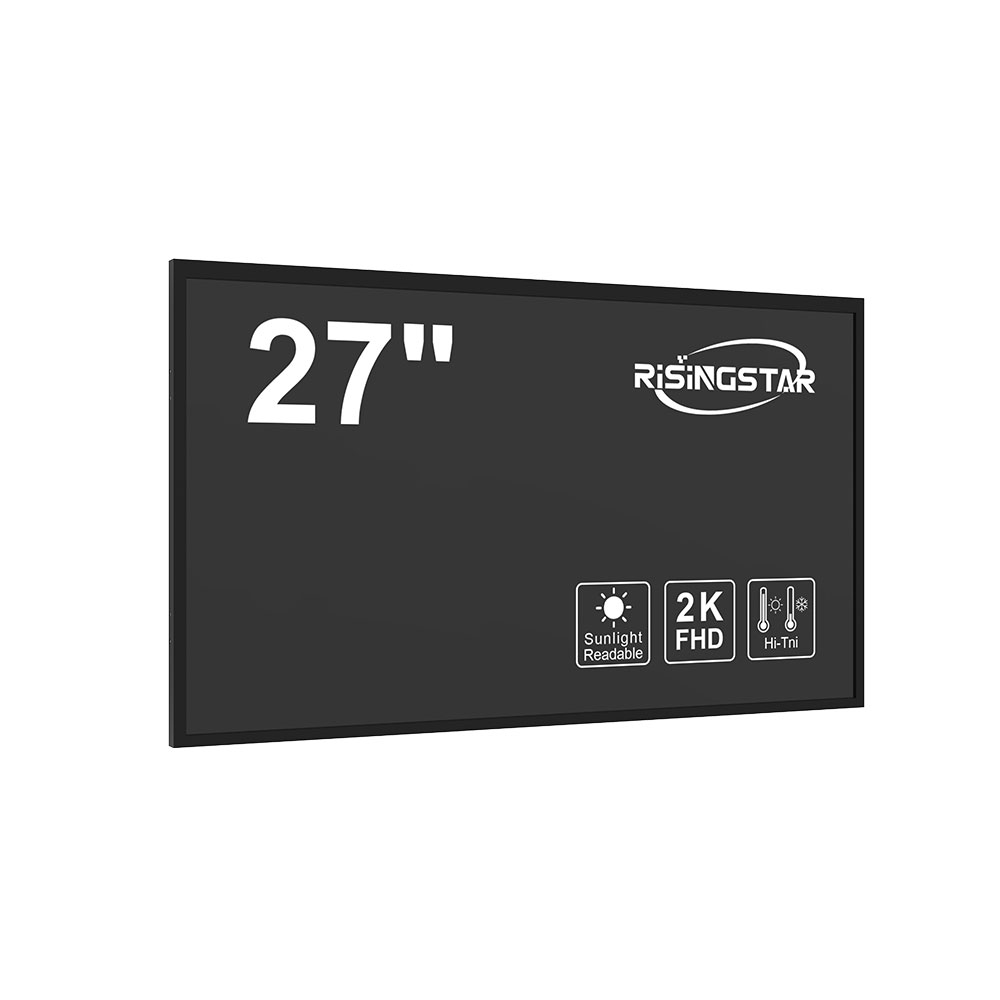
As industries continue to evolve, the demand for high-brightness sunlight-readable LCD screens will only escalate, compelling manufacturers to innovate further. Investing in research and development to explore new materials, technologies, and production methods stands to yield tremendous benefits in performance and sustainability.
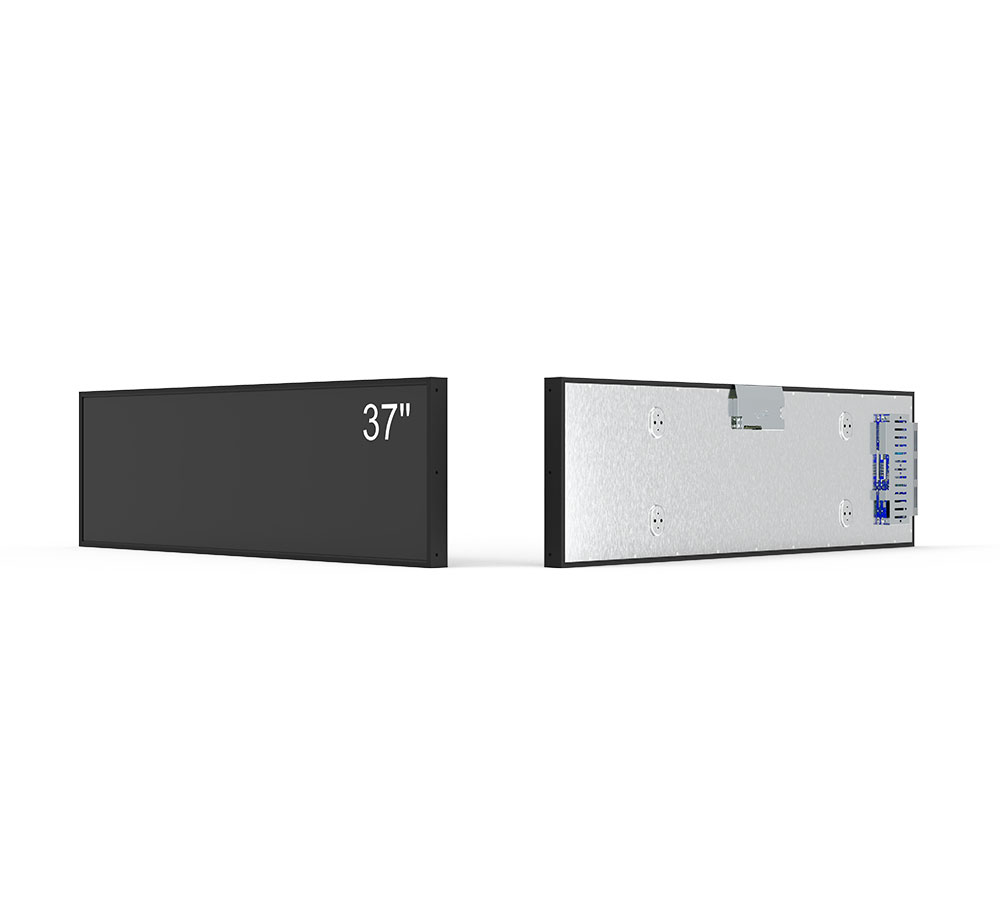
In conclusion, high-brightness sunlight-readable LCD screens are a crucial element in the design and manufacture of outdoor equipment. With their capacity for delivering high performance in various environmental conditions, these displays serve as a competitive advantage for manufacturers and distributors alike. As the market grows and technology advances, staying ahead with cutting-edge high-brightness displays will be vital for success in the global outdoor equipment landscape.
 RisingStar