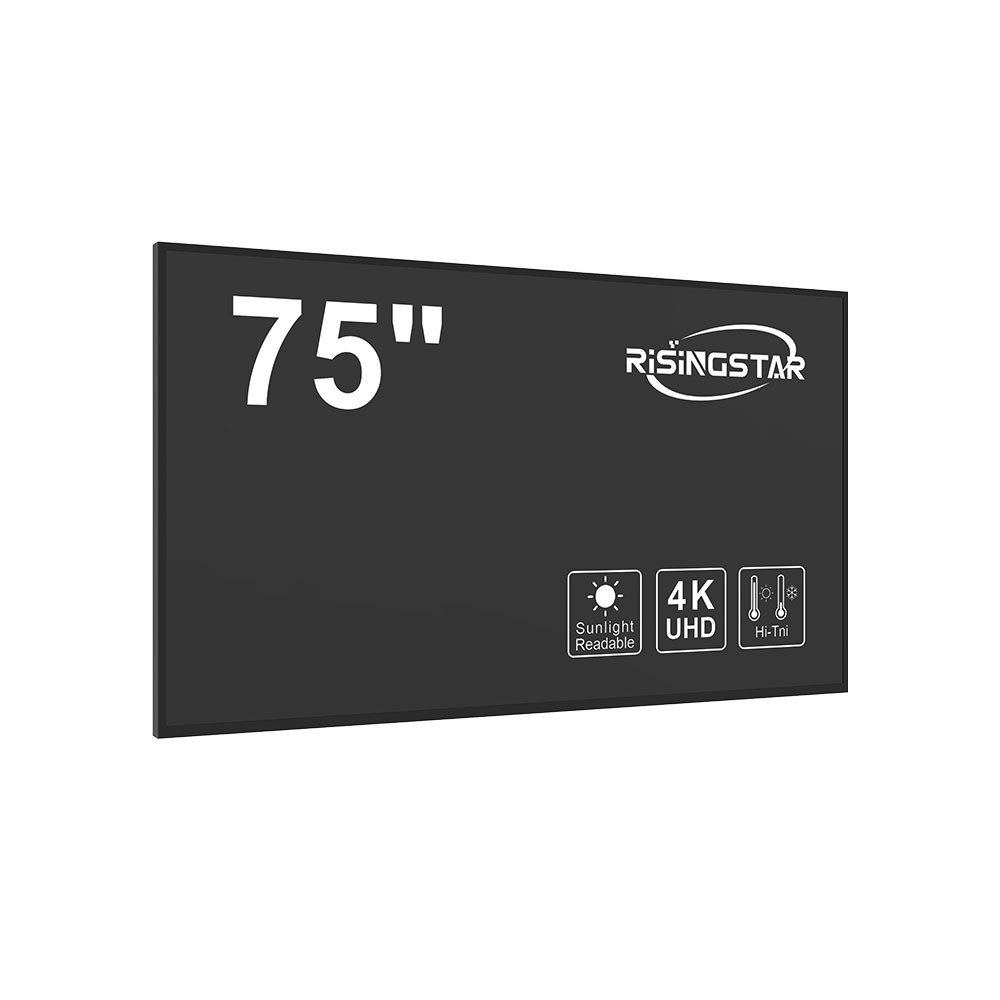
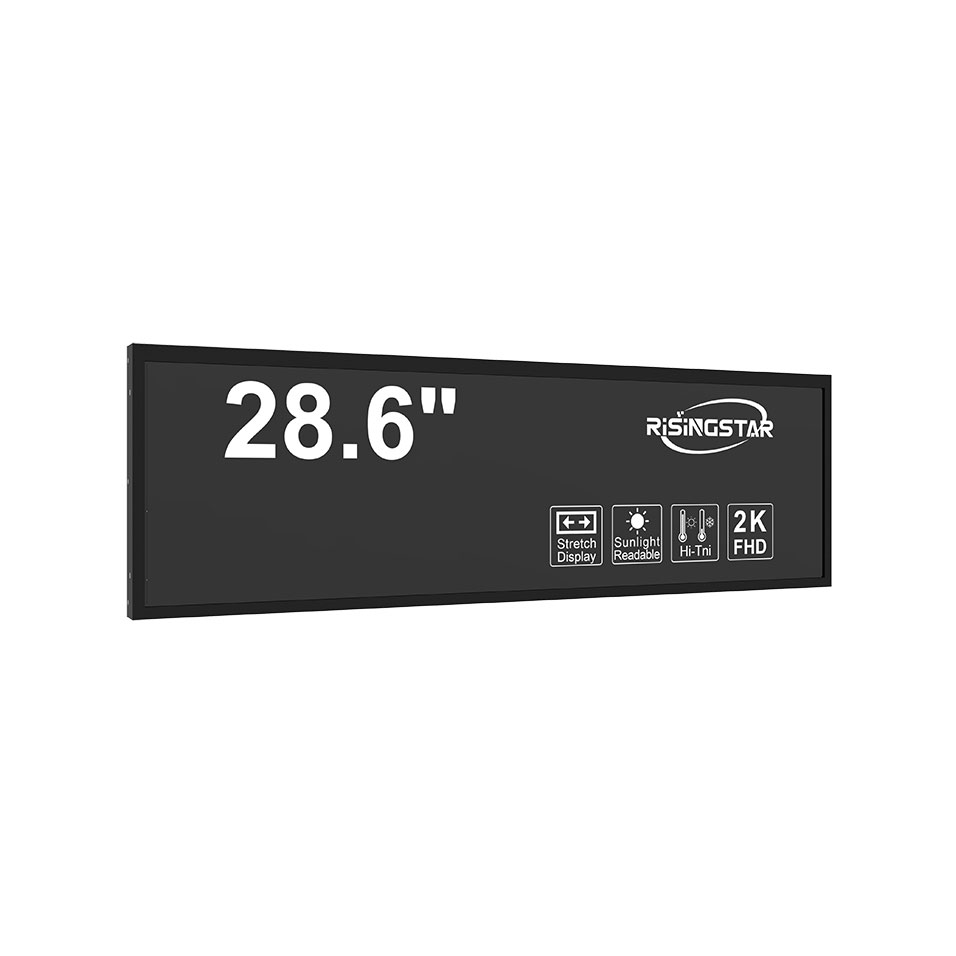
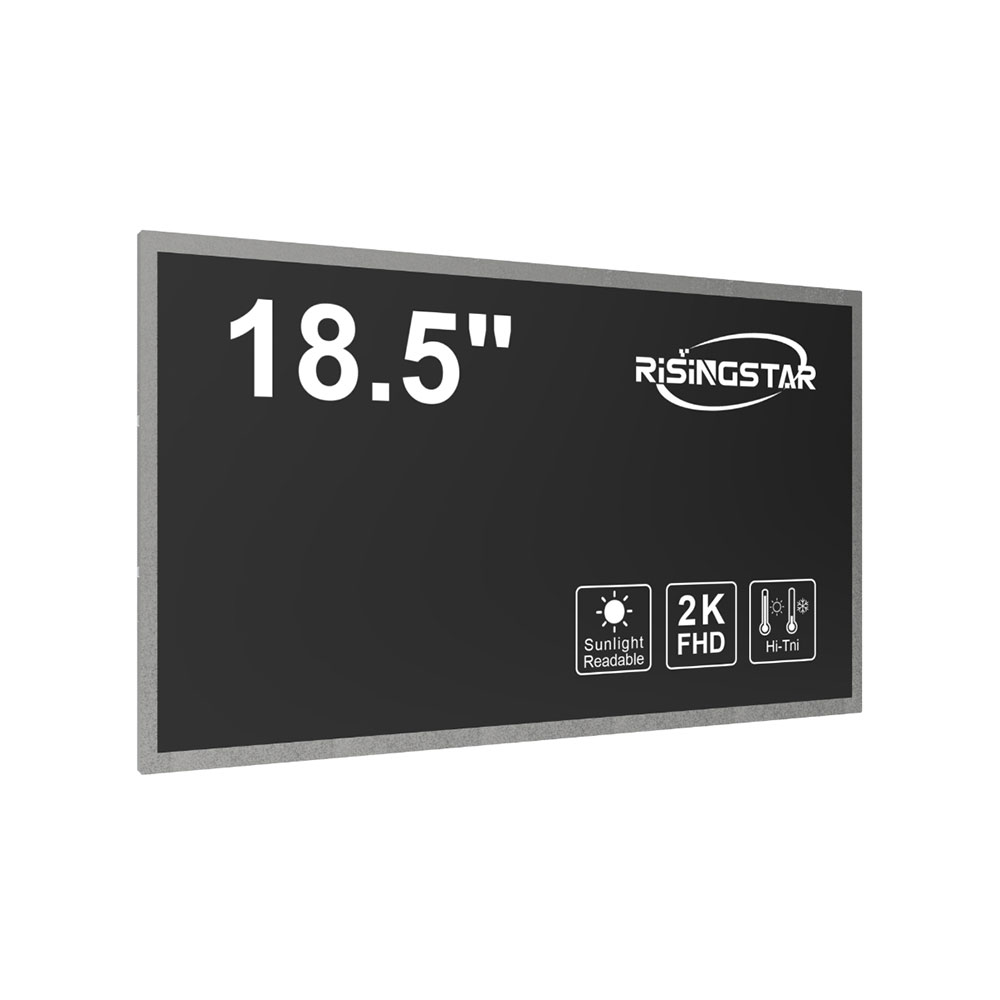
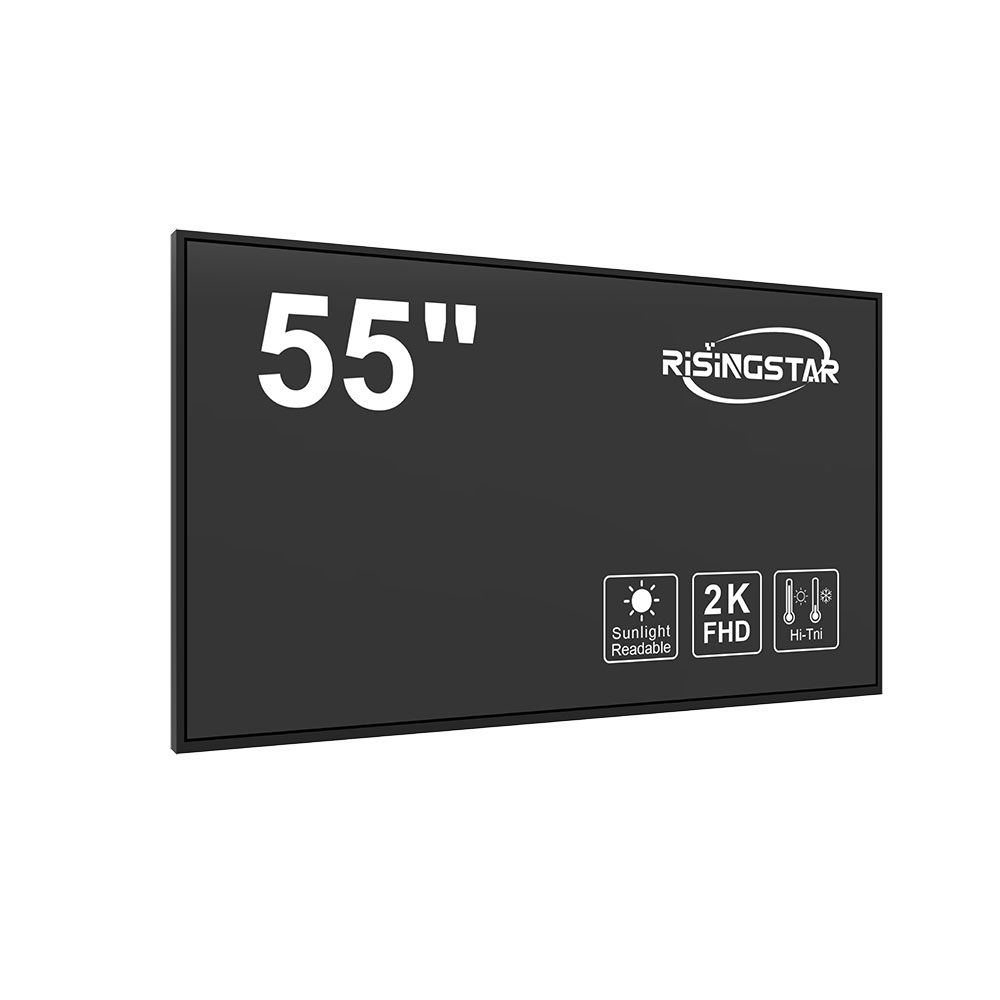
High-brightness sunlight-readable LCD screens are essential in modern outdoor applications where visibility under direct sunlight is critical. These displays, often operating at 5,000 to 10,000 nits of brightness, are engineered to outperform standard LCDs that typically max out at 300–500 nits. This performance is crucial for industries such as military, transportation, construction, and industrial automation, where clear visibility can mean safety, operational efficiency, and system reliability.
One of the core technologies enabling high-brightness readability is the use of advanced backlighting systems. Unlike conventional LED backlights, sunlight-readable LCDs employ high-efficiency LEDs with optimized optical films and diffusers. These components work together to increase luminance while minimizing power consumption—a balance critical for portable or battery-powered devices. For instance, a case study from a defense contractor using these screens in field operations showed that 7,000-nit displays maintained full legibility even under midday sun, reducing pilot error by over 40% compared to older models.
Another vital innovation lies in anti-reflective coatings and polarizer layers. These materials reduce glare by up to 90%, ensuring consistent contrast ratios even when ambient light levels fluctuate dramatically—such as during sunrise or sunset transitions. According to IEEE Transactions on Consumer Electronics (2023), multi-layer anti-reflection coatings using nanostructured surfaces have improved outdoor readability by 65% compared to traditional single-layer solutions.
Moreover, the integration of automatic brightness control (ABC) further enhances energy efficiency and user experience. By leveraging ambient light sensors, these displays dynamically adjust brightness based on environmental conditions. A 2022 report by Display Daily highlighted how ABC-enabled screens in public transit kiosks reduced energy consumption by 35% while maintaining optimal visibility throughout the day. This feature is especially valuable for solar-powered or low-power IoT devices deployed in remote locations.
In addition to brightness and clarity, durability plays a key role. Many high-brightness LCDs used in harsh environments are built with ruggedized housings, IP65 or higher ratings, and wide operating temperature ranges (-30°C to +70°C). For example, the U.S. Army’s handheld tactical display systems, certified under MIL-STD-810G, rely on these robust designs to function reliably in extreme desert, arctic, and jungle conditions.
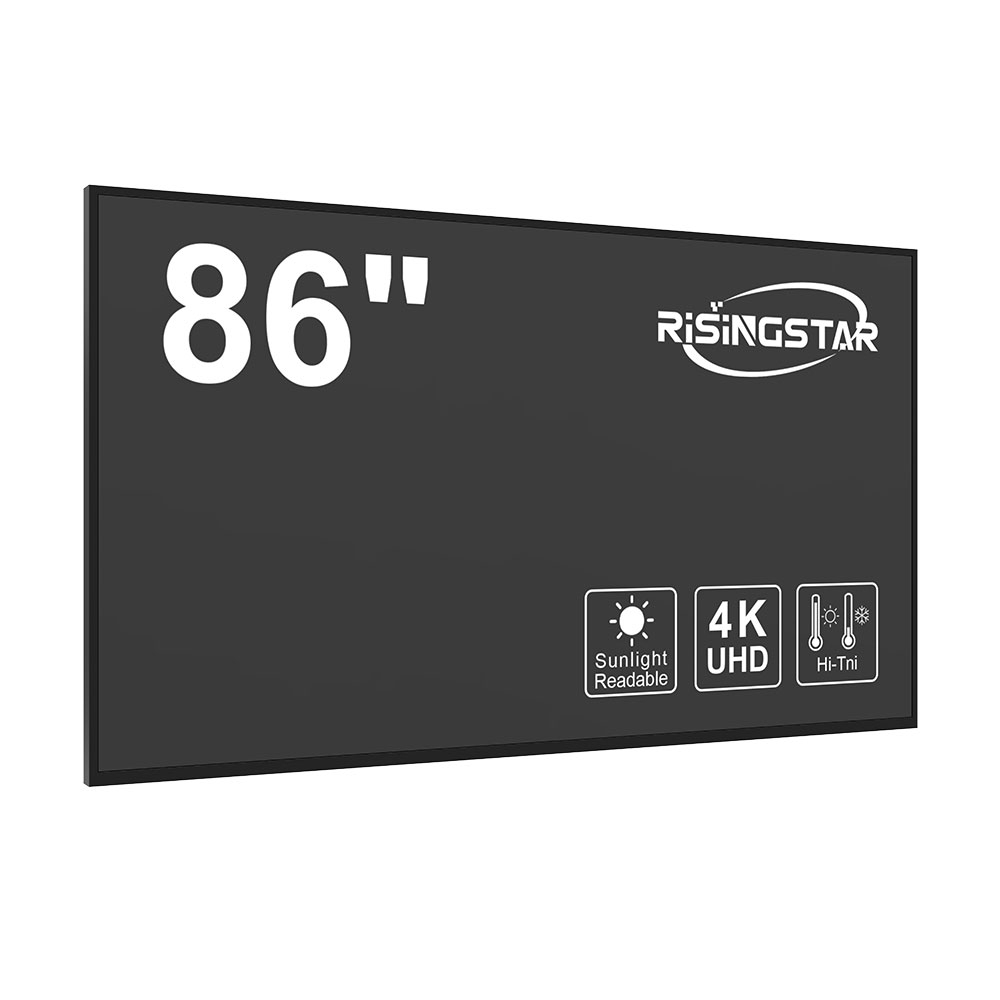
Manufacturers like LG Display, Sharp, and AU Optronics lead in developing such panels, often customizing them for specific sectors. In one notable project, an oil and gas company deployed 8,000-nit sunlight-readable displays across offshore drilling rigs. The result? Improved maintenance response times and fewer misreadings due to glare or poor lighting—a 22% increase in operational uptime was recorded within six months of deployment.
Finally, future trends point toward micro-LED and mini-LED backlighting as next-generation solutions. These technologies promise not only higher peak brightness but also better local dimming and color accuracy. As per a 2024 IDC forecast, the global market for high-brightness LCDs will exceed $8 billion by 2027, driven by growing demand from autonomous vehicles, smart city infrastructure, and AR/VR outdoor headsets.
 RisingStar