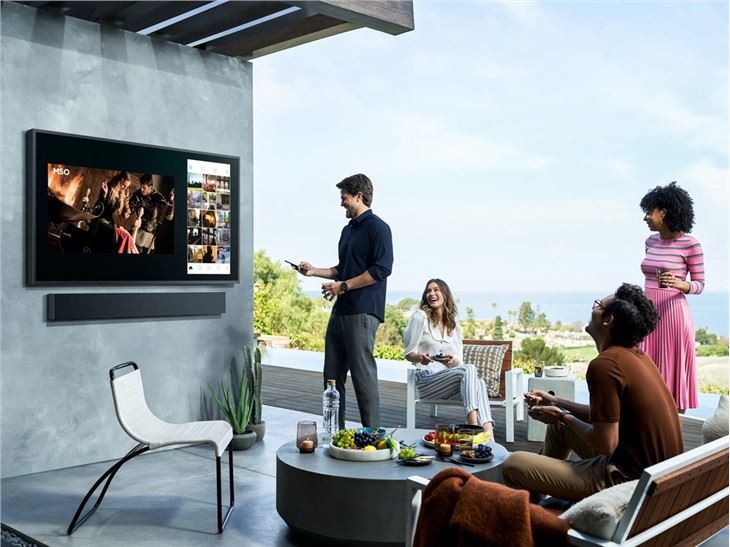
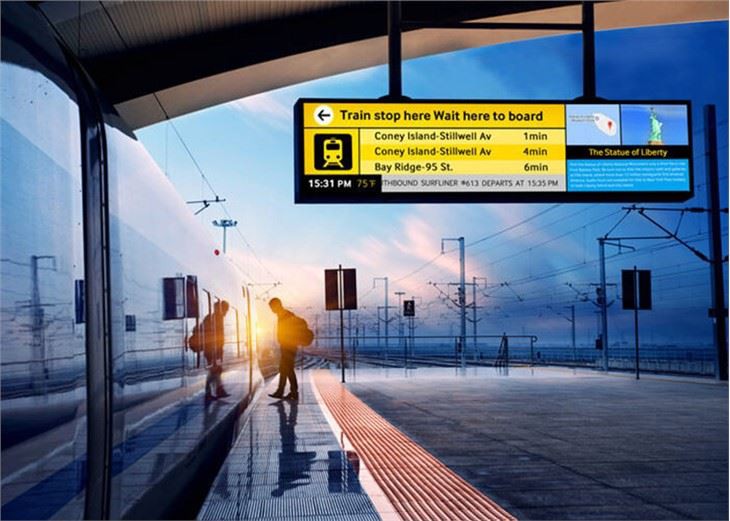
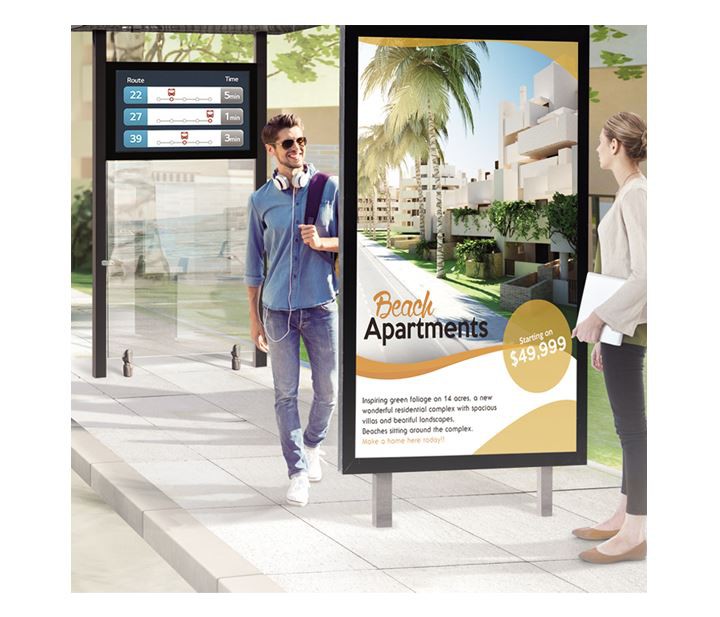
In the rapidly evolving world of display technology, high-brightness sunlight-readable LCD screens have emerged as a critical enabler for outdoor and industrial applications where visibility under direct sunlight is non-negotiable. These specialized displays are engineered to deliver exceptional clarity, contrast, and readability even in harsh lighting conditions—ranging from bright midday sun (over 100,000 lux) to low-light environments. Unlike standard LCDs found in consumer electronics, which often become unusable in daylight due to glare and washed-out images, sunlight-readable LCDs employ advanced optical, material, and electronic techniques that ensure consistent performance across diverse environmental conditions.
The demand for such screens has surged over the past decade, driven by the proliferation of mobile workforces, smart infrastructure, and mission-critical systems in sectors like defense, transportation, healthcare, and energy. According to a 2023 report by MarketsandMarkets, the global market for high-brightness displays is projected to grow at a CAGR of 6.7% through 2028, reaching an estimated $14.5 billion USD. This growth underscores the increasing reliance on durable, reliable, and visually accurate visual interfaces in outdoor settings—from military field operations to solar farm monitoring stations.
At the heart of a high-brightness sunlight-readable LCD lies a multi-layered design philosophy that integrates several key innovations. First, brightness levels typically exceed 5,000 nits, with some industrial-grade models surpassing 10,000 nits—a dramatic leap from the average 300–500 nits of standard consumer displays. To achieve this, manufacturers use high-efficiency LED backlighting technologies such as edge-lit or full-array local dimming (FALD), combined with optimized diffuser sheets and reflective polarizers to maximize luminance while minimizing power consumption.
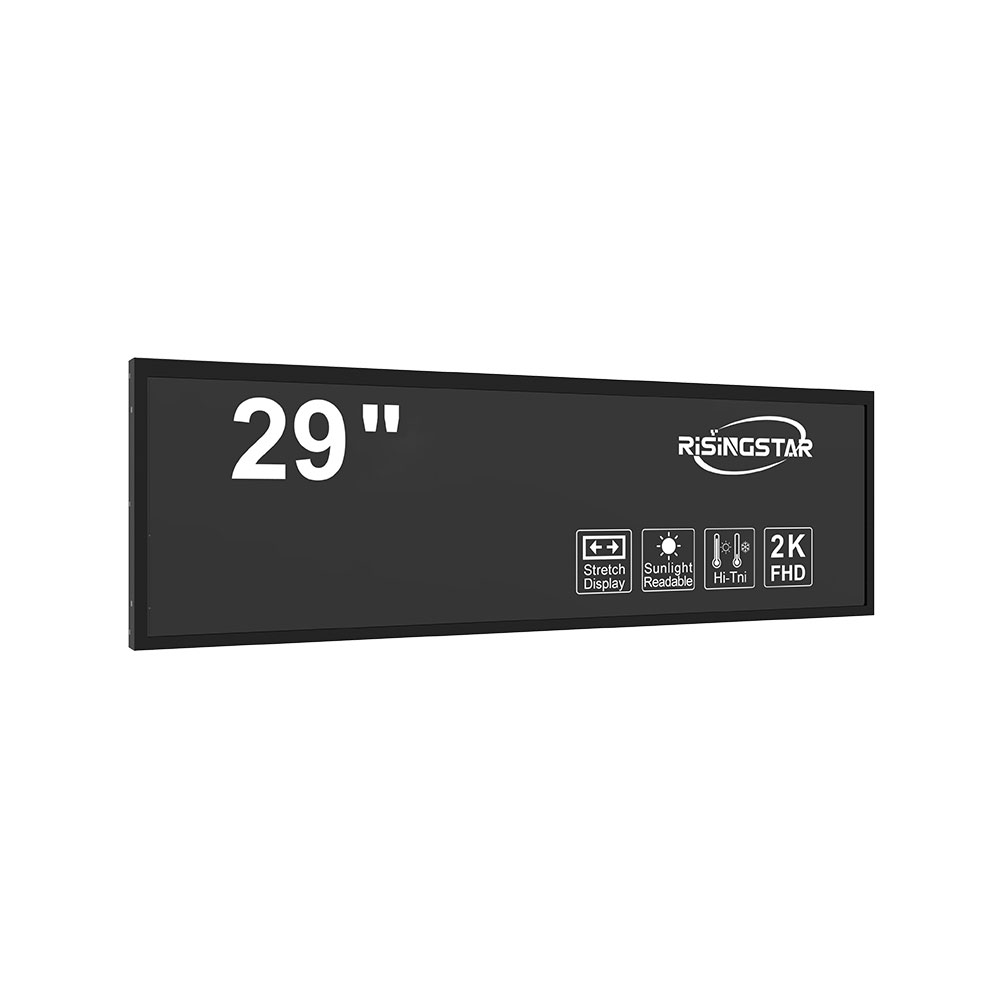
Second, anti-glare coatings and polarization filters play a pivotal role in reducing ambient light reflection. Modern panels incorporate nano-textured glass or chemically etched surfaces that scatter incoming sunlight rather than reflecting it directly back to the viewer. For example, Corning Gorilla Glass with Anti-Reflective Coating (ARC) is commonly used in ruggedized displays for its dual functionality: durability against scratches and impact, along with enhanced contrast ratios under direct sunlight. The integration of linear polarizers further reduces surface reflections by blocking horizontally polarized light, a common cause of image distortion in bright conditions.
Third, the liquid crystal cell itself must be designed for optimal performance under extreme temperatures and humidity. Industrial-grade LCDs often utilize twisted nematic (TN), in-plane switching (IPS), or vertical alignment (VA) technologies tailored for wide viewing angles and stable color reproduction. Among these, IPS panels are preferred for applications requiring consistent color accuracy and wide viewing angles, such as medical diagnostic devices or public information kiosks. However, TN panels remain popular in cost-sensitive applications like vending machines or outdoor signage due to their lower power draw and faster response times.
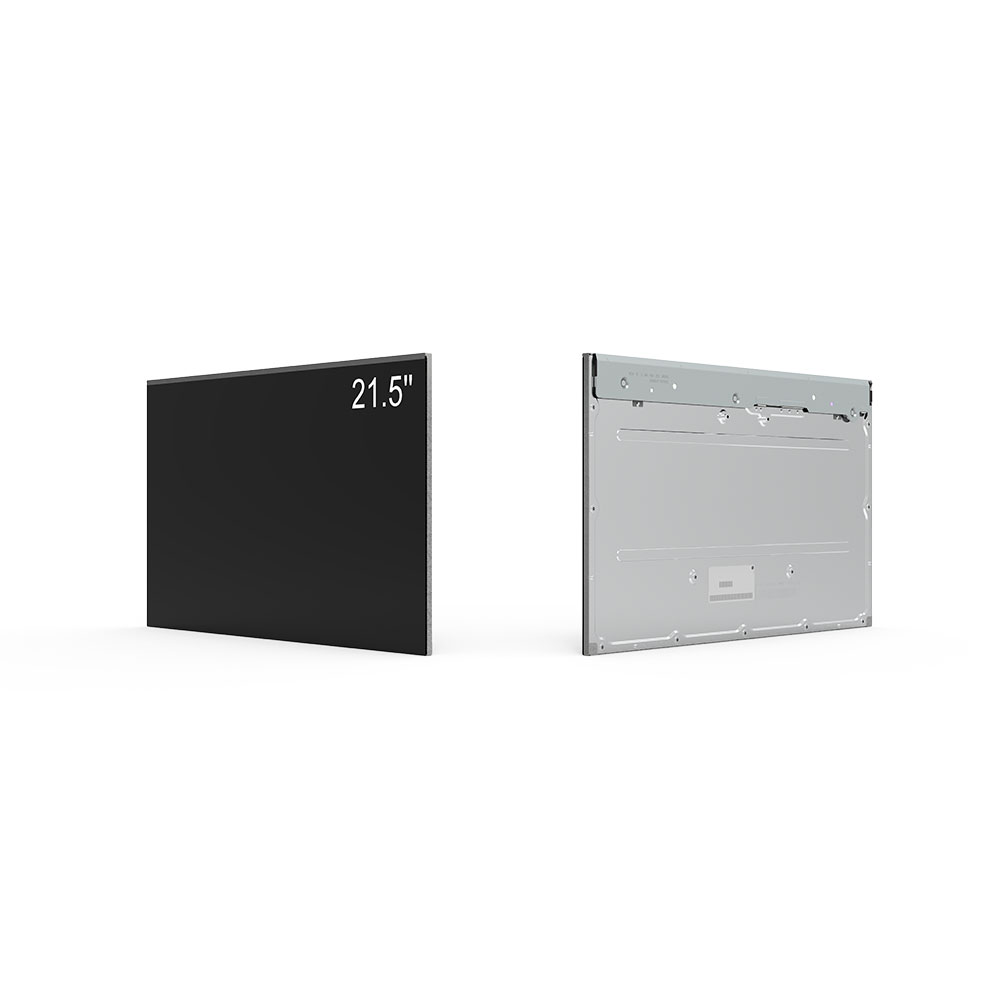
Another crucial aspect is the inclusion of automatic brightness control (ABC) and ambient light sensors (ALS). These sensors dynamically adjust screen brightness based on real-time environmental conditions—dimming in shaded areas to conserve battery life and boosting output when exposed to full sunlight. This adaptive capability not only enhances user experience but also extends the operational lifespan of both the display and the device’s power source. In battery-powered devices such as handheld GPS units or drones, ABC can reduce energy consumption by up to 30%, according to studies published in IEEE Transactions on Consumer Electronics.
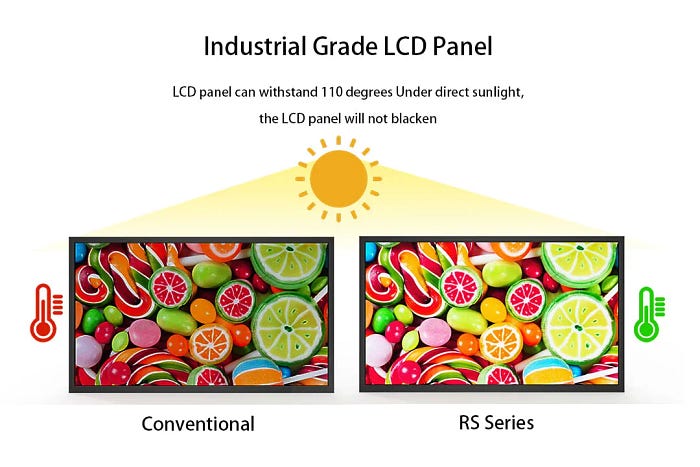
For extreme environments, such as arctic conditions or desert deployments, thermal management becomes equally important. High-brightness LCDs are tested and certified to operate reliably within a broad temperature range—from -40°C to +70°C. Manufacturers implement passive cooling solutions like heat spreaders and thermally conductive materials, while active methods include micro-fans or Peltier coolers in larger installations. Additionally, conformal coatings and sealed enclosures protect internal components from dust, moisture, and chemical exposure, ensuring long-term reliability in IP65-rated or higher configurations.
Case studies highlight the practical advantages of deploying sunlight-readable LCDs. In a project conducted by the U.S. Department of Transportation, highway maintenance crews were equipped with rugged tablets featuring 7,000-nit sunlight-readable displays. Field tests showed a 45% improvement in data entry accuracy during daytime operations compared to traditional displays, significantly reducing errors in road condition reporting. Similarly, in the renewable energy sector, companies like SolarEdge and Enphase have integrated high-brightness LCDs into their solar inverters for real-time monitoring of panel performance under varying weather conditions—a necessity for maximizing energy yield in utility-scale solar farms.
From a manufacturing standpoint, the shift toward mini-LED and micro-LED backlighting is poised to redefine the capabilities of sunlight-readable displays. Mini-LED arrays offer superior local dimming precision, enabling deeper blacks and higher peak brightness without compromising uniformity. Micro-LED technology, still emerging, promises near-infinite contrast ratios and self-emissive pixels—eliminating the need for backlights altogether. While currently more expensive, these advancements will likely make next-generation displays more accessible as production scales, particularly in automotive dashboards and augmented reality headsets intended for outdoor use.
Compliance with international standards ensures quality and safety. Many high-brightness LCDs used in military and aerospace applications adhere to MIL-STD-810G for environmental stress testing, while those in commercial settings comply with EN 60950-1 for electrical safety and IEC 60529 for ingress protection. Certification by agencies like UL, CE, and FCC further validates product reliability, especially in regulated industries such as healthcare and aviation.
Despite their technical sophistication, high-brightness sunlight-readable LCDs face challenges—including cost, power efficiency trade-offs, and compatibility with legacy software ecosystems. However, ongoing research into quantum dot enhancement layers, flexible substrates, and AI-driven brightness optimization algorithms is addressing these limitations. Companies like LG Display, Sharp, and Innolux continue to invest heavily in R&D, pushing the boundaries of what’s possible in outdoor display technology.
Ultimately, the future of sunlight-readable LCDs lies in their seamless integration into broader IoT and edge computing frameworks. As more devices operate autonomously in uncontrolled environments—from autonomous vehicles to remote environmental sensors—the ability to maintain clear, readable interfaces under any lighting condition is no longer a luxury—it is a necessity. Whether deployed in emergency response scenarios, agricultural monitoring systems, or smart city infrastructure, high-brightness LCDs serve as the frontline interface between humans and machines in the most demanding environments.
As technology continues to advance, the convergence of hardware innovation, software intelligence, and environmental adaptability will define the next generation of sunlight-readable displays—making them smarter, brighter, and more resilient than ever before.
 RisingStar