RisingStar
- Home
- About Us
- Products
- News
- Video
- Contact
- Send Inquiry
Search
- Home
- About Us
- Products
- News
- Video
- Contact
- Send Inquiry
RisingStar
Selecting the appropriate high-brightness sunlight-readable LCD screen is critical for ensuring optimal performance in outdoor environments where ambient light levels can exceed 100,000 lux. These displays are widely used in military, transportation, industrial, and medical applications where visibility under direct sunlight is non-negotiable. The key factors influencing selection include luminance output, contrast ratio, viewing angle, environmental durability, power efficiency, and display technology (such as TN, IPS, or OLED).
First, luminance is the most crucial parameter—sunlight-readable screens must typically achieve at least 3,000 cd/m² (nits) to remain legible under direct sunlight, with premium models exceeding 5,000 nits. This is significantly higher than standard indoor displays (250–500 nits). Industry standards like MIL-STD-810G and EN 60068-2-1 specify environmental resilience for such devices, including temperature ranges (-40°C to +70°C), humidity resistance, and vibration tolerance.
Contrast ratio also plays a vital role. A minimum contrast ratio of 1000:1 ensures text and graphics remain distinguishable even when backlight intensity fluctuates. For example, IPS panels offer superior contrast and wide viewing angles compared to TN panels, making them ideal for multi-user or dynamic environments like vehicle dashboards or construction site control units.
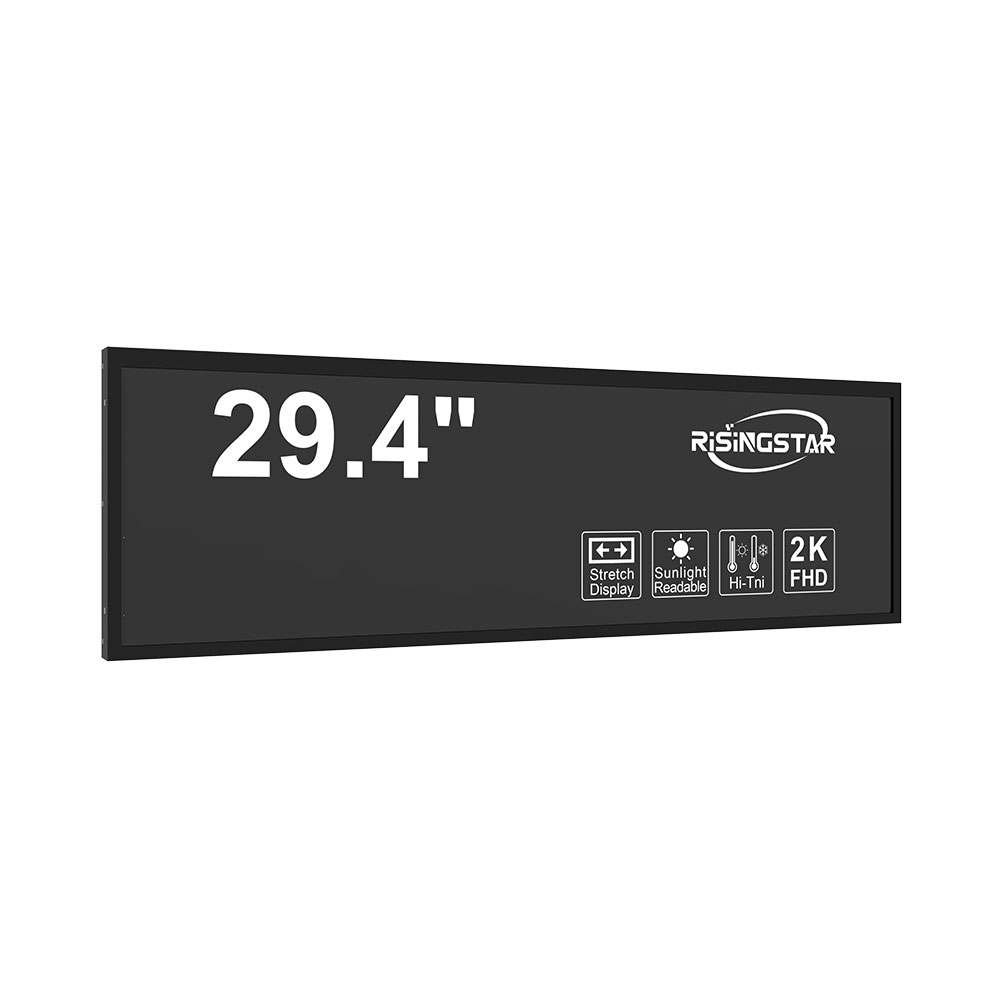
Environmental sealing is another essential consideration. IP65 or higher ratings protect against dust and water ingress—critical for marine or field-deployed systems. Additionally, anti-glare coatings, polarized filters, and laminated glass reduce reflection, further enhancing readability without increasing brightness unnecessarily.
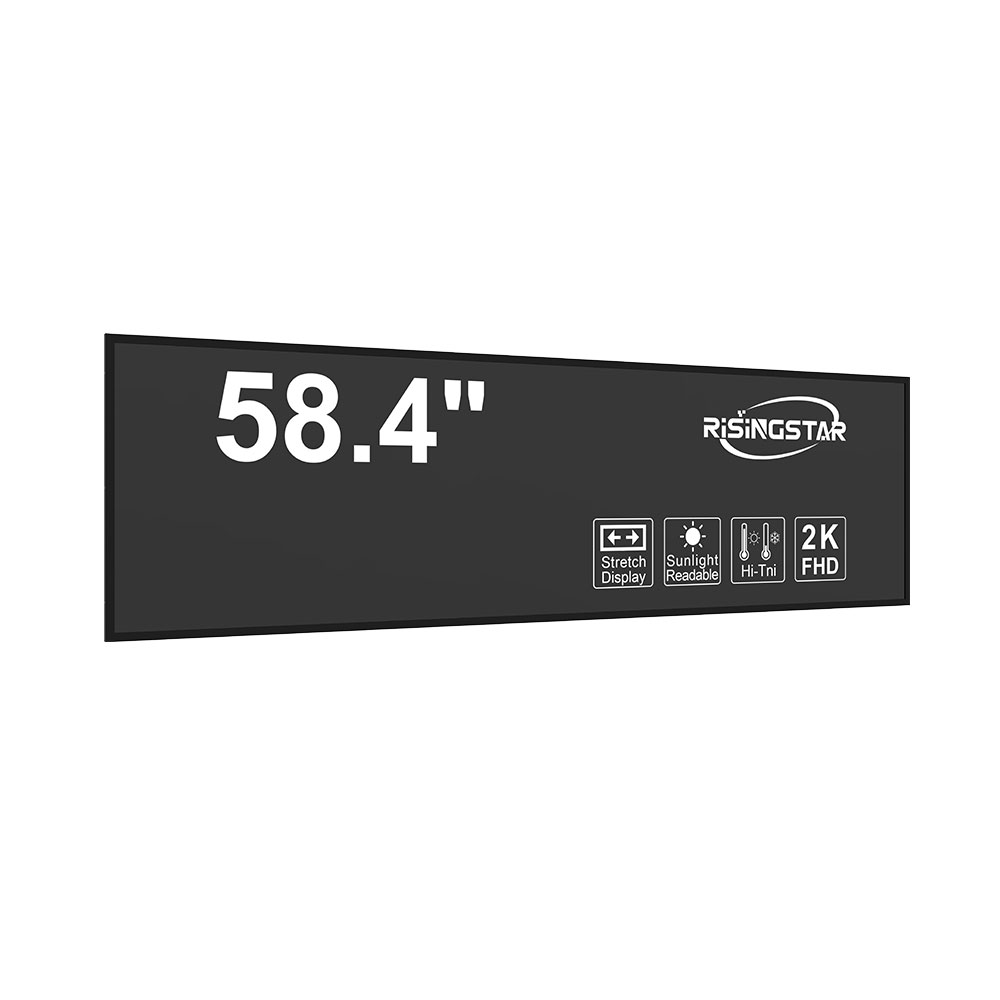
Power consumption must be balanced with brightness. Modern LED-backlit LCDs use efficient drivers and adaptive brightness control to reduce energy draw—important for battery-powered or solar-recharged systems in remote areas. Case studies from defense contractors like BAE Systems and aerospace firms such as Airbus show that integrating smart dimming algorithms can extend operational life by up to 40% while maintaining readability.
Display technologies vary in cost, performance, and longevity. While TN panels offer low cost and fast response times, they fall short in color accuracy and viewing angles. IPS provides better image uniformity, and OLED offers perfect blacks and high contrast but may degrade faster under continuous high-brightness operation. Therefore, application-specific evaluation is essential.
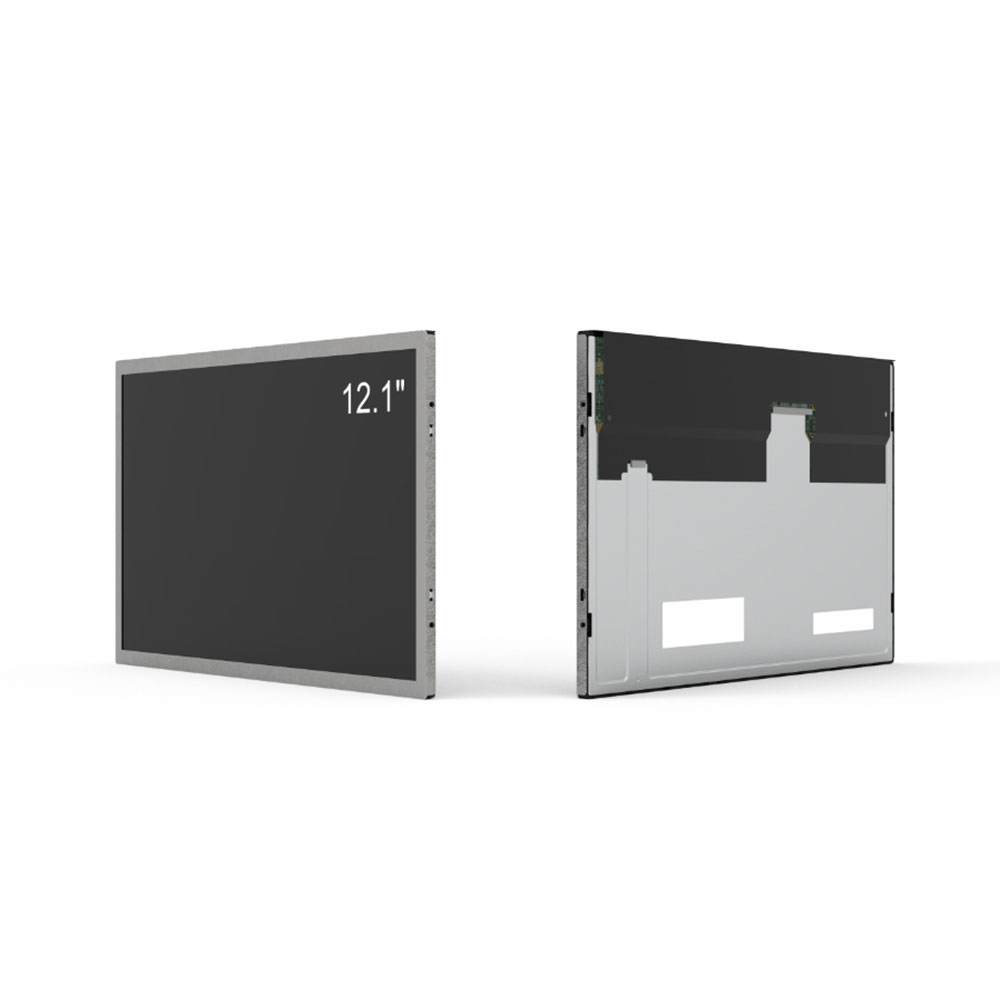
Finally, certification matters. Look for compliance with RoHS, CE, FCC, and ISO 9001 standards to ensure quality, safety, and regulatory alignment. In summary, choosing a sunlight-readable LCD requires a holistic understanding of brightness, durability, viewing conditions, and total system integration—not just raw specs.