RisingStar
- Home
- About Us
- Products
- News
- Video
- Contact
- Send Inquiry
Search
- Home
- About Us
- Products
- News
- Video
- Contact
- Send Inquiry
RisingStar
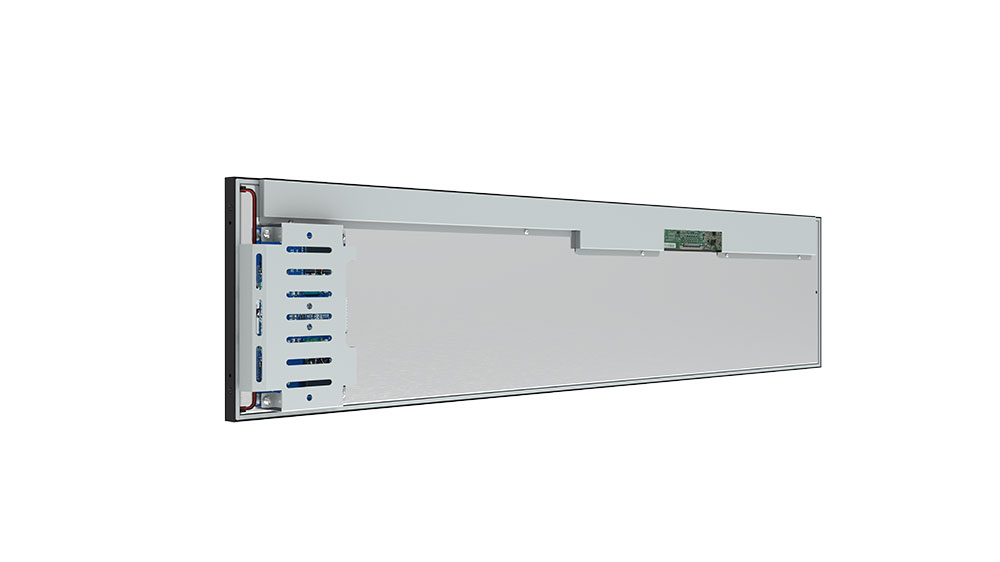
In today’s increasingly mobile and outdoor-centric world, the demand for high-brightness sunlight-readable LCD displays continues to grow across industries such as military, aerospace, transportation, industrial automation, and medical devices. These specialized screens are engineered not only to deliver crisp visuals under direct sunlight but also to withstand extreme environmental conditions including temperature fluctuations, vibration, shock, and humidity.
Why High-Brightness Sunlight-Readable LCDs Are Essential
Standard LCDs often fail in bright outdoor environments due to insufficient luminance—typically less than 1000 nits. In contrast, high-brightness sunlight-readable LCDs operate at 3000 to 5000 nits or more, ensuring visibility even under full-spectrum sunlight (which can reach up to 100,000 lux). According to IEEE standards and MIL-STD-810G, these displays must meet stringent requirements for operational performance in harsh climates. For instance, military-grade displays used in UAVs or ground vehicles must remain functional from -40°C to +70°C without degradation in contrast or response time.
Key Technologies Behind Sunlight-Readable Performance
Several core technologies enable superior brightness and readability:
1. Enhanced Backlighting: LED-based arrays with distributed optical films maximize light output while minimizing power consumption.
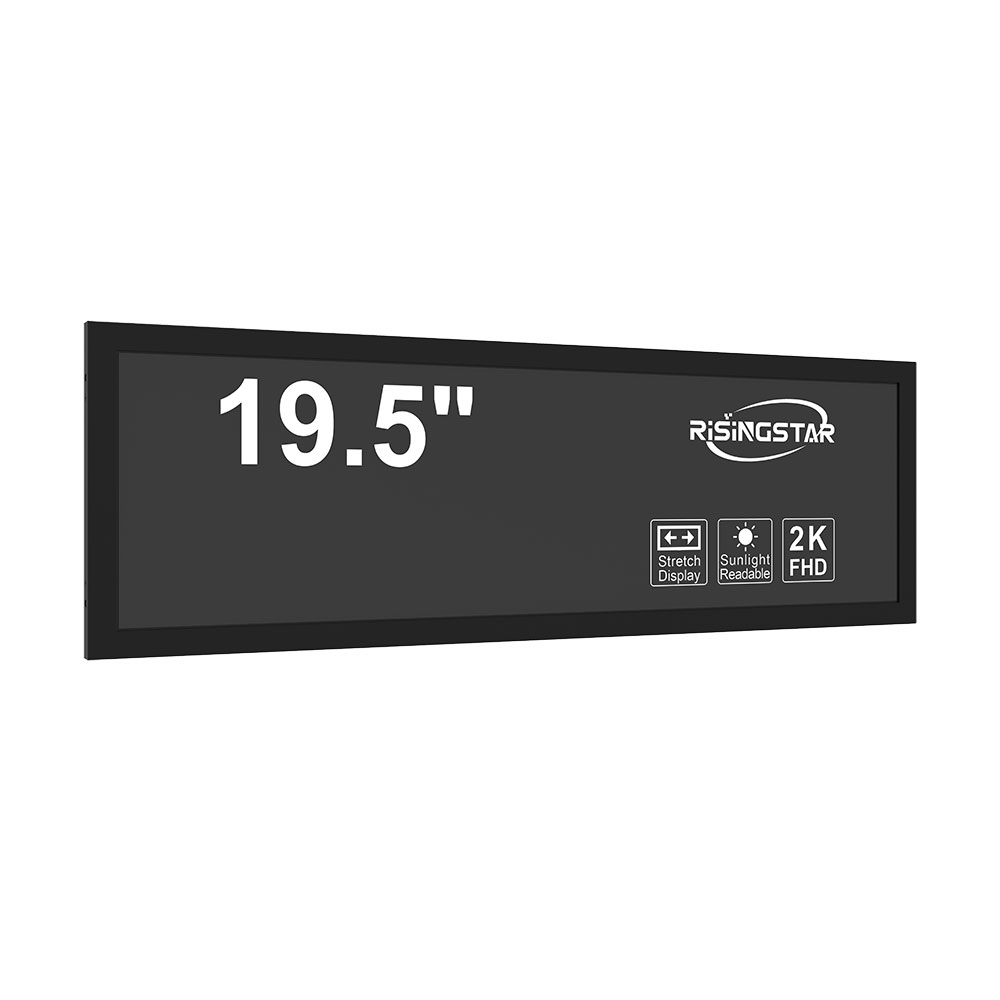
2. Anti-Reflective Coatings: Multi-layer coatings reduce surface reflection to under 1%, crucial for eliminating glare on glass substrates.
3. High Contrast Ratios: Advanced IPS (In-Plane Switching) or TN (Twisted Nematic) panels maintain contrast ratios of 1000:1 or higher, even in high ambient light.
4. Dynamic Brightness Control: Adaptive algorithms adjust luminance based on real-time ambient light sensors, improving both visibility and energy efficiency.
Real-World Applications and Case Studies
- Military Operations: The U.S. Army’s M1 Abrams tank uses a 15-inch sunlight-readable LCD display rated at 5000 nits, enabling crew visibility during daylight combat scenarios.
- Aviation: Boeing 787 Dreamliner cockpit displays employ high-brightness panels with IP65 ratings for dust and water resistance, ensuring reliability in turbulent weather.
- Industrial IoT: Siemens’ ruggedized HMI touchscreens in oil rigs use 3500-nit displays with Gorilla Glass 5 protection, allowing operators to monitor drilling parameters in desert heat.
- Medical Equipment: Portable ultrasound machines from GE Healthcare integrate 4000-nit LCDs to ensure image clarity in field hospitals where lighting is unpredictable.
Compliance with International Standards
Manufacturers must adhere to globally recognized standards such as IEC 60068 (environmental testing), EN 60950 (safety), and ISO 16750 (automotive electronics). Additionally, MIL-STD-810H certification ensures mechanical robustness, while UL 1950 confirms electrical safety. These certifications are non-negotiable for systems deployed in critical infrastructure.
Future Trends in Sunlight-Readable Display Technology
Emerging innovations include micro-LED backlighting for even higher brightness (up to 7000 nits), quantum dot color enhancement for wider gamut accuracy, and AI-driven adaptive optics that dynamically optimize contrast and brightness based on user location and time of day. As autonomous vehicles and edge computing expand, the need for durable, readable displays will only intensify.
For engineers and procurement specialists, selecting the right sunlight-readable LCD requires evaluating not just brightness levels but also long-term reliability, thermal management, and integration flexibility. Choosing a display backed by rigorous testing and industry certifications guarantees operational continuity in mission-critical applications.