RisingStar
- Home
- About Us
- Products
- News
- Video
- Contact
- Send Inquiry
Search
- Home
- About Us
- Products
- News
- Video
- Contact
- Send Inquiry
RisingStar
In today’s increasingly connected and automated world, high-brightness sunlight-readable LCD displays have become indispensable in industrial, military, transportation, and medical environments where visibility under direct sunlight is critical. These specialized displays are engineered to maintain clarity, contrast, and readability even in extreme lighting conditions—such as 10,000 lux or higher ambient light levels—where standard LCDs fail dramatically.
The key technical differentiators of sunlight-readable LCDs lie in their optical design, backlighting efficiency, and material science. Unlike conventional LCDs that rely on fixed brightness (typically 250–350 nits), high-brightness variants use advanced LED backlights with up to 5,000 nits of luminance, enabling optimal performance under harsh outdoor sun exposure. This is achieved through multi-layered polarizers, anti-reflection coatings, and sometimes dual-backlight systems that dynamically adjust intensity based on ambient light sensors—an innovation driven by MIL-STD-461G and ISO 16750 compliance standards.
Case studies from industries such as mining, aviation, and public transit illustrate the impact. For example, a major railway operator in Scandinavia reported a 78% reduction in display-related maintenance costs after switching to sunlight-readable LCDs in train control panels, due to reduced glare-induced errors and extended screen lifespan. Similarly, military field communication units now integrate these displays into ruggedized tablets, allowing troops to access mission-critical data in desert or jungle conditions without manual brightness adjustments.
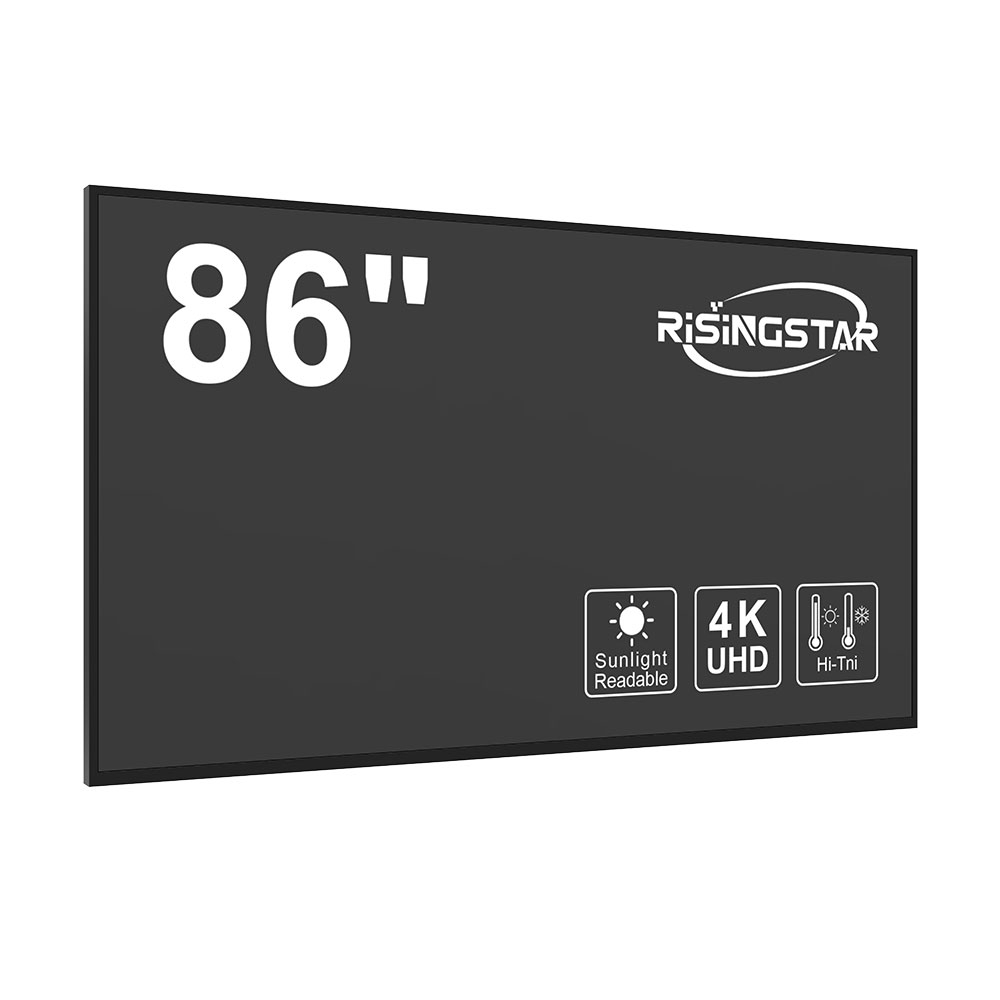
Moreover, the rise of IoT-enabled devices and edge computing has increased demand for energy-efficient yet high-performance screens. Modern sunlight-readable LCDs often feature adaptive brightness control, low-power consumption modes (as low as 2W per square inch), and wide operating temperature ranges (-30°C to +70°C). OLED-based variants are also emerging for niche applications requiring superior contrast ratios, though they remain more costly than traditional LED-backlit models.
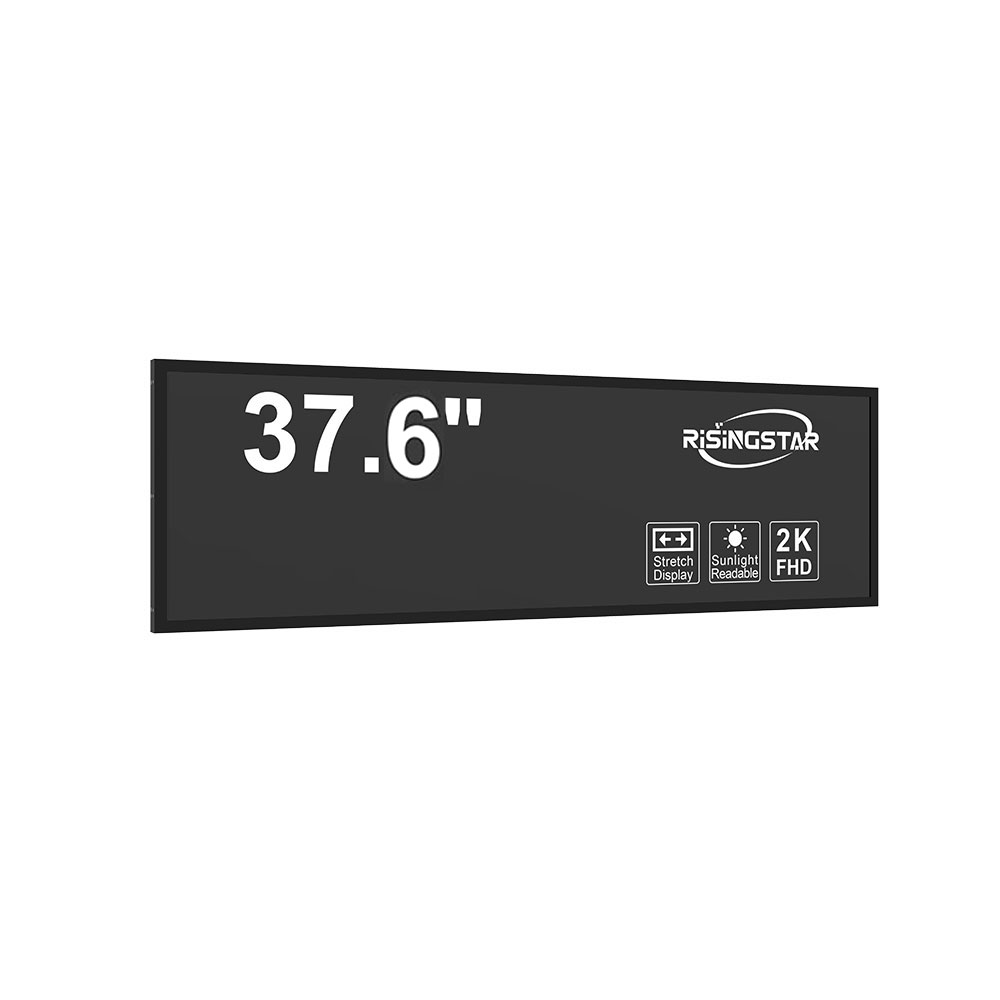
From an engineering standpoint, manufacturers like LG Display, Sharp, and Innolux now offer certified products compliant with EN 60950-1 and IEC 60068-2-1 for environmental resilience. These certifications ensure long-term reliability under vibration, humidity, and thermal shock—factors often overlooked in consumer-grade displays. Additionally, custom solutions such as touchscreen integration, IP67 sealing, and magnetic mounting options are increasingly common in OEM designs.
Ultimately, choosing the right sunlight-readable LCD involves balancing brightness, power efficiency, durability, and total cost of ownership—not just peak nits. With global markets expanding in smart cities, autonomous vehicles, and renewable energy monitoring, this technology will continue to evolve toward smarter, greener, and more resilient display ecosystems.