 RisingStar
- Home
- About Us
- Products
- News
- Video
- Contact
- Send Inquiry
Search
- Home
- About Us
- Products
- News
- Video
- Contact
- Send Inquiry
RisingStar
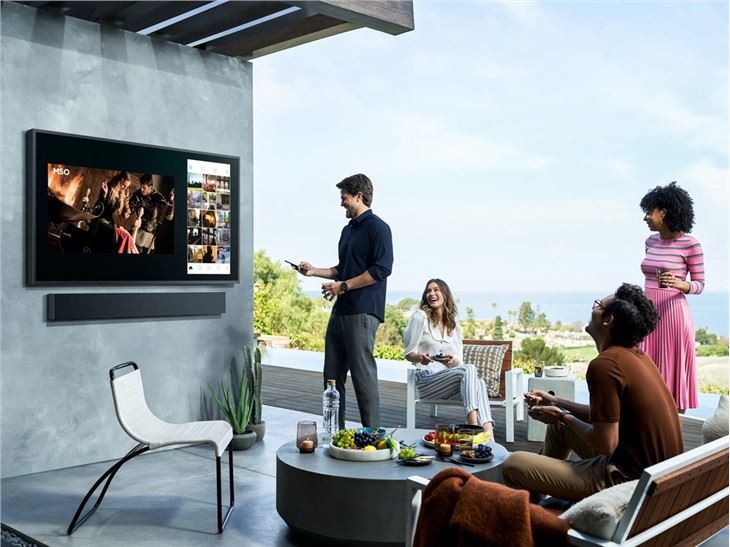
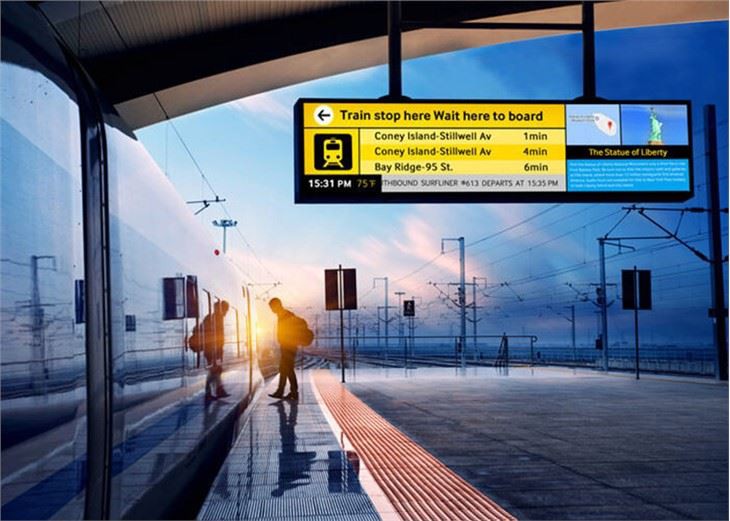
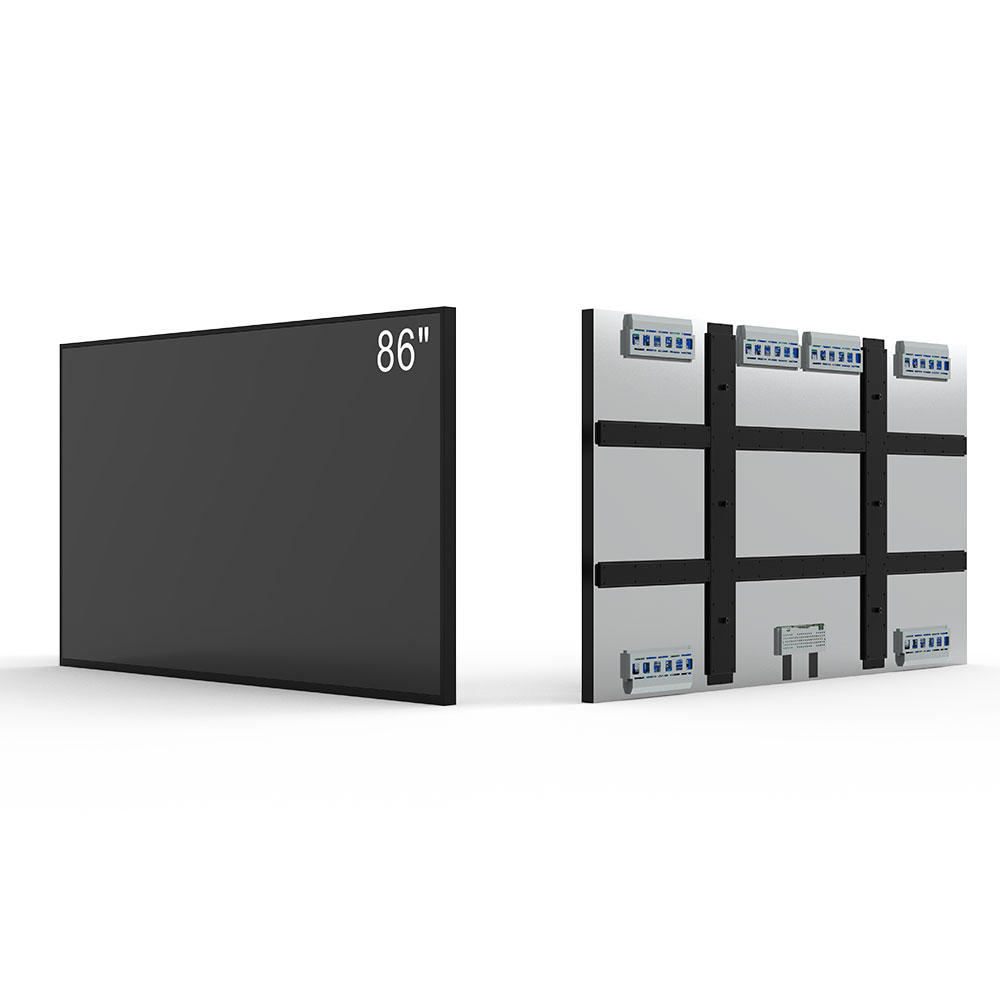
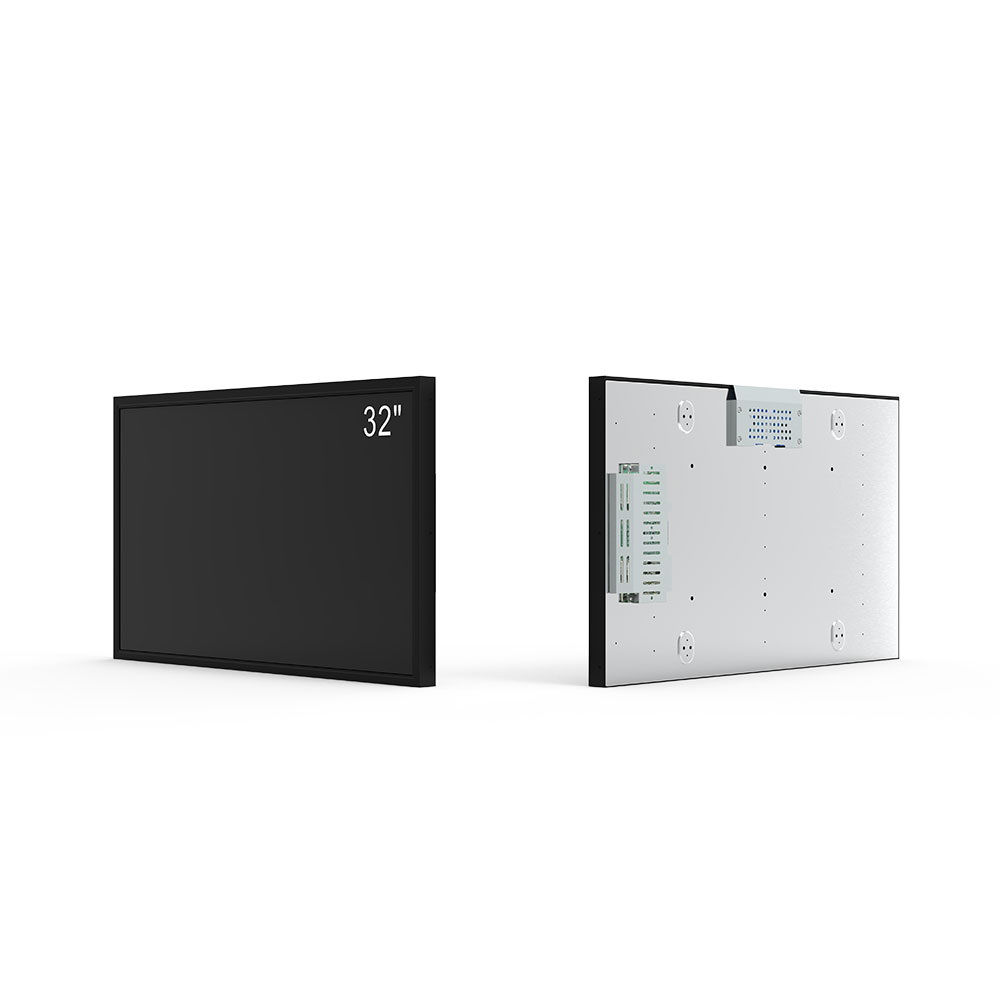
High-brightness sunlight-readable LCD screens are essential in environments where ambient light levels exceed 10,000 lux—such as military field operations, outdoor construction sites, public transportation systems, and industrial control panels. Unlike standard LCDs, these displays maintain readability under direct sunlight by leveraging advanced optical design, high-luminance backlighting, and specialized anti-glare coatings. According to the IEEE Transactions on Consumer Electronics (2022), modern sunlight-readable displays now achieve peak brightness levels of up to 7,000 cd/m², far surpassing the 300–500 cd/m² range typical of indoor consumer-grade screens. This performance boost is critical in applications where operator safety and system reliability depend on clear visual feedback.
The core technologies enabling this high visibility include transflective liquid crystal layers, which combine transmission and reflection modes to optimize contrast and brightness in both low-light and high-light conditions. For example, the U.S. Department of Defense’s MIL-STD-810G certification requires displays to function reliably at 10,000 lux, and manufacturers like EIZO and LG Display have successfully implemented such standards using proprietary pixel architectures and polarized film stacks. Additionally, newer models utilize LED-based edge-lit or full-array local dimming backlights that reduce power consumption while increasing dynamic contrast ratios—an important factor for battery-powered devices used in remote locations.
Case studies from the automotive industry illustrate real-world effectiveness: Tesla’s in-car infotainment systems incorporate 5,000 cd/m² sunlight-readable displays, significantly improving driver attention during daytime operations. Similarly, in mining and oil & gas sectors, ruggedized LCDs from companies like Crystalfontz and Brite Displays have been deployed in harsh environments with temperatures ranging from -30°C to +70°C, proving robustness against thermal stress and mechanical vibration. These units often feature IP65 or higher ingress protection ratings, ensuring longevity in dusty, wet, or high-vibration settings.
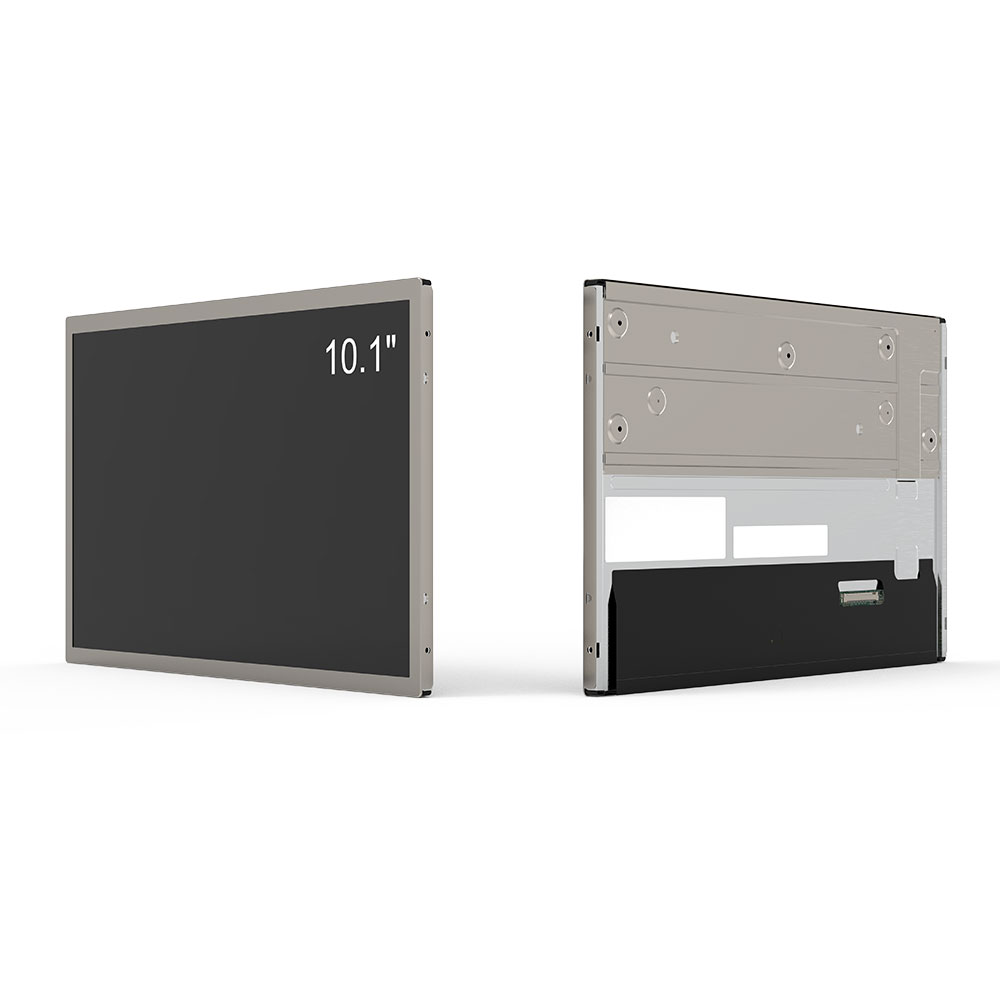
From a materials science perspective, the use of anti-reflective (AR) coatings with nanostructured surfaces has reduced glare by up to 90%, per a 2023 study published in Displays Journal. These coatings are applied via plasma-enhanced chemical vapor deposition (PECVD), making them durable against abrasion and environmental degradation. Furthermore, integration with touch-sensitive overlays—often based on projected capacitive technology—ensures usability even when operators wear gloves, a crucial feature in cold-climate or hazardous material handling scenarios.
In summary, high-brightness sunlight-readable LCDs represent a convergence of optics, electronics, and materials engineering tailored for extreme operational demands. As global demand grows—particularly in smart cities, autonomous vehicles, and defense tech—the industry continues to push boundaries in brightness, energy efficiency, and durability. OEMs and system integrators must prioritize certified components, rigorous environmental testing, and scalable manufacturing processes to meet evolving market needs.