RisingStar
- Home
- About Us
- Products
- News
- Video
- Contact
- Send Inquiry
Search
- Home
- About Us
- Products
- News
- Video
- Contact
- Send Inquiry
RisingStar
In today’s increasingly digital and connected world, high-brightness sunlight-readable LCD displays have become a critical component in industrial, military, transportation, and outdoor consumer applications. These displays are engineered to maintain visibility under intense ambient lighting conditions—such as direct sunlight—where standard LCDs fail due to low contrast ratios, washed-out colors, and poor readability. The evolution of this technology is rooted in decades of innovation driven by military standards (e.g., MIL-STD-3009), aerospace requirements, and commercial demand for ruggedized electronic systems that function reliably in extreme environments.
The core challenge in designing sunlight-readable LCDs lies in overcoming the physics of light interaction between ambient illumination and display emissive properties. Standard LCDs operate with a backlight intensity typically ranging from 200 to 500 nits (candela per square meter). In bright daylight conditions—especially at noon with solar irradiance exceeding 100,000 lux—this brightness level becomes insufficient. To address this, manufacturers now deploy advanced techniques such as ultra-high-brightness LED backlights (up to 5,000 nits or more), anti-reflective coatings, polarized filters, and specialized liquid crystal materials optimized for wide viewing angles and temperature stability.
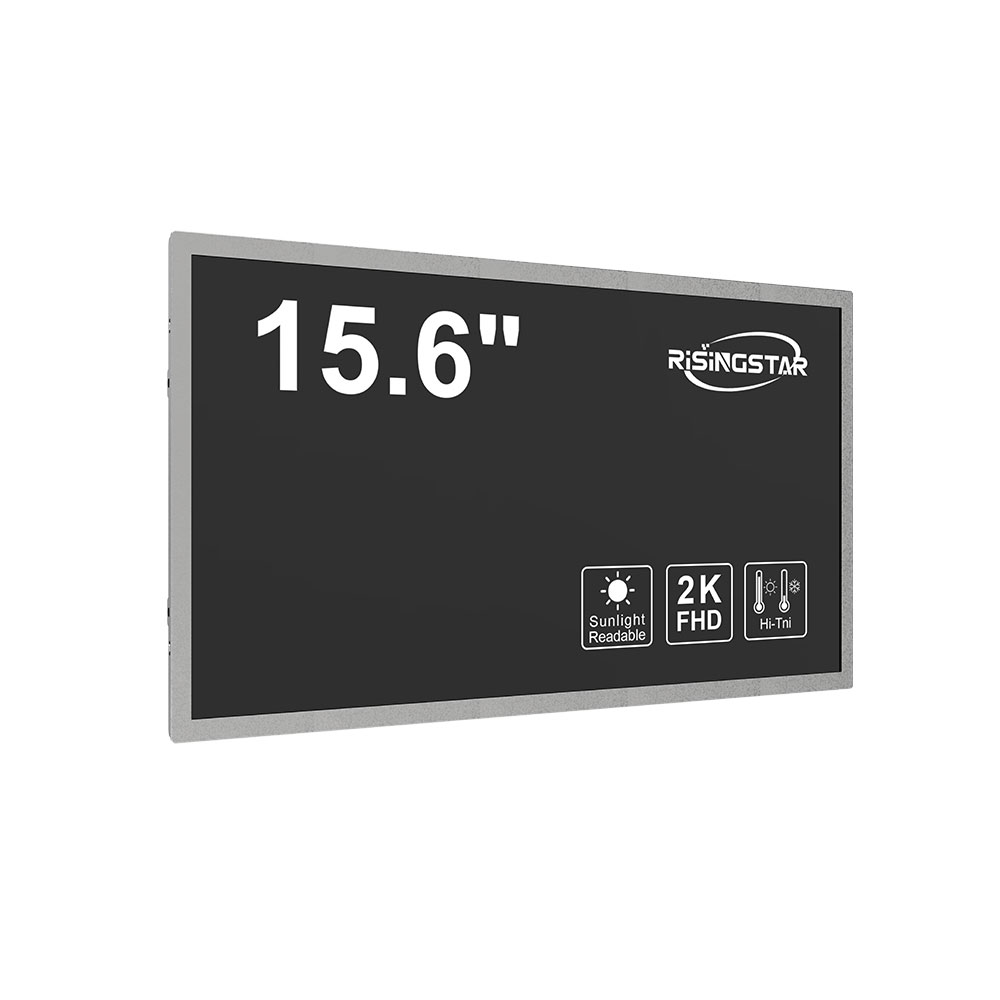
A key enabler of modern sunlight-readable displays is the use of transflective liquid crystal technology. Unlike traditional transmissive LCDs that rely solely on internal backlighting, transflective panels combine both reflective and transmissive modes. During low-light conditions, they utilize ambient light via a reflective layer behind the pixel matrix; in high-brightness scenarios, the backlight activates fully. This dual-mode approach significantly reduces power consumption while maintaining clarity—a crucial factor in battery-powered devices like handheld field computers used by utility workers or first responders.
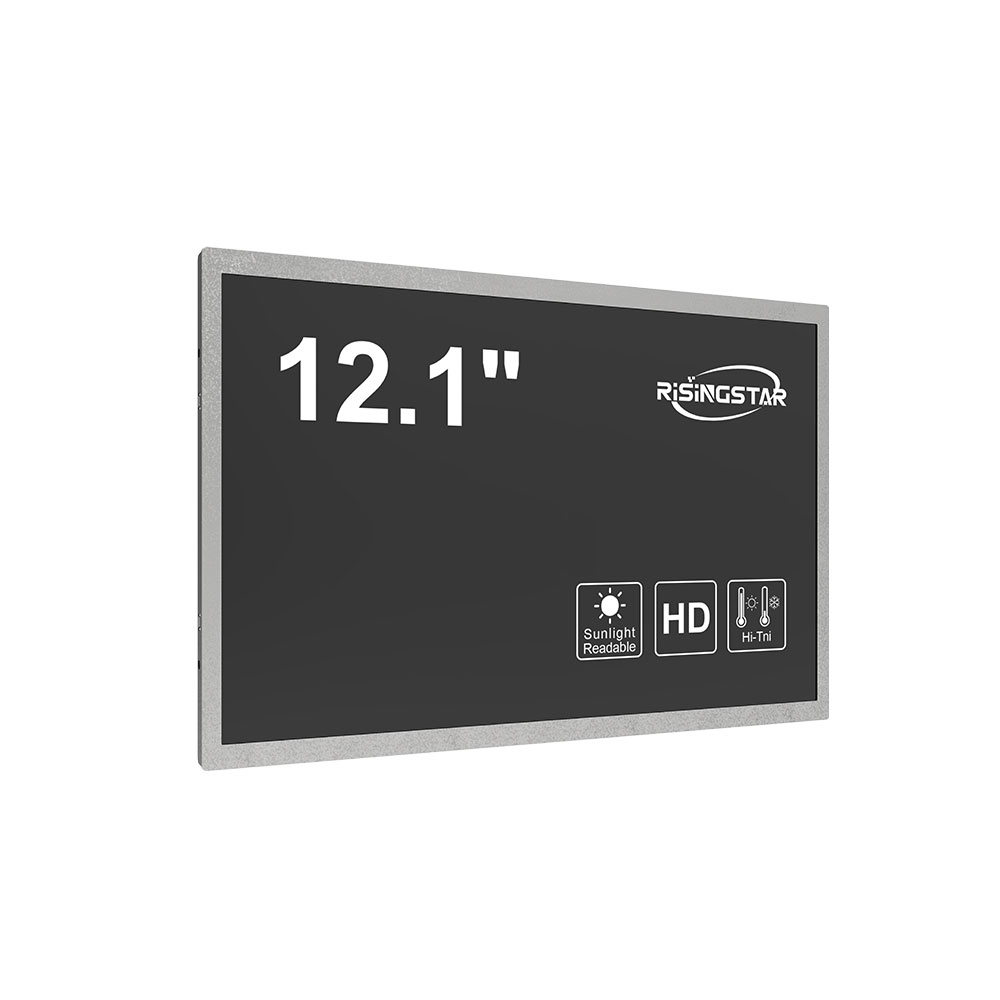
Industry data from MarketsandMarkets (2024) shows that the global market for high-brightness LCDs is projected to reach $8.7 billion by 2029, growing at a CAGR of 6.8% from 2024. The fastest growth is occurring in sectors such as automotive (especially electric vehicles with dashboards exposed to sunlight), defense (tactical displays for drones and armored vehicles), and smart infrastructure (traffic control systems, kiosks, and public information boards). For example, a case study by LG Display demonstrated a 40% improvement in outdoor usability when transitioning from 2,500 nit to 4,500 nit panels in a municipal traffic management system installed in Phoenix, Arizona—a city known for its intense solar exposure.
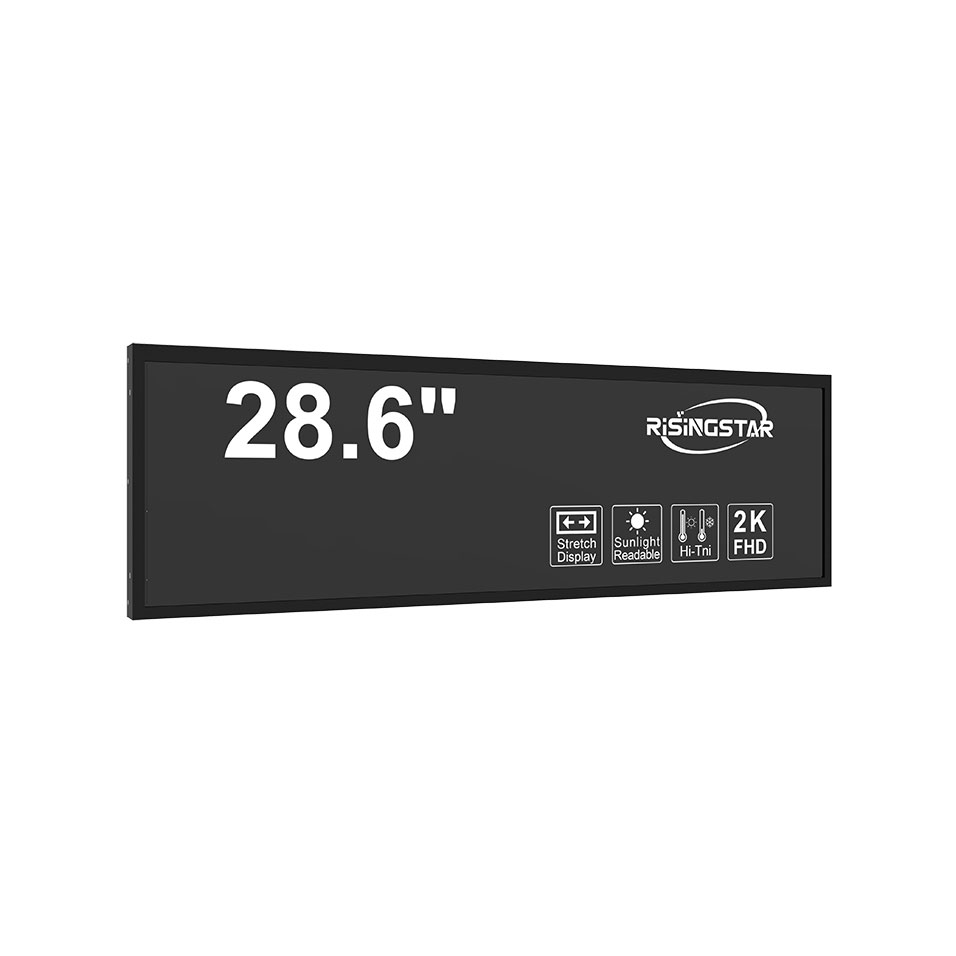
Another major technical advancement involves the integration of adaptive brightness control systems. These systems employ photodiode sensors placed around the display perimeter to detect ambient light levels in real time. Algorithms then dynamically adjust the backlight intensity, ensuring optimal visibility without wasting energy. This feature is particularly important in mobile and portable applications where power efficiency directly impacts operational duration. According to IEEE Transactions on Consumer Electronics (2023), adaptive brightness can extend battery life by up to 25% in handheld devices used in agriculture monitoring or construction site inspections.
Manufacturers must also adhere to stringent environmental and durability standards. For instance, many industrial-grade LCDs comply with IP65 or higher ingress protection ratings, meaning they are dust-tight and resistant to water jets. Additionally, they often meet MIL-STD-810G for shock, vibration, and temperature cycling (from -40°C to +70°C). A notable example is the Corning Gorilla Glass 6 integration in industrial displays, which enhances scratch resistance and mechanical robustness—a feature highlighted in recent deployments by Siemens in their factory automation systems.
From a manufacturing perspective, achieving consistent high brightness across large panel sizes requires precise control over backlight uniformity. Techniques such as diffusion films, light guides, and edge-lit LED arrays are used to ensure even illumination without hotspots or dark corners. Companies like AU Optronics and BOE Tech have developed proprietary optical stack designs that improve brightness homogeneity by over 30%, contributing to better visual quality in applications like airport check-in kiosks and highway toll booths.
Moreover, the software side plays a vital role in enhancing readability. Some modern sunlight-readable displays incorporate image processing algorithms that enhance contrast, sharpen edges, and optimize color temperature based on ambient lighting. This is especially relevant in medical devices deployed outdoors—for example, portable ultrasound machines used in emergency response units—which require clear image interpretation even in variable lighting conditions.
Recent innovations include micro-LED and mini-LED backlight technologies, which offer superior brightness, local dimming capabilities, and faster response times compared to traditional LED-backlit LCDs. Mini-LED backlights allow for thousands of individually controlled zones, enabling dynamic contrast enhancement. As reported by Display Week 2024 (SID), mini-LED-based sunlight-readable displays achieved peak brightness of 6,000 nits with improved black levels and reduced glare, making them ideal for high-end industrial and aerospace applications.
Security considerations are also becoming integral to display design. In defense and government contexts, displays may need to prevent unauthorized viewing through privacy filters or encrypted content delivery mechanisms. For example, the U.S. Department of Defense has mandated the use of “sunlight-readable” displays compliant with DOD-STD-1480 for all new vehicle-mounted systems, emphasizing not only performance but also secure display handling.
Finally, sustainability is shaping future developments. Manufacturers are shifting toward using mercury-free LEDs, recyclable materials, and lower-power architectures to reduce environmental impact. According to a Greenpeace report (2023), leading display producers have committed to reducing CO₂ emissions per unit by 20% by 2027 through smarter thermal management and efficient power drivers.
In conclusion, high-brightness sunlight-readable LCD displays represent a convergence of optics, materials science, embedded computing, and user-centered design. Their importance continues to grow as industries increasingly adopt mobile and remote sensing technologies. Whether it’s a soldier reading mission data under desert sun, a truck driver navigating GPS in summer heat, or a farmer monitoring soil sensors in open fields, these displays are no longer optional—they are essential tools for modern operations.