RisingStar
- Home
- About Us
- Products
- News
- Video
- Contact
- Send Inquiry
Search
- Home
- About Us
- Products
- News
- Video
- Contact
- Send Inquiry
RisingStar
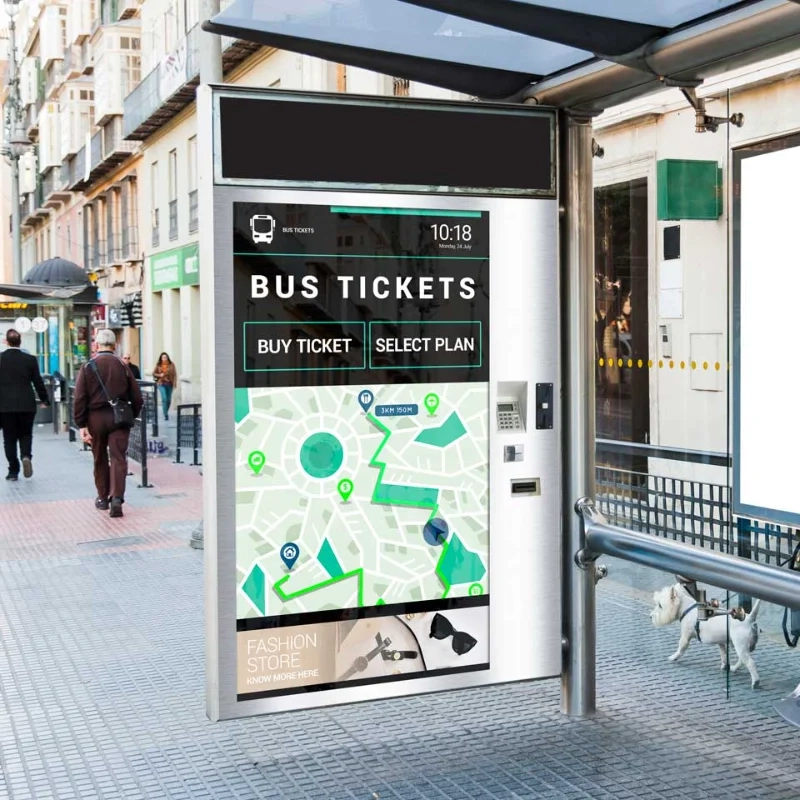
In today’s industrial and outdoor environments, the demand for robust, high-brightness, sunlight-readable LCD displays with IP66 waterproof protection is growing rapidly. These displays are essential in sectors such as military, transportation, agriculture, oil & gas, and smart city infrastructure—where exposure to dust, moisture, and extreme lighting conditions is common. The IP66 rating, defined by the International Electrotechnical Commission (IEC), ensures complete protection against dust ingress (6) and powerful water jets from any direction (6). This level of protection is critical not only for operational continuity but also for long-term reliability in demanding applications.
High-brightness sunlight-readable LCDs typically operate at 5,000 to 10,000 nits of luminance—far exceeding standard indoor displays that max out at 300–500 nits. Such brightness levels ensure visibility even under direct sunlight, a crucial requirement for outdoor kiosks, vehicle dashboards, construction equipment, and field medical devices. When paired with IP66 sealing, these displays eliminate failure points caused by water ingress or particulate contamination—a frequent cause of display malfunction in harsh climates.
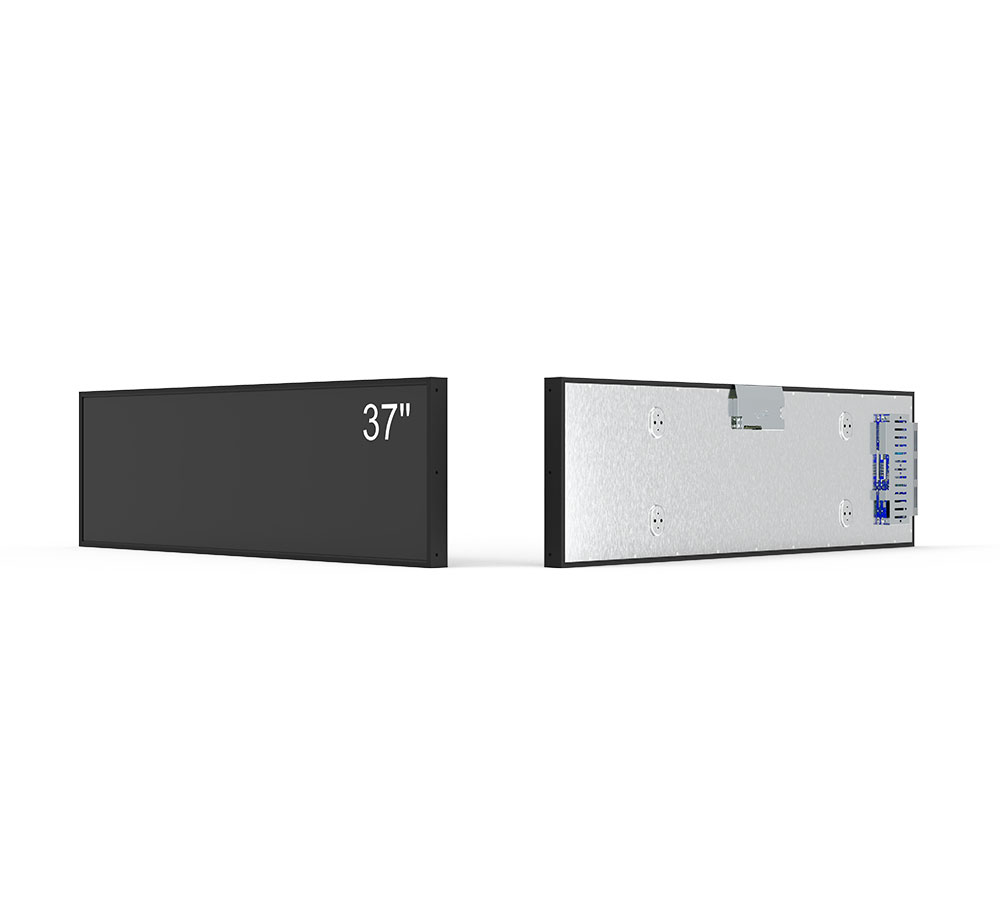
Manufacturers like Evesham Technologies, LG Display, and BOE have developed specialized IP66-rated LCD modules using advanced laminated glass, sealed bezels, and conformal coatings. These components prevent condensation inside the display while maintaining optical clarity. For example, a case study by Siemens on their industrial control panels in offshore wind farms demonstrated a 98% reduction in display-related downtime after switching to IP66-certified, high-brightness LCDs. Similarly, the U.S. Department of Defense has adopted IP66-rated displays for tactical communication systems due to their resilience in dusty desert environments and heavy rain scenarios.
The integration of IP66 waterproofing does not compromise other performance metrics—it enhances them. Properly engineered IP66 enclosures use gasket materials like silicone or EPDM rubber, which maintain seal integrity over temperature cycles ranging from -40°C to +70°C. Additionally, these displays often feature anti-glare coatings, wide viewing angles (178°), and ruggedized touchscreens (e.g., capacitive or resistive with glove compatibility). All of this contributes to user safety, data accuracy, and system uptime—key factors in mission-critical operations.
For developers and engineers sourcing these components, compliance with IEC 60529 standards is non-negotiable. Third-party testing by accredited labs such as UL, TÜV, or SGS validates real-world performance. In summary, IP66 waterproof LCDs are no longer optional—they are foundational to modern embedded systems operating outdoors or in industrial settings where environmental durability and visual clarity must coexist.